 Vietnamnet.vn

 Podcast



Owners’ rights protected after buildings reach end of lifespan
The lifespan of apartment buildings and the rights of their owners drew particular attention at a real estate development and investment policy conference on Sept. 22.
Under the direction set out in Resolution 21-NQ/TW, Vietnam is considering linking the usable life of apartments to the designed lifespan of their buildings while ensuring owners’ property rights.
Hoang Thu Hang, deputy director of the Housing and Real Estate Market Management Agency under the Ministry of Construction, said the ministry has been drafting amendments to the Housing Law that include provisions on the lifespan and usable life of apartment buildings, reflecting the direction of Resolution 21.
Hang said the concept is not entirely new, as Vietnam’s 2023 Housing Law already contains provisions on the usable life of apartment buildings.
The 2023 law links the usable life of an apartment building to the lifespan of the structure, based on construction regulations and design documents. However, it does not clearly specify what happens to owners’ rights once that period ends, including whether they lose ownership of their property.
“This is a major issue,” Hang said.

She said the draft amendments seek to make clear that when an apartment building reaches the end of its usable life, residents do not lose their property rights. Instead, those rights would be converted into specific entitlements depending on the circumstances.
Under current rules on renovating and rebuilding apartment buildings, owners of buildings constructed before 1994 are entitled to compensation when the structures reach the end of their usable life. They may receive resettlement housing, purchase an allocated social housing unit, or receive cash compensation and land-use rights corresponding to their share.
For apartment buildings constructed after 1994, owners retain the right to rebuild or renovate the property into a new apartment building by contributing to reconstruction costs. Once a building reaches the end of its usable life, owners can discuss and agree on how to proceed.
Owners who do not wish to contribute to reconstruction can sell their land-use and property rights to others. The buyer can then contribute to the cost of rebuilding and obtain ownership in the new building.
Owners who choose not to contribute further are entitled to compensation for their proportional land-use rights. Land attached to an apartment building is held under shared-use rights, meaning that when the building is demolished, each owner’s proportional share can be valued for compensation.
If the site is later rezoned by authorities and can no longer accommodate an apartment building, owners would still be entitled to compensation for their land rights.
Hang said the proposed rules therefore build on the existing Housing Law while providing greater clarity on owners’ rights.
Land-use rights remain long-term
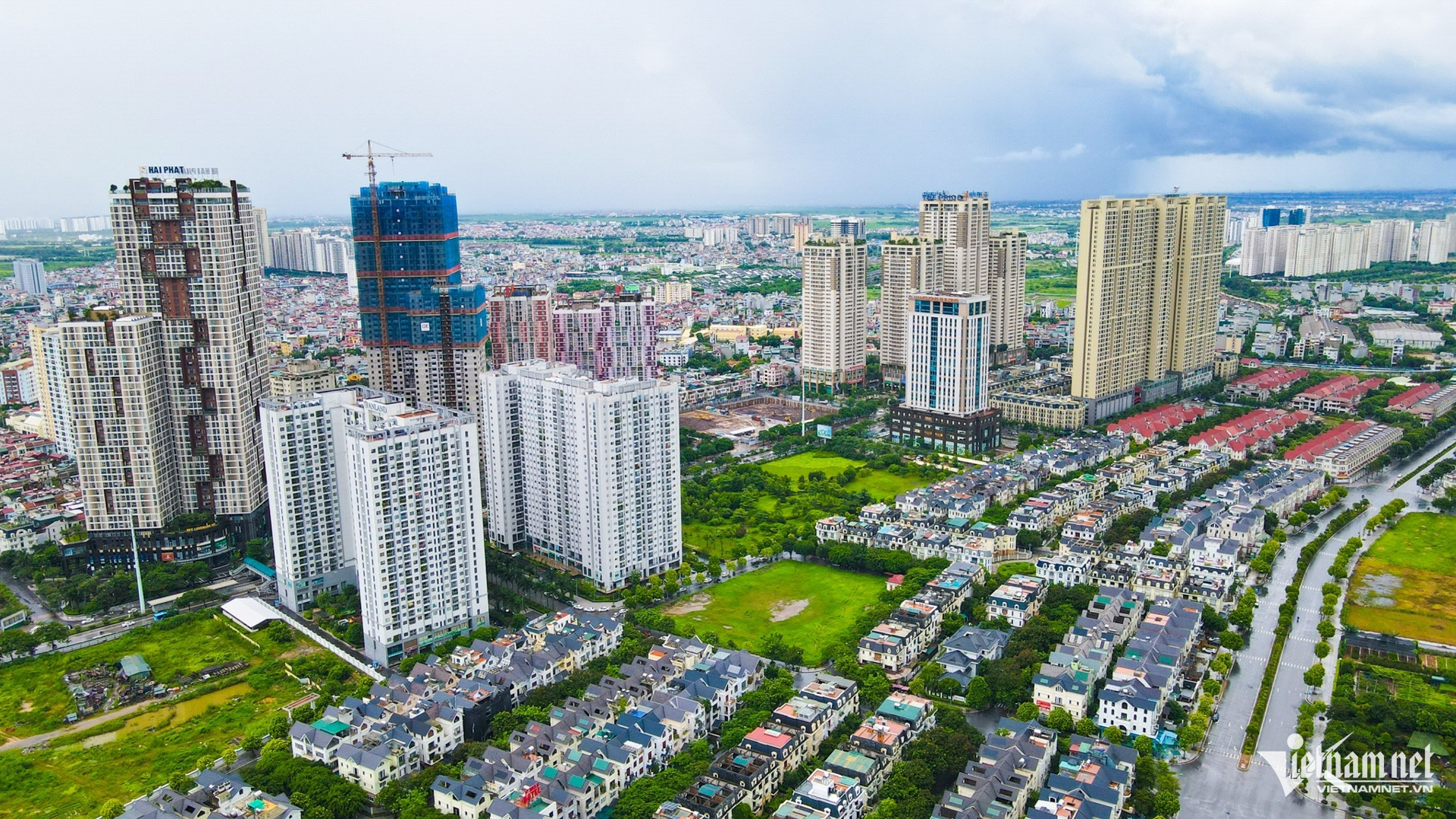
According to Hang, setting a lifespan for apartment buildings is also intended to address obstacles to renovating and rebuilding aging properties.
Efforts to renovate and reconstruct old apartment buildings have faced difficulties in recent years, raising concerns about residents’ safety and security.
Although regulations already specify when buildings should be demolished and rebuilt, owners’ rights and obligations have not been defined in sufficient detail. As a result, developers and government agencies can encounter difficulties when seeking to demolish buildings, while residents may fear that doing so will directly affect their rights.
Another reason for addressing building lifespans, Hang said, is the need for urban renewal and improvements in both living standards and construction quality.
After living in an apartment building for many years, residents can develop an expectation that they will remain there indefinitely, without major changes or renovations, even as the structure gradually deteriorates.
Even high-end apartment complexes will eventually age and see parts of their buildings deteriorate.
According to Hang, failing to pay sufficient attention to a building’s lifecycle can affect construction quality and operations over time.
She also stressed that residents should not be concerned about losing their land-use rights, which under the current policy direction remain long-term.
“There have been suggestions that land-use rights would also be tied to the lifespan of the building, but that is not the case,” Hang said. “Under the current direction, land-use rights remain long-term; only the right to use the building has a defined lifespan.”
Phan Duc Hieu, a standing member of the National Assembly’s Economic and Financial Committee and a deputy in the 16th National Assembly, said some information circulating about apartment ownership terms misrepresents the intent of Resolution 21 and could have unwarranted effects on the property market.
He cited claims urging people to “buy apartments quickly” on the premise that units purchased before Resolution 21 would have permanent ownership while those purchased afterward would have limited ownership terms. Hieu said such claims were inaccurate.
The approach to apartment building lifespans is not entirely new, he said. Even when apartment ownership certificates did not state a specific term, the law already contained provisions governing what happens when a building is no longer fit for use.
Hieu described Resolution 21 as a step toward refining Vietnam’s legal framework for apartment ownership. The proposed rules seek to clarify owners’ rights to their apartments and land when buildings reach the end of their lifespan or can no longer be used, as well as the rights and obligations of parties involved in developing replacement buildings.
However, he said the implementation of the rules, particularly how building lifespans would be recorded on ownership certificates, still requires careful consideration.
Hieu said a distinction should be made between a building’s original design lifespan and its actual usable life. The two may not necessarily coincide, requiring appropriate regulations to protect apartment owners’ rights in both circumstances.
“When an apartment building can no longer be used and must be demolished, owners’ rights to their apartments and land, as well as the development of a new building, need to be clearly defined,” he said.
Nguyen Le
.svg)
