 Vietnamnet.vn

 Podcast



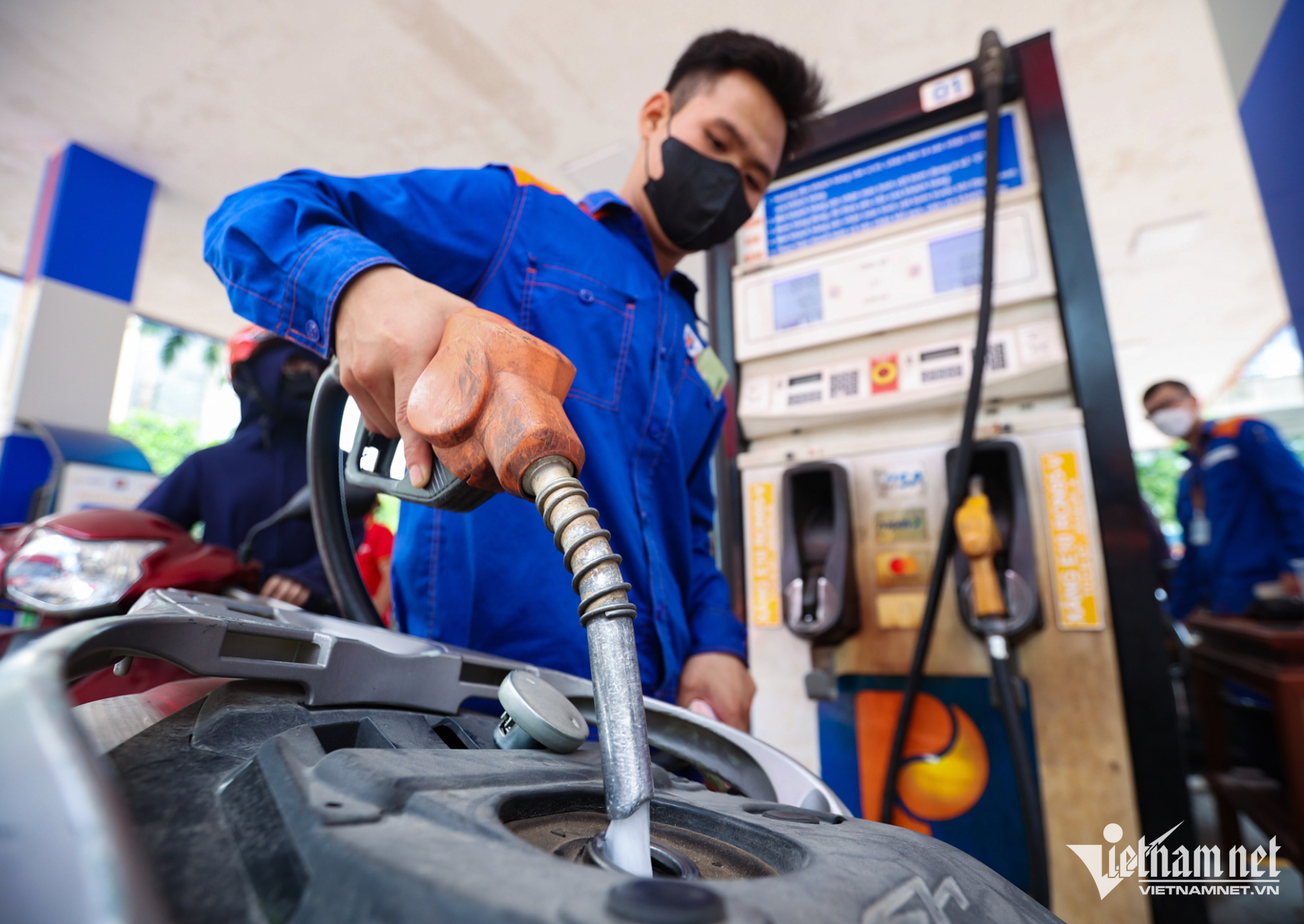
Besides lower global oil prices, the decline has also been driven by the temporary reduction of most fuel-related taxes to zero following the conflict in the Middle East. However, the current tax resolutions are due to expire on June 30, meaning several taxes would automatically return to their previous rates.
The Ministry of Finance has proposed extending the tax reductions, noting that although the United States and Iran have reached an initial peace agreement and shipping through the Strait of Hormuz has resumed, the risk of renewed conflict remains.
The ministry also pointed out that most fuel currently supplied to the domestic market comes from inventories purchased at earlier prices. Imported fuel reflecting current global prices typically reaches Vietnam with a delay because of shipping times, while price negotiations with suppliers also require time. Immediate supplies remain limited as parts of the energy infrastructure were damaged during the conflict.
"Although global oil prices are trending lower, energy markets remain vulnerable to renewed volatility if the conflict resumes," the ministry said.
According to the ministry, restoring import duties, excise tax, VAT and environmental protection tax immediately would increase state revenue but could also drive up domestic retail fuel prices and undermine inflation control efforts.
Based on fuel prices as of June 18, overall fuel prices could rise by around 35% if all taxes returned to pre-conflict levels. E10 petrol would increase by 47.36% instead of 9.2%, E5 petrol by 43% instead of 5.9%, and diesel by 67.2% instead of 23.86-33.84%.
The ministry estimates that such a scenario would raise Vietnam's average consumer price index (CPI) by approximately 0.78 percentage points in 2026. It therefore recommends extending the current tax relief measures.
Four policy options under consideration
The draft resolution outlines four options covering the period from July 1 to September 30, 2026.
Option one would maintain a zero most-favoured-nation (MFN) import tariff, zero environmental protection tax, no VAT and zero excise tax.
Option two would retain the zero MFN import tariff, zero environmental protection tax and VAT exemption while restoring excise tax at previous rates of 10% for mineral petrol, 8% for E5 petrol and 7% for E10 petrol.
Option three would keep the zero MFN import tariff and VAT exemption, restore excise tax and apply environmental protection tax at the minimum level within the statutory range, equivalent to about half the pre-conflict rate.
Option four would retain the zero MFN import tariff and VAT exemption, apply a 5% excise tax and restore the full environmental protection tax.
The Ministry of Finance recommends option two.
According to the ministry, maintaining a zero MFN import tariff would diversify fuel import sources beyond ASEAN markets, reducing supply risks and strengthening Vietnam's energy security.
Continuing the VAT exemption, which would otherwise return to 8%, would help lower transport, logistics and production costs across the economy, support consumer confidence and contribute to inflation control and business recovery.
The ministry also said environmental protection tax is levied as a fixed amount per litre or kilogram, meaning suspending the tax directly reduces retail fuel prices.
Meanwhile, restoring excise tax would have a relatively limited impact on production costs because it applies only to petrol and not to diesel or other fuel production materials, which remain the primary fuels used by many industries.
The ministry estimates that option two would reduce state budget revenue by around VND15.4 trillion (USD588 million) between July 1 and September 30 compared with restoring all taxes to pre-conflict levels. However, it would generate more revenue than maintaining all taxes at zero while preserving flexibility to adjust tax policy if global oil prices fluctuate sharply.
Compared with domestic fuel prices on June 18, option two would increase E10 petrol prices by about 7%, E5 petrol by about 8%, while diesel prices would remain unchanged. Overall fuel prices would rise by around 5%, adding an estimated 0.11 percentage points to CPI.
The Ministry of Finance said extending the preferential tax measures would help balance multiple objectives, including stabilising energy prices, maintaining macroeconomic stability, creating a gradual path back to normal tax rates and avoiding sudden price shocks that could negatively affect businesses and consumers.
Tam An
.svg)
