 Vietnamnet.vn

 Podcast



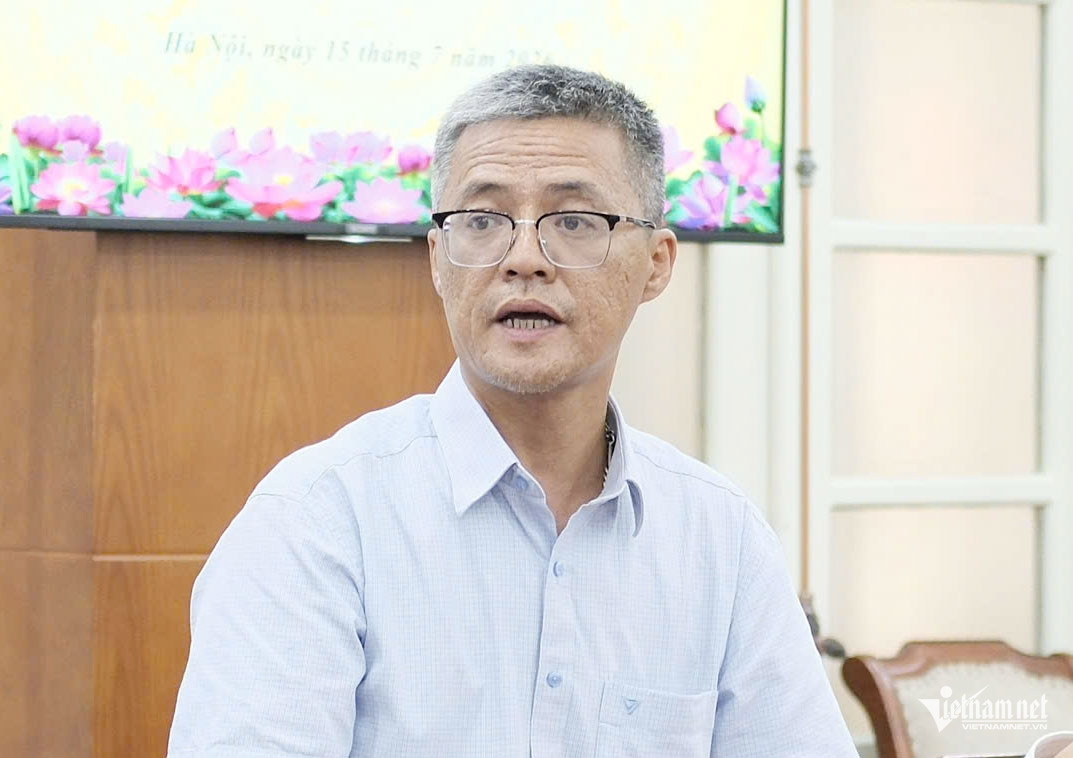
The legal framework is not new, and royalty rates already have a reference basis
Regarding the legal obligations of businesses that use music commercially, Tung emphasized that the regulations have been in place for many years.
"The commercial use of musical works, sound recordings, and audiovisual recordings in restaurants and cafés is governed by Articles 26 and 33 of Vietnam's Law on Intellectual Property. These provisions have existed since 2005, requiring organizations and individuals that exploit or use such works to pay royalties to authors, producers of sound and audiovisual recordings, and performers."
He explained that, in practice, the main challenge since 2005 has been negotiating royalty payments between rights holders and users.
"That issue was addressed through Government Decree No. 17/2023/ND-CP, which includes Appendix No. 2 establishing reference royalty schedules for organizations and individuals using protected works. If the parties cannot reach an agreement, these schedules serve as the basis for determining payment," he said.
Tung also discussed organizations authorized to collect royalties without being collective management organizations.
"Government Decree No. 134 clearly sets out the obligations of organizations that are not collective management organizations but have been authorized by copyright holders to collect royalties on their behalf. They must publicly disclose the list of works covered by their authorization on their websites. At the same time, businesses using copyrighted works also have a responsibility to understand the relevant legal requirements, verify the repertoire being used, and provide information on the works and duration of use as a basis for negotiating royalty payments," he added.
Addressing situations where multiple organizations seek payment
Responding to concerns that a single business may receive royalty payment requests from several organizations, Tung said current regulations already encourage a more coordinated approach.
"Existing regulations provide a solution. Government Decree No. 134 encourages collective management organizations to authorize a single representative organization to negotiate and collect royalties on behalf of multiple rights holders. However, because this is fundamentally a civil matter, government agencies cannot compel organizations to appoint one representative. Nevertheless, to facilitate compliance, collecting organizations should clearly disclose the list of works and rights holders they represent when dealing directly with businesses," he said.
Tung also highlighted penalties for violations.
"Government Decree No. 341, which governs administrative penalties for copyright and related rights violations, provides clear sanctions. Collective management organizations or authorized collecting entities that fail to operate transparently or collect royalties beyond the scope of their authorization may face strict penalties."
Asked about proposals to create digital identification accounts that would allow businesses to verify copyright obligations more easily, Tung said such operational measures fall within the civil relationship between rights holders and users.
"Specific operational measures, such as creating digital accounts for users, are matters that collective management organizations and authorized collecting agencies should proactively study and implement in order to facilitate royalty verification and payment."
Toward a unified copyright database
Asked about the government's role in encouraging closer cooperation among copyright collecting organizations, Tung outlined plans to develop a unified database.
"Each year, the Copyright Office of Vietnam meets with collective management organizations and has repeatedly encouraged them to work together and authorize a single organization to collect royalties."
"Achieving that goal requires a unified database. We are currently promoting discussions in which the Vietnam Center for Protection of Music Copyright (VCPMC) serves as the focal point for negotiations with the Recording Industry Association of Vietnam (RIAV) and the Association for the Protection of Performing Artists' Rights (APPA) to establish a shared database."
According to Tung, the long-term objective is to enable a single representative to collect royalty payments on behalf of multiple organizations for commercial music use.
He said greater transparency and the creation of a unified database are expected to resolve many of the current difficulties and make enforcement of Vietnam's music copyright laws more efficient, consistent, and convenient for businesses.
Tinh Le
.svg)
