 Vietnamnet.vn

 Podcast



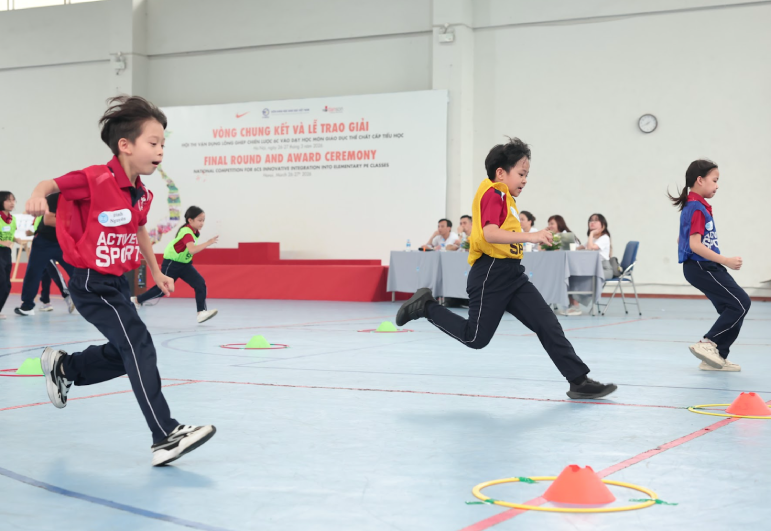
On March 27, the Vietnam National Institute of Educational Sciences hosted the final round and award ceremony of a national competition integrating the 6C strategy into primary school physical education. The initiative aims to improve fitness, develop motor skills and foster greater enthusiasm for daily exercise among students.
According to the World Health Organization, around 80 percent of adolescents worldwide did not meet recommended physical activity levels in 2024, with those aged 11 to 17 accounting for the highest share. Girls were found to be less active than boys. In Vietnam, most students in this age group also fall short, with the rate among girls reaching as high as 92 percent.
Physical activity includes all body movements that require energy expenditure, not only sports but also everyday activities such as walking, cycling, doing household chores or climbing stairs. Maintaining regular activity improves cardiovascular health, strengthens bones, enhances concentration and mental well-being, and helps control body weight.
Conversely, a sedentary lifestyle increases the risk of overweight and obesity, cardiovascular diseases, diabetes and depression, while also negatively affecting academic performance.
Ly Quoc Bien, Head of the Research Department for Capacity Development and Future Skills at the institute, noted that children and adolescents need at least 60 minutes of structured physical activity each day. However, Vietnamese primary school students currently receive only about two physical education classes per week, equivalent to roughly 70 minutes in total, far below the required level.
Although many schools have introduced extracurricular clubs to promote sports participation, not all institutions have sufficient facilities or funding to support them. In addition, participation often requires fees, limiting access for a significant number of students.
In the long term, Bien emphasized the need to raise awareness among students about the importance and value of physical exercise. The education sector is implementing solutions based on the 6C strategy, aiming to shift students from passive to active engagement in physical activity.
Strengthening physical activity programs in schools, alongside building a more dynamic and engaging learning environment, is expected to help students develop lasting exercise habits.
Phuong Thuy
.svg)
