 Vietnamnet.vn

 Podcast



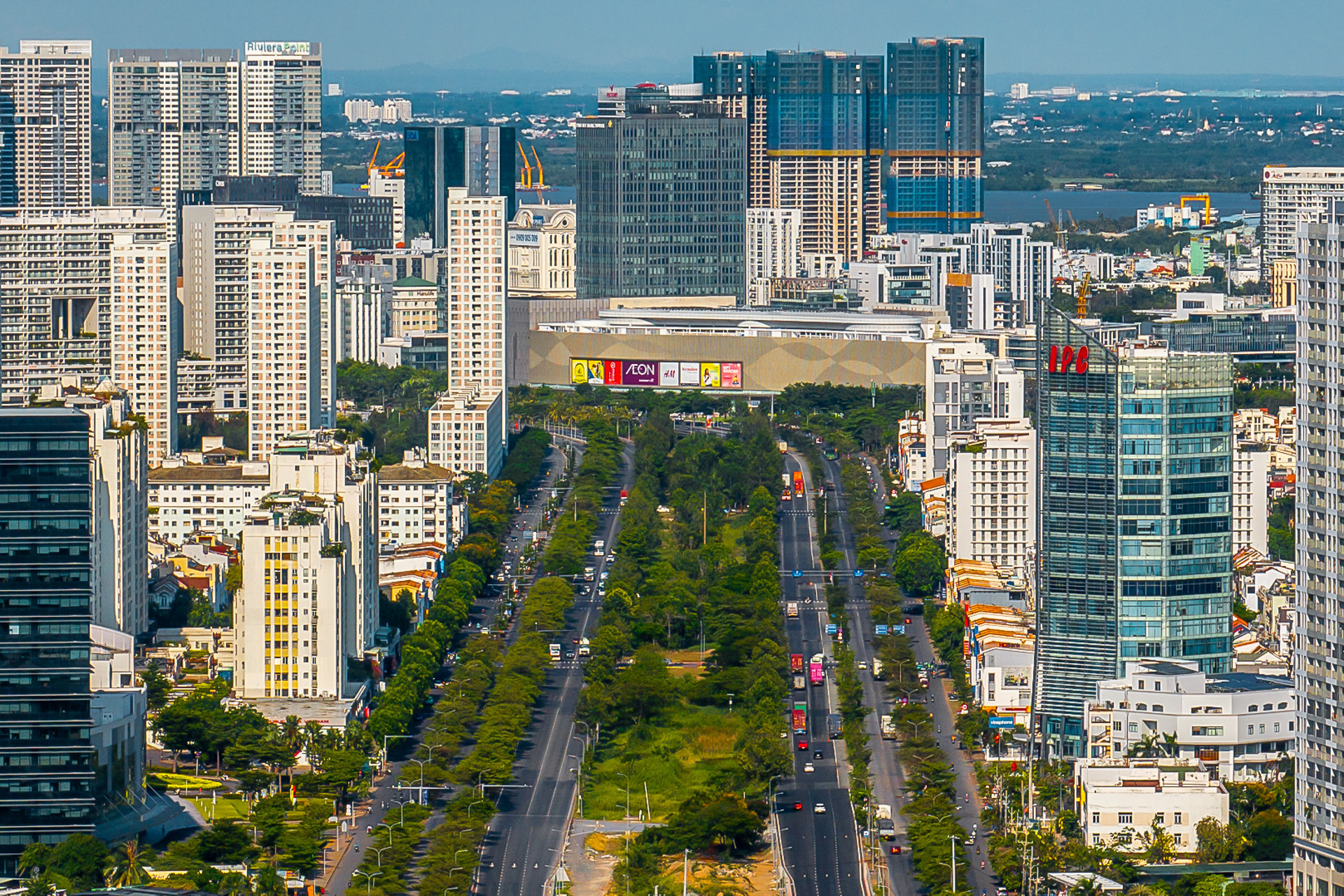
The government noted that 2026 marks the beginning of a new development phase for the country, while the global environment continues to experience rapid, complex and unpredictable changes that could affect Vietnam's socio-economic development goals.
To successfully achieve double-digit economic growth in 2026 and throughout the 2026-2030 period, while ensuring high-quality, sustainable and substantive growth, the government has instructed chairpersons of provincial and municipal People's Committees to closely monitor local economic performance, coordinate effectively and implement policy measures comprehensively across all sectors.
Localities that meet or exceed their assigned growth targets are encouraged to strive for even stronger performance. Those falling below their assigned targets or below the national average are required to urgently review and update their growth scenarios, assess both objective and subjective factors, and identify bottlenecks, shortcomings and constraints.
These localities have also been instructed to align with the government's double-digit growth strategy for 2026 and the 2026-2030 period by identifying new growth drivers and untapped potential, while developing practical and breakthrough solutions to achieve their assigned objectives.
Vietnam's key economic hubs have been tasked with further strengthening their role as growth engines, exceeding assigned targets where possible and making greater contributions to state budget revenue and national economic growth.
The government also instructed leaders of centrally governed provinces and cities to promptly review and update monthly and quarterly growth plans for individual sectors during the remaining months of 2026 to ensure all targets are achieved.
Ministries, agencies and local authorities have been directed to continue resolving long-delayed projects involving land use and planning so they can be brought into operation and contribute to economic growth. They are also required to further reduce and simplify administrative procedures, business conditions and licensing requirements to create a more favorable environment for citizens and businesses.
The government further called for the removal of obstacles affecting the operation of the two-tier local government system and the effective management of surplus public assets, including unused land and buildings.
In addition, ministries and local authorities have been instructed to accelerate the disbursement of public investment capital, treating it as a key political priority and an important criterion for evaluating the performance of agencies, officials and their leaders.
Under Resolution 169, Ho Chi Minh City has been assigned a target of 10.2% average GRDP growth in 2026 and 10.25% average annual growth during 2026-2030. The city's GRDP per capita is targeted to reach US$9,800 in 2026 and US$14,400 during the 2026-2030 period.
Hanoi has been assigned a target of 11% average GRDP growth in 2026, with the same 11% average annual growth target for 2026-2030. The capital's GRDP per capita is expected to reach US$7,920 in 2026 and US$12,000 during the 2026-2030 period.
Tran Thuong
.svg)
