 Vietnamnet.vn

 Podcast



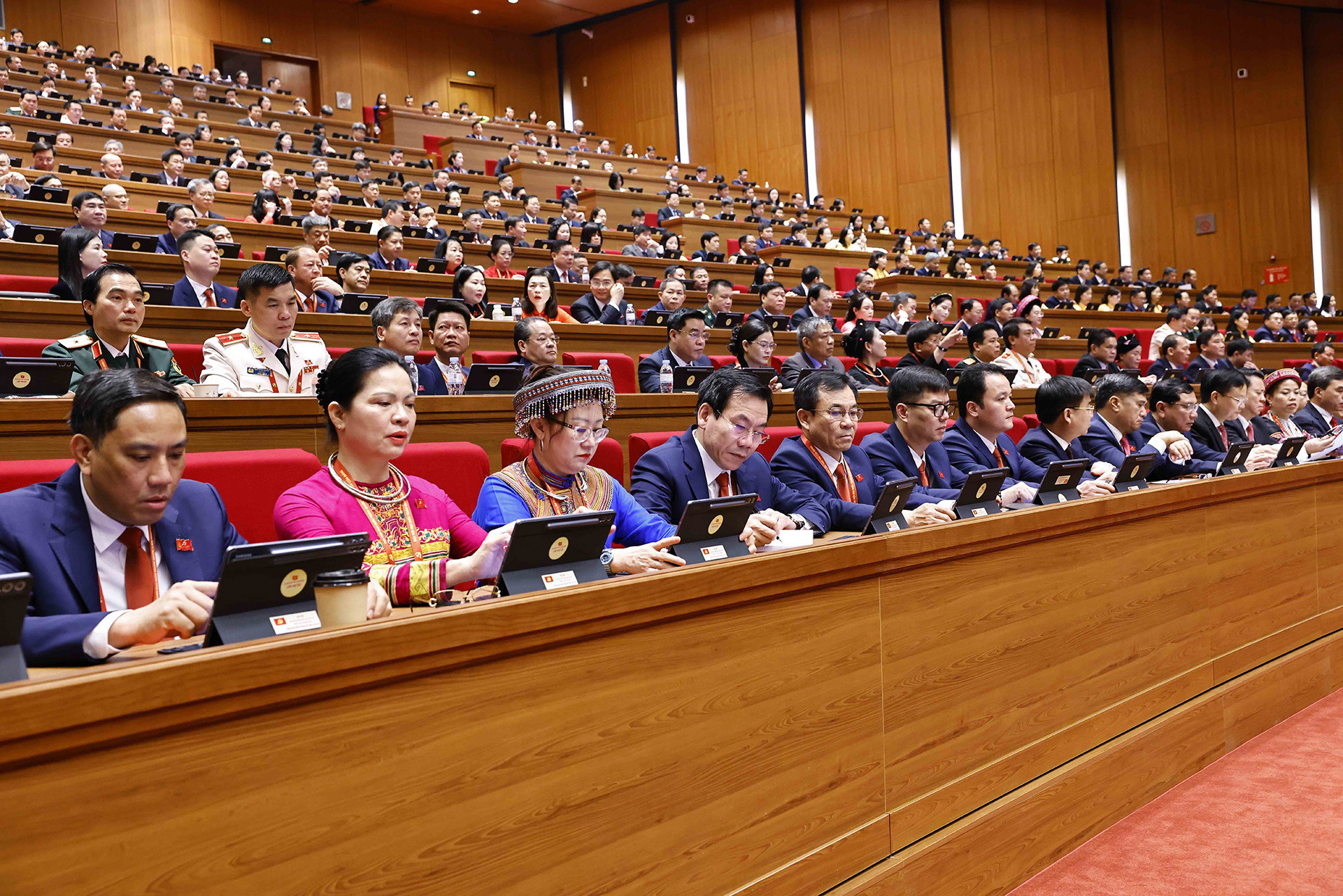
Regarding the proportion of ethnic minority officials, the scheme sets a roadmap aiming to achieve 80 percent of specified targets in the 2026-2030 period and reach 100 percent between 2030 and 2035.
At the provincial level, the scheme stipulates that provinces where ethnic minorities account for between 5 percent and under 10 percent of the population must ensure that ethnic minority officials make up at least 3 percent to 5 percent of total staffing quotas.
For provinces with ethnic minority populations ranging from 10 percent to under 30 percent, the minimum proportion is set at 5 percent to 10 percent.
Where ethnic minorities account for between 30 percent and under 50 percent of the population, the proportion of ethnic minority officials must reach at least 10 percent to 15 percent of total staffing.
For provinces with ethnic minority populations between 50 percent and under 70 percent, the required ratio rises to between 15 percent and 20 percent.
In provinces where ethnic minorities make up over 70 percent of the population, ethnic minority officials must account for at least 20 percent of total provincial staffing.
At the commune, ward, and special administrative unit levels, the scheme sets a minimum of 5 percent of total staffing for areas where ethnic minorities account for between 5 percent and under 10 percent of the population, and between 5 percent and 15 percent for areas with 10 percent to under 30 percent.
For areas with ethnic minority populations between 30 percent and under 50 percent, the required proportion ranges from 15 percent to 25 percent. This increases to 25 percent to 35 percent for areas with 50 percent to under 70 percent, and from 35 percent to 50 percent for areas where ethnic minorities exceed 70 percent of the population.
For agencies and units tasked with ethnic affairs, the Ministry of Ethnic and Religious Affairs must ensure that ethnic minority officials account for at least 20 percent to 25 percent of total staffing.
Departments, committees, or equivalent units under ministries, ministerial-level agencies, and government bodies with ethnic affairs responsibilities must have at least 25 percent ethnic minority officials.
At the provincial level, Ethnic Affairs Boards under People’s Councils and Departments of Ethnic and Religious Affairs must also meet minimum thresholds. These range from 20 percent to 40 percent depending on the proportion of ethnic minorities in the local population.
In cases where such specialized bodies are not established, competent local authorities will determine appropriate proportions of ethnic minority officials in relevant agencies based on actual conditions.
Striving for 20-25 percent of leadership positions held by ethnic minority officials
In terms of leadership structure, the scheme aims to ensure that ethnic minority officials are represented proportionally in leadership and management positions at all levels.
The Ministry of Ethnic and Religious Affairs is required to have at least 20 percent to 25 percent of leadership and management positions held by ethnic minority officials.
Departments, committees, and equivalent units under ministries, as well as provincial Ethnic Affairs Boards and Departments of Ethnic and Religious Affairs, must have at least one leadership or deputy leadership position held by an ethnic minority official, or at least one such position included in leadership planning.
At the local level, ethnic minority officials should account for at least 10 percent of leadership positions at the provincial level and 20 percent at the commune level, calculated within the total number of ethnic minority officials.
Public service units in localities where ethnic minority officials account for 30 percent or more of staff must ensure that management positions are held by ethnic minority personnel.
The scheme also sets a target that at least 20 percent of ethnic minority officials should be women.
All ethnic minority officials are expected to receive training and capacity building in professional qualifications, political theory, state management skills, science and technology, innovation, digital transformation, and modern governance methods.
Tran Thuong
.svg)
