 Vietnamnet.vn

 Podcast



On the morning of July 8, Party General Secretary and President To Lam chaired a working session with the Ministry of Home Affairs on improving workforce quality, creating sustainable employment and developing human resources for Vietnam's next stage of development.
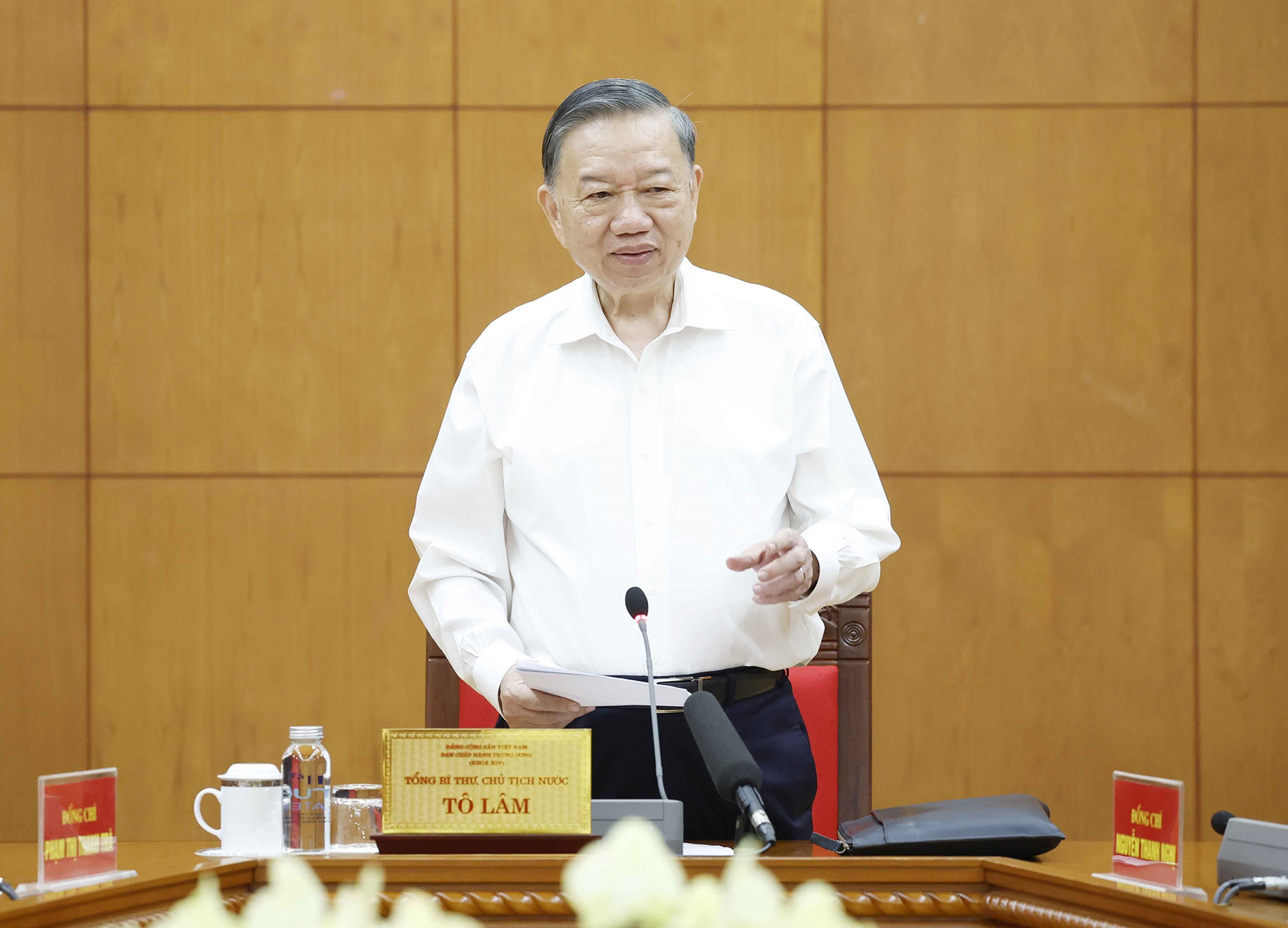
After hearing reports and discussions, Mr. To Lam stressed the need to confront existing shortcomings directly.
He said Vietnam's main challenge is no longer a shortage of workers but rather a shortage of workers whose skills match the country's development needs. The country faces gaps in vocational skills, workplace discipline, industrial work practices, foreign language proficiency, digital capabilities and green skills, as well as shortages of technicians, skilled workers, hands-on professionals, technology specialists and middle-management personnel.
Vietnam also continues to face a large informal labor sector, high youth unemployment, mismatches between education and labor market demand, and a rapidly aging population.
As a result, evaluating the workforce should move beyond measuring its size to assessing its quality, efficiency and contribution to labor productivity.
According to the Party Chief and State President, policymakers should no longer focus solely on how many people are employed. Instead, they should ask whether jobs are formal, sustainable, productive and create high value; whether workers possess the necessary skills, earn adequate incomes, receive social insurance and have opportunities for lifelong learning and career transitions.
He said the ultimate measure should be the quality of employment, the quality of human resources and workers' contribution to Vietnam's national competitiveness.
Creating better jobs, not just more jobs
Mr. To Lam called for sustainable urban employment to be linked with Vietnam's new growth model, business development and improvements in quality of life.
Urban areas concentrate much of the country's manufacturing, services, science and technology, innovation, digital economy, green economy and modern business models. At the same time, they are home to large numbers of migrant workers, informal workers and gig economy participants while facing mounting pressure on housing, social infrastructure and public services.
For that reason, he said Vietnam should prioritize creating better-quality jobs rather than simply increasing the number of jobs, ensuring workers have higher productivity, better incomes, social insurance coverage, stronger skills and greater career development opportunities.
Reforming workforce training
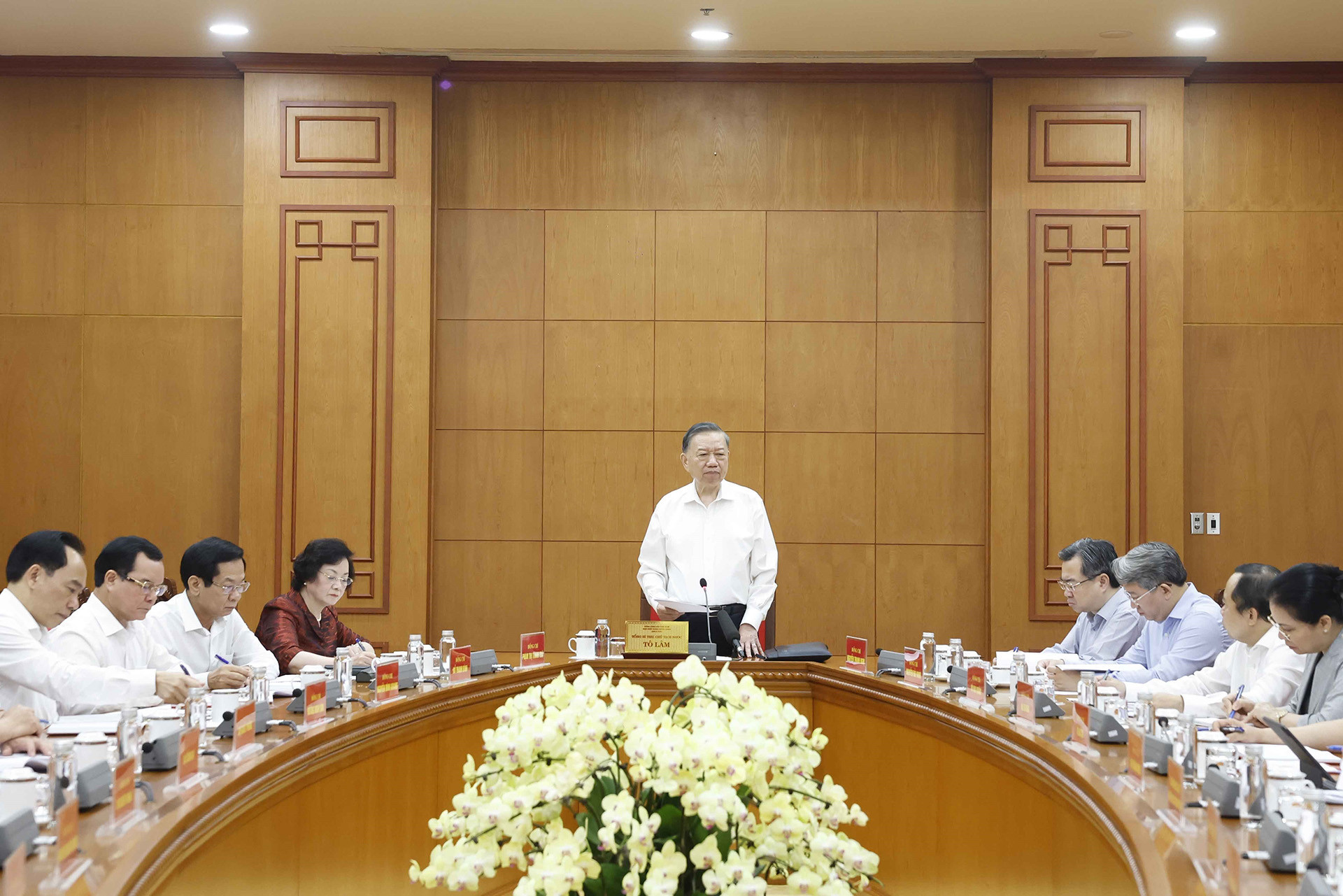
The General Secretary and President said Vietnam must establish a national skills development system as part of broader human resource reforms.
Training policies, he said, should shift from meeting short-term labor demand to building the country's long-term competitive capacity. The priority is to move away from a diploma-centered mindset toward one focused on professional skills, replacing training based on existing institutional capacity with programs designed around employer demand, standardized skill requirements and measurable outcomes.
Beyond creating jobs domestically, Mr. To Lam said Vietnam should take a broader view of employment opportunities by expanding channels that enhance skills and strengthen the country's pool of highly qualified workers.
As technology, supply chains, labor markets and knowledge continue to evolve rapidly across borders, Vietnam should both create sustainable jobs at home and encourage Vietnamese workers to gain international experience while selectively attracting global experts, specialists and talented professionals to support national development, particularly in strategic sectors.
Attracting and retaining high-skilled talent
Party Chief and President To Lam assigned the Government Party Committee to lead the preparation of a national human resources and modern labor market development strategy.
The plan will include a comprehensive review of workforce quality, mapping labor and skills shortages across industries, regions and localities, identifying priority occupations and restructuring vocational education institutions to better align with Vietnam's new growth model and evolving development landscape.
He also emphasized the need to strengthen policies that expand formal employment, support businesses in job creation, improve overseas employment programs for Vietnamese workers and enhance policies to attract and retain talented professionals and highly skilled technical workers.
In addition, he called for the development of an annual monitoring system measuring workforce quality, sustainable employment, vocational training, income levels, social insurance coverage and satisfaction among workers and businesses.
Mr. To Lam also instructed authorities to build a modern, transparent, flexible and internationally integrated labor market, enabling Vietnam to move from relying on low-cost labor toward competing through a highly skilled workforce.
He said the country should further improve labor market information systems by integrating employment, social insurance, education, business and population databases.
Describing the quality of Vietnam's workforce as "an invaluable national asset," To Lam said investing in people is not merely a social policy but a national development strategy.
"If Vietnam can effectively nurture, develop, utilize, protect and unlock its human resources," he said, "the country will be able to transform its demographic advantage into a development advantage, turn aspirations into strength and achieve faster, more sustainable growth in the years ahead."
Tran Thuong
.svg)
