 Vietnamnet.vn

 Podcast



Speaking on the morning of July 2 at a ceremony marking the 50th anniversary of Sai Gon–Gia Dinh officially being renamed Ho Chi Minh City, Tran Luu Quang recalled the historic moment on July 2, 1976, when the sixth National Assembly, during the opening session of its first meeting, resolved that Sai Gon–Gia Dinh would proudly bear the name of President Ho Chi Minh.
According to him, the decision was not only of historic significance but also reflected the profound gratitude of the Party, the State and the Vietnamese people toward President Ho Chi Minh. At the same time, it embodied trust, expectations and responsibility for the city's future development alongside the nation.
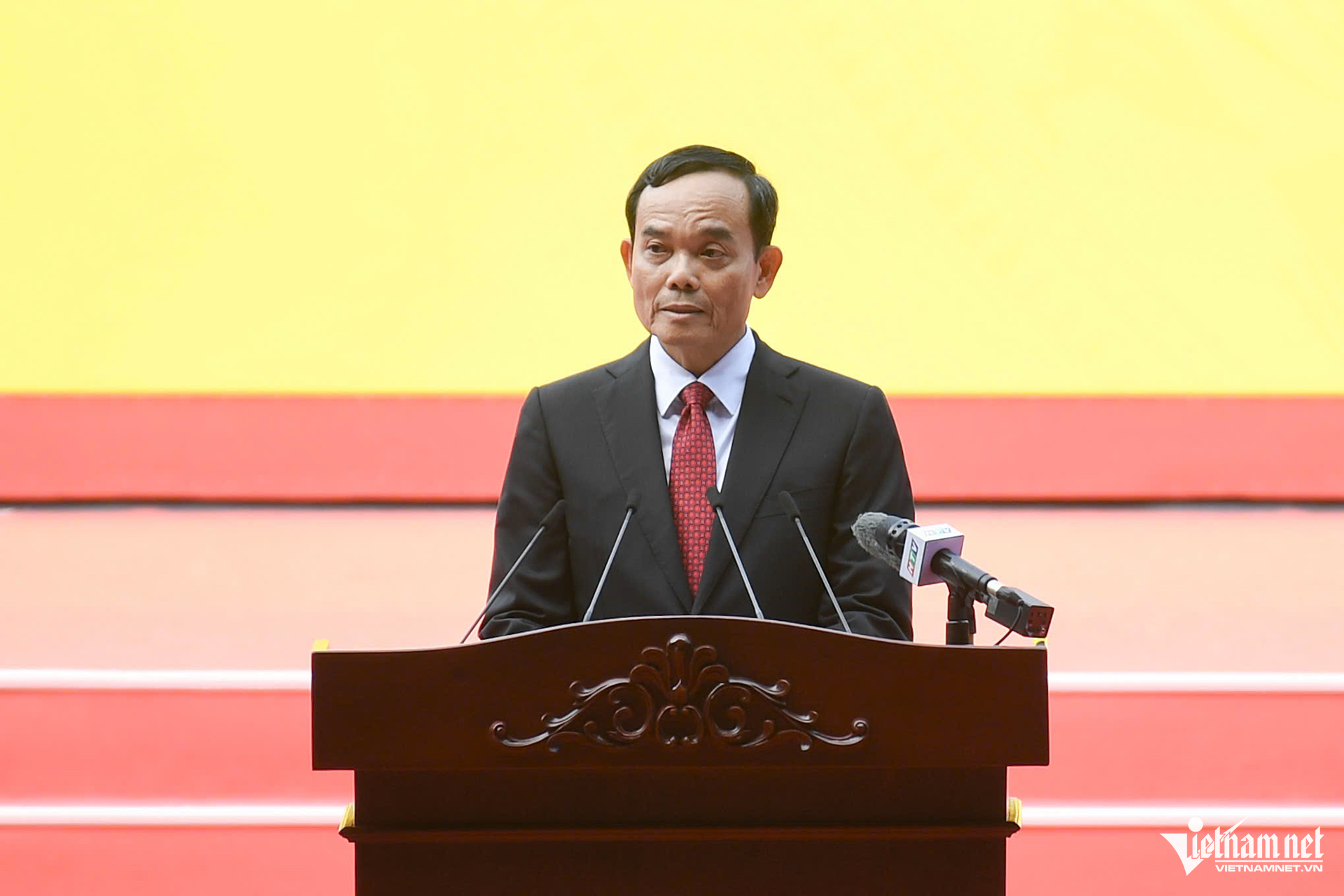
Tran Luu Quang recalled that it was from this very land that President Ho Chi Minh departed in search of a path to national independence, and it was also the place he always wished to revisit.
For the city's Party organization, government and people, the privilege of bearing President Ho Chi Minh's name is therefore both a sacred honor and a profound responsibility before the Party, the people and history. The city must preserve, carry forward and promote the heroic traditions of Sai Gon–Gia Dinh–Ho Chi Minh City while continuously embracing innovation so that it remains Vietnam's leading economic center and one of the country's most important urban hubs. Every achievement today, he said, should contribute to enhancing the reputation of the city that bears President Ho Chi Minh's name.
Reflecting on the past five decades, Quang said Ho Chi Minh City has every reason to be proud of its accomplishments. More importantly, however, the city has always recognized that every stage of its development has been made possible through the close guidance of the central government, timely support from localities across the country and the solidarity of people nationwide.
Mindful of this, Ho Chi Minh City has consistently sought innovative and practical solutions while contributing to the improvement of national institutions and policies that support the country's overall development.
According to Quang, the city's 50-year journey has also provided valuable lessons about preserving unity, strengthening self-reliance while fostering a spirit of innovation, responsibility and determination, and always placing the interests and well-being of the people above all else.
He said it was during the most difficult periods that the defining qualities of Ho Chi Minh City's people - solidarity, compassion, dynamism, creativity and the aspiration to move forward together - became even more evident and evolved into the city's unique identity.
"What the Party organization, government and people of Ho Chi Minh City value most is that throughout this entire journey, the city has never walked alone. Every achievement has been made possible through the contributions of the business community, intellectuals, scientists, artists and the armed forces across the country; the affection and support of overseas Vietnamese who have always remained connected to their homeland; the cooperation of international friends; and, above all, the diligence, creativity and hard work of millions of residents who have helped build the city. That is our greatest source of strength and confidence as we continue the journey ahead," he said.
Building a stronger Ho Chi Minh City
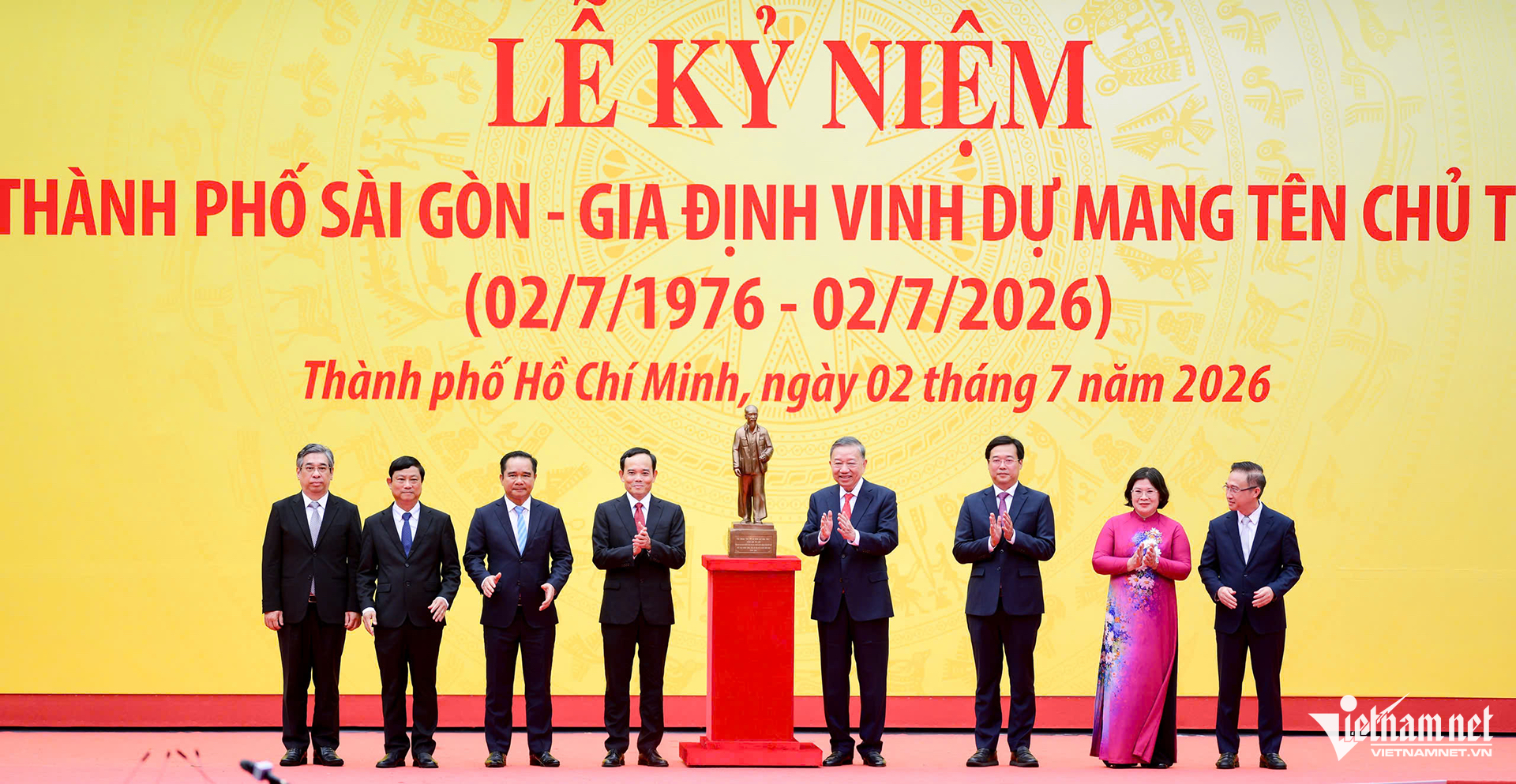
Looking ahead, Quang said Ho Chi Minh City is entering a new stage of development with unprecedented opportunities.
The integration of the development space of Ho Chi Minh City, Binh Duong and Ba Ria–Vung Tau is not simply an expansion of administrative boundaries, he said. Instead, it represents the convergence of strategic advantages, opening up new development space and fresh drivers of economic growth while creating a new stature for the city.
Against this backdrop, the Politburo has issued Resolution No. 09-NQ/TW on the development of Ho Chi Minh City in the new era. The resolution reaffirms the long-standing principle that "Ho Chi Minh City develops for the whole country, and the whole country supports Ho Chi Minh City."
According to Quang, this reflects recognition of the city's contributions over the past decades while also expressing the Party's confidence and expectations for its future role. At the same time, it places a special political responsibility on the city to continue making even greater contributions to Vietnam's rapid and sustainable development.
Quang said the honor of bearing President Ho Chi Minh's name must be demonstrated through tangible achievements in socio-economic development, Party building and the political system, improvements in urban governance, better living standards for residents and meaningful contributions to the country's overall progress.
The city, he said, will continue to promote its traditions of solidarity, dynamism, creativity and compassion while effectively mobilizing and utilizing all available resources. It also aims to build a modern, professional, transparent and efficient public administration, develop a contingent of officials with integrity, capability and credibility who are willing to act for the common good, and create conditions that enable residents to enjoy a better quality of life while allowing businesses to grow more strongly.
Quang concluded by affirming that the Party organization, government and people of Ho Chi Minh City are committed to remaining united, preserving the glorious traditions of the heroic city and building an increasingly civilized, modern and compassionate metropolis.
The city, he said, is determined to continue serving as Vietnam's leading economic engine and making worthy contributions to the cause of building and safeguarding the Socialist Republic of Vietnam, so that whenever people speak of Ho Chi Minh City, they are proud not only of its historic name but also of a city that continually renews itself and never stops striving for greater achievements.
He described that commitment as a promise to history, a responsibility to the present and a pledge to future generations.
Phuoc Sang
.svg)
