 Vietnamnet.vn

 Podcast



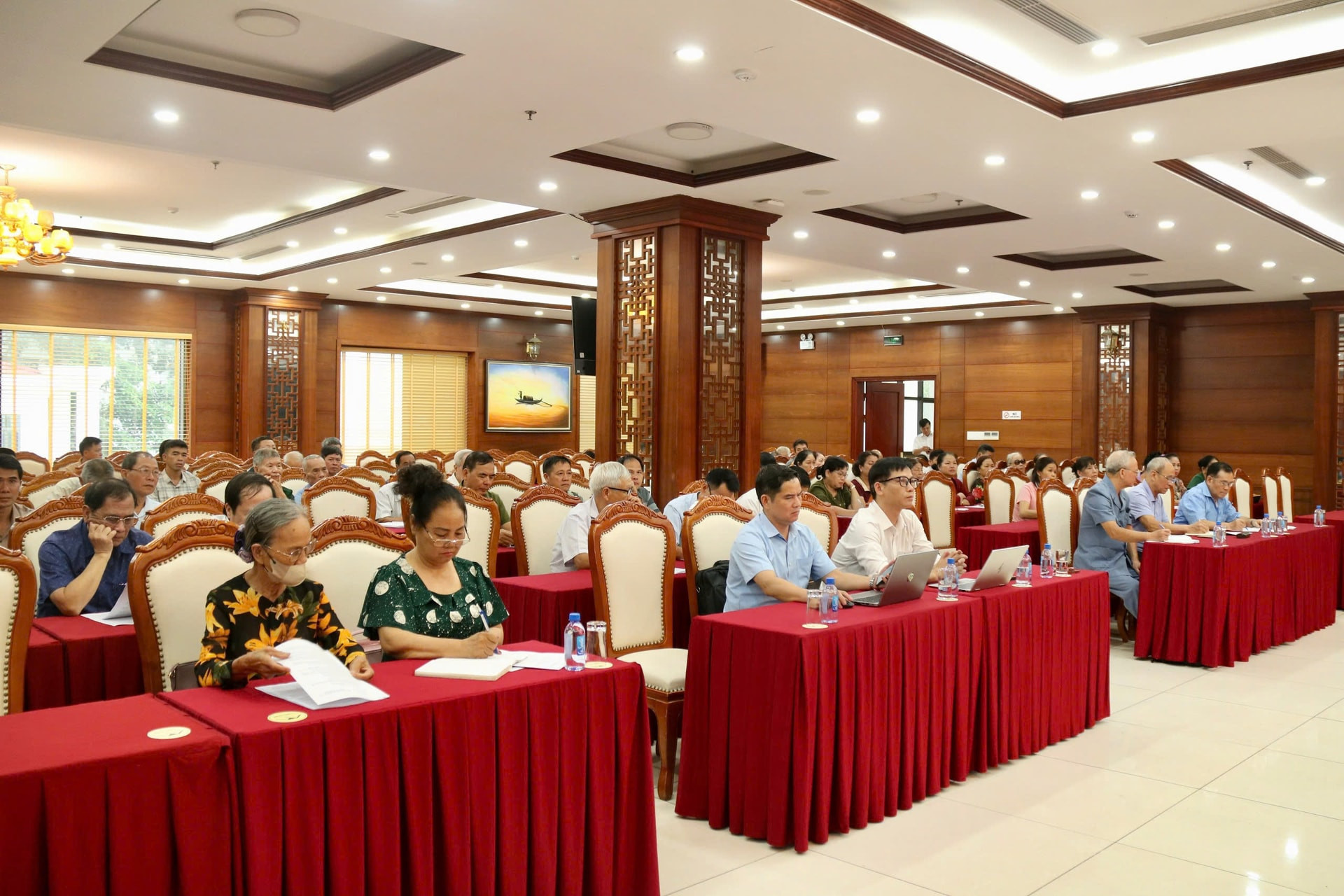
The event brought together leaders of the Government Committee for Religious Affairs, officials from the provincial Department of Ethnic and Religious Affairs, and 126 delegates, including members of management boards, representatives of belief establishments, practitioners of traditional belief activities, and respected community figures from across Lang Son Province.
Speaking at the conference, Tran Thi Minh Nga, Deputy Head of the Government Committee for Religious Affairs, said belief and religion remain important elements of Vietnamese cultural life and serve as a spiritual foundation for community relations and cultural values.
According to statistics from local authorities, as of August 2025, Vietnam had approximately 80,000 belief establishments nationwide. More than 35,000 of these had designated representatives or management boards, accounting for nearly half of the total. Around 70% had registered their activities in accordance with the Law on Belief and Religion.
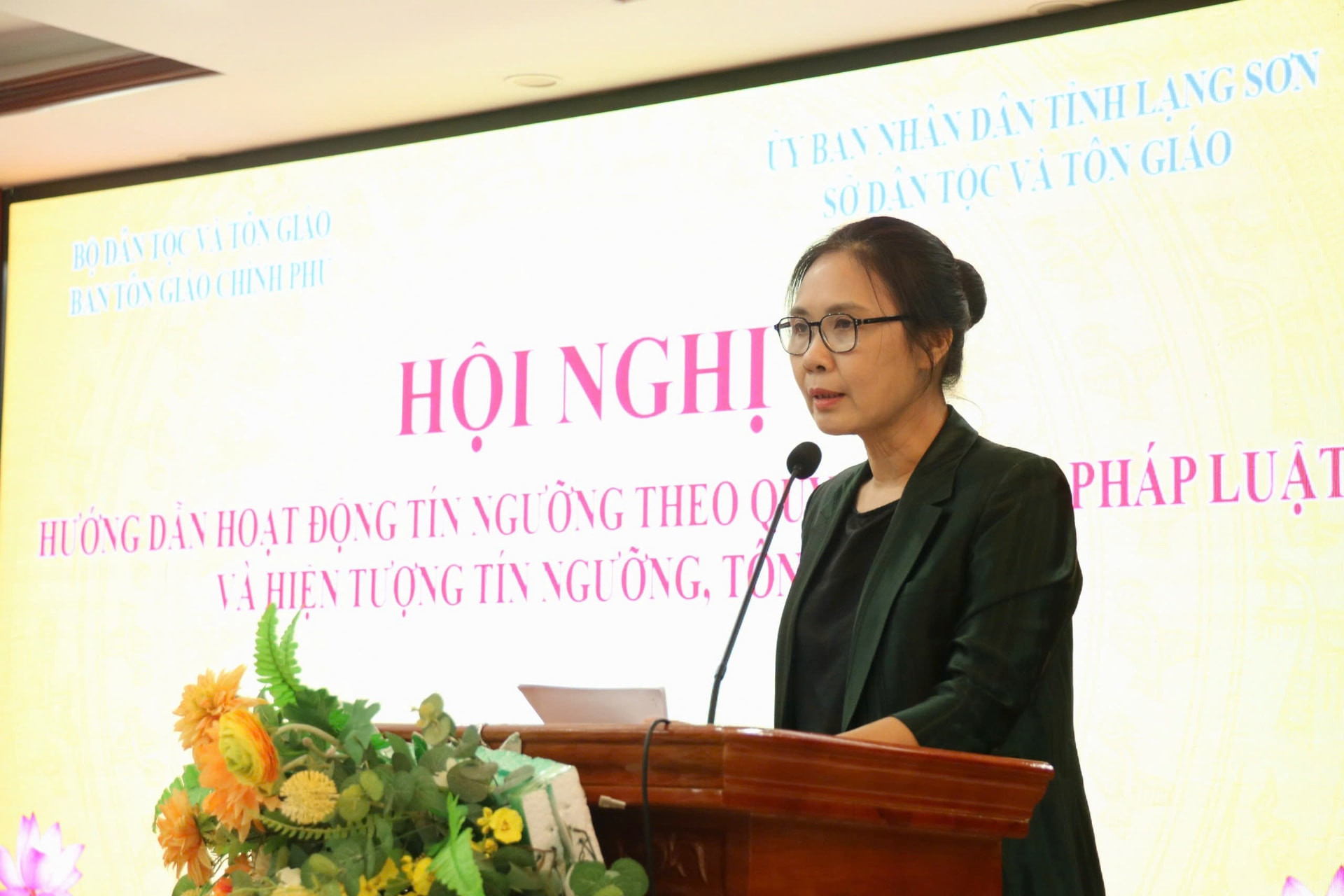
She noted that many belief-related establishments built and operated by individuals or businesses, including private temples and shrines, remain outside formal management systems. Comprehensive statistics on these establishments are still lacking, while some continue to operate in violation of the law, creating public concern and proving difficult to address effectively.
Tran Thi Minh Nga said belief practices among ethnic minority communities in Lang Son are rich and diverse and continue to evolve through cultural exchange and adaptation. Alongside the adoption of new cultural values, she stressed the need to prevent the misuse of belief and religious activities to sow division within communities or undermine national unity.
"For that reason, respected community figures play an especially important role in belief-related activities. They help preserve and promote positive cultural values, reduce outdated customs that are no longer appropriate, and contribute to preventing activities that exploit belief and religion in ways that threaten security, public order and social safety," she said.
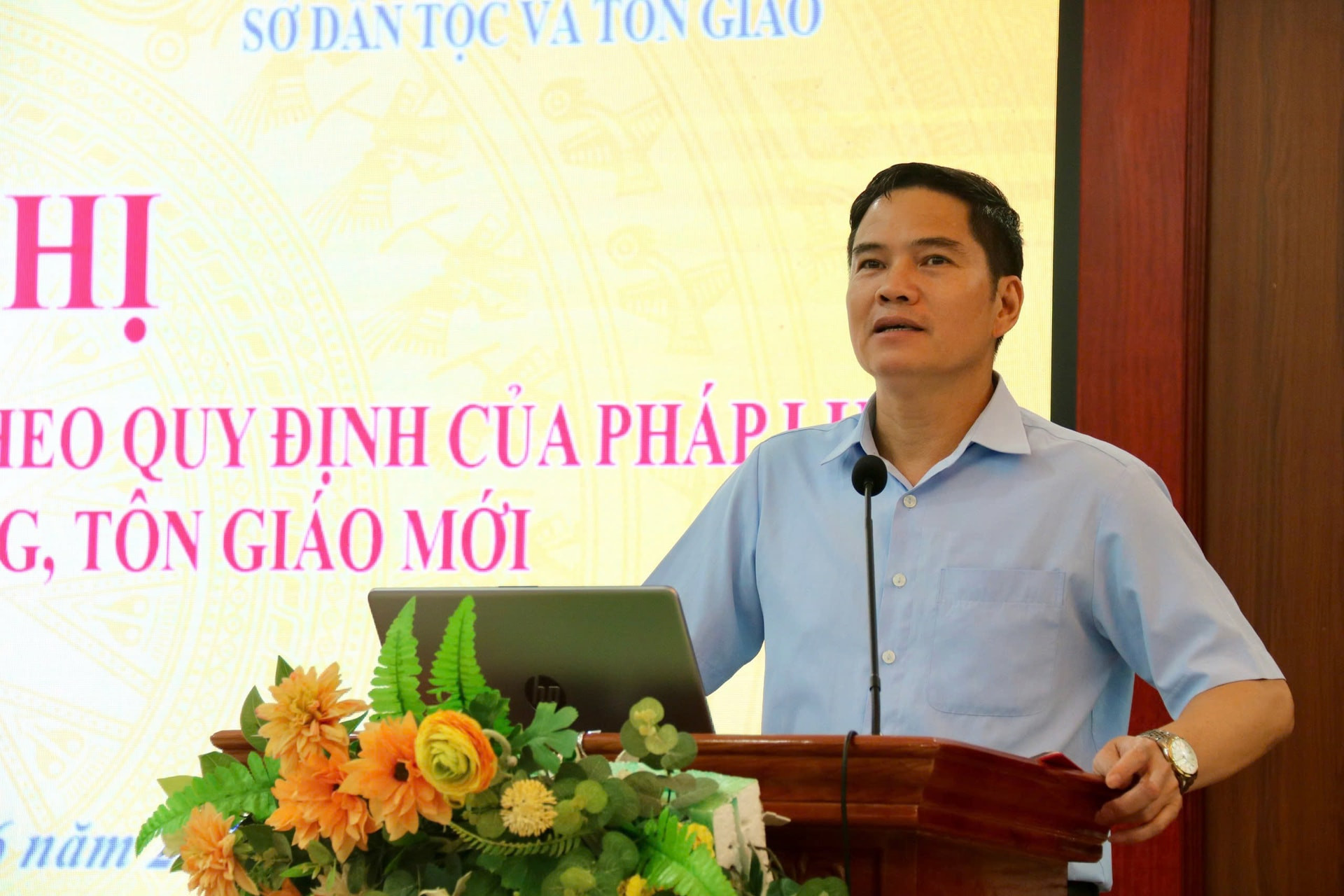
At the conference, delegates were also informed about the revised Law on Belief and Religion, which was approved by the National Assembly on April 23, 2026 and will take effect on January 1, 2027.
According to Tran Thi Minh Nga, the 2026 Law on Belief and Religion continues to build on existing regulations while introducing improvements designed to reflect current realities. New provisions address belief and religious activities in cyberspace, streamline administrative procedures, strengthen digital transformation in the sector, and regulate the registration of belief activities conducted outside established places of worship.
Delegates received detailed briefings on the law's new provisions, including regulations governing online religious activities, administrative reform measures, digitalization initiatives, and procedures for registering belief activities outside recognized belief establishments.
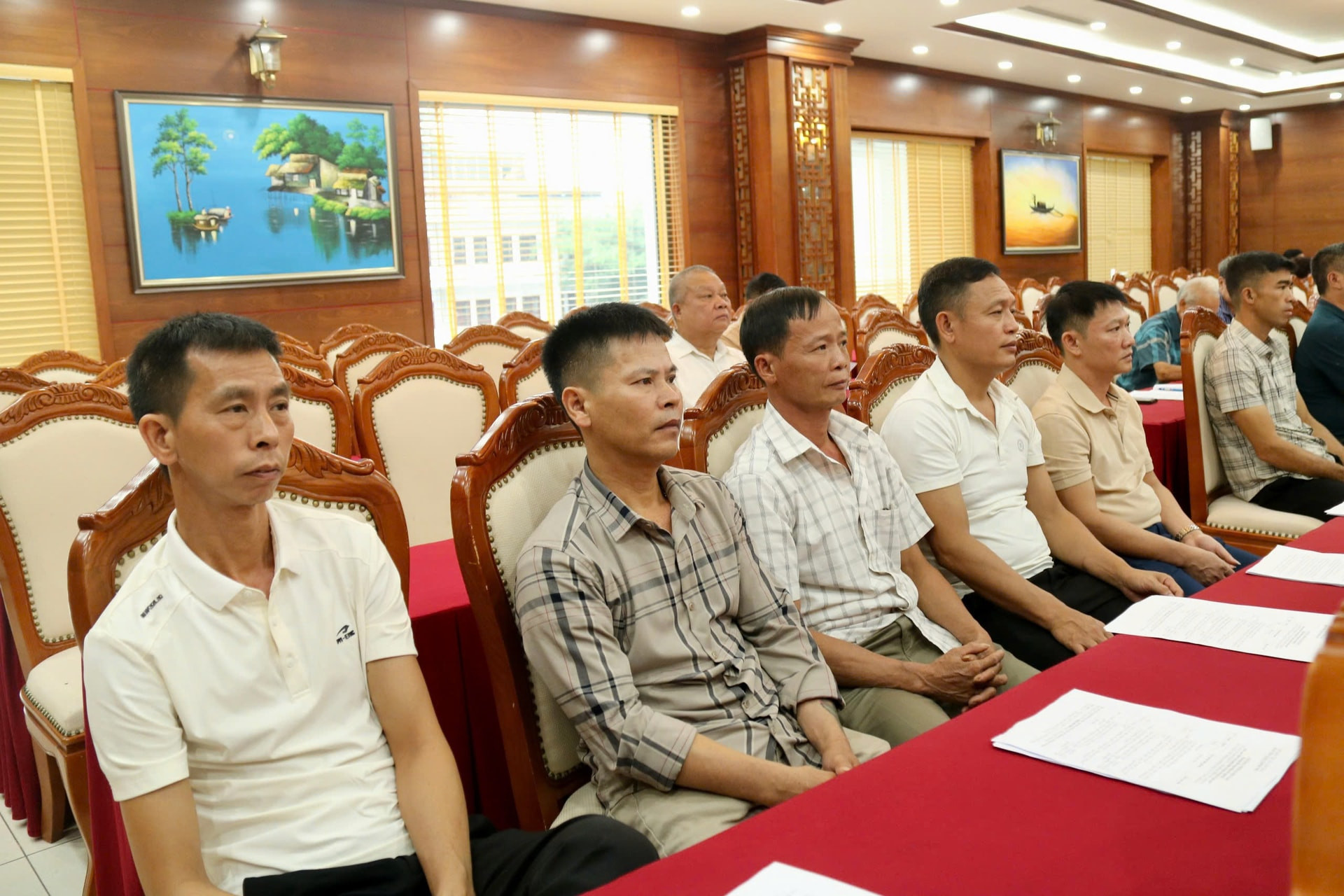
Throughout the conference, participants attended thematic sessions covering Party guidelines, State policies and laws on belief and religion, current developments in belief-related activities, and practical issues arising at the grassroots level.
One of the key topics focused on identifying emerging belief and religious phenomena and distinguishing legitimate spiritual needs from activities that exploit belief and religion for unlawful purposes or that negatively affect public order and community life.
The conference also provided an opportunity for discussion and exchange of experiences among participants dealing with real-world situations in local communities.
Organizers said the event aims to strengthen the knowledge and communication skills of grassroots belief workers and respected community figures, helping them guide local residents in complying with the law while contributing to social stability and national solidarity.
Thuy Hong
.svg)
