 Vietnamnet.vn

 Podcast



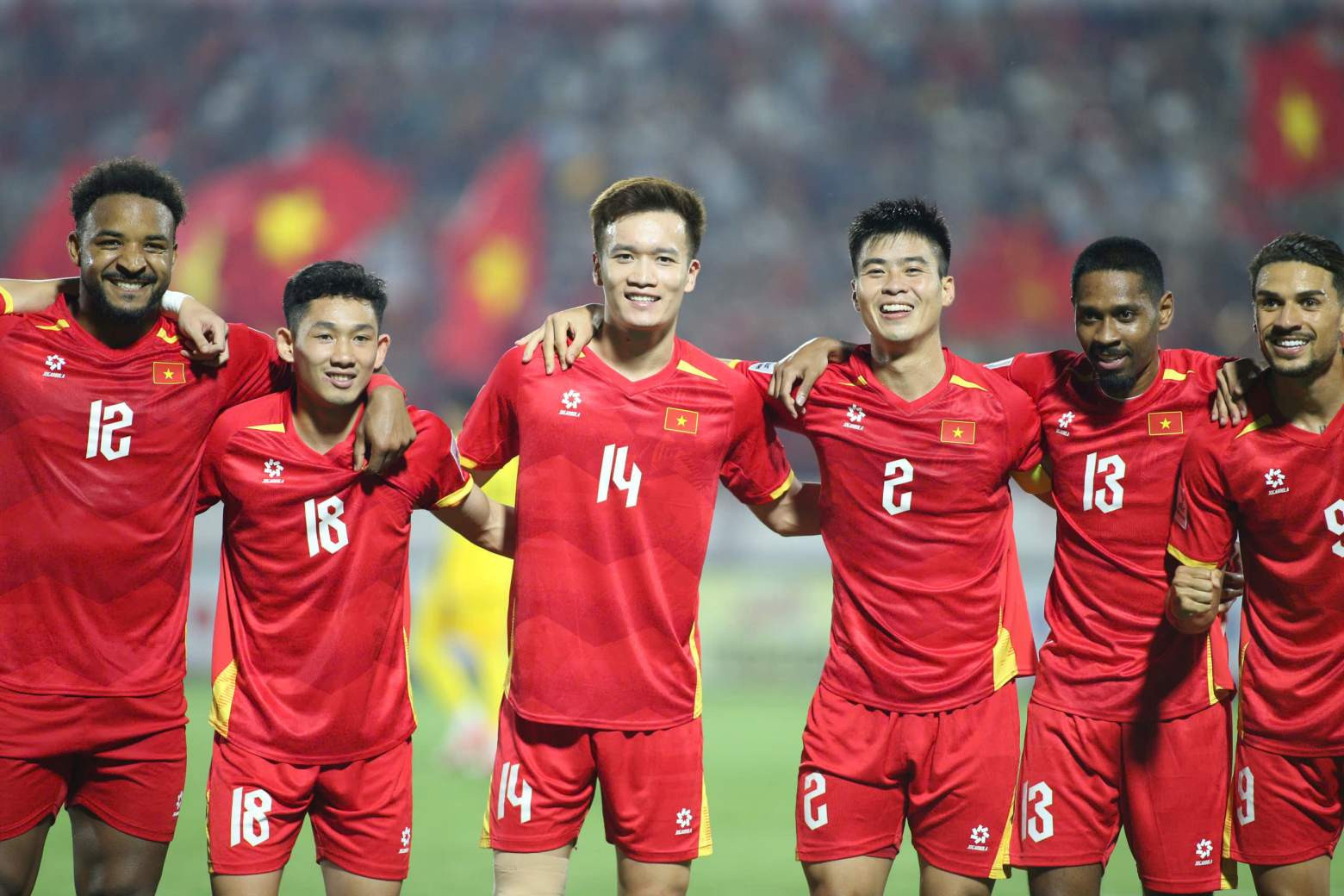
The result not only secured momentum on the pitch but also translated into tangible progress in global standings - an indicator of growing stability and competitiveness.
Across Southeast Asia, the regional hierarchy also saw movement. Thailand edged up three places to reach 93rd in the world, while Malaysia experienced a sharp decline, dropping 17 positions. The fall comes amid squad disruptions and sanctions related to ineligible naturalized players.
Elsewhere, Laos and Myanmar each gained five places, signaling incremental progress, while Indonesia, the Philippines and Singapore remained largely stable, maintaining their positions in an increasingly competitive regional landscape.
On the global stage, a significant change occurred at the summit. France overtook both Argentina and Spain to claim the number one ranking, underlining a sustained run of strong performances and consistency.
For Vietnam, the return to the top 100 carries implications beyond prestige. It improves the team’s seeding prospects in major tournaments, particularly the 2027 Asian Cup, where favorable group placement can influence the path deep into the competition.
More importantly, the ranking serves as a marker of direction - a sign that Vietnamese football is regaining its footing and building toward longer-term ambitions on the continental stage.
Dai Nam
.svg)
