 Vietnamnet.vn

 Podcast



Yet, many smart apps for tourism statistics, customer research and forecasting remain on the shelf. Putting them to work would sharpen tourism management, crisis response and policymaking for sustainable growth.
Robots go mainstream
At the Vietnam National Fine Arts Museum on Nguyen Thai Hoc Street, Hanoi, a robot receptionist has been greeting visitors on the ground floor since mid-June. It fields questions on virtually any artwork or artefact, taps an extensive knowledge base, and even designs an optimal tour based on the visitor’s available time.
Hanoi has been an early mover. Automated audio guides and e-ticketing arrived at the Temple of Literature and Hoa Lo Prison relic, while destinations began promotions on Facebook and YouTube.
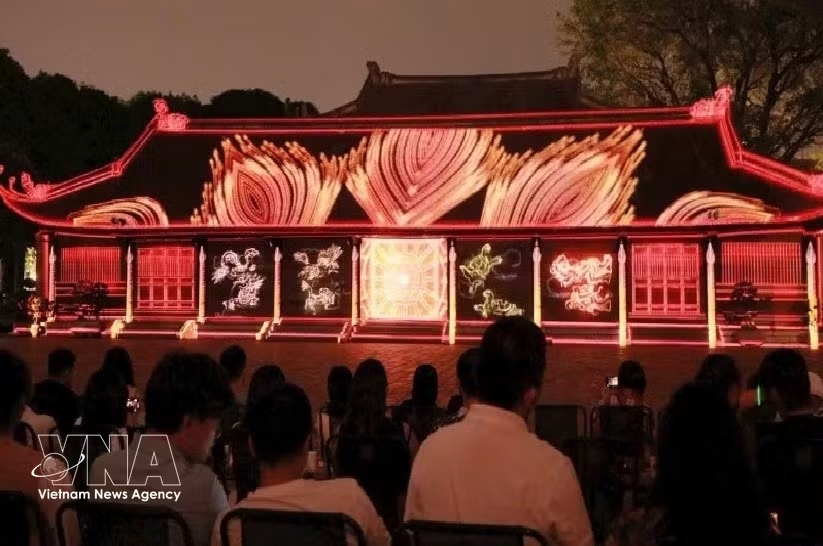
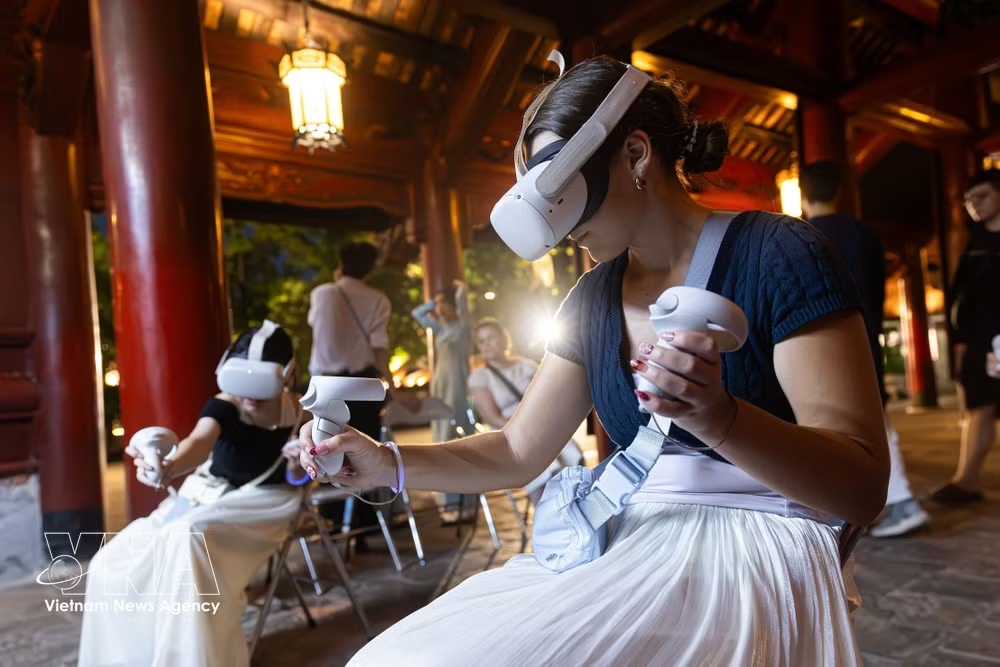
As technology advanced, smart tourism took off. Virtual reality and digital tourism maps now feature at Hanoi Old Quarter, Bat Trang Ancient Village and Phu Dong Temple. 3D mapping projection powers nighttime products like “Decoding the Thang Long Imperial Citadel” and the “Essence of Confucian Learning” tours at the Temple of Literature, creating fresh pull.
Meanwhile, a suite of digital services lets tourists book rooms, order meals and arrange transport from their seats.
Smart tourism apps deliver for managers, agents and travellers alike. Nguyen Huu Viet, Deputy Director of the Hanoi Tourism Information and Support Centre, said the city aims to complete its digital platform by 2030 and make tourism a pillar of its creative economy.
Moving toward “high-level” apps
Chu Duc Quy, General Director of RevPilot (On Hotel Rooms), said Hanoi’s roughly 7,000 lodging facilities lean on international platforms such as Booking.com and Agoda, and pay steep commissions.Dr Nguyen Anh Tuan, Director of the Institute of Tourism Economics, urged Hanoi to build a tourism data centre to standardise information on destinations, events, businesses, visitor behaviour and feedback.
The city should stitch together a seamless smart tourism journey, from search and booking through payment, experience and feedback, while injecting AI into management via data aggregation, predictive charts, multilingual chatbots, automated marketing and customer care, alongside growing digital talent and public-private partnerships, he said.
The data centre will serve as a shared analytics and AI platform, forecasting visitor flows, segmenting markets, reading sentiment and flagging overcrowding. Hanoi could also roll out a multilingual virtual assistant capable of answering questions around the clock.
Nguyen Tran Quang, Deputy Director of the municipal Department of Tourism, said Hanoi is accelerating smart tourism to align with its “Safe – Friendly – Quality – Attractive – Smart” destination brand.
The city will focus on building out a tourism database to link data sharing for state management and development; digitising destinations, heritage sites, craft villages and signature products; and refreshing promotion on digital platforms. It will also set up coordination among state agencies, tech and tourism companies to build a full digital tourism ecosystem./.
.svg)
