 Vietnamnet.vn

 Podcast



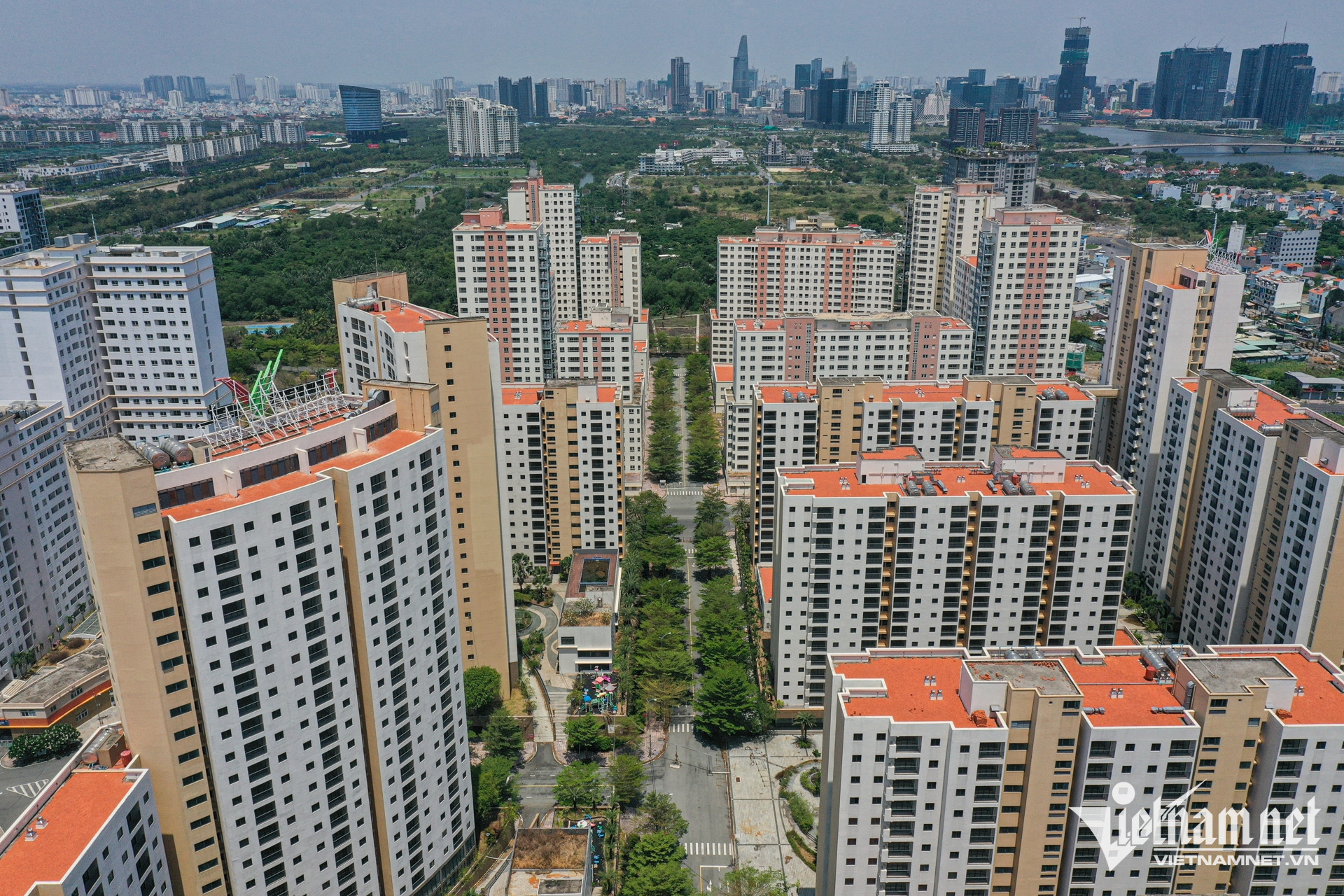
The government has instructed localities to incorporate their assigned social and rental housing targets into annual socio-economic development plans and review projects already included in provincial planning and housing development programs to ensure the targets are met.
For projects where construction has already begun, local authorities must urge developers to concentrate resources on implementation, with the goal of completing them in 2026.
At the same time, localities have been asked to study measures and instruct social housing developers to increase the proportion of units offered for rent and lease-purchase while reducing the share available for outright sale.
The government also instructed provinces and cities to allocate sufficient land for social and rental housing in convenient locations with adequate technical and social infrastructure.
Authorities should establish mechanisms to encourage investors that already have cleared land consistent with planning requirements, adequate technical and social infrastructure and sufficient financial capacity to propose projects and be selected as developers in accordance with regulations.
Provincial-level People’s Committees have also been told to accelerate administrative reforms and place social and rental housing projects on “green lane” or “priority lane” procedures.
Processes involving investment, land, planning, construction and environmental requirements should be carried out simultaneously and in parallel to accelerate project implementation.
Tran Thuong
.svg)
