 Vietnamnet.vn

 Podcast



At a nationwide conference on the morning of October 16, the Politburo and Secretariat convened officials to study, discuss and implement the resolution adopted at the fourth plenum of the 14th Communist Party of Vietnam Central Committee.
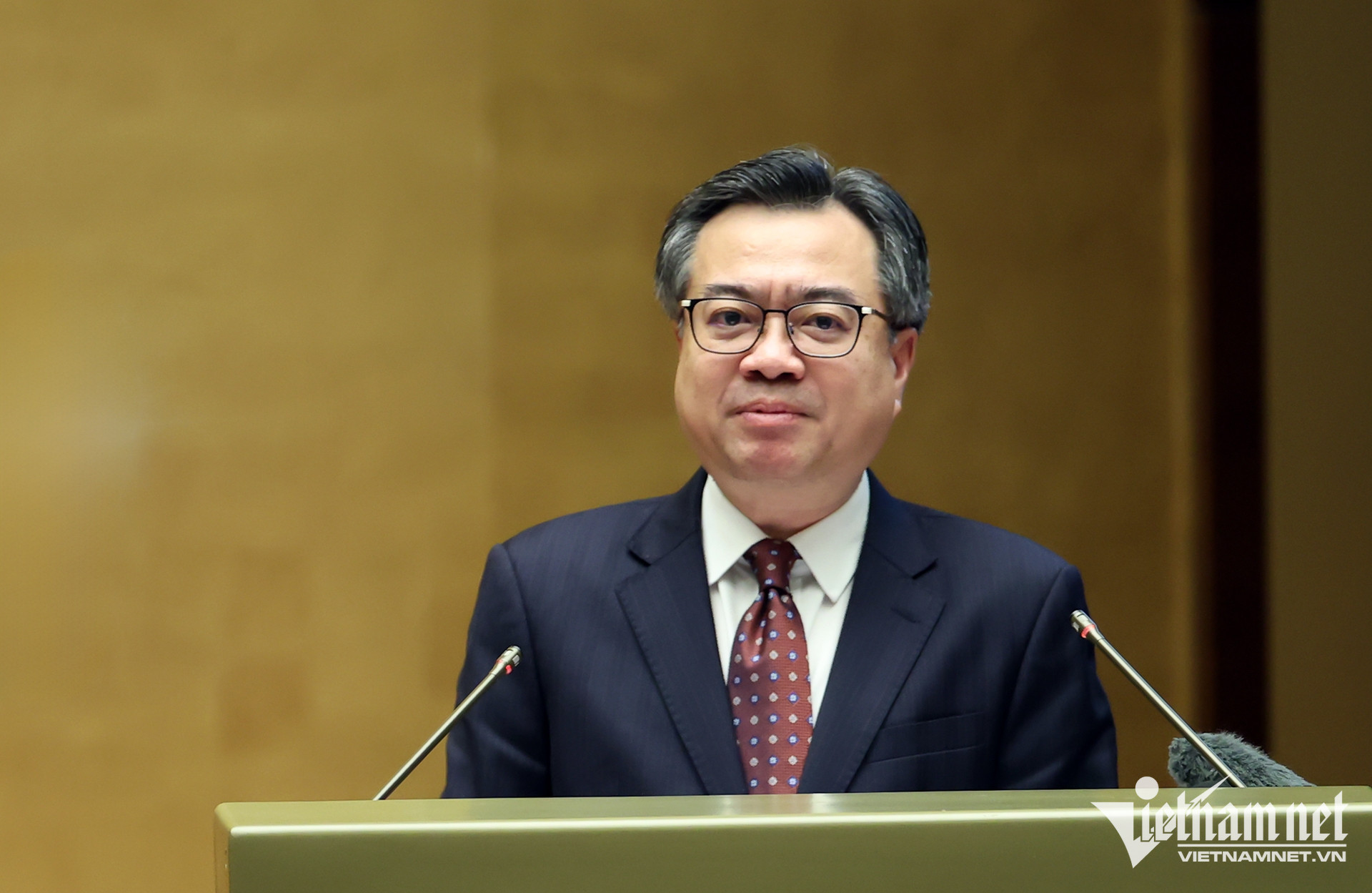
Nguyen Thanh Nghi, Head of the Party Central Committee's Commission for Policies and Strategies, presented Regulation No. 224 on investment and business activities involving Communist Party members.
Nghi acknowledged that party members' participation in private-sector development remains below expectations. Of the Communist Party's more than 5.6 million members, only 3.31% are engaged in private economic activities.
The private sector plays an important role in Vietnam's economic development. The Party has identified it as one of the most important drivers of growth, a position reaffirmed in the resolution of the 14th National Party Congress and Politburo Resolution No. 68.
According to Nghi, Regulation No. 224 was developed around five major policy principles.
The first is a shift in mindset from merely "allowing" party members to engage in business to actively "encouraging and facilitating" their use of legitimate capabilities and resources. The regulation also expands opportunities for certain groups of party members working in the public sector, subject to specific conditions.
The second principle replaces the traditional distinction between activities that are permitted and prohibited with a three-tier framework: activities that are permitted, activities permitted under conditions and supervision, and activities that remain prohibited. Conflict-of-interest controls are central to this approach.
The third moves the focus of oversight beyond whose name appears on business registration documents to actual ownership, controlling interests and economic benefits.
The fourth seeks to encourage party members' contribution to economic development while preserving the Party's fundamental principles.
Party members granted broader investment and business rights must uphold ethical standards, demonstrate integrity in public service and set an example through their conduct. They must not exploit official positions, authority or public resources for personal gain.
Their participation in business activities must not alter the Party's working-class character. The regulation also emphasizes strengthening Party organizations in the non-state sector and maintaining integrity in public administration.
The fifth principle requires consistency between Party regulations and state legislation, together with appropriate transitional provisions.
Investment and business conditions for six groups of party members
Nghi outlined the investment and business rights applicable to six categories of Communist Party members.
Party members outside the public sector: Party members working outside the public sector may undertake all investment and business activities covered by Regulation No. 224, as well as other activities not prohibited by law, without seeking approval from their Party organizations.
However, Nghi stressed that those assigned public duties must not exploit their Party membership, Party positions or relationships with competent agencies, organizations and individuals to gain unfair advantages, improperly influence decisions or advance personal or group interests.
They are also prohibited from handling matters involving unmanaged conflicts of interest or engaging in activities that adversely affect their assigned public responsibilities.
Party members who are public officials and civil servants: Party members who are public officials or civil servants may undertake professional activities, generate income from their assets and make investments without prior approval, provided they do not establish economic organizations, exercise controlling interests or participate in management and operations.
Those who are not under the personnel management of the Politburo or Secretariat and do not hold positions presenting a high risk of conflicts of interest are granted broader rights.
They may invest in establishing economic organizations or acquire controlling interests, but must obtain approval.
The regulation makes clear that all public officials and civil servants are prohibited from participating in the management or operation of investment ventures.
Stricter restrictions apply to officials working in positions or sectors with a high risk of conflicts of interest, as well as officials whose appointments and personnel management fall under the authority of the Politburo or Secretariat.
These individuals are prohibited from investing in the establishment of economic organizations, holding controlling stakes or participating in their management and operations.
Party members who are public employees: Party members classified as public employees may undertake professional activities, earn income from their assets and make investments without prior approval, provided they do not establish economic organizations, exercise controlling interests or participate in management and operations.
Public employees who do not work in positions or sectors with a high risk of conflicts of interest may also establish economic organizations or hold controlling interests, provided they do not participate in their management or operations.
For activities requiring approval, the regulation allows public employees who do not hold managerial positions and are not exposed to a high risk of conflicts of interest to participate in business management and operations.
This permission also covers cases in which they establish economic organizations or exercise controlling interests.
However, such activities must not interfere with their professional responsibilities, assigned duties or the quality of public services.
Party members serving in the military and public security forces: Party members serving in the Vietnam People's Army or People's Public Security may undertake professional activities, generate income from their assets and make investments without prior approval, provided they do not establish economic organizations, exercise controlling interests or participate in management and operations.
Those who do not hold positions involving a high risk of conflicts of interest may receive approval to establish economic organizations or acquire controlling interests, but they are not permitted to manage or operate those entities.
All such activities must safeguard state secrets and confidential operational information and must not undermine national defense or security.
Party members serving in positions or sectors with a high risk of conflicts of interest are prohibited from establishing economic organizations, making controlling investments or participating in management and operations.
During their service, they are also barred from managing or operating economic organizations unless specifically assigned to do so by competent authorities.
Party members managing state-owned enterprises or representing state capital: Party members serving as managers of state-owned enterprises or representatives of state capital may undertake professional activities and generate income from their assets.
They may also make investments that do not involve establishing economic organizations, exercising controlling interests or participating in management and operations.
In addition, they may purchase, receive and hold shares or capital contributions and exercise shareholder or membership rights in enterprises where they serve as managers or state capital representatives, in accordance with the law.
Party members who have left office, public service or retired: Party members who have left their positions, ceased working or retired and are no longer employed in the public sector may undertake the same investment and business activities as party members outside the public sector.
Exceptions apply to activities restricted by law because of their connection to sectors or responsibilities previously overseen by those individuals, within the legally prescribed scope and time limits.
Party members who leave a particular position but continue working in the public sector must exercise their rights and fulfill their obligations according to their new positions and responsibilities.
They must also comply with restrictions relating to sectors and duties they previously supervised.
The new regulation therefore encourages former public-sector party members, including retirees, to use their professional expertise, experience, knowledge and legitimate resources to establish businesses, invest, conduct research and pursue innovation.
Such activities are intended to contribute to Vietnam's broader socioeconomic development.
Principles governing party members' investment and business activities: Party members engaging in investment and business activities must comply with the law and observe all prohibitions applicable to Communist Party members.
They are expected to fulfill their obligations and responsibilities toward the state, society, the environment, employees and consumers.
They must also maintain business ethics, promote a healthy business culture and practice responsible business conduct.
Party members' ownership rights, property rights and other legitimate rights and interests are protected under the law.
Those holding multiple positions, performing different duties or belonging to more than one regulated category must comply with the restrictions applicable to each position, responsibility and category.
These requirements are intended to ensure effective conflict-of-interest controls and protect state secrets and confidential work-related information.
Party members working in the public sector are prohibited from improperly using state assets, information, data, personnel, research findings or other public resources to support investment or business activities benefiting themselves, related individuals or interest groups.
They are also barred from investing in economic organizations or sectors over which they exercise direct decision-making or management authority.
In all cases, their investment and business activities must not interfere with the fulfillment of their assigned official duties and responsibilities.
Tran Thuong
.svg)
