 Vietnamnet.vn

 Podcast



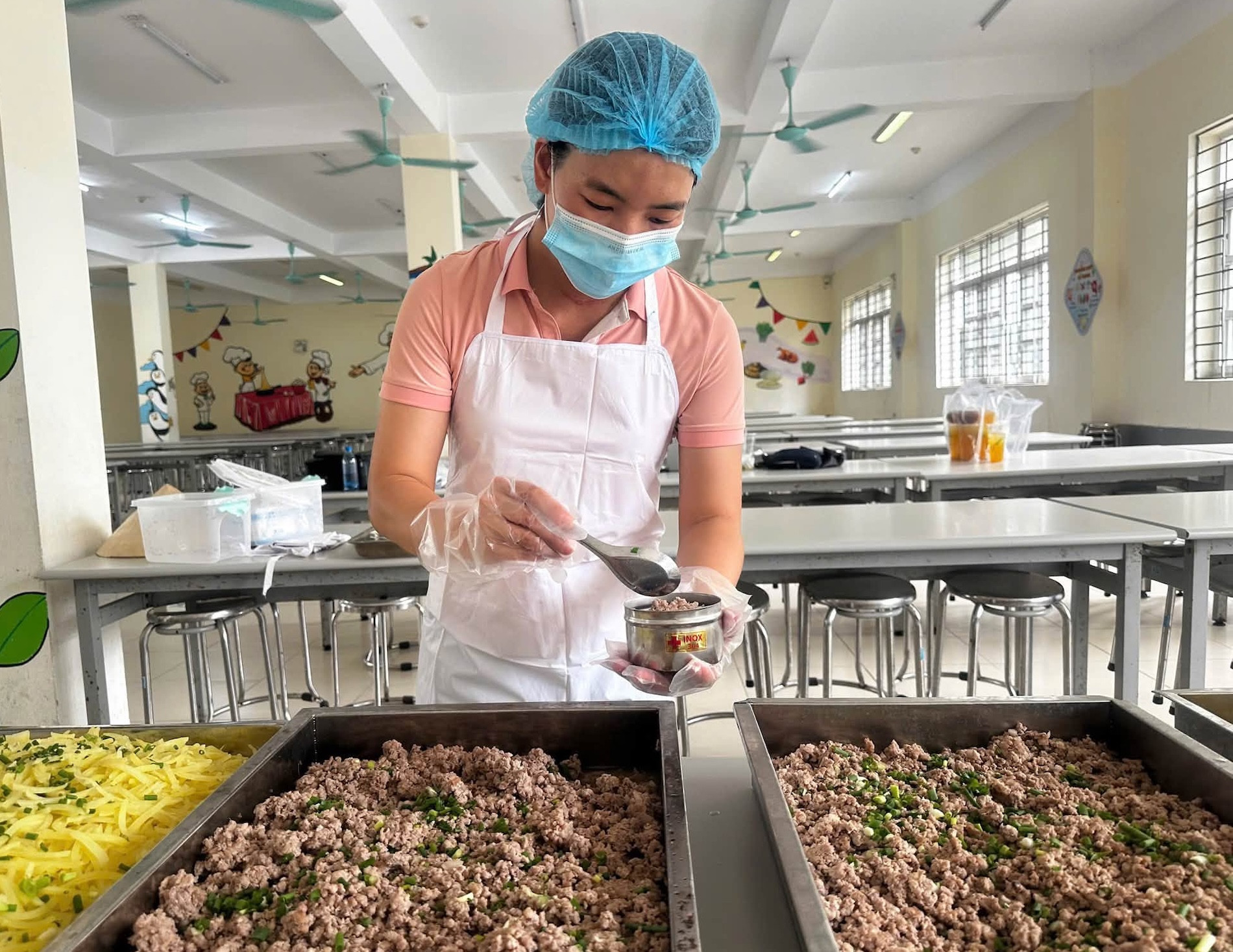
Since the beginning of the 2026-2027 academic year, a number of provinces and cities have reported complaints and incidents involving the organization of school meals, ranging from food quality and portion sizes to delivery schedules, inspections and supervision.
Representatives of the Ministry of Education and Training also raised the issue at a recent conference reviewing and assessing several key tasks at the start of the academic year for preschool and general education.
According to the ministry, its approach to school meals has shifted from simply requiring schools to "provide meals" to "managing safety and quality throughout the entire meal supply chain."
School meals are a major issue given their scale nationwide. Currently, 96.8% of preschool education institutions provide meals for children staying at school during the day, while about 55% of general education schools provide meals for students.
The ministry said many education institutions have developed age-appropriate menus and arranged suitable numbers of meals and meal times. They have also involved parents in monitoring the process, from food delivery and preparation to the quality of meals served to students.
However, the new management approach sets a higher standard: schools must not only ensure that students are provided with meals, but also manage safety and quality throughout the entire meal supply chain.
The Ministry of Education and Training is now drafting regulations governing meals for students staying at preschool and general education institutions either during the day or overnight, with the rules expected to be issued soon.
Thanh Hung
.svg)
