 Vietnamnet.vn

 Podcast



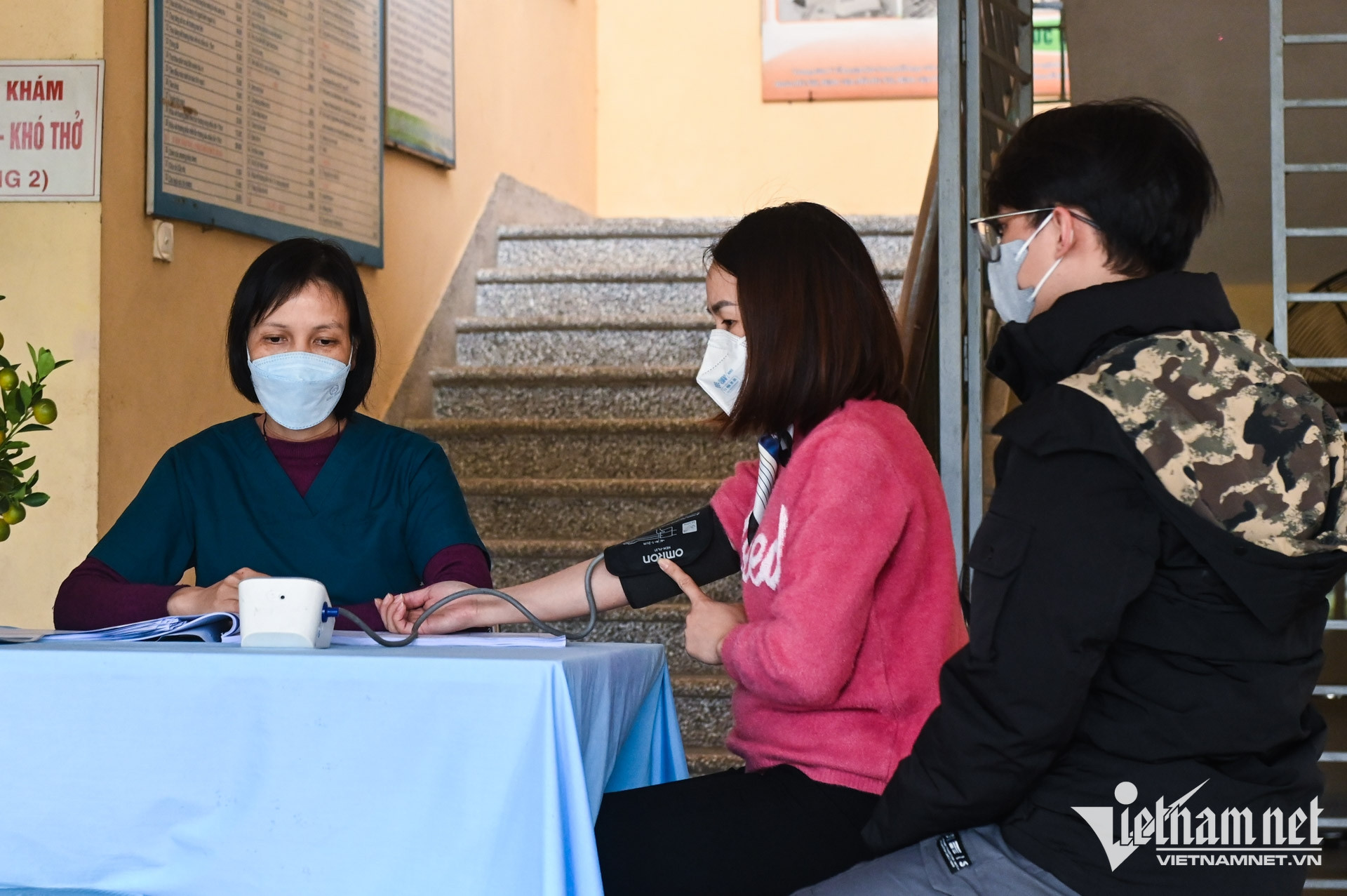
On September 17, the Politburo and the Secretariat held a national conference to implement four key resolutions, including Resolution 72 on breakthrough solutions to enhance public healthcare.
Long recently presented key points of Resolution 72 and the government's action plan. “Resolution 72 is not a replacement but an integrated continuation of the Party’s stance on healthcare. However, it highlights some distinct and specific approaches,” he said.
“Specifically, we view public health care more comprehensively, from factors like health, diet, to exercise. Combining these factors results in a healthy individual, and when individuals are healthy, illnesses tend to decrease. This is one of the key highlights of Resolution No 72,” he added.
The resolution outlines five guiding principles, emphasizing that protecting and improving public health is a top political priority and a key development driver. It is a shared responsibility of the entire political system, society, and every citizen.
Citizens are positioned as the central focus, receiving top priority in policymaking aimed at improving physical and mental health, stature, life expectancy, and years of healthy living, with equal and fair access to healthcare services.
Long also stressed the need to invest in developing a balanced and high-quality healthcare workforce with strong ethics and competence. Special incentive policies should be applied for healthcare professionals, especially in remote and disadvantaged areas.
Under the resolution, targets by 2030 include improving physical and intellectual development, increasing average height of children and youth (ages 1-18) by at least 1.5cm, and raising life expectancy to 75.5 years, with at least 68 years of healthy living.
Starting in 2026, citizens will receive free annual health checkups or screenings, along with electronic health records for lifelong care management, gradually reducing out-of-pocket costs.
By 2030, basic hospital fees will be waived within the health insurance coverage package. One hundred percent of commune-level health stations will be equipped with proper facilities, medical equipment, and staffing. By 2027, each station will have at least 4-5 doctors, with health insurance-based treatment at these facilities exceeding 20 percent.
Health insurance coverage is expected to reach over 95 percent of the population by 2026, and universal coverage by 2030, alongside the development of other types of health insurance.
By 2045, Vietnam aims to offer a high-quality living environment and health indicators on par with developed nations in the region and globally. Life expectancy will surpass 80 years, with healthy living years exceeding 71. Youth will have comparable physical attributes to peers in similarly developed countries. The healthcare system will be modern, equitable, prevention-focused, and responsive to diverse public health needs.
Implementation
Long said while the resolution mentions many targets, three key issues are of particular public concern, especially whether the government has sufficient resources to implement the tentative policy.
Regarding occupational allowance policies (ranging from 70 to 100 percent of salary) for healthcare workers at public facilities in remote, mountainous, and underserved areas, this is expected to cost VND4,335 billion per year, which is higher than current levels but considered manageable.
As for regular checkups and screenings, with an estimated population of 100 million (actual is around 106 million), and a cost of VND300,000 per person, the total would be VND30,000 billion annually. For the 16 million workers whose employers cover this cost, around VND4,800 billion total would be deducted. Therefore, the state would need to cover roughly VND25,200 billion.
Regarding basic hospital fee waivers, Long noted that other countries take different cautious approaches, such as using tax funds or offering support to qualifying individuals through health insurance channels.
He stressed that these are just estimates based on the 2024 data. The Health Insurance fund would pay VND140 trillion, while patients would pay VND21.545 trillion.
“If we start from 2026 and assume full coverage, the state would need to pay a maximum of VND21,545 billion per year. Currently, the Health Insurance fund has a balance of VND49-50 trillion, which is enough to cover the first two years. After that, we’ll need to gradually increase health insurance contributions to maintain balance,” Long said.
He concluded that these are detailed cost estimates, and the Ministry of Health and the government have conducted calculations, deeming them feasible in the near future.
Tran Thuong - Pham Hai
.svg)
