 Vietnamnet.vn

 Podcast


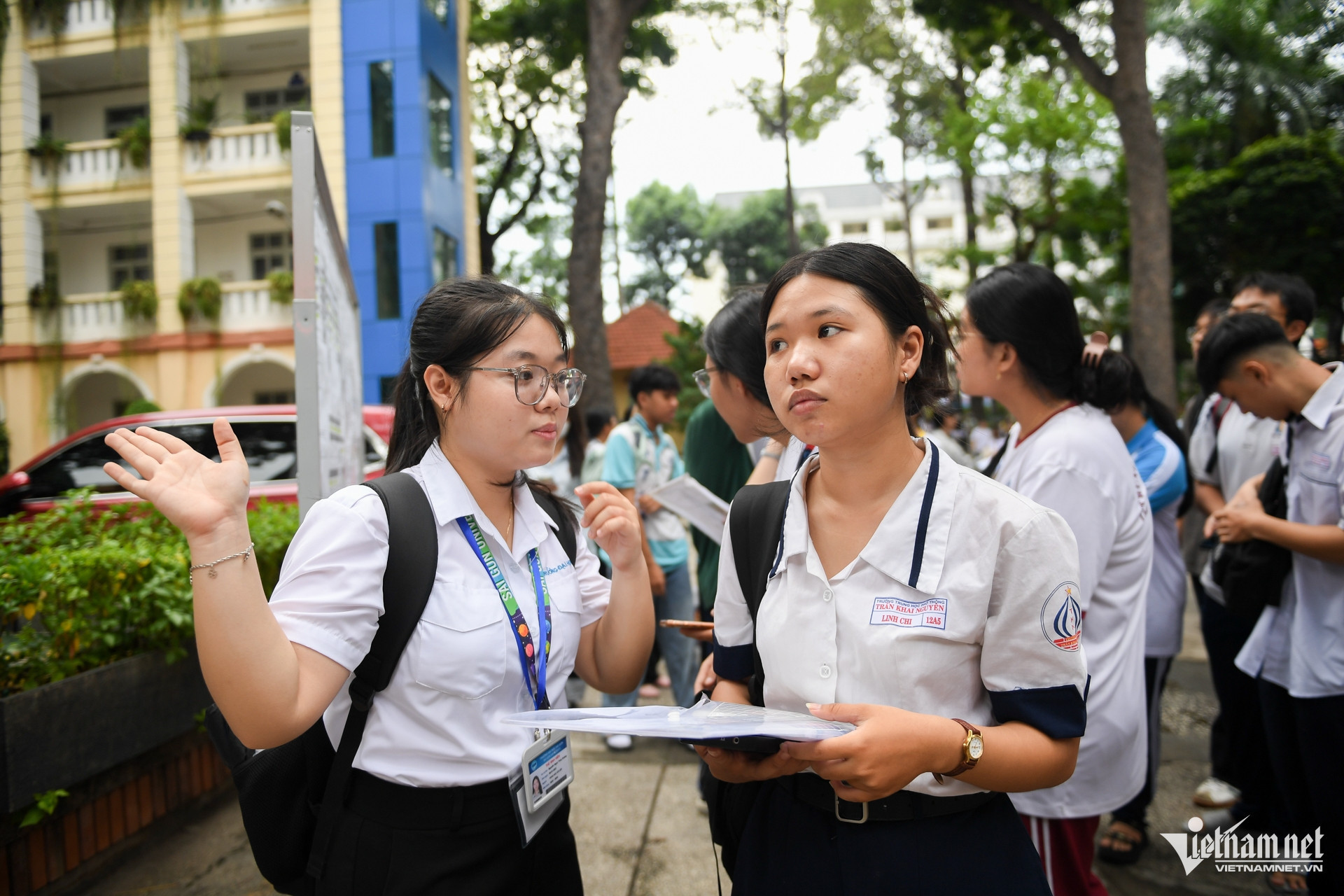
Under the new regulations, higher education institutions may use a maximum of five admission methods overall.
Each academic program and mode of study will be limited to three admission methods from 2027 and two from 2028, excluding direct admission and admission under the government's nomination scheme.
Institutions must specify the weight assigned to each component used to calculate admission scores under each method.
They must also publicly disclose evaluation and selection criteria, scoring formulas and admission procedures.
The regulations require a single admission scoring scale and equal admission conditions for applicants, except those eligible for direct admission.
Universities that awarded bonus points under their admission methods in 2026 or earlier may continue doing so in 2027.
However, the total bonus points must not exceed 0.5 on a 30-point scale, and institutions must provide justification for their use.
From the 2028 admission cycle, universities will no longer be permitted to award bonus points in admissions.
Nevertheless, applicants may still have their IELTS scores converted into foreign-language subject scores if the university concerned accepts such conversions.
This means IELTS certificates will not necessarily lose their role in university admissions, even though the additional bonus points previously awarded for them will be eliminated.
Less paperwork for university applicants
The circular also introduces measures to increase transparency and reduce administrative procedures for prospective students.
Higher education institutions must publicly announce and comply with their published admission information, including eligible applicants, admission requirements, recruitment sources, selection methods, minimum entry thresholds, score conversion rules and any supplementary criteria.
Institutions must be accountable to applicants, state management agencies and the public for their admission policies and implementation.
The regulations require universities to make greater use of admission databases and the national population database to minimize paperwork throughout the application and enrollment process.
Institutions must not require applicants to resubmit documents, certificates or examination results that are already complete and valid in the national admissions data system.
Exceptions apply when information is incomplete, has not been updated or requires verification under existing regulations.
Universities are also prohibited from collecting additional admission application fees in any form from candidates who have already registered and paid through the centralized admissions system.
Greater accountability in enrollment quotas and postgraduate training
Regarding enrollment quotas, higher education institutions retain autonomy in determining student intake numbers but must take responsibility for their decisions and meet accountability requirements.
Lecturers included in calculations of institutional training capacity must fulfill their assigned teaching obligations and required teaching hours.
Their income must also be verifiable through information recorded in the relevant education database.
For master's programs, student intake must not exceed the institution's training capacity for each group of academic disciplines.
For teacher education and health-related programs, however, capacity limits must be determined separately for each individual discipline.
The circular also specifies that master's programs may be delivered through full-time and continuing education formats.
Students receiving government scholarships under Decree 179/2026/ND-CP must enroll in full-time programs and devote their time to study and research in accordance with their institution's academic plans.
They must participate in professional and academic activities and are not permitted to work full-time for another agency or organization during their studies.
Thanh Hung

