 Vietnamnet.vn

 Podcast



A year of volatility and breakthrough
Speaking at the year-end review conference of the Ministry of Industry and Trade on December 19, Deputy Minister Phan Thi Thang emphasized that 2025 was a challenging year for Vietnam’s economy and the trade sector, due to significant global volatility.
The world economy maintained growth, but still lagged behind pre-COVID-19 levels.
Trade tensions and rising protectionism worsened the situation, while global supply chains continued to be vulnerable to geopolitical instability and climate change.
Vietnam’s key export markets recovered slowly. Notably, the United States, Vietnam’s largest export destination, implemented retaliatory tariffs, posing considerable obstacles for an economy with high trade openness.
USD 470 billion in exports, trade surplus of USD 22 billion
Despite these external headwinds, Vietnam’s import-export activity in 2025 showed positive results.
Total trade turnover is estimated at USD 920 billion, a new national record, pushing Vietnam into the ranks of the world’s 15 largest trading powers.
Exports are expected to reach USD 470 billion, a 16% increase over 2024.
The trade surplus for 2025 is projected at USD 22 billion, contributing to the strengthening of foreign reserves, exchange rate stability, and macroeconomic indicators.
Deputy Minister Thang highlighted that from 2021 to 2025, export turnover grew an average of 10.8% per year, far exceeding the initial target of 5%.
This period saw a positive structural shift toward modern and sustainable trade, with export products becoming increasingly diversified.
Vietnam’s trade balance remained consistently positive across all five years.
For instance, the country posted a surplus of USD 3.19 billion in 2021, rising to an expected USD 22 billion in 2025, making a significant contribution to GDP growth, macroeconomic stability, inflation control, and balance of payments improvement.
Challenges: Heavy reliance and low value-added
Despite these achievements, Deputy Minister Thang pointed out several vulnerabilities in Vietnam’s export structure.
The rapid growth in exports remains unsustainable, heavily influenced by external factors.
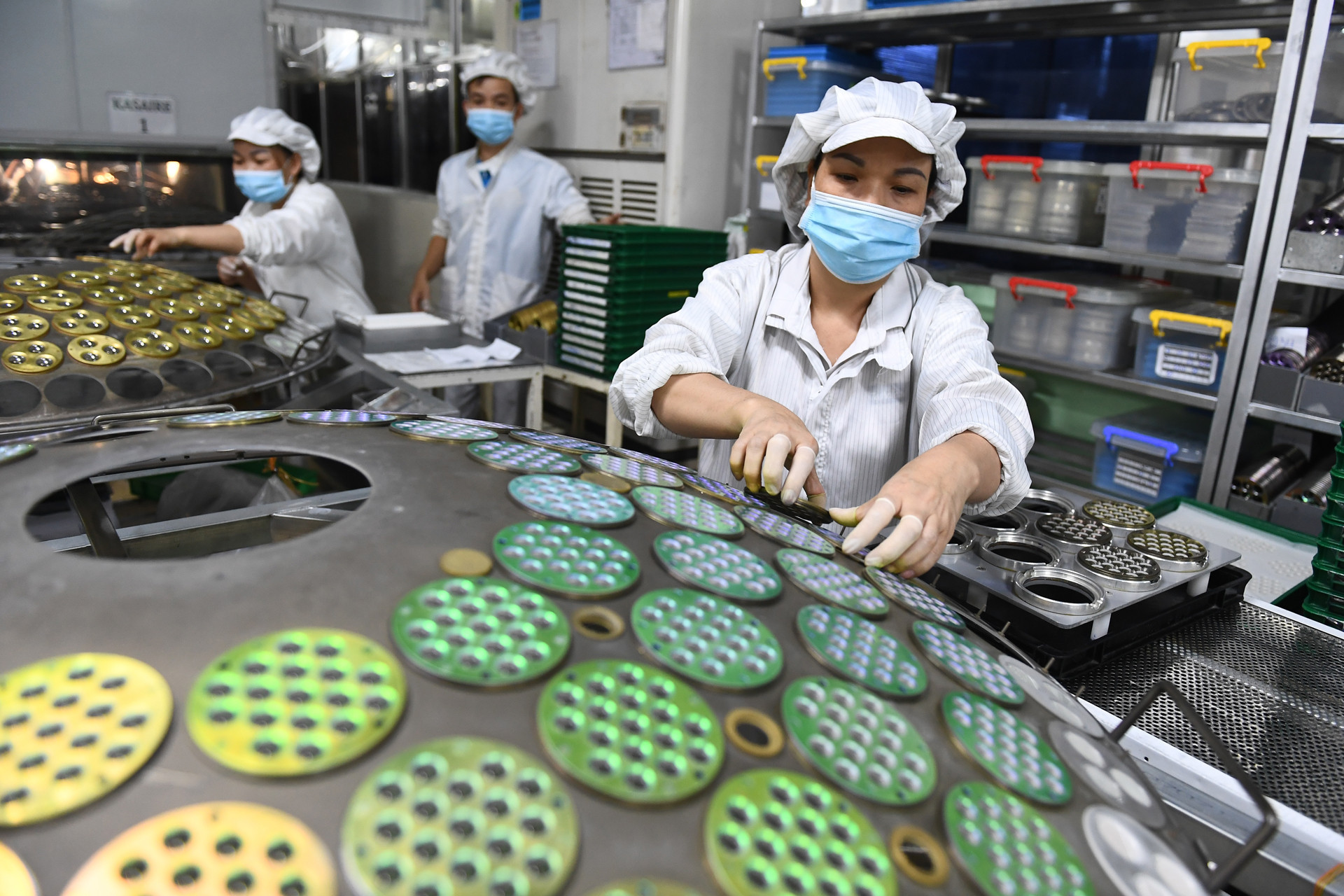
Foreign-invested enterprises (FDIs) account for a large share of export turnover, but their integration with domestic supply chains remains limited, offering minimal spillover effects to Vietnamese firms.
Exports still depend heavily on a handful of major markets.
In addition, Vietnam’s key exports to markets like the EU and the US are facing increasing pressure from trade defense investigations, origin fraud scrutiny, and technical barriers related to environmental standards, sustainability, and the green transition.
The value-added content of exports remains below expectations, especially in high-tech and branded goods.
On the import side, the market structure has been slow to shift toward technology-source countries.
Vietnam still runs a trade deficit with many Asian countries, importing largely intermediate goods rather than core technologies that could support the country’s industrialization process.
Currently, the entire trade surplus is driven by FDI companies, not domestic firms, Deputy Minister Thang stressed.
Tam An
.svg)
