 Vietnamnet.vn

 Podcast



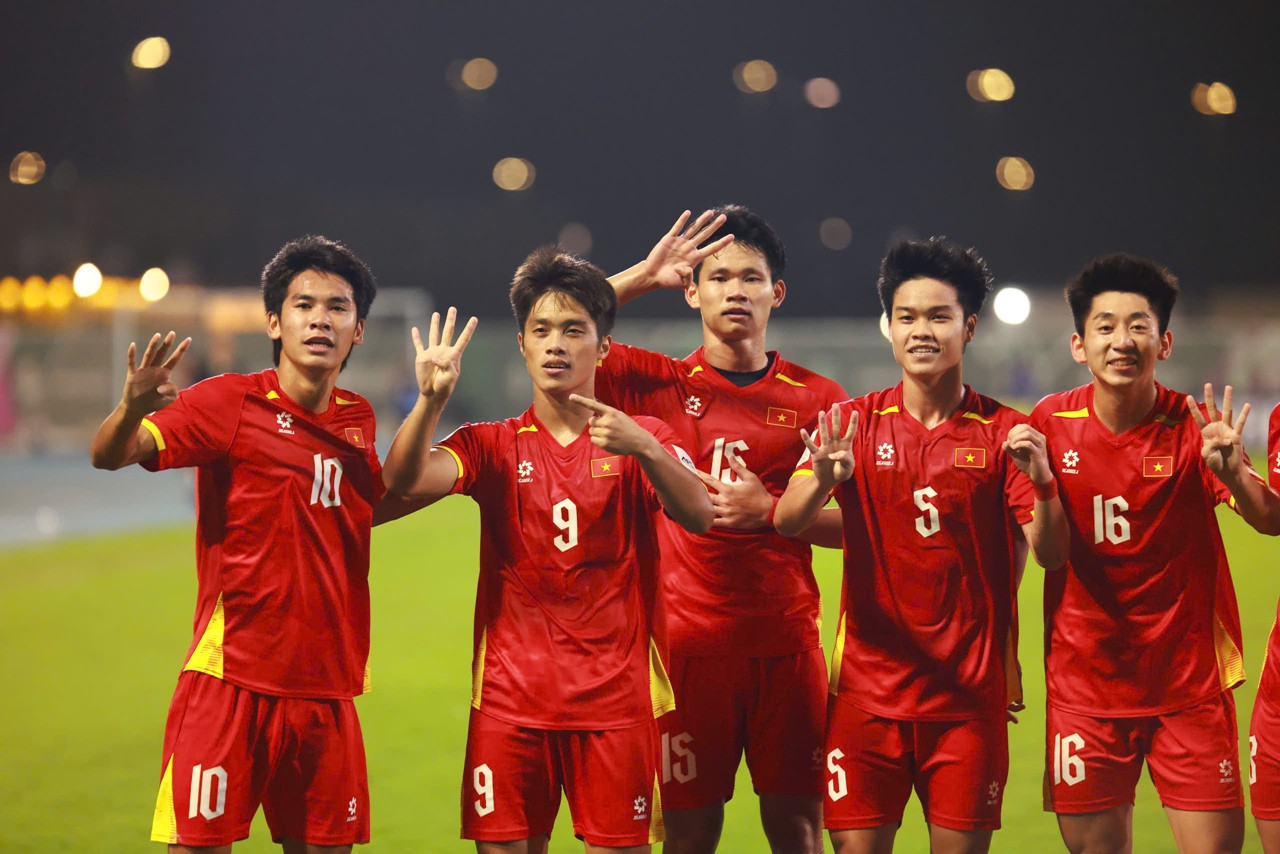
Head coach Kim Sang Sik’s intention to field a strengthened U23 Vietnam squad for the upcoming Asiad is both logical and understandable, particularly as Vietnamese football continues to pursue multiple objectives where results remain a priority.
Looking more broadly, assembling the strongest possible U23 lineup - still within age regulations - supplemented by three high-quality overage players, would significantly enhance the team’s chances of competing for a medal for Vietnam’s sports delegation.
This ambition is far from unrealistic. It is grounded in the team’s recent success, having secured third place at the AFC U23 Championship 2026.
For any coach, maintaining continuity and capitalizing on a generation of players reaching their peak is a natural priority. Should Kim Sang Sik achieve a podium finish at the Asiad, he would undoubtedly cement his place as a new icon in the eyes of Vietnamese football fans.
A question of direction
Yet the issue extends beyond a simple right-or-wrong decision. It reflects a deeper uncertainty about long-term direction.
In previous years, when Philippe Troussier boldly promoted younger players to the national team and U23 squad, the approach faced heavy criticism. A series of disappointing results led many to question the strategy of youth development he pursued.
At competitions such as the SEA Games and the 2023 Asiad, the use of younger players like Nguyen Thai Son, Nguyen Dinh Bac, and Khuat Van Khang did not deliver the expected outcomes. The lack of success further intensified skepticism.
However, a striking contradiction has since emerged. The same group of players once labeled as inexperienced has matured significantly, contributing to notable achievements for Vietnamese football during the 2025–2026 period.
This evolution underscores a fundamental truth: developing young talent requires time, patience, and often, difficult trade-offs.
Between present success and future growth
The current dilemma lies in choosing between immediate results and long-term development.
Focusing resources on a strong U23 squad to pursue an Asiad medal could limit opportunities for younger U20 and U21 players to gain valuable international experience. Previously, the tournament had been viewed as a platform for learning and preparation for longer-term goals such as Olympic qualifiers or the 2027 SEA Games.
There is no definitive answer to this challenge.
Opting for the safest route with the strongest available squad may increase the likelihood of success in the short term. However, it also requires accepting a degree of compromise when it comes to future development.
That is why Kim Sang Sik’s decision, while far from misguided, continues to provoke debate - reflecting the delicate balance between ambition today and sustainability tomorrow.
Duy Nguyen
.svg)
