 Vietnamnet.vn

 Podcast



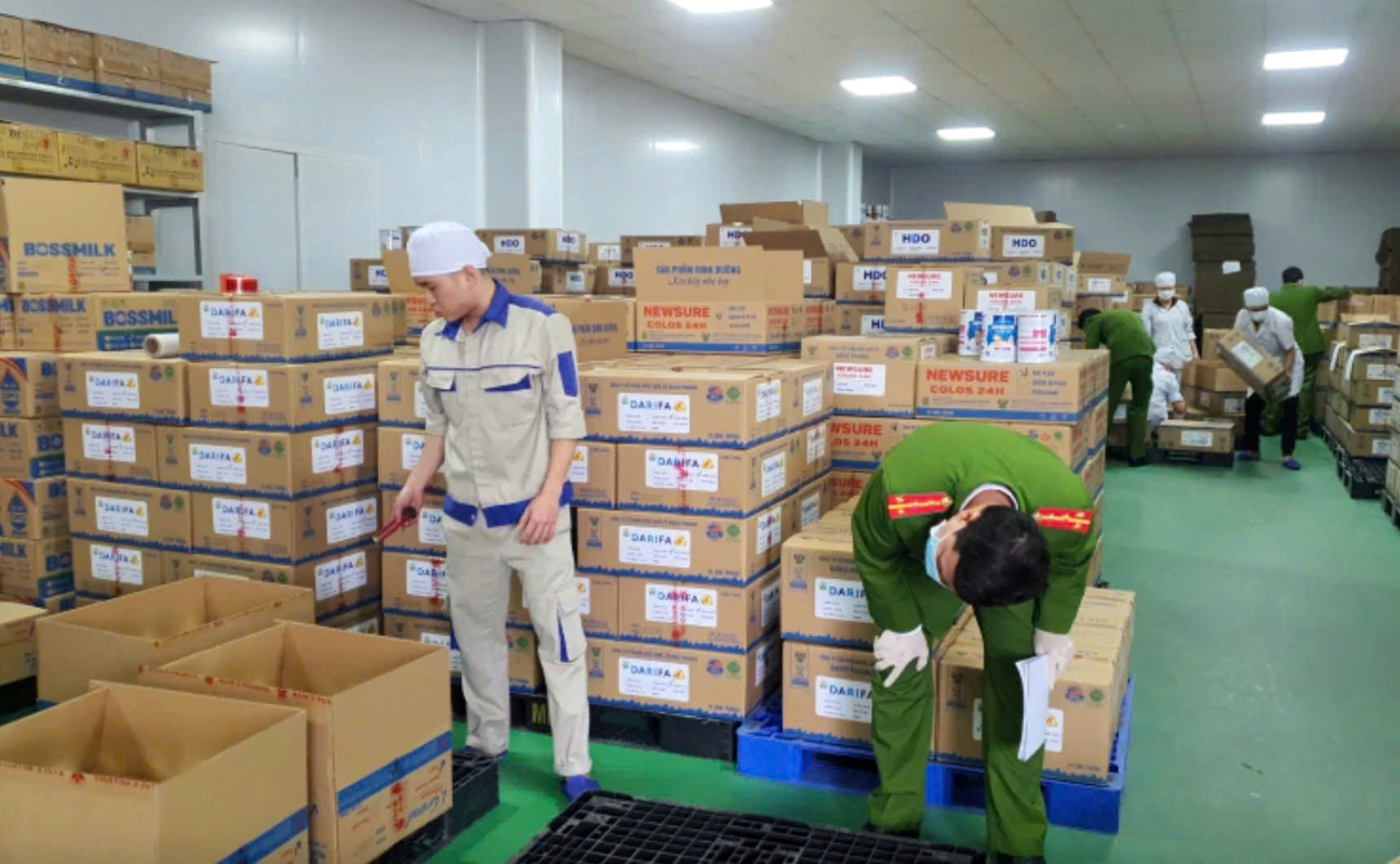
Food safety in Vietnam reached a crisis point in 2025, as authorities uncovered two of the largest counterfeit milk scandals ever recorded, involving hundreds of fake product lines and massive profits at the expense of public health.
573 counterfeit milk brands: A sprawling fake milk ecosystem
On April 12, the Ministry of Public Security announced the dismantling of an expansive counterfeit powdered milk network operating across Hanoi and neighboring provinces.
Investigators have arrested and charged two masterminds along with six accomplices for “producing and trading counterfeit food” and “violating accounting regulations causing serious consequences.”
Initial findings revealed that since August 2021, taking advantage of the rising domestic demand for nutritional supplements and powdered milk, Vu Manh Cuong and Hoang Manh Ha had established Rance Pharma and Hacofood Group, which were used as fronts to manufacture and distribute fake milk products.
The network released a staggering 573 different fake milk brands, many of which were falsely advertised as specialized formulas for diabetics, kidney disease patients, premature infants, underweight children, and pregnant women.
The packaging and labels boasted "premium ingredients" such as bird’s nest extract, cordyceps, macadamia powder, and walnut powder.
However, testing revealed that many of the advertised ingredients were completely absent, and quality indicators were below 70% of the declared standards - meeting the legal criteria for counterfeit goods.
To legitimize their products, the companies submitted product registration and self-declaration files across multiple provinces. In Hoa Binh alone, four companies within this fake milk “ecosystem” submitted 305 self-declaration dossiers in just three years. In Hanoi, 71 products were registered.
In Vinh Phuc province, health authorities confirmed that the Vinh Phuc branches of Rance Pharma and Hacofood Group had submitted 215 product registration files between 2021 and 2023. Of these, Rance Pharma filed 145, and Hacofood Group filed 70.
Since 2024, Vinh Phuc’s Department of Health has not accepted any new dossiers from the two companies. Officials insisted that previous approvals had followed proper procedures based on documents submitted by the businesses - highlighting critical weaknesses in post-market surveillance.
The HIUP milk scandal: A betrayal of parental trust
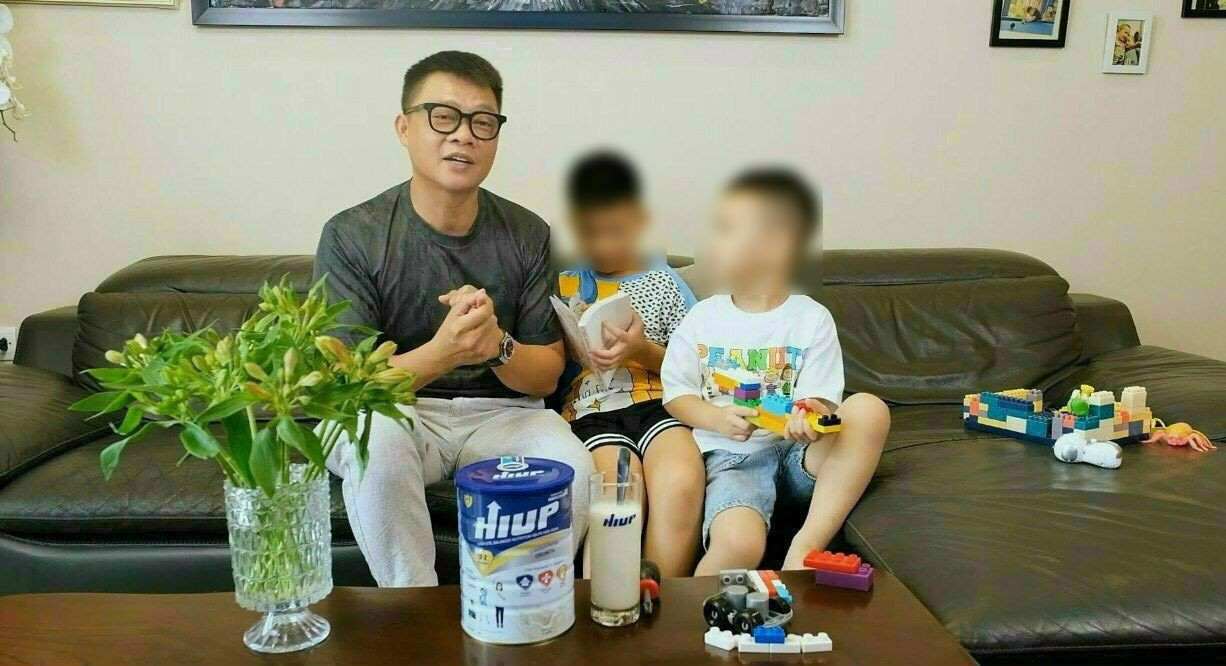
On June 19, police dismantled another counterfeit food network centered on Z Holding Company, which produced 26 types of fake milk, primarily targeting children and diabetics.
Among the most notorious was HIUP 27, marketed as a height-enhancing formula. It was promoted with bold claims such as “grow 3–5 cm in 3 months” or “relieve constipation in 3 days.” Influencers and celebrities enthusiastically endorsed the product in videos, claiming visible results from their own children’s use.
Before it was exposed as a fake, HIUP 27 repeatedly denied negative claims, asserting that its products were manufactured in certified factories and backed by lab test results and product registrations.
The revelation left many parents shocked and outraged, feeling deceived and fearing the impact on their children’s health. Several public figures issued apologies, claiming they too had been misled by the seemingly legitimate legal and testing documents provided by the company.
The illegal revenue generated by the HIUP scam network was estimated at 2.436 trillion VND (approx. 100 million USD).
Regulatory loopholes and calls for reform
According to the Vietnam Food Administration, under Decree 15/2018, most food products in Vietnam can be self-declared by the business without prior approval from authorities. Only certain product categories, such as infant nutrition or medical dietary foods, require formal registration.
While this mechanism is intended to streamline commerce, it has enabled bad actors to bypass scrutiny, using fake or misleading paperwork to introduce dangerous or substandard products to the market.
Local governments are responsible for accepting and processing these registrations. However, no agency has ultimate accountability, creating a fragmented and overlapping management structure.
Speaking to VietNamNet, Dr. Nguyen Si Dung, former Deputy Director of the National Assembly Office, said: “Vietnam’s food safety management system is still disjointed. Multiple ministries are involved, but there is no single focal point. This leads to a situation where no one is fully accountable when violations occur.”
Inspections, he added, remain largely formalistic and infrequent, while violators grow more sophisticated. Vietnam currently lacks proactive oversight, early warning systems, and rapid response mechanisms - a “fatal weakness,” he warned.
Equally concerning, penalties for counterfeit food remain inadequate, especially given the enormous profits involved. Fines and jail sentences are often too light to deter future violations.
15 days later: Accountability still in question
Two weeks after the counterfeit milk rings were exposed, relevant authorities in the provinces where products were registered, as well as healthcare workers who recommended or prescribed the products, have offered explanations.
However, no agency has yet taken full responsibility for allowing these products to reach consumers.
In Ho Chi Minh City, inspectors reviewed over 4,600 pharmacies, discovering at least one selling counterfeit milk in Binh Thanh District.
One case highlighted the tragedy: after surgery at Military Central Hospital 108 in Hanoi, Nguyen Thi Tham’s mother was advised by medical staff to drink Hofumil Gold Plus - a product later revealed to be part of the counterfeit milk network.
Phuong Thuy
.svg)
