 Vietnamnet.vn

 Podcast



The Ministry of Agriculture and Environment has proposed allowing vaccine imports to proactively prevent outbreaks.
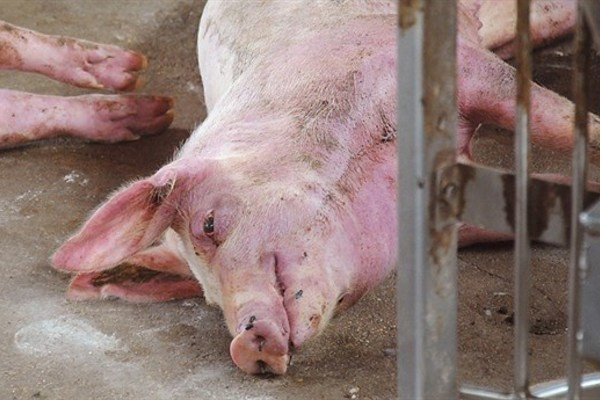
In a report submitted to the Prime Minister, the ministry warned of a high risk that the SAT1 foot-and-mouth disease virus could enter Vietnam.
Foot-and-mouth disease is a dangerous infectious disease that spreads quickly among livestock such as buffaloes, cattle, pigs, goats and sheep, causing severe losses to the livestock sector and threatening food security. Globally, the virus has seven serotypes, while Vietnam has for many years recorded only the O, A and Asia1 strains.
What is concerning is that SAT1, which previously circulated mainly in Africa, has since 2025 spread to the Middle East and West Asia, and recently appeared in China. The detection of outbreaks in Gansu and Xinjiang provinces in April 2026 shows that the virus has moved very close to Southeast Asia.
According to specialized agencies, Vietnam faces a high risk of disease entry because of its long borders and the continued complexity of livestock transport and trade through unofficial crossings and open trails.
Vietnam currently has a large livestock population, including about 31.4 million pigs, more than 6 million cattle, nearly 2 million buffaloes and over 3 million goats and sheep.
However, foot-and-mouth disease vaccines currently in circulation in Vietnam only protect against the O, A and Asia1 strains, and do not provide protection against SAT1. This means the country’s entire susceptible livestock herd has no immunity against the new strain.
If SAT1 enters Vietnam, infection rates could be very high, even reaching 100% in populations without immunity, causing serious economic damage.
Measures such as transport control, disinfection, zoning and culling infected animals are necessary, but they cannot replace the role of vaccines in proactive disease prevention.
According to international reference laboratories, vaccines against foot-and-mouth disease serotype SAT1 have been produced in several countries, including Argentina, Turkey, France, Kenya and Botswana.
These vaccines can generate neutralizing antibodies against field viruses, but levels of protection vary depending on the strain and manufacturer.
As SAT1 has never circulated in Southeast Asia, this type of vaccine has not been widely used in the region.
Facing the disease risk, the Ministry of Agriculture and Environment said it has received proposals from many livestock and vaccine businesses to import SAT1 vaccines for proactive immunization.
The ministry has asked the Prime Minister to allow the import of foot-and-mouth disease serotype SAT1 vaccines already licensed in other countries, so Vietnam can proactively vaccinate livestock and prepare to respond if an outbreak occurs.
“This is an urgent solution to create active immunity, minimize economic losses and ensure national disease safety as risks continue to rise,” the Ministry of Agriculture and Environment stressed.
Vu Diep
.svg)
