 Vietnamnet.vn

 Podcast



Flower vases, miniature northern Vietnamese villages and Dong Ho folk paintings: behind each of these extraordinary mooncakes is not only painstaking craftsmanship, but also a desire to preserve traditional values in a form that feels closer to younger generations.
In recent years, mooncakes in Vietnam have become more than treats for the Mid-Autumn Festival or gifts for family and friends. In the hands of artisans and young people passionate about traditional culture, they have evolved into works of art, taking the form of flower arrangements, relief paintings and familiar symbols of Vietnamese heritage.
Among them, creations by Thuy Duong, 31, who lives in Hanoi, have repeatedly drawn attention on social media. What sets her work apart is the intricate craftsmanship behind each design, often leaving viewers wondering whether they are looking at food at all.
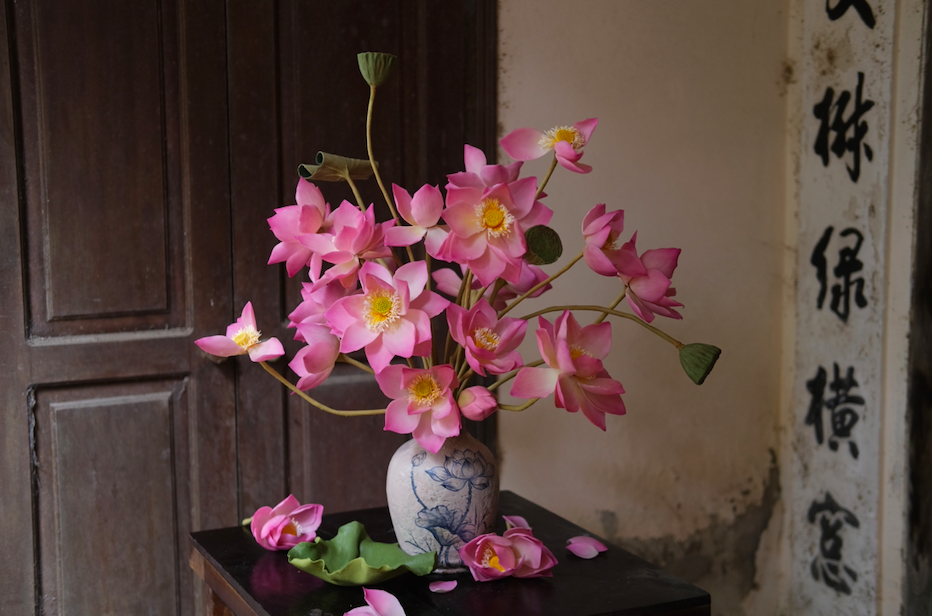
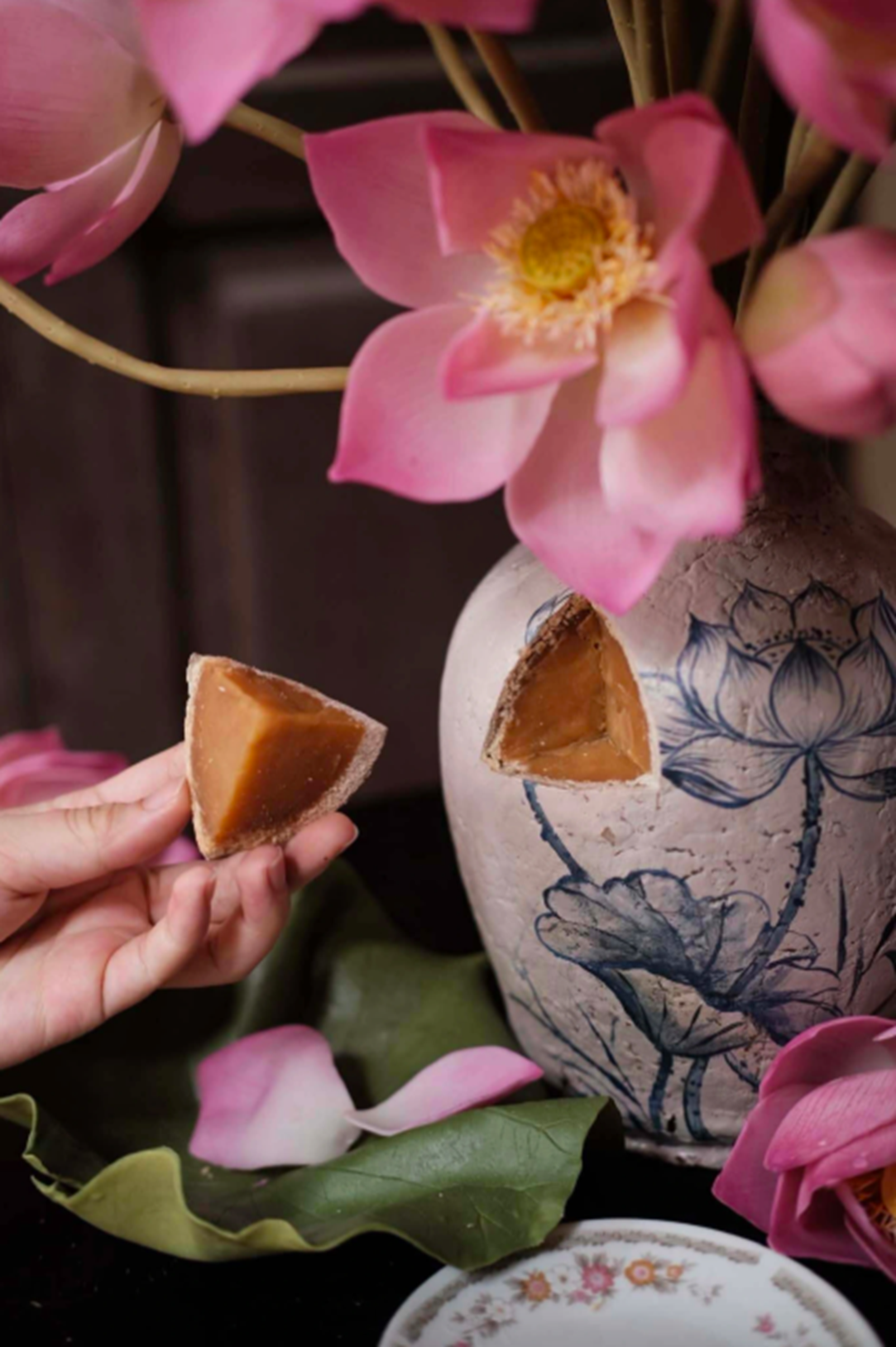
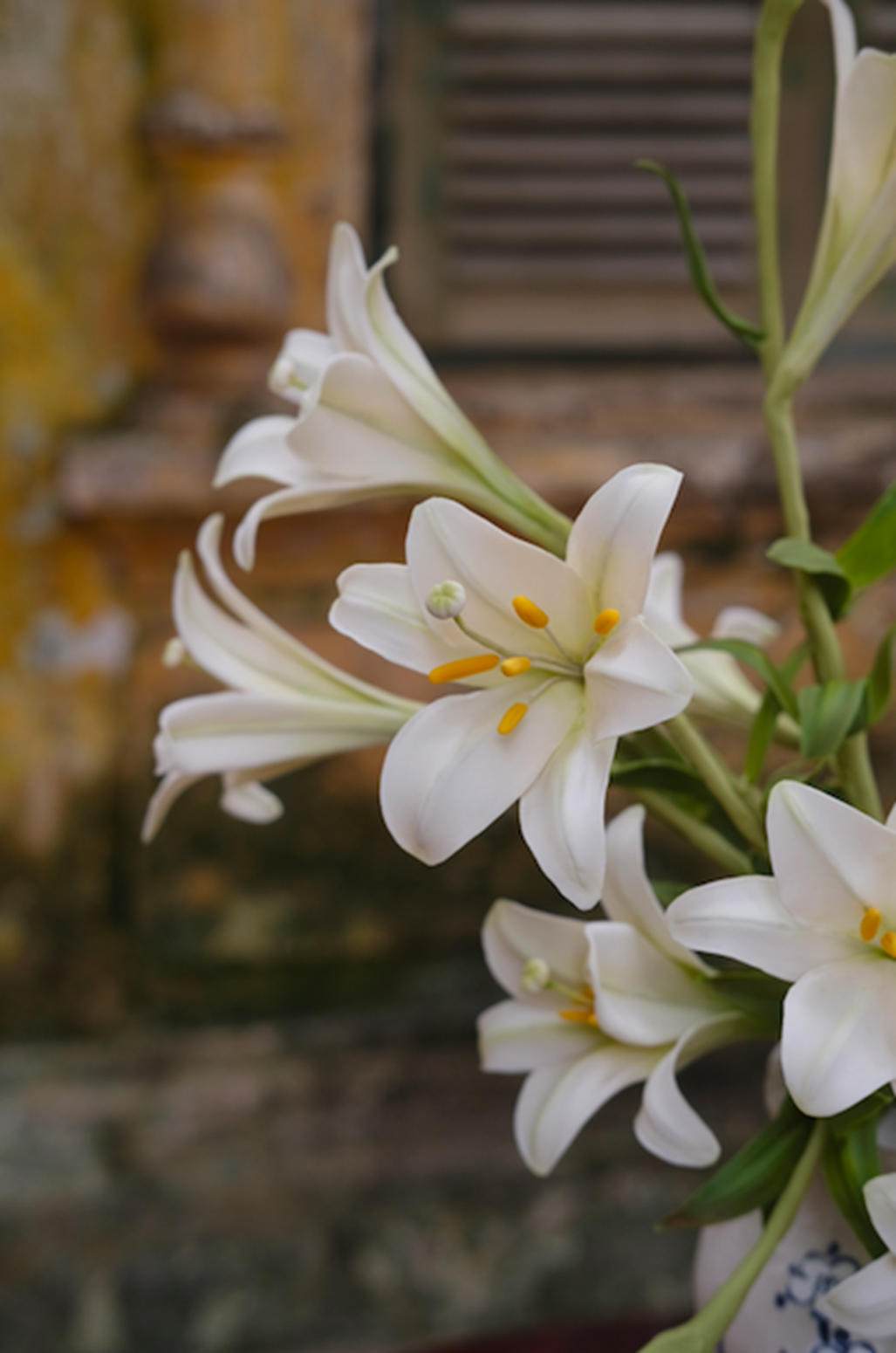
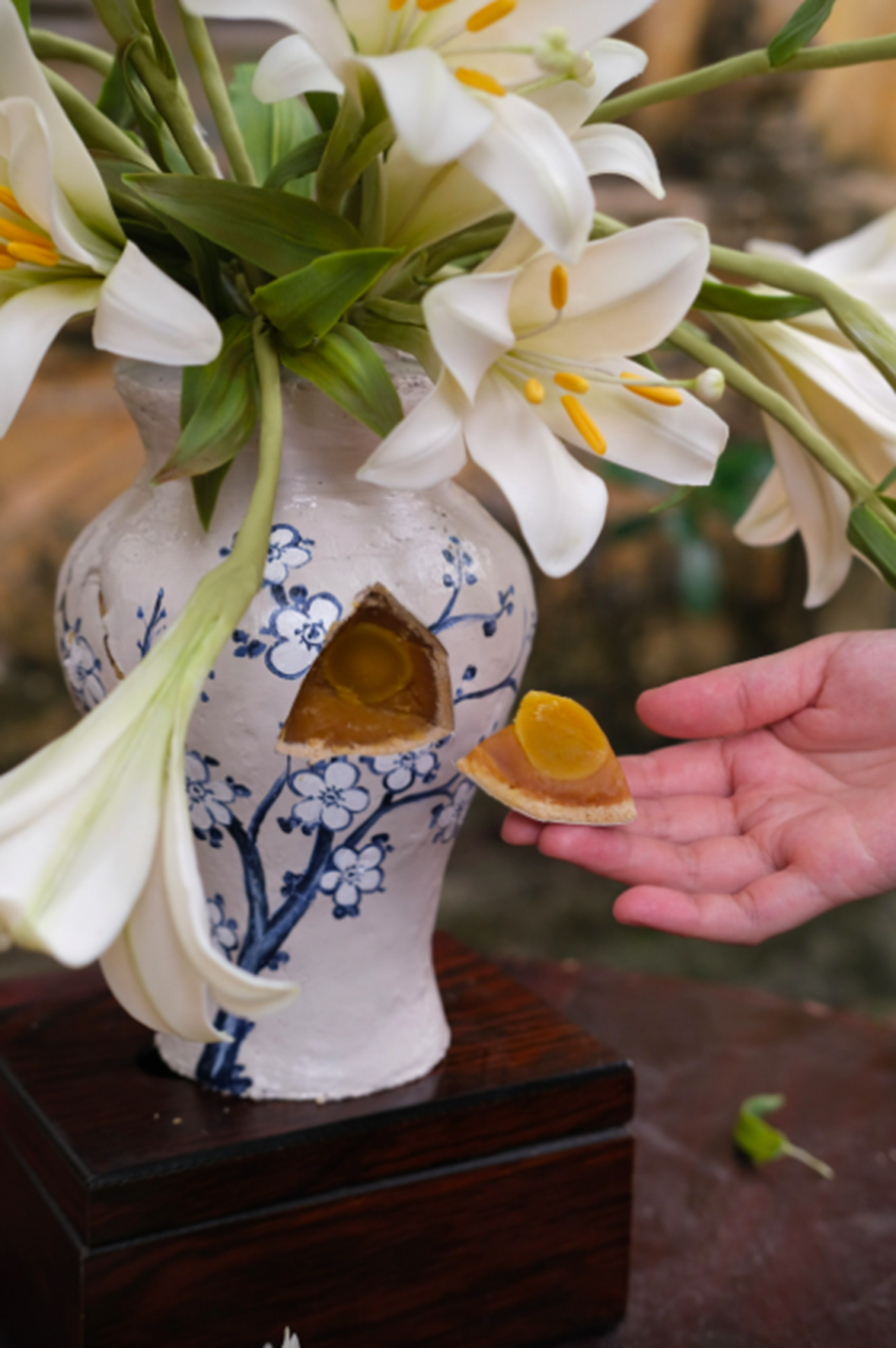
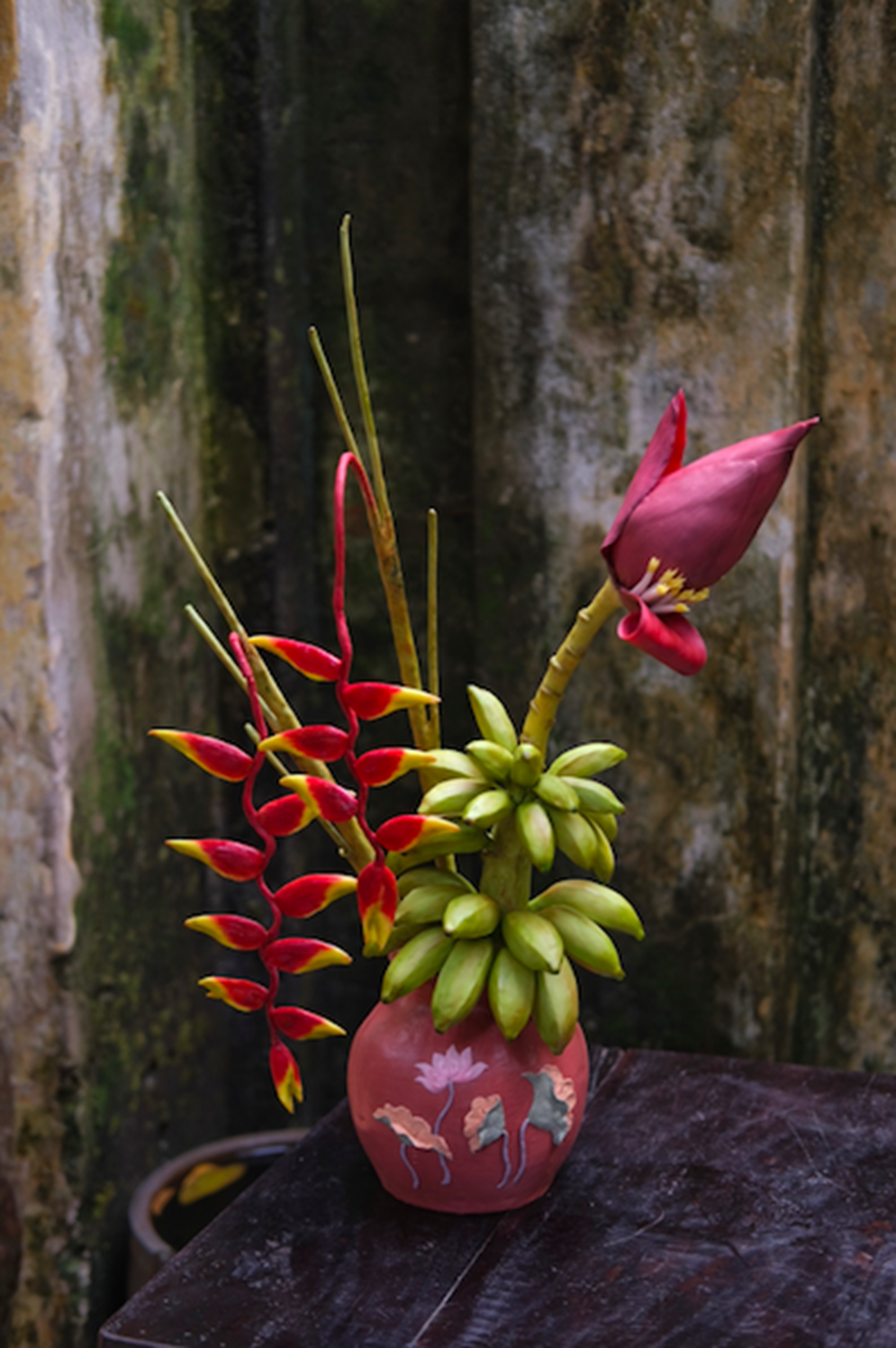
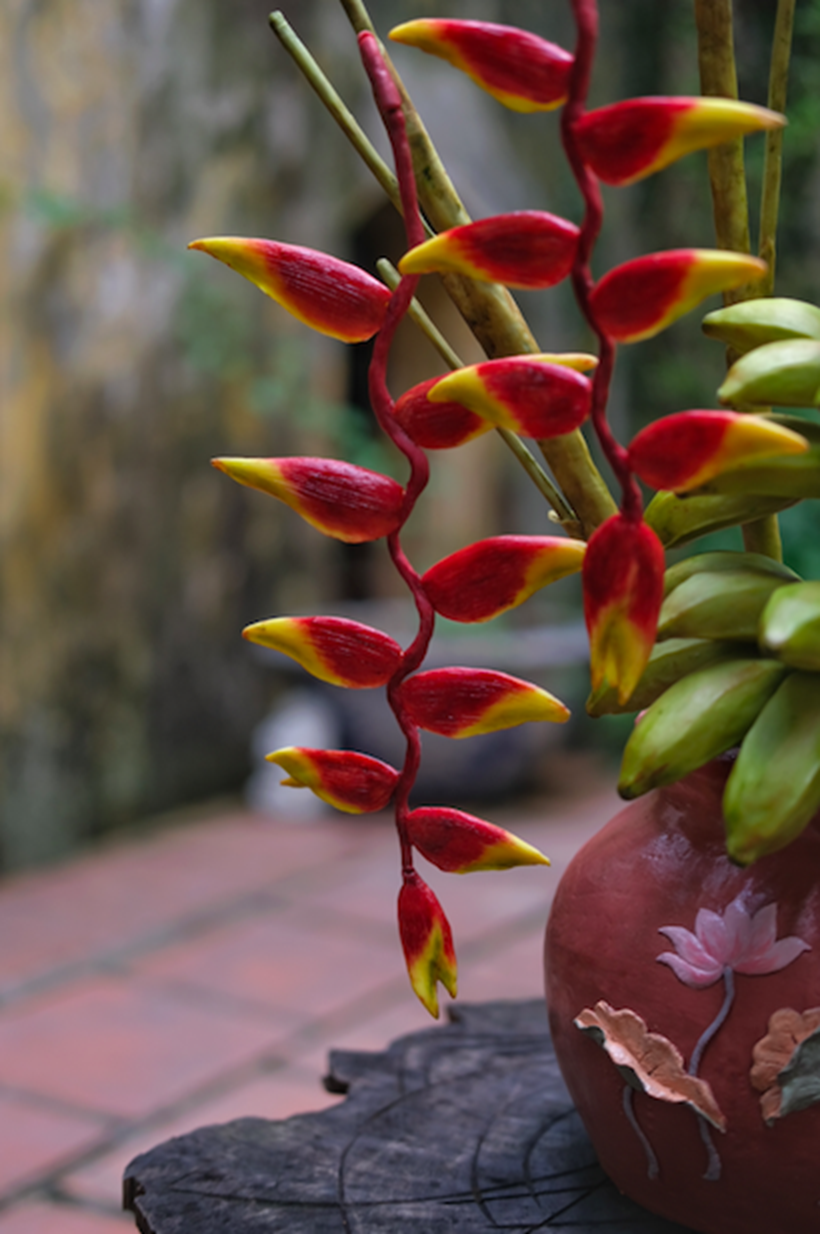
Her latest collection of hyper-realistic mooncake flower vases has caused particular amazement. At first glance, arrangements of lotus flowers, lilies and banana blossoms appear almost indistinguishable from real flowers displayed in ceramic vases.
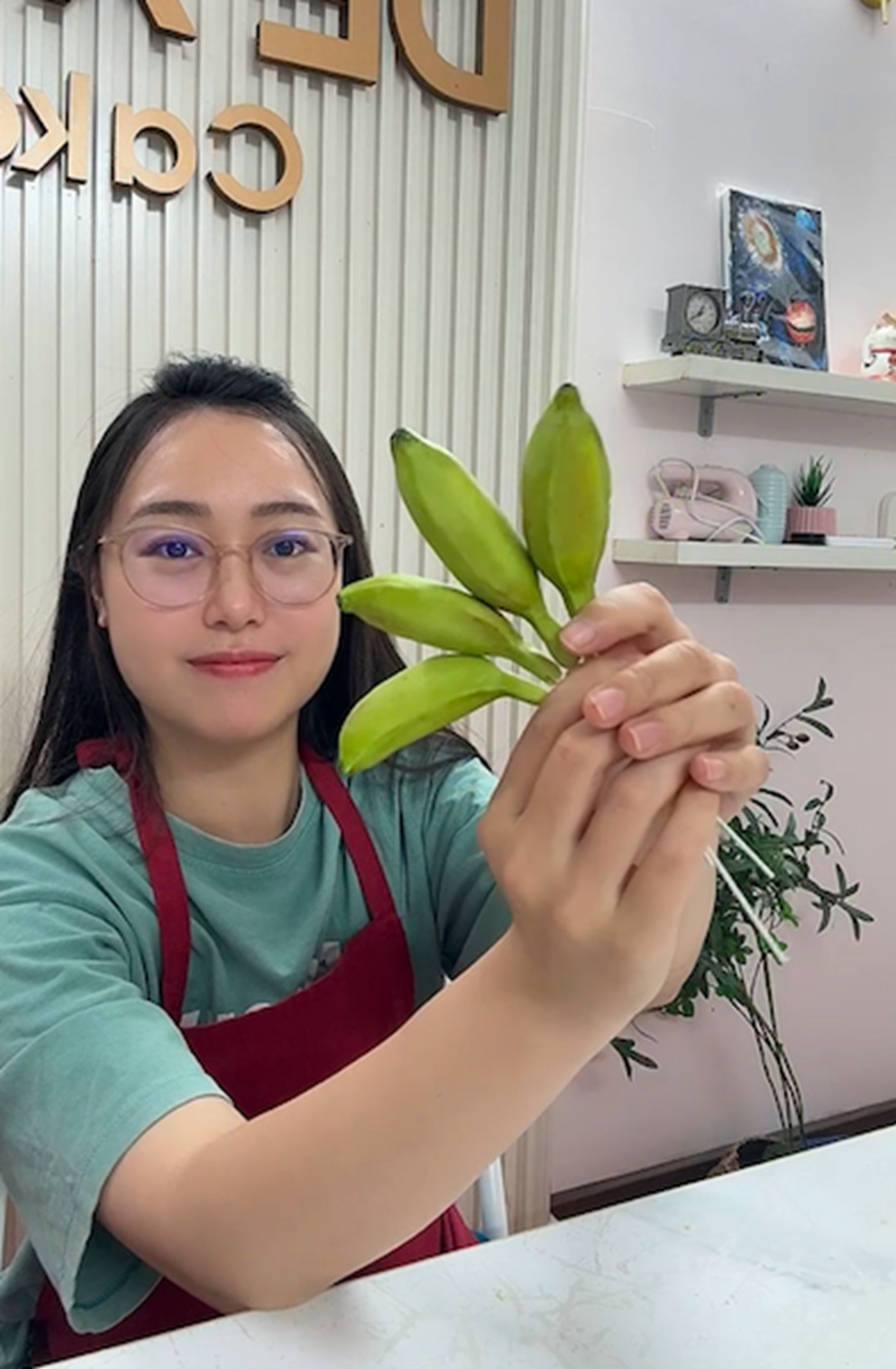
Only on closer inspection, or when one of the creations is cut open, does its true nature become clear. The entire vase is a baked mooncake filled with mung bean paste and salted egg yolk, while the remarkably lifelike flowers are shaped by hand from to he dough.
Duong said the idea came from her desire to combine the traditional Vietnamese art of to he figurine-making with mooncakes. To he is known for its colorful and expressive shapes but has rarely been incorporated into baking. She wanted to create something inspired by Vietnamese cultural heritage.
After days of research, Duong decided to make flower vases close to their real-life size. Each vase stands around 20-30cm tall, while a completed arrangement can reach 60cm.
It took her team nearly three months of experimentation to perfect the creations. The mooncake vase itself presented one of the biggest challenges, as even a slight problem with baking temperature could cause it to crack, warp or lose its shape.
During baking, the team had to repeatedly remove and rotate the cakes, carefully adjusting their position to ensure they cooked evenly.
The flowers also went through dozens of trials. The team experimented with everything from petal thickness and color mixing to adding maltose to the dough recipe to improve elasticity and help the petals retain their shape.
For some lotus flowers alone, it took as long as three months to perfect the shaping technique Duong wanted.
The project allows Duong and her collaborators not only to pursue their passion for creativity, but also to bring traditional cultural values closer to younger generations.
This is not the first time Duong’s mooncakes have gone viral.
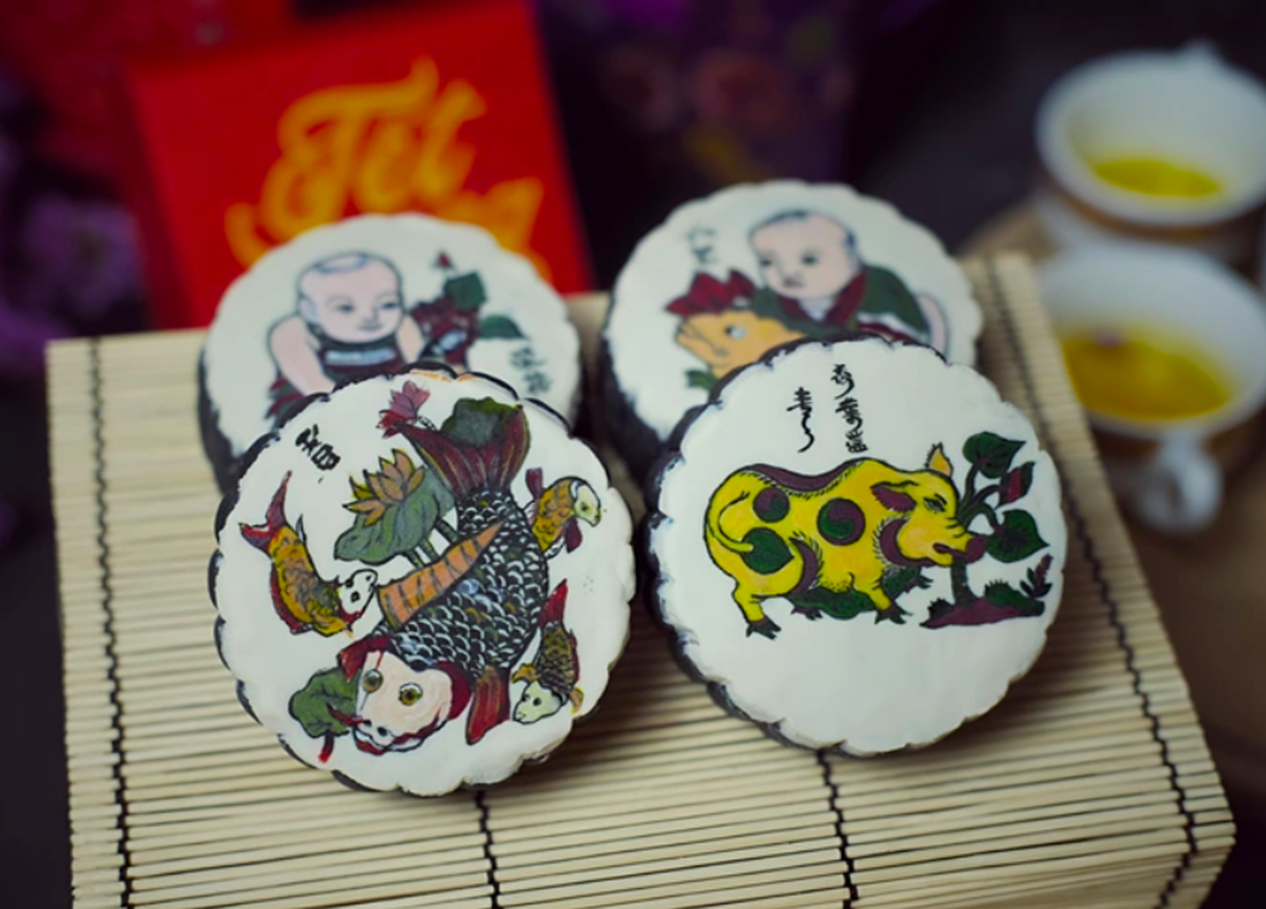
In 2023, she surprised viewers by bringing Dong Ho folk paintings onto the surface of mooncakes. Familiar traditional works such as Dam cuoi chuot (The Rat’s Wedding) and Hung dua (Catching Coconuts) were hand-painted with brushes and food coloring, transforming the traditional pastry into a miniature canvas rich in Vietnamese cultural identity.
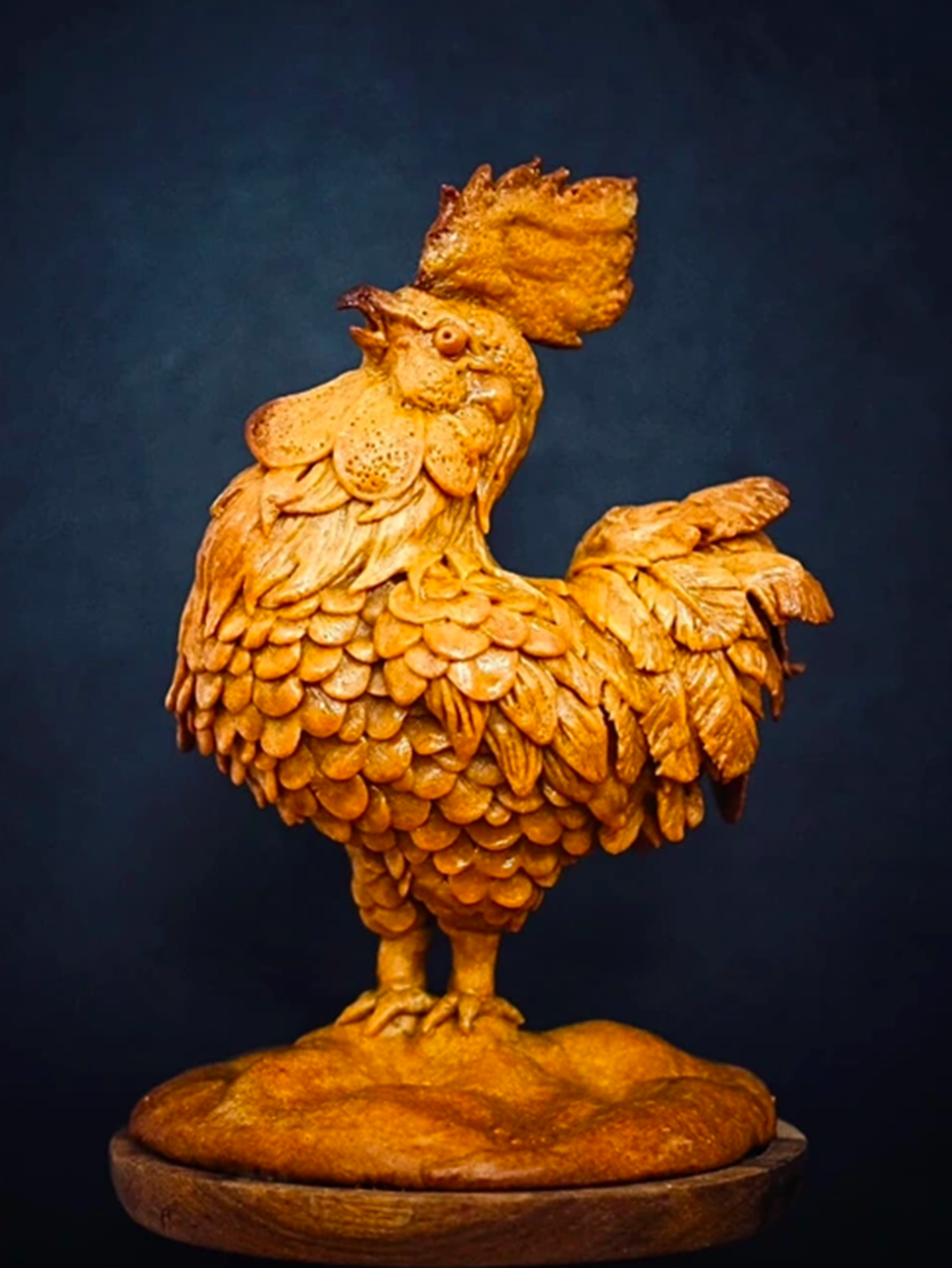
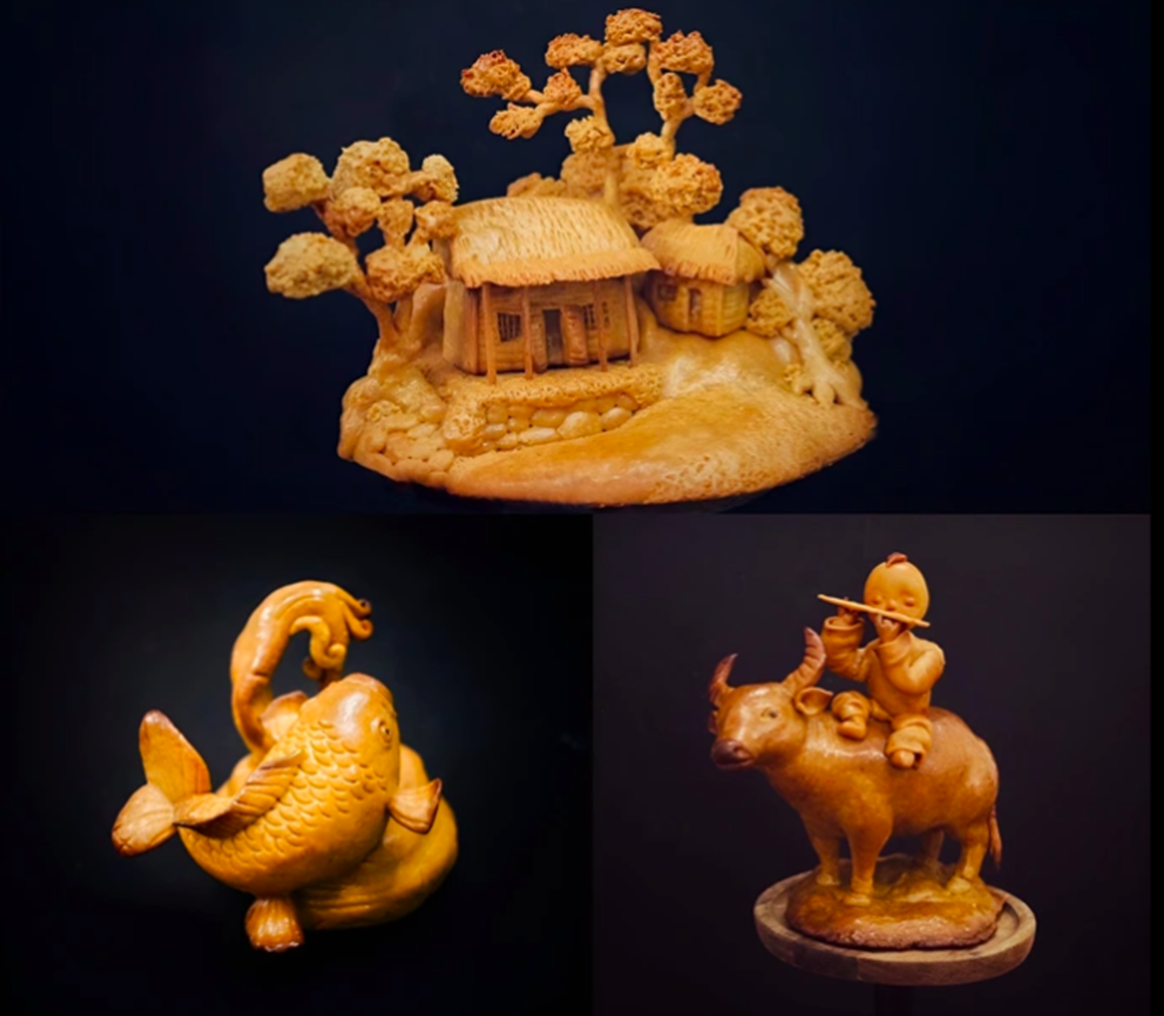
The Hanoi baker, born in 1995, also challenged herself with unusual handcrafted mooncakes shaped into roosters, a buffalo-herding boy, a banyan tree and a village communal house.
Despite radically changing their appearance, she kept the mung bean filling so the creations could still be enjoyed as actual mooncakes rather than simply displayed as decorative pieces.
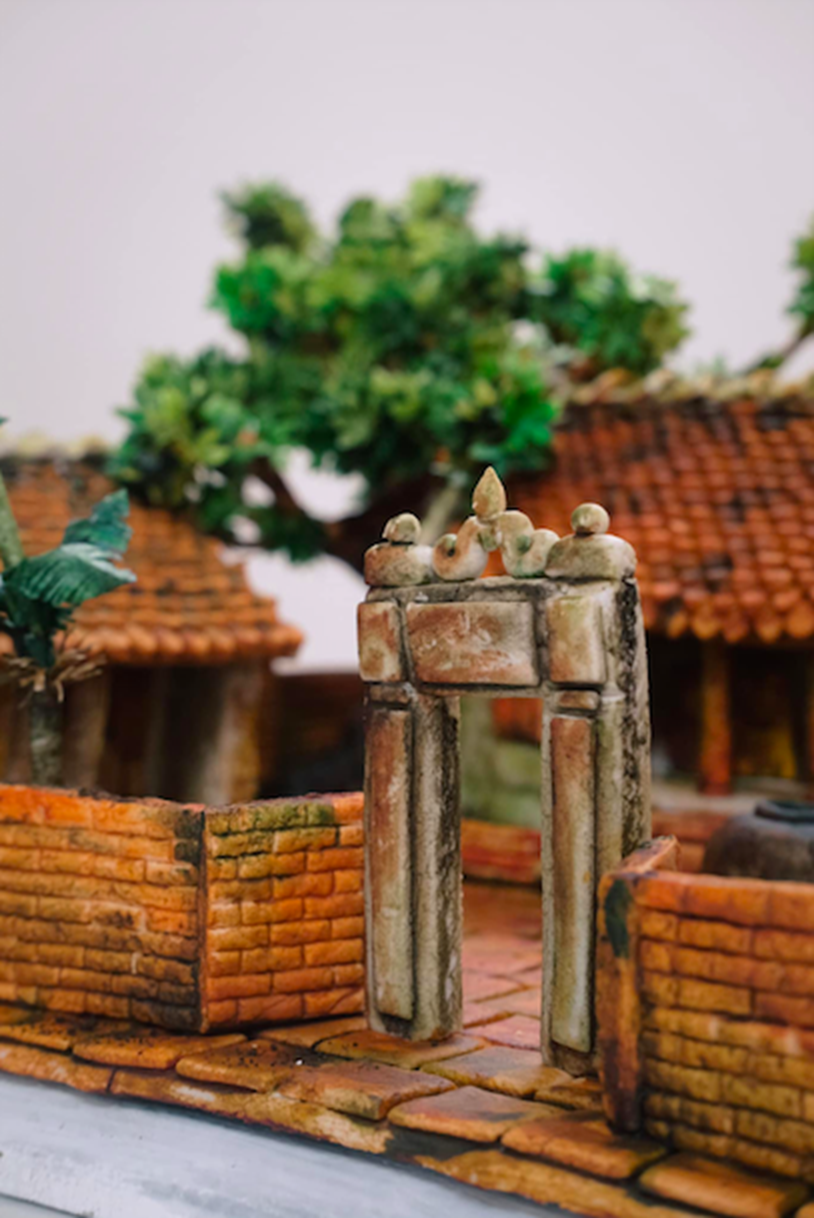
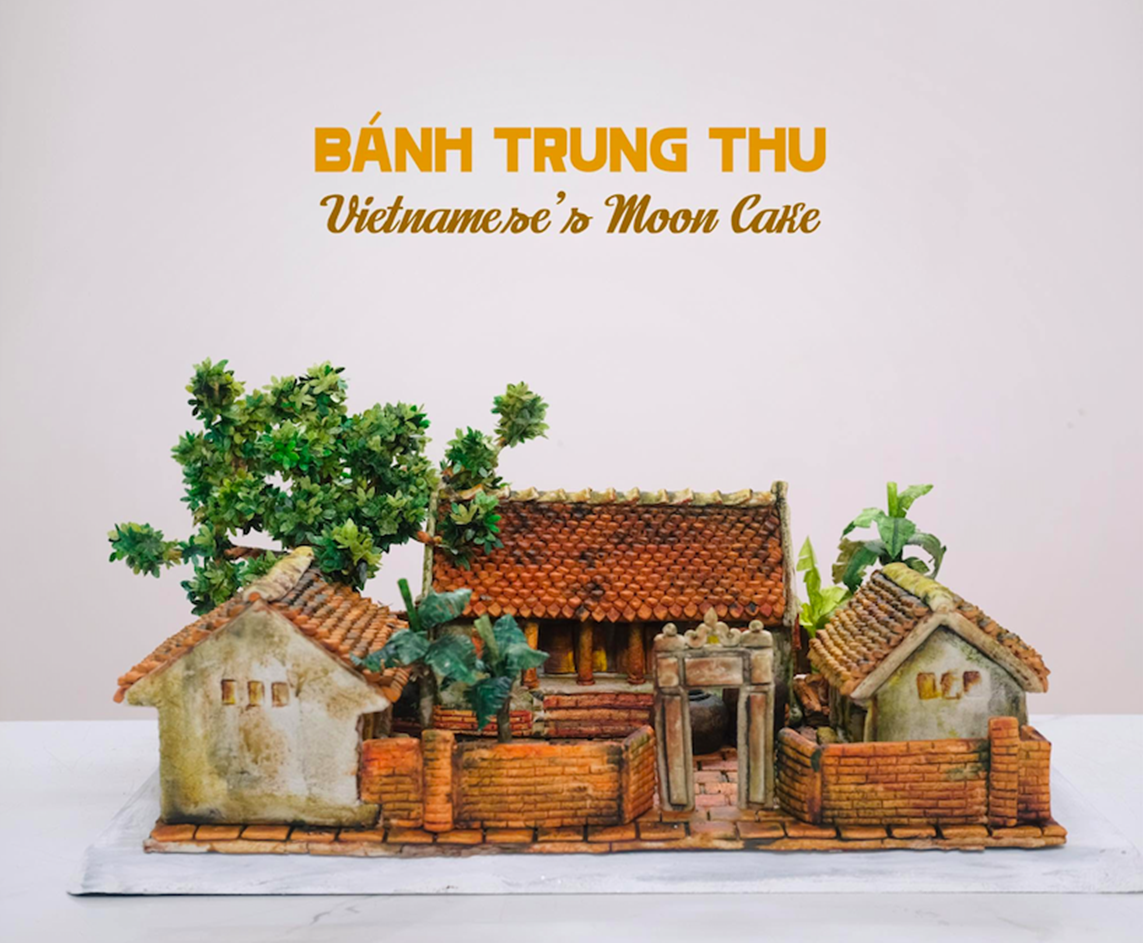
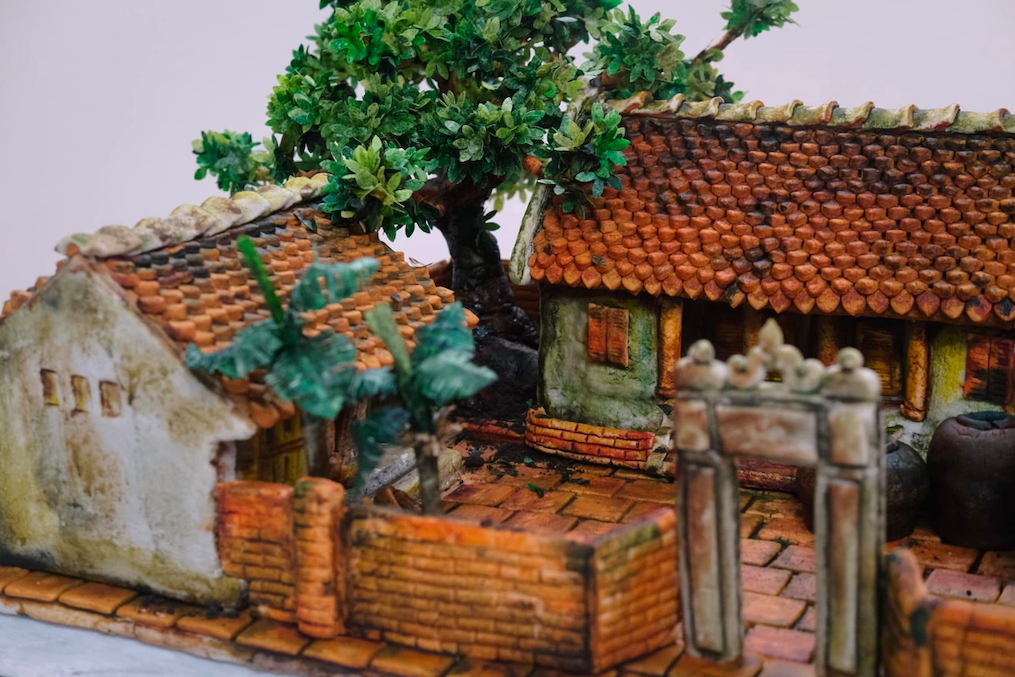
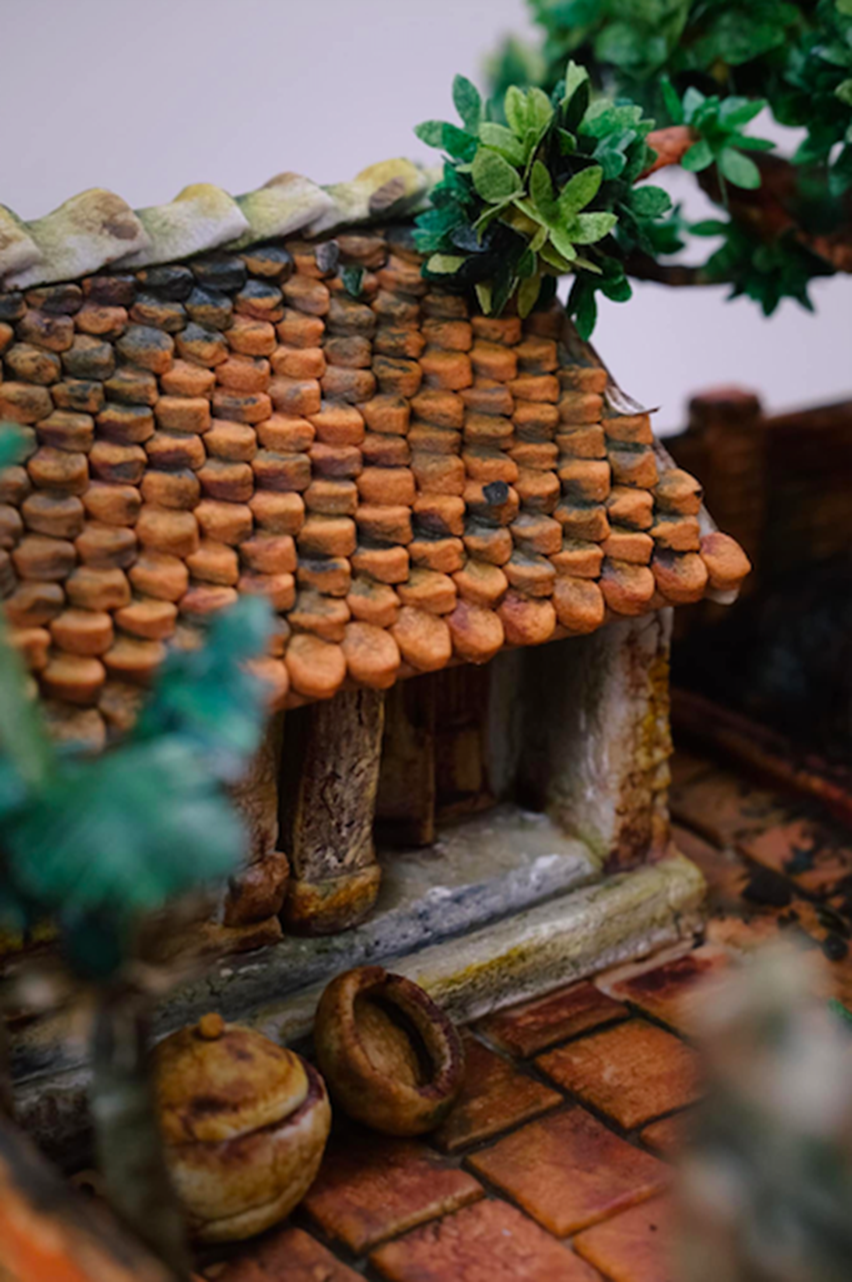
In 2024, Duong again attracted attention with a work titled Memories, a mooncake weighing nearly 30kg that recreated the atmosphere of a traditional northern Vietnamese village.
A moss-covered tiled roof, red-brick courtyard, water jars, banyan tree and even individual tiny bricks were all shaped entirely by hand.
Without being told what it was, viewers could easily mistake the piece for a sculpture or miniature architectural model rather than a mooncake.
Duong said the house was inspired by memories of her own childhood in a northern Vietnamese village.
Four people spent four days making the cake, with the sculpting process requiring constant adjustments because many small details broke or warped after baking.
Once completed, the creation quickly attracted tens of thousands of likes on social media and received an overwhelmingly positive response.
Many viewers said the cake’s design and intricate details brought back familiar images from their childhood memories. Some commented that it was so beautiful and unusual that they simply “couldn’t bear to eat it.”
Although Duong changes her ideas and designs every year, she continues to work with familiar ingredients such as rice flour, glutinous rice flour, mung beans and salted egg yolks.
From these traditional ingredients, she creates mooncakes resembling flower vases, Dong Ho paintings and miniature scenes that evoke the landscape and memories of rural Vietnam.
For Duong, every Mid-Autumn Festival is an opportunity to experiment with a new idea: keeping the familiar flavors of the traditional mooncake while giving it a distinctive new form.
Thu Hien
.svg)
