 Vietnamnet.vn

 Podcast



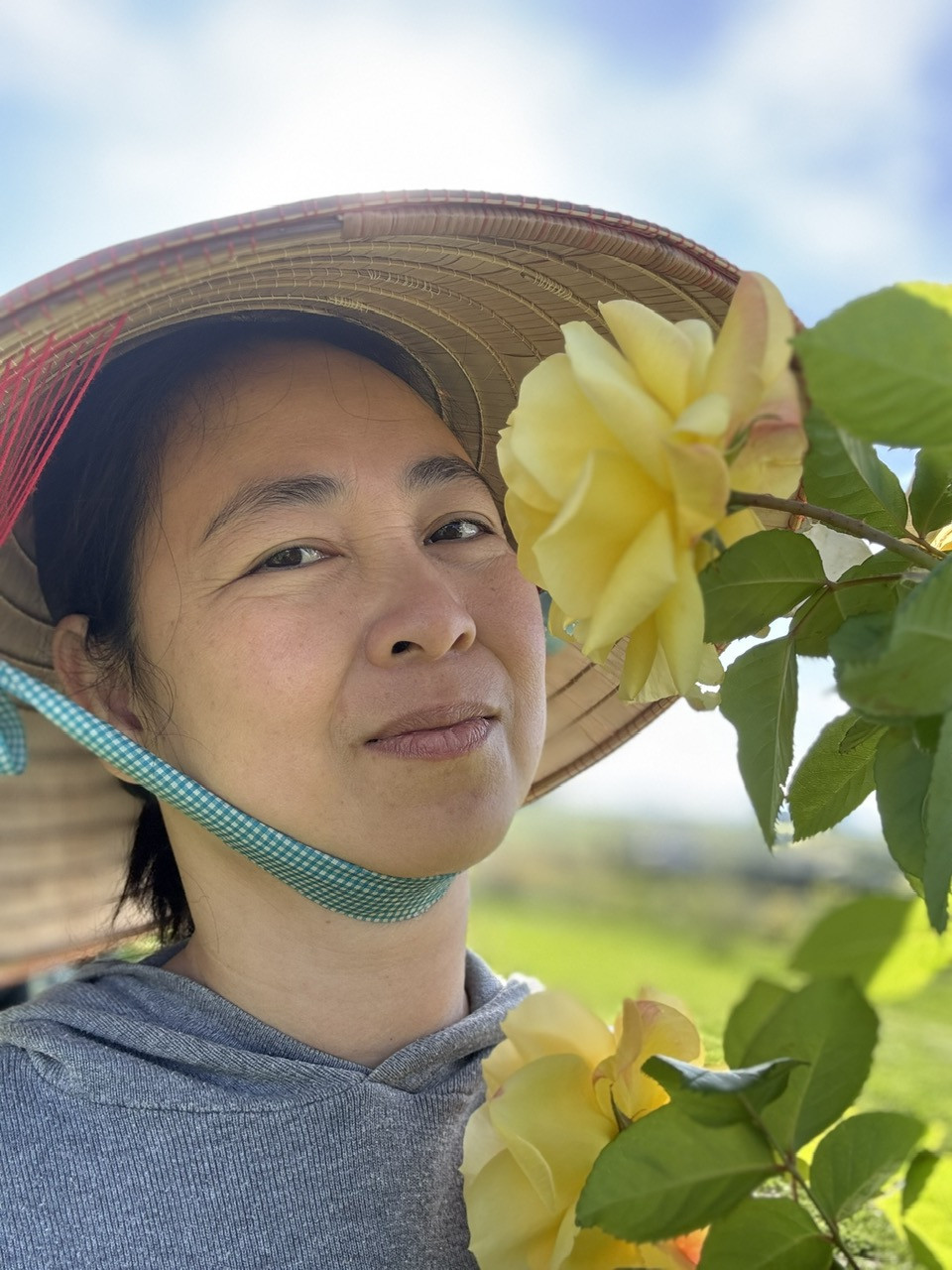
Ten pear trees and 14 apple trees were ripening, with yellow and red fruit hanging heavily from the branches. Around the garden, grapevines were still laden with fruit. The lush vegetable garden was filled with a variety of crops, including water spinach, Malabar spinach, cauliflower, winter melon and pumpkin.
On weekends, Quynh and her 14-year-old daughter gathered baskets of fresh pears and apples, carefully washing them to prepare juice and pastries.
After six years of living in an area without other Vietnamese families, Quynh, her husband, and their children have fully adapted. Daily gardening allows them to maintain a self-sufficient food supply.
Early retirement
Quynh said her family moved to Greece in 2019 under an investment-based residency program. A year later, they left central Thessaloniki and moved to the outskirts.
“At that time, there was a two-story house on the property built by the previous owner, but it was unfinished. The large garden had about 50 olive trees, along with several plum, cherry, loquat and pomegranate trees. Under the residency regulations, my husband and I were not allowed to work as employees. We decided to retire early, renovate the house and work on the garden, trying to create a living space that reflected Vietnam and eased our homesickness,” she said.
At first, Quynh and her husband mistakenly thought the climate in northern Greece was similar to that of northern Vietnam. Her husband once returned to Hanoi to buy seeds and perennial plants typical of Vietnam to bring back and grow, hoping to create a Vietnamese garden in southeastern Europe. However, after a winter of heavy snowfall, most of the perennial plants died.
“Today, among the seedlings we brought from Vietnam, only one Dien grapefruit tree remains in the garden,” Quynh said.
Learning from the experience, the couple spent more time studying the local climate, soil conditions and farming methods. They improved the soil, made organic compost, and selected vegetable and fruit varieties suited to the area.
Quynh grows vegetables from April to November each year.
“Vietnamese leafy vegetables generally grow well. The only exception is katuk, which I have tried to grow several times without success. Besides leafy greens, I have also managed to grow cantaloupes, watermelons, mugwort, onions and garlic. Some of our family meals are made entirely from food we grow ourselves,” she said.
For fruit trees, the couple selected well-adapted varieties such as pears, apples, and grapes. They cut down two old olive trees in the garden to make room for two grape beds specifically used for wine brewing. Meanwhile, fencing around the house was utilized to build trellises for table grapes.
The family owns over 10 table grape varieties, typically planting two vines per variety, one early-fruiting and one late-fruiting. As a result, the garden's grape harvest season stretches from mid-July all the way to December.
Olives harvested from nearly 50 trees in the garden are transported to a mill for oil extraction. Nearly 100 liters of oil each year are gifted to friends and neighbors or reserved for household use.
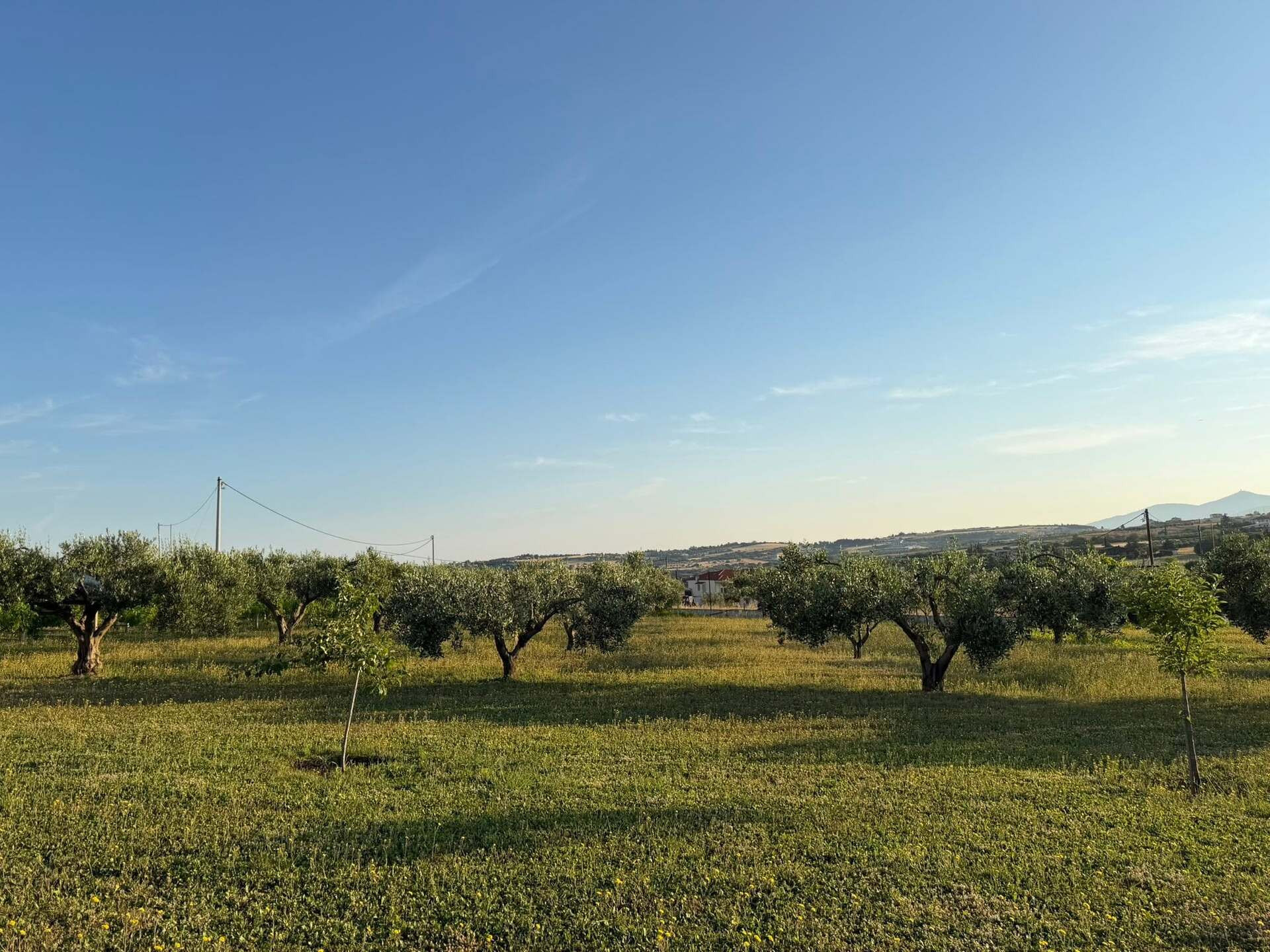
"Our family uses no pesticides or chemical fertilizers, relying solely on an automated irrigation system providing clean water," Quynh stated.
Making fish sauce and wine at home
Although they live far from Vietnam, Quynh’s family frequently cooks Vietnamese food.
To have fish sauce throughout the year, Quynh learned a recipe from a friend in Hanoi and began making it herself. She said each batch consists of 4kg of fresh fish, 1kg of salt and one pineapple. The mixture is fermented for two years, then filtered and left in the sun for another six months.
“My husband and I had no agricultural experience and did not know how to make fish sauce or rice vermicelli. We learned and experimented together.”
Quynh has also successfully made shrimp paste and rice vermicelli at home. Although they live in Europe, the family still regularly enjoys dishes such as tofu and vermicelli with shrimp paste, rice vermicelli with crab roe, chilled snail vermicelli and fish cakes.
After moving to the steppe region, the couple noticed that nearly every neighboring household grew grapes and made its own wine. They began researching and teaching themselves how to make it.
Life far from home has presented many difficulties, but Quynh and her husband have been fortunate to receive the affection and support of local residents.
Limh Trang
.svg)
