 Vietnamnet.vn

 Podcast



During the four-day New Year holiday (January 1–4, 2026), the tourism sector in Vietnam recorded an estimated 3.5 million visitors.
The national average room occupancy rate across all tourist accommodations reached approximately 51%, with several key tourist destinations reporting rates of around 65%.
Ho Chi Minh City led the nation in both tourist arrivals and tourism revenue. Local attractions welcomed around 1.24 million visitors, including over 75,000 international tourists. The average occupancy rate at accommodation facilities remained at 75%, generating an estimated revenue of over USD 108 million.
Ranking second in visitor numbers was Ninh Binh, which welcomed more than 720,000 visitors over four days, including nearly 178,000 international guests. Tourism revenue exceeded USD 32.6 million, with average room occupancy surpassing 85%.
Quang Ninh estimated 657,000 tourist arrivals, including 70,500 international guests. Total tourism revenue was approximately USD 66.5 million.
In Lam Dong, around 650,000 tourists visited and stayed, with about 30,000 being international tourists. The province generated USD 49.3 million in tourism revenue. Accommodation occupancy ranged between 70% and 80%, with 3- to 5-star facilities reaching between 85% and 90%.
According to the Hanoi Department of Tourism, the capital welcomed about 560,000 visitors during the holiday, an increase of approximately 250% compared to the same period last year. International arrivals reached 110,000, up nearly 290%. Tourism revenue was estimated at USD 86.5 million, marking a record high for New Year holidays in Hanoi.
Hai Phong served an estimated 515,600 visitors, including around 12,890 international tourists.
Khanh Hoa received more than 500,000 visitors, with over 154,000 staying overnight. The average room occupancy across the province was 66.94%. Luxury beach resorts and island accommodations exceeded 90% occupancy, at times even reaching full capacity. The province earned an estimated USD 26.7 million in tourism revenue.
Lao Cai attracted about 363,000 visitors and generated approximately USD 61.8 million. Sa Pa was the main draw, with about 148,000 visitors. The Sun World Fansipan Legend tourist complex alone welcomed around 45,000 guests.
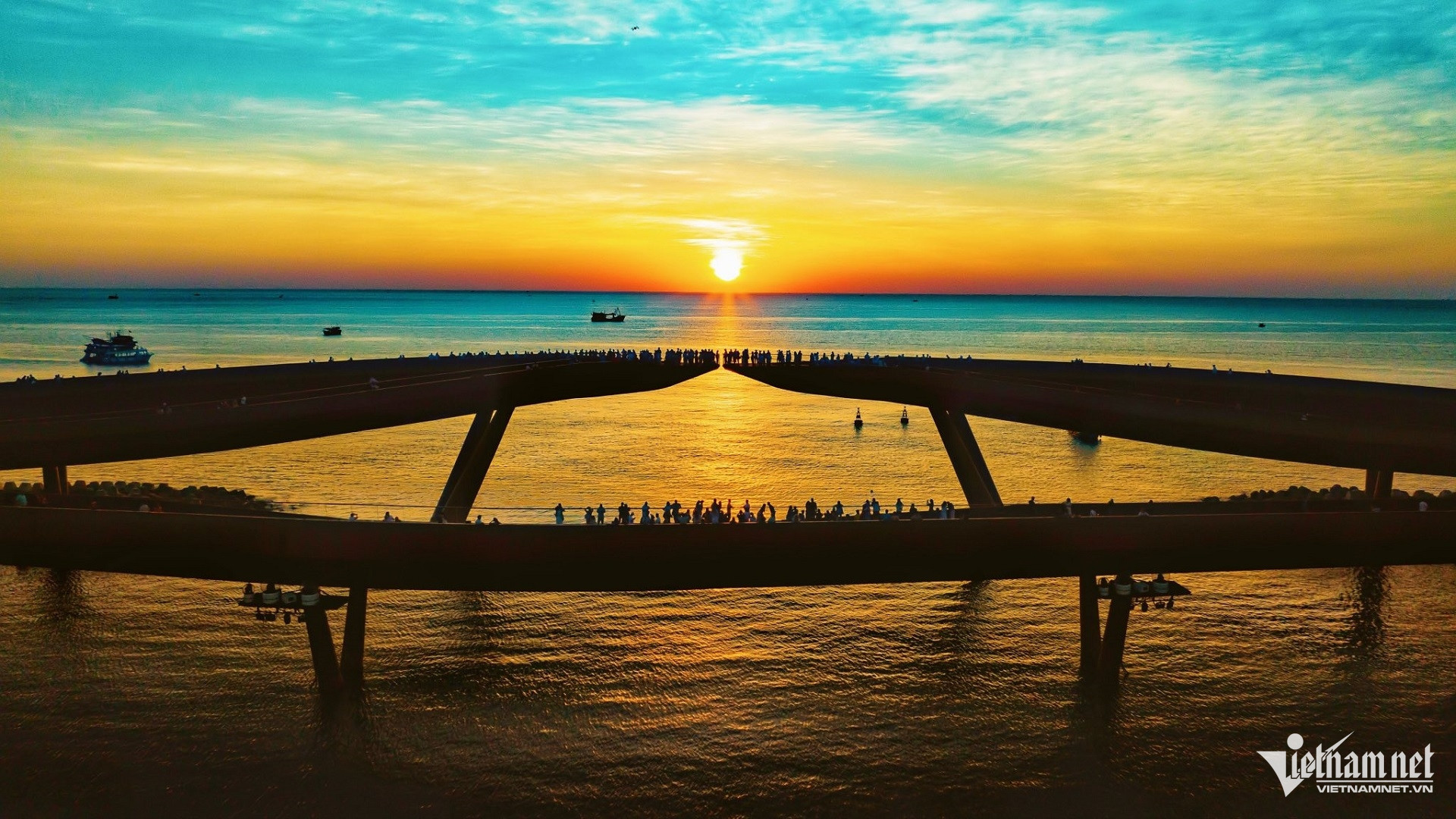
An Giang’s Department of Tourism reported nearly 349,000 visitors over the four-day holiday, with over 30,000 being international tourists. In Phu Quoc alone, nearly 176,000 visitors were recorded-an increase of over 156% year-over-year-including around 30,000 international guests. Total tourism revenue for the province reached USD 35.5 million, a 71.2% rise from last year.
In Phu Quoc specifically, a host of large-scale events was organized for tourists, such as a special edition of the ONCE Show to ring in the New Year, the 2025 "The Rise of Lights" Countdown Party, a Beach Music Week, and fireworks shows in Sunset Town.
Phu Tho welcomed about 305,000 visitors, an 8.5% increase from the same period in 2025. Hotel occupancy reached approximately 70%, and tourism revenue was estimated at USD 12.8 million, up more than 10% year-over-year.
Several other provinces also reported notable increases in visitor numbers and revenue. Thanh Hoa attracted around 125,000 visitors, earning USD 7.6 million. Hue received an estimated 85,000 visitors, up 25% from the previous year, including 50,000 international guests.
In Quang Ngai, nearly 96,400 tourists visited local heritage, ecological, and community-based attractions during the four-day break, contributing about USD 1.7 million in tourism revenue. Popular destinations included Mang Den, Ly Son, My Khe, Kon Tum Ward, Cam Thanh, and community-based villages in the western region, along with famous landmarks, waterfalls, and the Ngoc Linh mountain area.
The National Tourism Administration noted that the New Year holiday acted as an important "launchpad" for the upcoming peak tourism season in early 2026. Local governments not only focused on drawing visitors but also prioritized service quality and building a safe, friendly image to encourage repeat tourism during longer holiday periods.
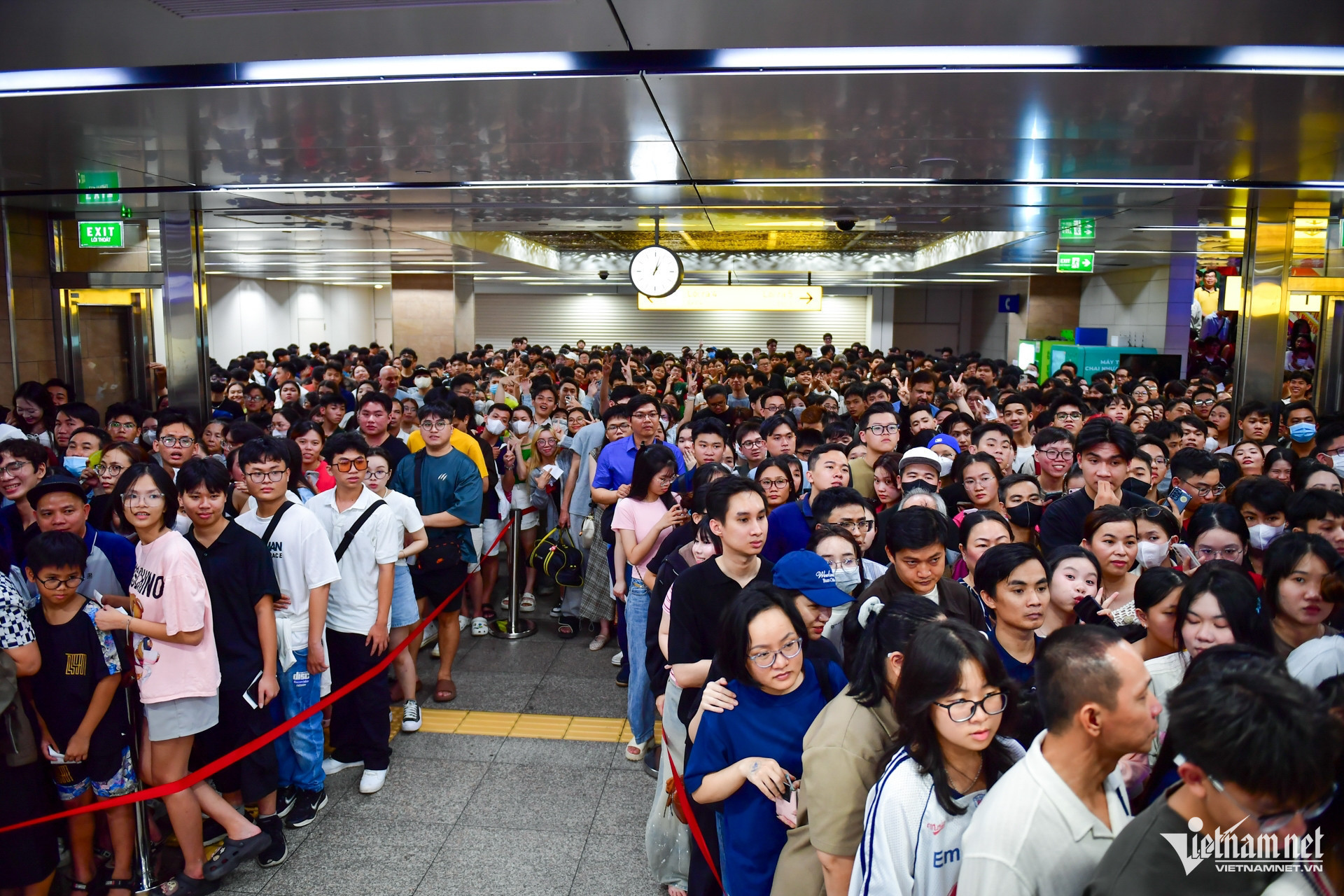
However, overcrowding led to localized traffic congestion in places like Tuyen Quang, Lao Cai, and Mang Den (Quang Ngai).
Moreover, the late announcement of the four-day holiday caught many travelers off guard, making it difficult for them to plan trips. In high-demand destinations like Phu Quoc (An Giang), Dong Van (Tuyen Quang), Sa Pa (Lao Cai), and Moc Chau (Son La), many tourists struggled to secure accommodation.
Linh Trang
.svg)
