 Vietnamnet.vn

 Podcast


Dr. Nguyen Thi Nha, former director of the Reproductive Support Center at Hanoi's Post and Telecommunications Hospital, has dedicated more than 20 years to assisted reproduction, helping families in Vietnam and abroad realize their hopes of having children.
Behind that commitment lies a deeply personal loss that shaped her medical career.
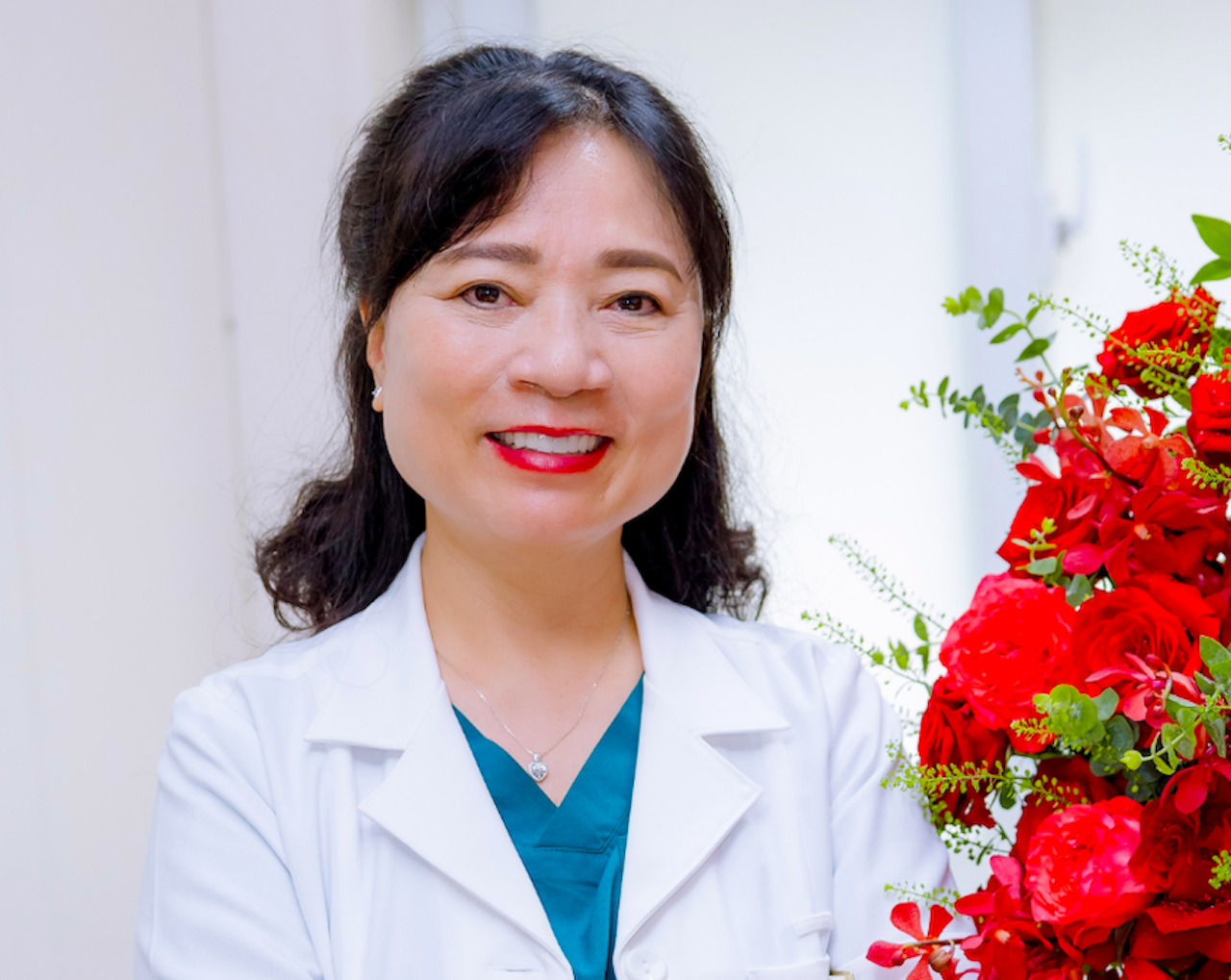
In 1990, Nha's elder sister died in a traffic accident. Before her death, her marriage of more than eight years had ended because she was unable to have children.
At the time, Nha was a medical student specializing in obstetrics and gynecological surgery. She had accompanied her sister to numerous hospitals and clinics, hoping to find treatment, but infertility care in northern Vietnam was still in its early stages.
The experience left her with a question that would stay with her for years: What if she had known more about reproductive medicine? Could her sister's life have turned out differently?
That sense of regret eventually became the driving force behind her career.
In 2005, when Post and Telecommunications Hospital offered doctors an opportunity to receive specialized training in assisted reproduction at Tu Du Hospital in Ho Chi Minh City, Nha immediately volunteered.
She was already in her 40s and had young children at home, yet she was the first and only doctor to sign up.
Nine months of intensive training helped her establish a clear professional direction and strengthened her commitment to fertility medicine.
Thousands of families, countless stories
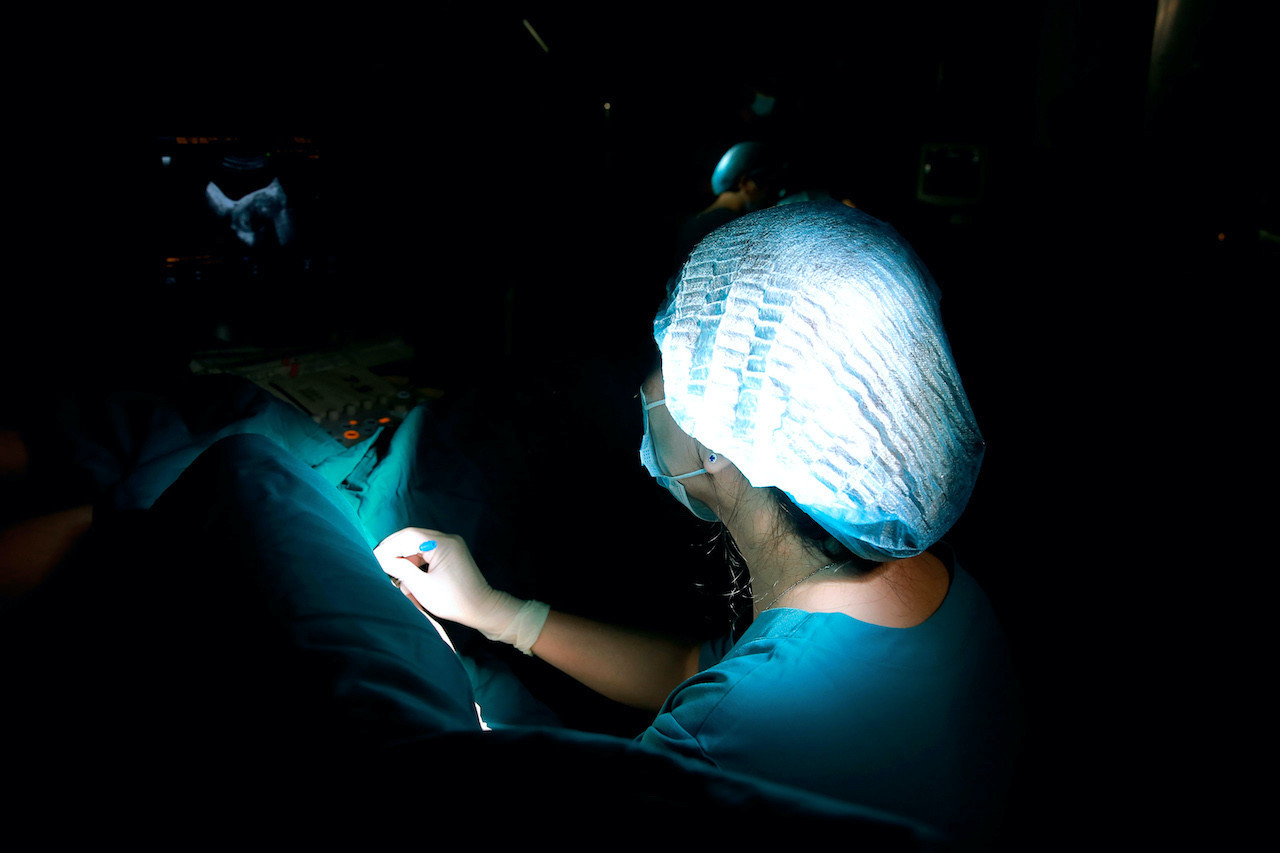
After more than two decades in reproductive medicine, Nha can no longer recall every successful case she has treated.
She estimates that she and her colleagues have helped tens of thousands of couples from Vietnam and overseas.
Behind those numbers are families who have spent 15 or even 20 years trying to have a child, often enduring enormous emotional and social pressure.
In many cases, women have been blamed by their husbands, in-laws or communities for a couple's inability to conceive.
Yet medical examinations sometimes reveal that the fertility problem lies with the husband, including cases in which no sperm are present.
One particularly memorable case involved a couple who were both over 50 when they finally sought treatment.
The husband had long doubted that in vitro fertilization (IVF) could help them have a child. His attitude changed only after he saw a neighboring couple, who had also struggled with infertility, welcome a baby through treatment.
By then, however, his wife no longer had viable eggs.
The couple eventually chose to use donated eggs and welcomed a healthy baby girl.
For Nha, such experiences illustrate both the possibilities of modern reproductive medicine and the importance of seeking medical advice before fertility options become more limited.
Helping families have healthy children

Nha's work extends beyond helping couples overcome infertility.
She has also treated families who have experienced repeated miscarriages, lost children shortly after birth or had babies affected by serious inherited conditions.
These include thalassemia, spinal muscular atrophy, Duchenne muscular dystrophy and certain inherited conditions associated with congenital speech or hearing impairments.
She recalls visiting families with as many as three children suffering from severe genetic disorders. Some were unable to walk independently and depended heavily on relatives and medical facilities for everyday care.
Those encounters profoundly influenced how she and her colleagues approached fertility treatment.
Their goal was no longer simply to help couples achieve pregnancy, but also to improve the chances of having a healthy child.
As part of that approach, couples seeking treatment undergo assessments for potential genetic risks.
Where medically indicated, IVF may be combined with preimplantation genetic testing (PGT) to reduce the risk of passing certain inherited disorders to their children.
For Nha, advances in reproductive technology have created opportunities that were largely unavailable when she first tried to help her sister decades ago.
When even promising treatments fail
Despite advances in fertility medicine, success is never guaranteed.
Nha has encountered cases in which embryos appeared healthy and the uterine lining was favorable, yet pregnancy still did not occur.
Such outcomes can be deeply disappointing for both patients and their doctors.
Rather than offering unrealistic reassurance, she believes in discussing unsuccessful treatment attempts openly and explaining the medical factors involved.
She also makes an effort to acknowledge the emotional toll on couples who may already have endured years of unsuccessful attempts to conceive.
Her message is that one unsuccessful treatment cycle does not necessarily mean the end of the journey.
Where viable embryos remain and the patient's health permits further treatment, there may still be opportunities to try again.
However, she emphasizes that any next steps must be carefully considered in light of each patient's medical condition and individual circumstances.
She often reminds couples that having children involves both medical possibilities and elements of chance, and that preparing carefully for another attempt can help them make informed decisions.
Fertility treatment is also about emotional support
Over the years, Nha has come to believe that treating infertility involves far more than addressing reproductive health problems.
Many patients face pressure not only from their immediate families but also from relatives and wider society.
Women, in particular, may struggle with feelings of inadequacy, prolonged insomnia and, in some cases, severe depression.
These emotional difficulties can make an already demanding treatment process even harder.
Nha believes doctors must take time to listen, explain patients' medical conditions clearly and discuss the different stages of treatment, including possible outcomes and limitations.
When patients understand their situation and feel heard, they may experience less anxiety and become more confident in making decisions about their care.
She also stresses the importance of support from a spouse or partner.
The journey toward parenthood, she says, should never become the burden of just one person.
Although fertility treatment can involve repeated cycles of hope and disappointment, Nha encourages couples not to lose heart too quickly.
Modern assisted reproductive techniques continue to offer new possibilities for many families, but early medical consultation remains important.
She advises couples experiencing difficulty conceiving to seek assessment promptly, choose reputable medical facilities and discuss suitable treatment options with qualified specialists.
Above all, she hopes couples will continue supporting and encouraging one another throughout the process.
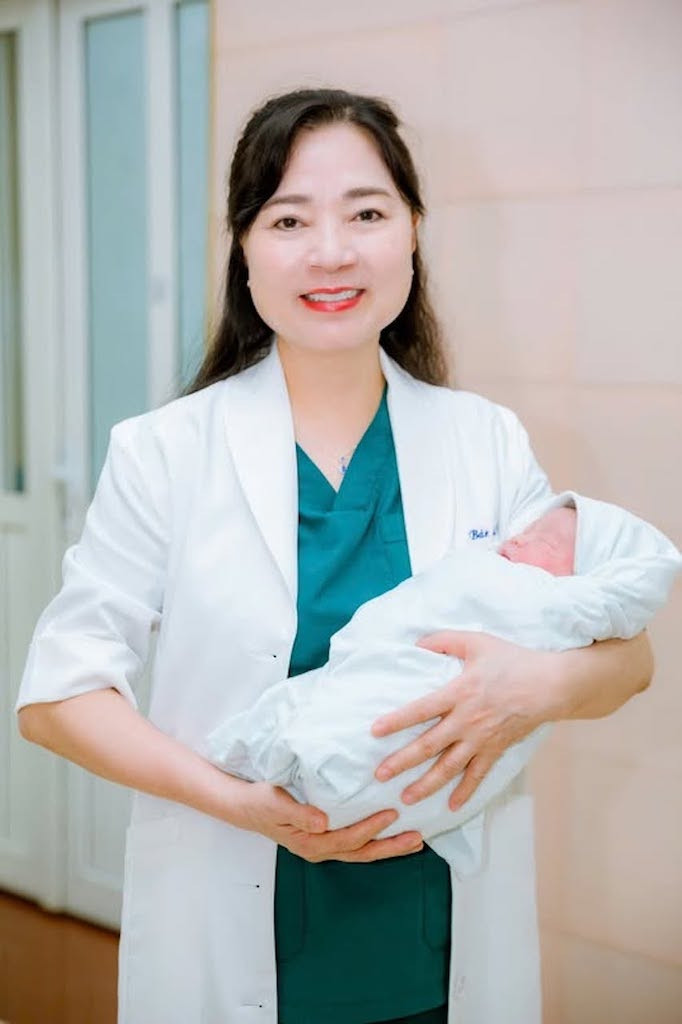
For Nha, the greatest reward after more than two decades in fertility medicine remains unchanged: seeing a healthy baby born into a family that has waited years for that moment.
Each new life, she says, gives her another reason to continue the work that began with a deeply personal loss.
N. Huyen

