 Vietnamnet.vn

 Podcast



Faced with mounting domestic waste and outdated disposal methods, Tran Van Truong, a mechanical engineer from Ninh Binh province, built an automated waste-sorting system - a made-in-Vietnam innovation helping reduce landfill burden and reclaim valuable resources.
For years, household waste has posed a serious challenge for many Vietnamese localities. As volumes surge, most waste is either incinerated or buried, increasing environmental risks.
Determined to find a sustainable solution, Truong - Chairman and Director of Truong Phat Cooperative for Agricultural and Environmental Services in Xuan Hung Commune - took a bold step. He aimed not just to process waste, but to extract resources from it and return them to the economy.
A grassroots solution to a national problem
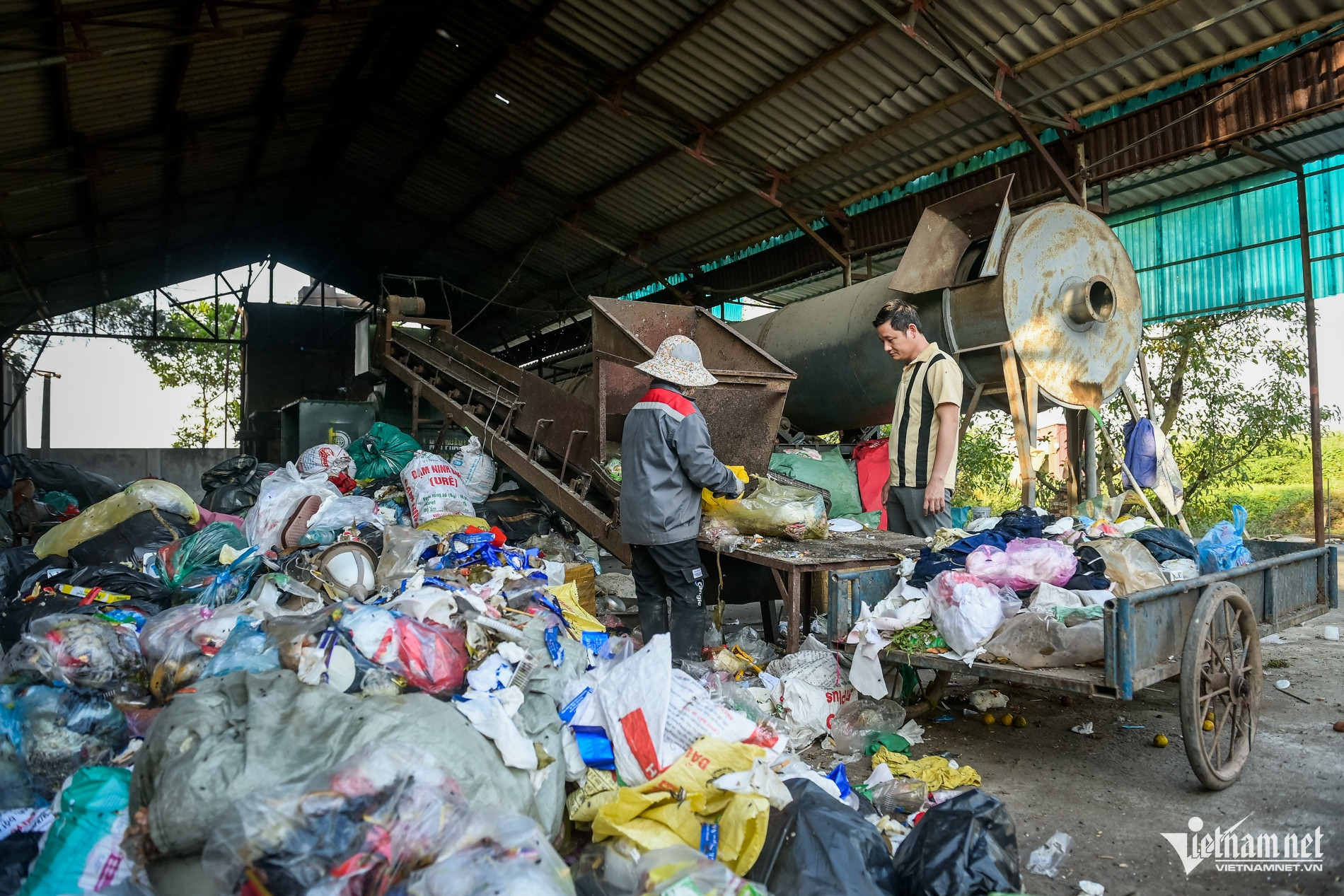
In early 2015, Truong’s cooperative began managing and rehabilitating the Tho Nghiep landfill (now part of Xuan Hung, Ninh Binh). He initially installed a 1-ton-per-hour incinerator, but during wet seasons, waterlogged waste reduced capacity to just 350 kg/hour. The backlog soon became unmanageable.
To solve this, waste needed pre-sorting. But manual sorting was laborious, dangerous, and inefficient. “One of our workers once got a serious hand injury,” Truong recalls. “That’s when I knew we had to find a better way.”
The birth of a made-in-Vietnam innovation
Truong explored imported waste-sorting machines, but found them expensive, complex, and ill-suited for Vietnam’s unsorted household waste. “I’ve worked in mechanical engineering for years,” he said. “So I asked myself: why not design a machine that fits our local conditions?”
After multiple failed prototypes, his perseverance paid off. He successfully built a compact waste-sorting machine capable of handling 10 tons per day. Encouraged by the results, he developed a larger version in 2021, integrating a waste chopper and boosting capacity to 30–50 tons per day.
How the system works
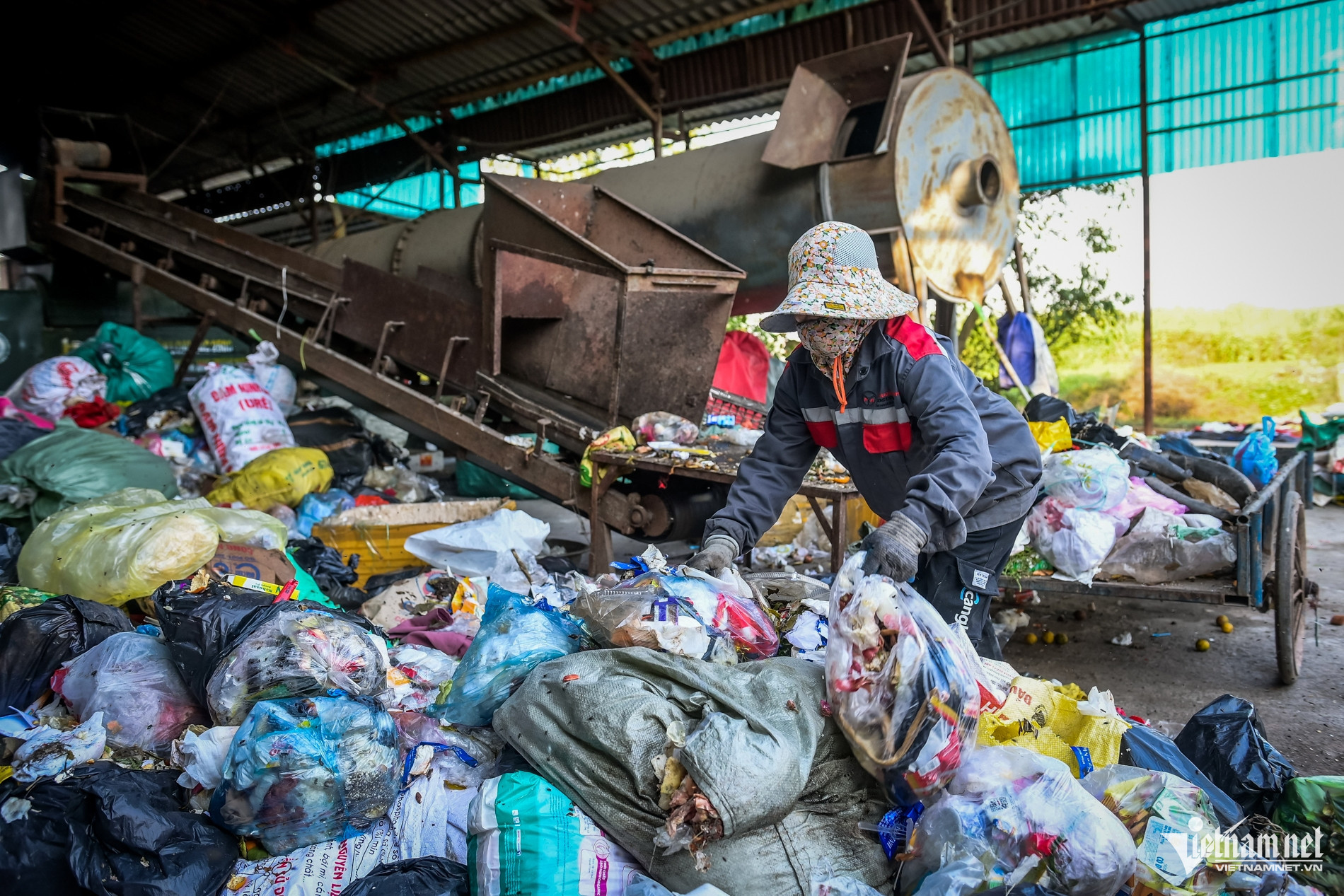
The system starts by receiving mixed domestic waste, which is pre-treated and loaded onto conveyor belts. A shredding unit tears open plastic bags, after which materials pass through sorting stages that separate organic and inorganic waste.
Recovered waste is further processed:
Organic material becomes compost,
Plastics are converted into recycled pellets,
Construction debris can be reused as building materials,
and biomass is shaped into biofuel pellets.
Only about 20% of residual waste remains for incineration - dramatically reducing landfill pressure and emissions.
Recognized and replicated
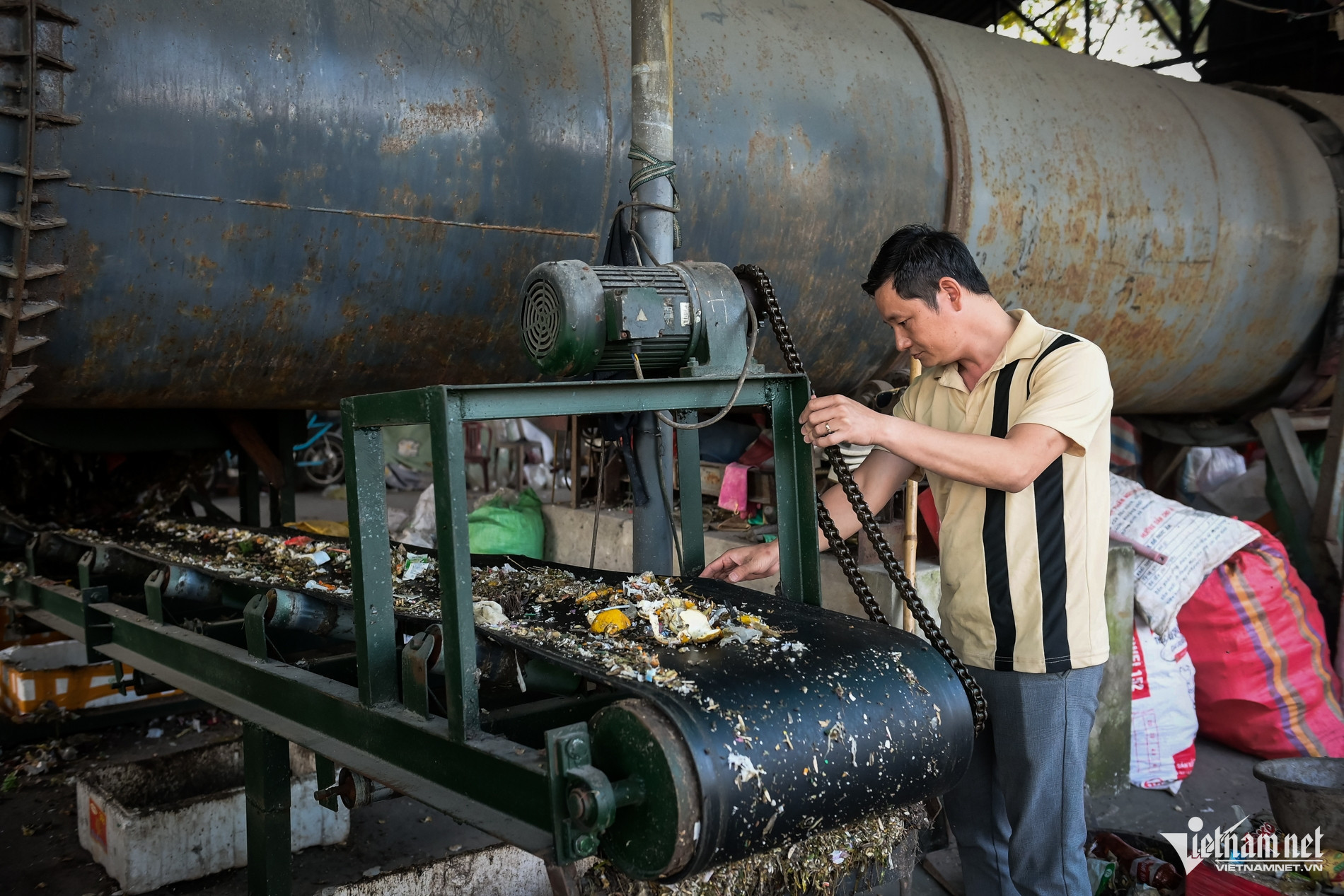
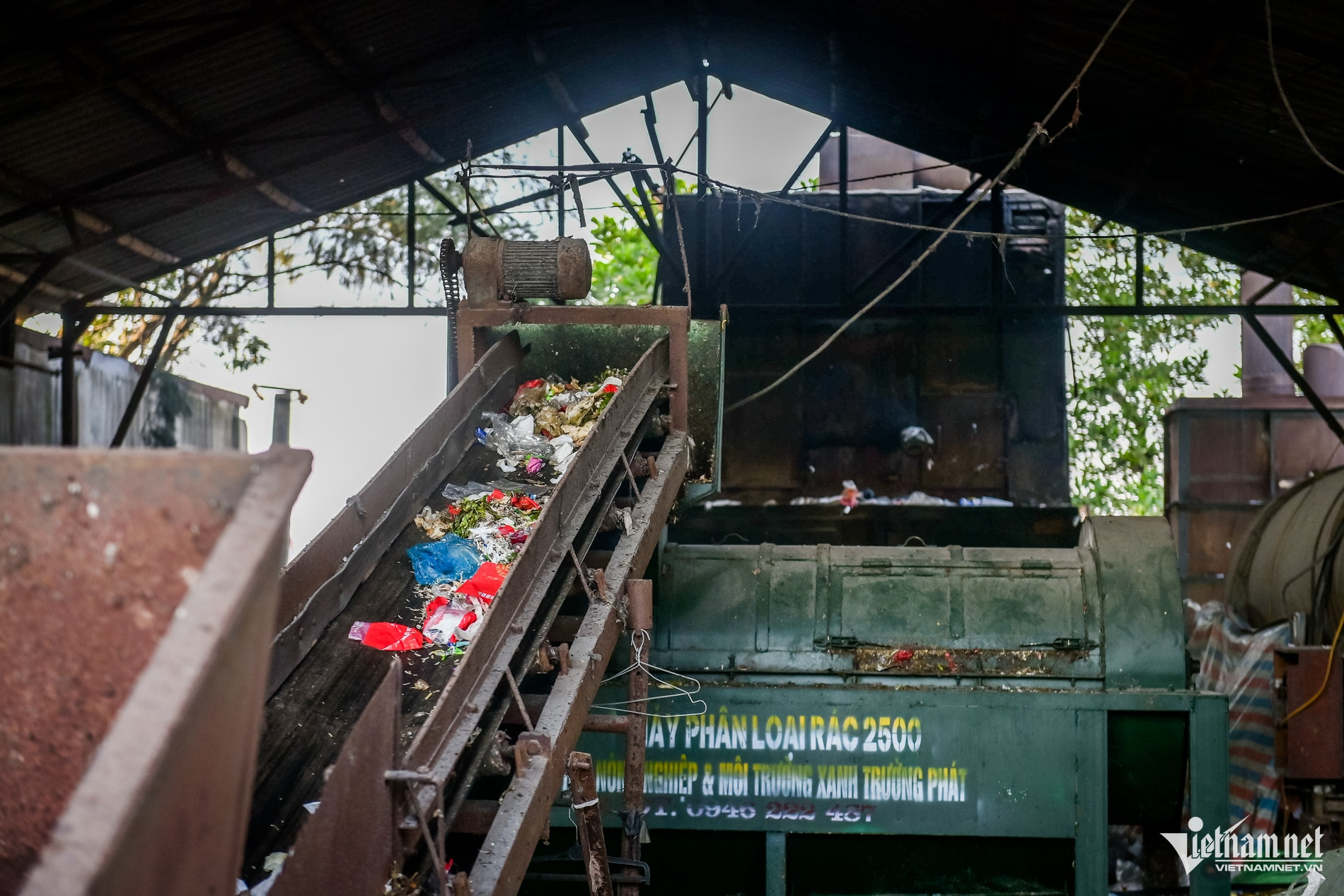
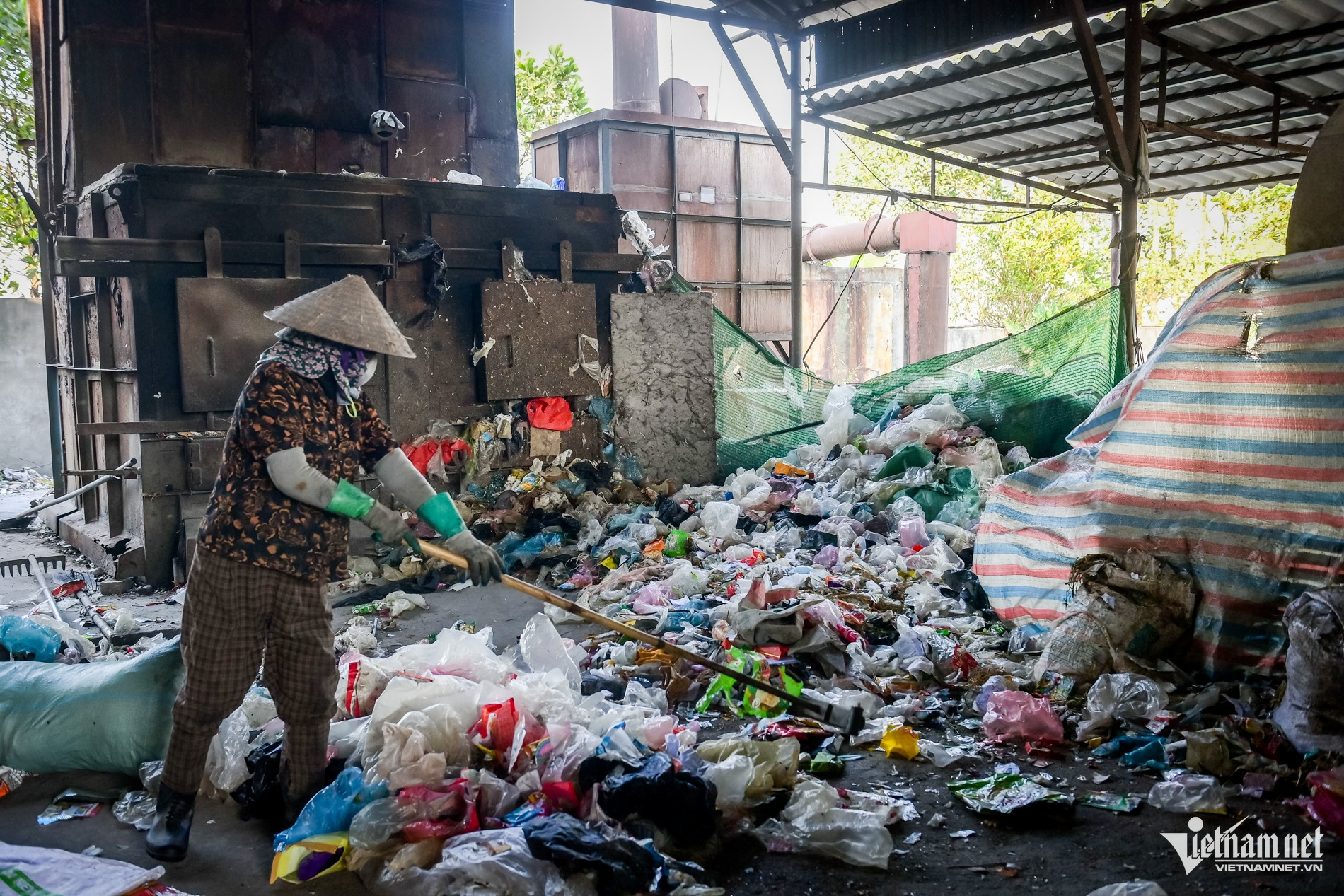

Truong’s system has been replicated in multiple provinces, including Phu Tho and Quang Ninh, and earned a patent from Vietnam’s Intellectual Property Office under the Ministry of Science and Technology.
Perhaps most rewarding, Truong says, is watching former landfills being reborn. The site of the old Tho Nghiep landfill is now a community football field - a green space where children once feared to tread.
A community transformation
Vu Truong Khanh, Chairman of Xuan Hung Commune, praised the system: “We now collect waste three times a week, with a 98% collection rate, and no leftover trash.”
He noted that the automated system has significantly reduced the need for landfilling, improved public hygiene, and enhanced community satisfaction.
Looking ahead, the commune plans to raise public awareness around waste separation at the source, further boosting recycling efficiency.
From polluted dumps to community spaces, Truong’s innovation is a testament to how local ingenuity can lead to scalable, green solutions - right at home in Vietnam.
Trong Tung
.svg)
