 Vietnamnet.vn

 Podcast



After nearly eight years of research, the team of Vietnamese scientists recently published their initial findings in Nature Communications, one of the world's leading scientific journals.
The paper, titled "VN1K is a pangenome-informed multi-omics and phenomics resource for the Vietnamese population," introduces a large-scale genomic dataset integrated with demographic and health profiles of the Vietnamese population.
Based on genomic analyses of 1,011 Vietnamese individuals originating from 53 out of 63 provinces and cities (based on old administrative boundaries at the time of sampling), VN1K recorded more than 42 million genetic variants. Remarkably, 8.5 million of these variants had never previously appeared in global public databases.
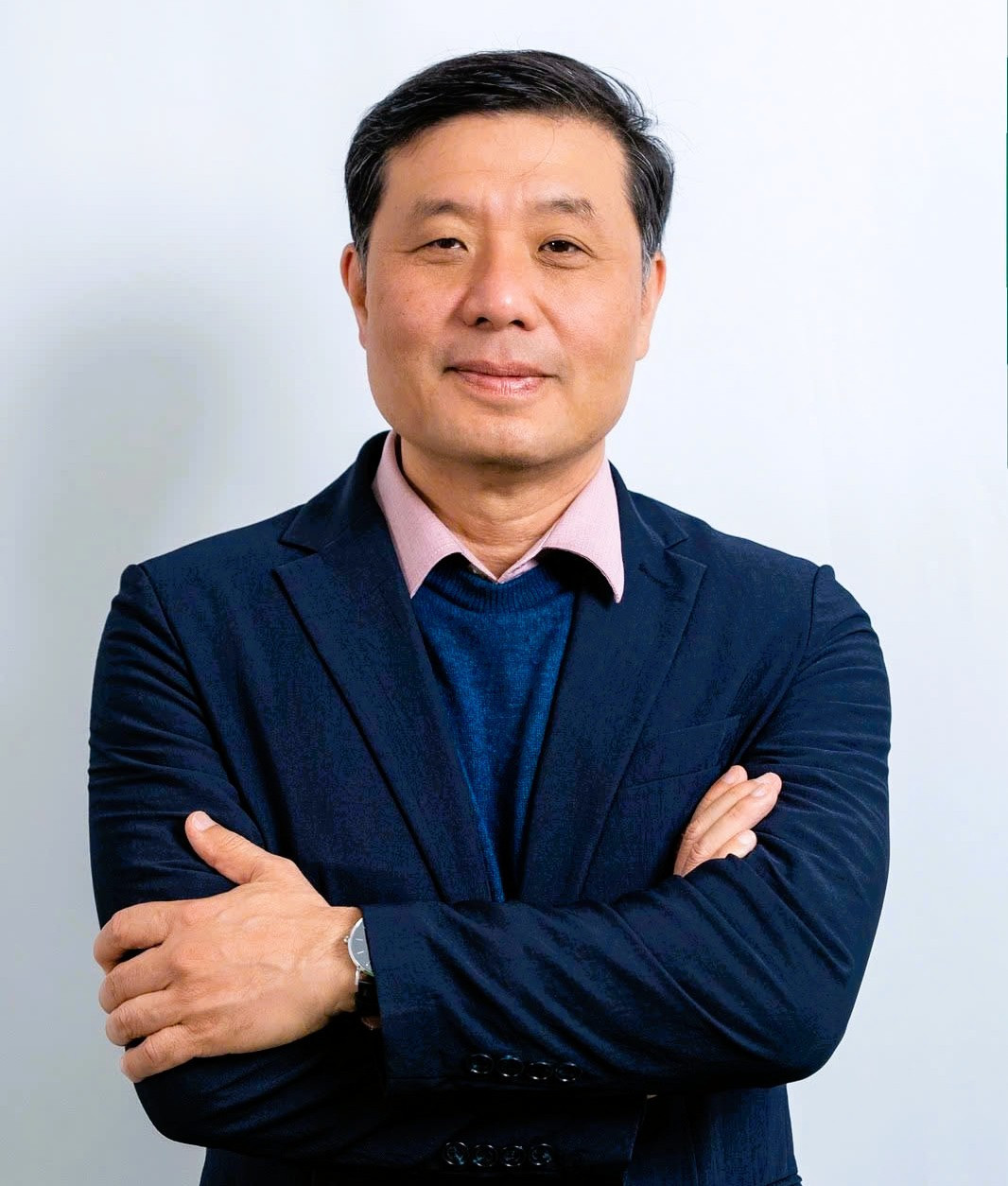
VietNamNet spoke with the project's initiator, Prof. Vu Ha Van, who now works for the Big Data Institute at VinUni and also serves as a professor at the University of Hong Kong.
"The Decoding 1,000 Vietnamese Genomes (VN1K) project consists of two main components. The first is collecting samples that accurately represent the Vietnamese population in terms of geographic distribution, ethnicity, age and gender. That required an enormous amount of time and effort,” he said.
"Once we had a thoroughly cleaned dataset, we analyzed it to identify the genomic characteristics unique of the Vietnamese population and to understand how those characteristics influence the Vietnamese population traits."
How far has the project progressed based on the newly published paper?
The paper reports numerous genetic variants that appear to be unique to the Vietnamese population and have not previously been identified in other ethnic groups or countries. In total, we identified more than 42 million genetic variants, including about 8.5 million that have never appeared in widely used international databases.
This is an important milestone that lays the foundation for building larger genomic databases and developing applications tailored to Vietnamese people, such as genetic testing kits that support disease prevention, personalized drug selection and precision treatment.
For example, genomic data can help predict the risk of certain diseases among different population groups or regions. In clinical treatment, individuals respond differently to medications, so genetic testing can help physicians choose the most appropriate drugs, reduce side effects and improve treatment outcomes.
In addition, genetic testing can help individuals understand their predisposition to certain diseases, enabling them to adjust their diet and lifestyle accordingly. For instance, children's ability to digest milk varies, and those differences can also be identified through genetic characteristics.
How do you assess the practical applications and future prospects of this research direction in Vietnam?
The future of medicine, both globally and in Vietnam, lies in preventive healthcare. Traditionally, medicine has focused on treating people after they become ill. Preventive medicine aims to keep people healthy.
Medicine is increasingly moving toward personalization, where each individual receives tailored care protocols, medication, nutrition, and disease prevention strategies matched to their unique biological makeup.
Genetic testing is one of the most effective and cost-efficient ways to achieve this. However, accurate results require comprehensive genomic databases and research on genetic variants specific to the Vietnamese population, because every ethnic group has distinct genetic characteristics and cannot rely entirely on international datasets.
We have already developed a number of genetic testing kits for preventive healthcare, covering areas such as medication guidance, nutrition and disease prevention. As our team expands and our database grows, we hope to deliver even more practical products that benefit the community.
Beyond healthcare, the project is also said to contribute to the 500-day campaign to identify fallen soldiers. Could you elaborate on that?
Findings from VN1K laid the groundwork for VinGenChip, a technology currently being tested to assist in identifying un-indexed remains of fallen soldiers. The chip utilizes data from the 1,000 Vietnamese genomes system to map genetic links between fallen soldiers and their surviving relatives.
If successful, the technology could reduce financial costs by two to three times compared to using foreign technologies, while marking a proud technological achievement for Vietnam.
The campaign consists of two main components. One is building a genetic database containing DNA profiles of relatives of fallen soldiers whose remains have not yet been identified. When DNA is extracted from newly recovered remains, officials will compare it against the database to locate matching relatives.
This approach is much faster and more effective than the individual search efforts that have been carried out over the past several decades.
Thanh Hung
.svg)
