 Vietnamnet.vn

 Podcast



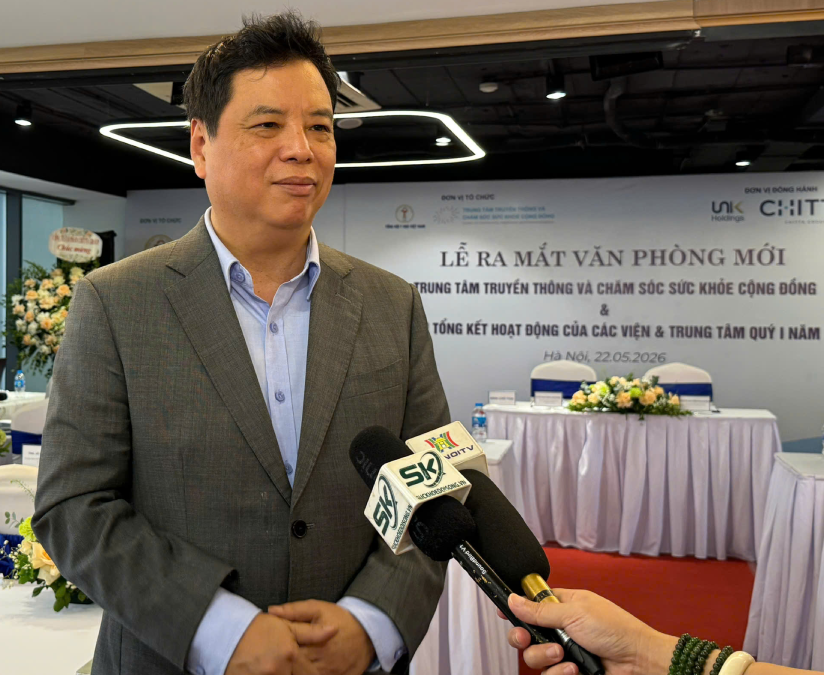
“Google and AI largely rely on how frequently information appears when generating results. That means heavily advertised and widely shared content is more likely to appear prominently, even if it is not official information or scientifically grounded,” Son explained.
According to Son, official sources from the Ministry of Health, the Vietnam General Association of Medicine and specialized medical associations remain highly reliable, but their online reach and social media presence are still limited. Meanwhile, advertisements for products, dietary supplements and folk remedies appear everywhere online.
More concerning, many people are beginning to believe promotional claims such as “drinking lemon juice cures diabetes,” “body detoxification therapies,” “superfoods that shrink tumors” or products marketed as medicines despite lacking clear scientific evidence.
One example is the trend of consuming high doses of lemon juice. While lemons contain vitamin C, an important nutrient for the body, excessive intake of concentrated lemon juice - especially on an empty stomach - can irritate the stomach, affect digestion and alter nutrient absorption.
“The dangerous part is that many people believe this is a miraculous treatment or health-boosting method even though there is no scientific evidence to support it,” Son said.
Do not blindly follow online health trends
As disease patterns continue to change dramatically, with around 80% of deaths now linked to chronic non-communicable diseases such as cardiovascular disease, diabetes and cancer, proactive healthcare has become increasingly important.
Son said people may consult health information from the internet or AI platforms, but they must pay close attention to the credibility of the source. Information from hospitals, health authorities, professional medical associations and recognized healthcare organizations should be prioritized. By contrast, content spread through social media influencers, celebrities or advertising campaigns should only be treated as reference material.
“People should not follow online trends simply because many others claim they tried them and felt healthier. If a method is unsuitable for you, the consequences could be extremely serious and may even cost lives,” Son warned.
He added that proactive healthcare goes beyond nutrition and also includes maintaining healthy lifestyles, exercising regularly, improving sleep quality and caring for mental health. To achieve this, people need access to accurate and science-based medical information.
On May 22, the Vietnam General Association of Medicine assigned the Center for Community Health Communication and Education, together with affiliated organizations, to proactively connect information from specialized medical associations in order to build a more reliable public health communication system and improve public awareness amid the “maze” of information circulating online.
Phuong Thuy
.svg)
