 Vietnamnet.vn

 Podcast



“This is the harshest heatwave I’ve experienced in 10 years living in France. Previously, hot spells usually lasted about 3–5 days, with highs of 34–37oC before the weather eased. But this year, the heat has lasted more than 10 days, temperatures in many places have topped 40oC, and there’s still no sign of cooling down.
“A stifling feeling blankets the city day and night,” said Ngoc Anh (also known as Nguyen Anh Lukas), a Vietnamese photographer living in Paris, France, told VietNamNet.
According to Ngoc Anh, in Paris, where building density is high and there are many concrete structures, the urban heat island effect makes the heat more severe.
Routine activities for his family such as going to market, taking children to school, working outdoors, or moving around the city all had to change to adapt to the heat.
Some schools and educational facilities had to close or recommend that parents keep children at home. Not every school is equipped with air conditioning or ventilation systems sufficient to ensure student safety in extreme heat.
“Even though my house has air conditioning, the kids still feel very stifled because they can’t go outside to exercise or play like at school. Being confined to the house makes them easily bored, irritable, and fussy. Taking care of the kids during prolonged hot days is much harder,” he shared.
In Moselle, France, Minh Nguyet, 35, and her family members, are also struggling to adapt to peak summer heat when it’s about 43oC outside. The secondary school where her daughter studies had to close in the afternoon because the weather was too harsh. Some end-of-year school events were canceled or postponed.
Nguyet moved to France to settle with her husband in 2023. In three years living in France, this is the first time she has seen temperatures spike and persist like this.
“Instead of letting the kids run around outside all day like usual, I have to keep them indoors more. The children must wear long sleeves and hats whenever they go out. I constantly remind my husband and kids to drink water, wear hats, apply sunscreen, and not shower while sweating,” Nguyet shared.
But according to Nguyet, where she lives has many trees, no concrete effect, and little vehicle exhaust, so the air is more pleasant than in big cities like Paris.
Nguyet noticed changes in the routines of nearby families who had to give up habits like outdoor dining, walking, and playing sports in the sun.
“People around here rushed to buy bottled water to chill in the fridge. Vegetables and fruits have all increased in price somewhat. Demand for foldable pools has also surged, even selling out,” she said.
According to Anh, in densely populated areas of Paris, many families often keep windows closed and draw thick curtains to keep cool air inside and limit hot air from outside.
But by midday, when indoor temperatures rise, plus body heat, the air becomes stuffy, forcing people to open front and back doors to create ventilation.
“On windless days, opening windows barely helps cool down, and can even make the house hotter, like a steam oven,” he said.
One of the biggest problems for French residents is the lack of cooling equipment. Previously, summers in France were quite pleasant, with common temperatures around 25–27oC. At night, many nights required a blanket to sleep, and during the day fans weren’t even needed. So, many families do not have air conditioning at home.
In addition, installing fixed air conditioners with outdoor units must comply with strict regulations from building management or local authorities. Ngoc Anh’s family was luckier, having prepared a movable air conditioner in advance. This has become a device many families are “hunting” for these days.
In recent days, Ngoc Anh also had to adjust his work schedule to adapt to the weather. He often takes clients for photo shoots and tours from 6:00–8:00 to avoid the heat. After that time, many clients accept canceling schedules because it’s too exhausting.
On days taking clients to outdoor tourist sites, Ngoc Anh has almost no choice but to shorten the outdoor itinerary.
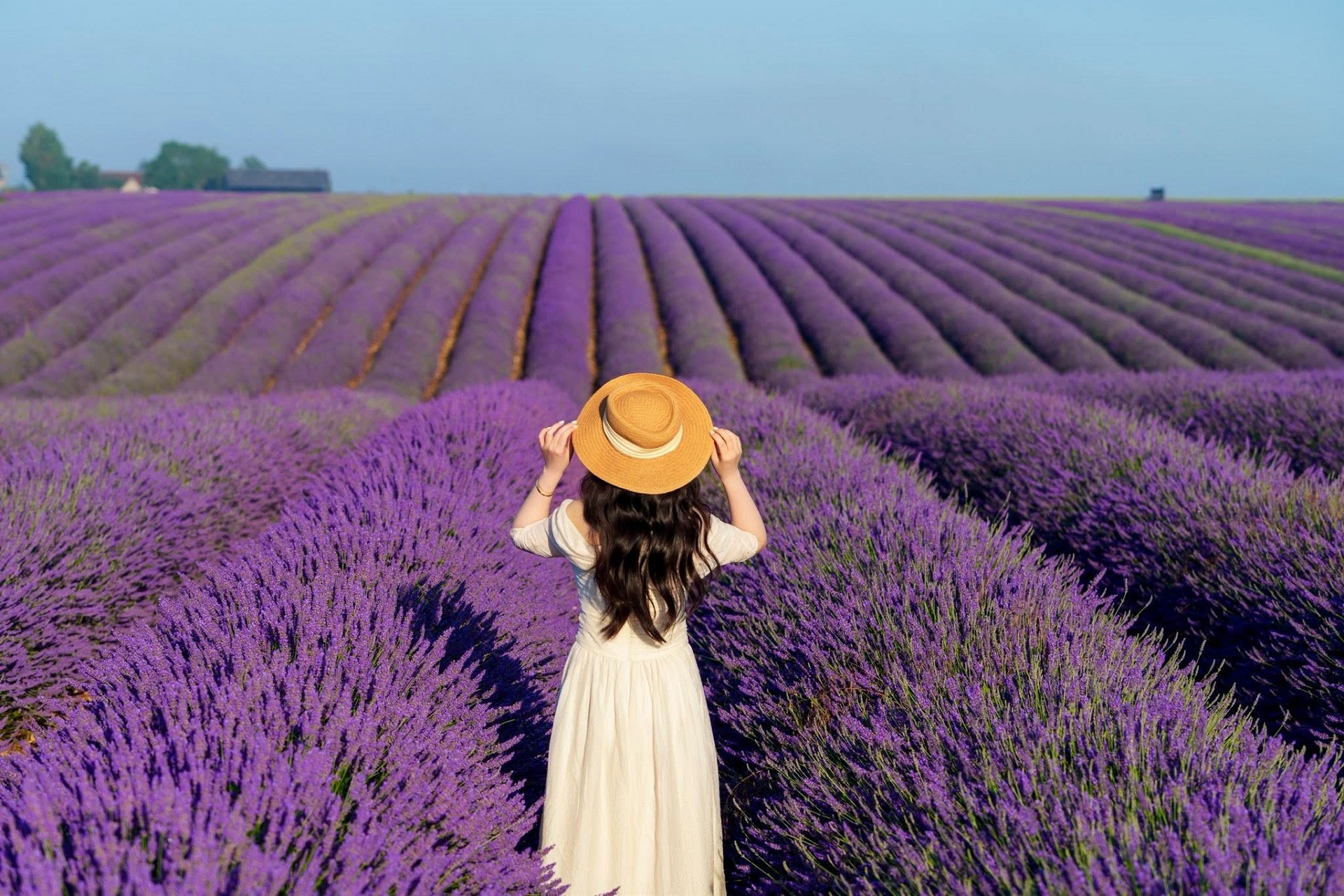
“We try to move very quickly, sightsee and take photos fast, then return to the car to avoid the sun and rest in air conditioning. Also because of the harsh sun, many lavender fields - a French summer specialty - had to be harvested earlier than usual,” he said.
Linh Trang - Thanh Minh
.svg)
