 Vietnamnet.vn

 Podcast


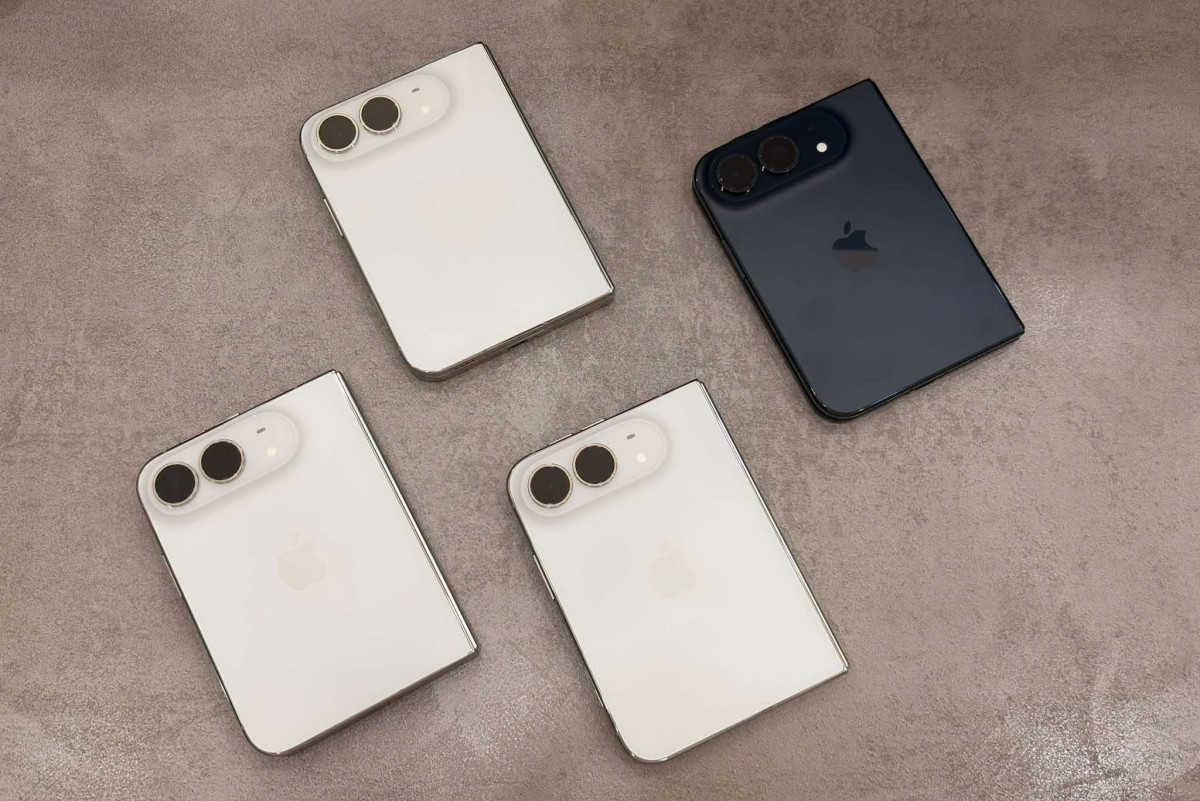
Quan Huynh, owner of Huynh Nguyen Store, a retailer specializing in Apple products in Ho Chi Minh City, said his shop has bought back numerous iPhone Duo devices in recent days, particularly the 256GB version, from customers who had used them for only a short time.
Many sellers are concerned about reports of cracked screens, an issue Apple has acknowledged and which has attracted extensive media coverage in recent days.
"They are willing to lose several million dong compared with the original price because they fear their iPhones might develop screen cracks, even though their devices have not actually experienced any problems," Quan said.
According to Quan, resale prices for the iPhone Duo have fallen steadily over the past few days. During the first two days after launch, buyers could make profits of VND12-15 million ($460-575) by reselling the device amid supply shortages. Now, however, stocks are readily available and the price premium has largely disappeared.
For example, a black 256GB iPhone Duo distributed through official channels in Vietnam currently sells for just over VND65 million ($2,490), while imported versions from overseas markets are available for slightly more than VND64 million ($2,450).
Some traders who stockpiled devices in anticipation of higher resale prices have even suffered losses as prices declined.
Nguyen Tuan Thanh, owner of Thanh Store, another retailer specializing in Apple iPhones, confirmed the trend. He said that while resellers could initially earn profits of tens of millions of dong because of limited supply, resale prices have now returned to levels comparable to Apple's official retail prices.
Thanh attributed the decline to improved availability. Many customers who placed orders through authorized retail chains have now received their devices, with some choosing to resell them because they no longer need the phones or find that the products do not meet their expectations.
However, Thanh pointed out that some transactions that appear to involve losses relative to the listed retail price can still generate small profits for sellers.
This is because buyers who used certain bank cards or payment methods at authorized retailers received discounts of VND1-3 million (approximately $38-115).
For instance, a 256GB iPhone Duo with a listed price of VND64.99 million (approximately $2,490) can be resold for VND64-64.5 million ($2,450-2,470). Buyers who received payment discounts may still make a modest profit despite selling below the official price.
Dao Huy Viet, owner of Nhat Huy Mobile, another retailer involved in the iPhone Duo resale market, said the device presents several usability challenges.
In his view, Apple's decision not to include Face ID, along with applications that have yet to be fully optimized for the foldable format, makes the phone difficult to use.
Nevertheless, as Apple's first foldable iPhone, the Duo has generated considerable curiosity among consumers eager to experience and own the device ahead of others.
That enthusiasm led to shortages during the initial sales period, prompting some customers to pay substantial premiums.
Viet recalled one customer who paid VND129 million ($4,940) for a 2TB iPhone Duo at his store.
Just two days later, the same customer sold the phone back for VND110 million (around $4,215), taking a loss of VND19 million ($730) after finding the device difficult to use and unsuitable for his needs.
From a consumer's perspective, Lisa Chau, CEO of TLC Trading, shared a similar experience. She said she sold her iPhone Duo after only a few days because it did not suit her preferences.
According to Chau, Apple's foldable smartphone is too large and bulky, making it uncomfortable to hold.
She said the iPhone Duo feels less comfortable in the hand than Samsung's Galaxy Z Fold 8. She also found that its applications were not as compatible or as smooth as she had expected.
Le My

