 Vietnamnet.vn

 Podcast



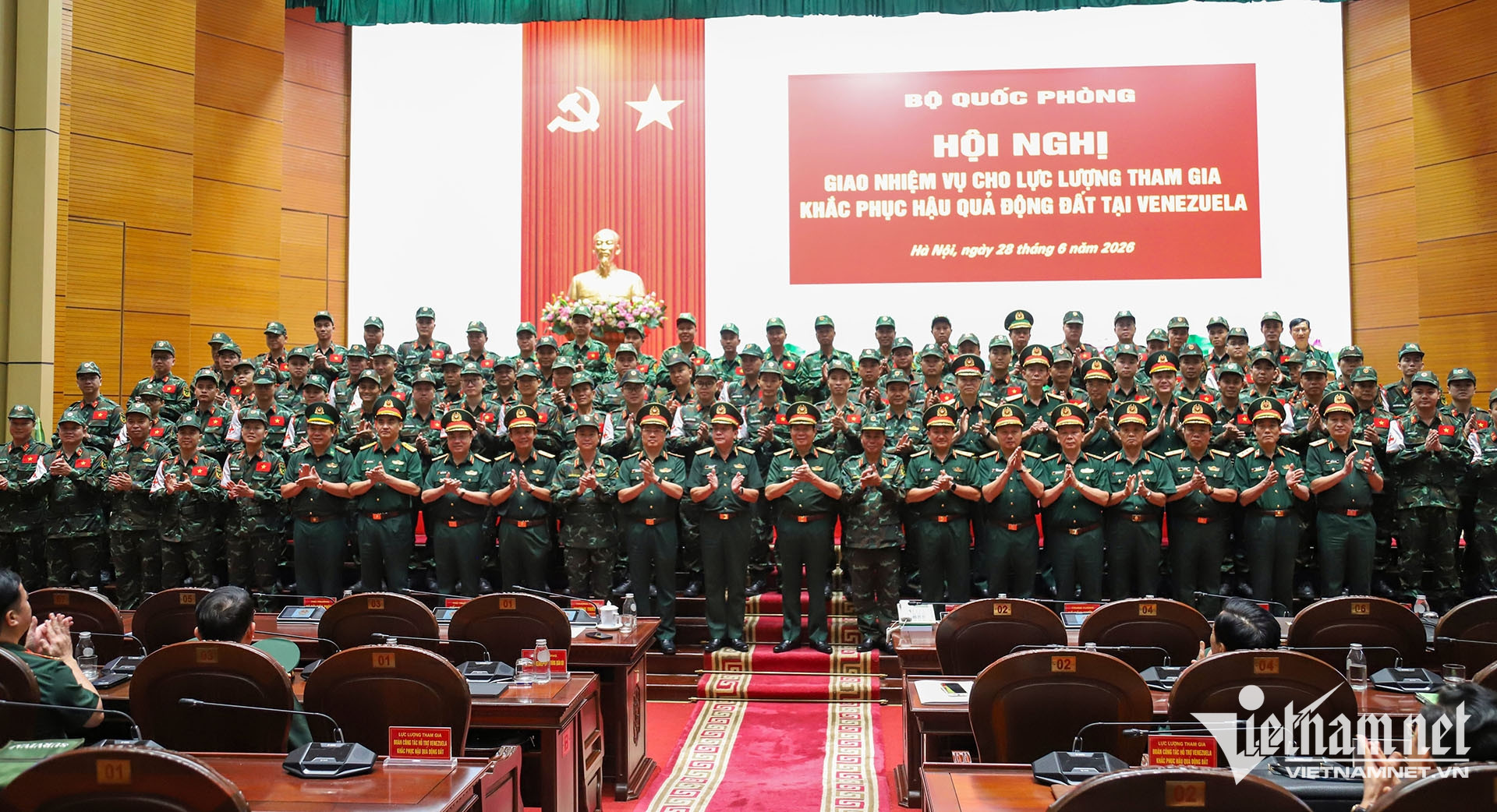
On the night of June 28, a contingent of 82 military personnel from Vietnam's medical, engineering and border guard forces departed for a roughly 20-day mission to assist earthquake rescue efforts in Venezuela.
This marks the fourth time that the Vietnam People's Army has deployed personnel and equipment overseas for humanitarian assistance and disaster relief. Among the 82 members are many who previously took part in earthquake response missions in Türkiye and Myanmar.
The mission is led by Major General Pham Van Ty, Deputy Director of the Rescue and Salvage Department under the General Staff of the Vietnam People's Army and Deputy Chief of the Office of the National Civil Defence Steering Committee. It is also the third time he has been appointed by the Ministry of National Defence to lead a Vietnamese military rescue mission overseas.
Major General Pham Van Ty, 61, has spent many years in rescue and disaster response and previously commanded Vietnam's international rescue missions to Türkiye in 2023 and Myanmar in 2025.
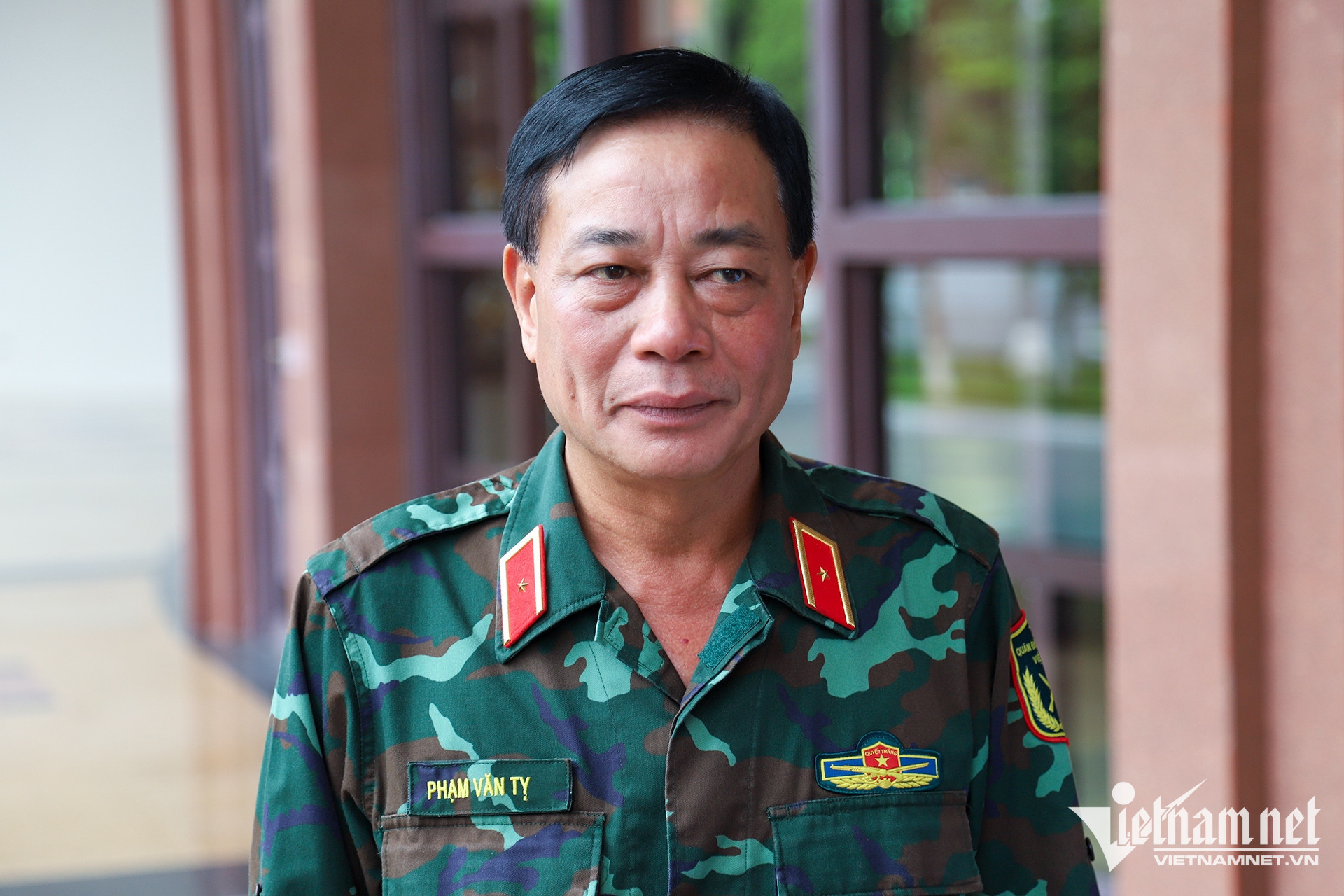
Speaking before departure, Major General Pham Van Ty said that immediately after receiving news of the disaster in Venezuela, the Central Military Commission and the Ministry of National Defence instructed relevant units to assess the situation and develop the most effective and practical support plan.
The command and coordination unit consists of 11 members led by Major General Pham Van Ty. The deputy mission leaders are Major General Nguyen Duy Minh, Deputy Director of the Department of Foreign Relations, and Colonel Mac Duc Trong, Deputy Director of the Vietnam Department of Peacekeeping Operations. The command team also includes officers from the Rescue and Salvage Department, the Department of Foreign Relations, the Vietnam Department of Peacekeeping Operations and the Department of Military Security Protection.
The engineering rescue unit consists of 31 personnel equipped with victim detection systems for collapsed structures, hydraulic cutters and spreaders, lifting equipment, concrete drilling and cutting tools, and other specialised equipment.
The military medical team comprises 30 personnel equipped with medical devices, medicines and essential supplies to carry out the mission. The team includes staff from Military Hospital 103 under the Vietnam Military Medical University, Military Hospital 354 and Military Hospital 105.
The search dog unit from Intermediate School No. 24 under the Vietnam Border Guard Command consists of 10 personnel working with eight trained search dogs.
Following approval from the Standing Secretariat of the Communist Party of Vietnam, the military decided to deploy the 82-member delegation of officers and professional service personnel to carry out humanitarian assistance and disaster relief in Venezuela.
The delegation includes 26 commissioned officers and 56 professional service personnel, organised into four units. Military journalists are also accompanying the mission.
According to Major General Pham Van Ty, all 82 personnel possess strong political commitment and fully understand their determination and responsibility while undertaking an international mission, remaining ready to perform under any circumstances.
Each member of the delegation recognises that this is not only a diplomatic mission but also a humanitarian responsibility, approaching the search and rescue of earthquake victims in Venezuela with the same spirit as helping their own fellow citizens.
Regarding rescue operations, Major General Pham Van Ty said the search dog unit will be the first force to identify the locations of victims trapped beneath collapsed buildings, followed by engineering and medical teams.
Specifically, the border guard search dog unit will reach the disaster site first to identify locations where victims may be trapped beneath collapsed structures. The information will then be passed to the engineering unit and local rescue forces to organise search and rescue operations.
The engineering unit will use through-wall radar systems, image and sound detection equipment, and other specialised tools to help locate victims and support rescue operations.
According to Major General Pham Van Ty, these methods and technologies have already proven effective during Vietnam's earthquake relief missions in Türkiye and Myanmar.
Alongside search and rescue efforts, the military medical team, including specialists in internal medicine and surgery, together with comprehensive medical equipment and supplies, will remain ready to provide emergency treatment and medical care for both disaster victims and rescue personnel.
In addition to rescue equipment, the delegation is carrying more than 60 tonnes of food, medicines and essential relief supplies to support the people of Venezuela.
Compared with previous overseas missions, this deployment will continue using equipment already proven effective while strengthening the search dog capability and victim detection capacity to reduce the time needed to locate survivors. The goal is to find victims as quickly as possible, using every available method to bring them out from beneath the rubble at the earliest opportunity.
"We are soldiers, always ready to go wherever we are needed and carry out our mission under any circumstances. With determination, clear conviction and a strong sense of responsibility, we regard searching for victims beneath the rubble and helping the people of Venezuela as serving our own country," Major General Pham Van Ty said.
Assigning the mission, General Nguyen Tan Cuong, Chief of the General Staff of the Vietnam People's Army and Deputy Minister of National Defence, stressed that during operations, under the principle of giving commanders full authority in the field, mission leaders should proactively discuss and resolve issues within their authority, while promptly reporting matters beyond their mandate for further guidance.
"In specific situations, the commander must consult with the team and decide on the best possible course of action without waiting for approval on every issue, because saving even one minute could mean saving one life. The commander must make the decision and take responsibility for that decision," General Nguyen Tan Cuong said.
Tran Thuong
.svg)
