 Vietnamnet.vn

 Podcast


$9.5 million factory designed to produce 300,000 vehicles annually
Vietnamese technology startup AVES (Green Technology and Energy Joint Stock Company) plans to build an electric vehicle manufacturing complex and research and development (R&D) center in Hung Yen province, covering approximately 30,000 square meters.
The project, with planned investment exceeding VND250 billion ($9.5 million), is expected to begin operations in the second quarter of 2027.
The facility will have a designed annual capacity of up to 300,000 vehicles, focusing on three product categories: electric bicycles, electric motorcycles and electric three-wheelers.
It is among the first major investment projects undertaken by AVES since the startup was established on September 9, 2026.
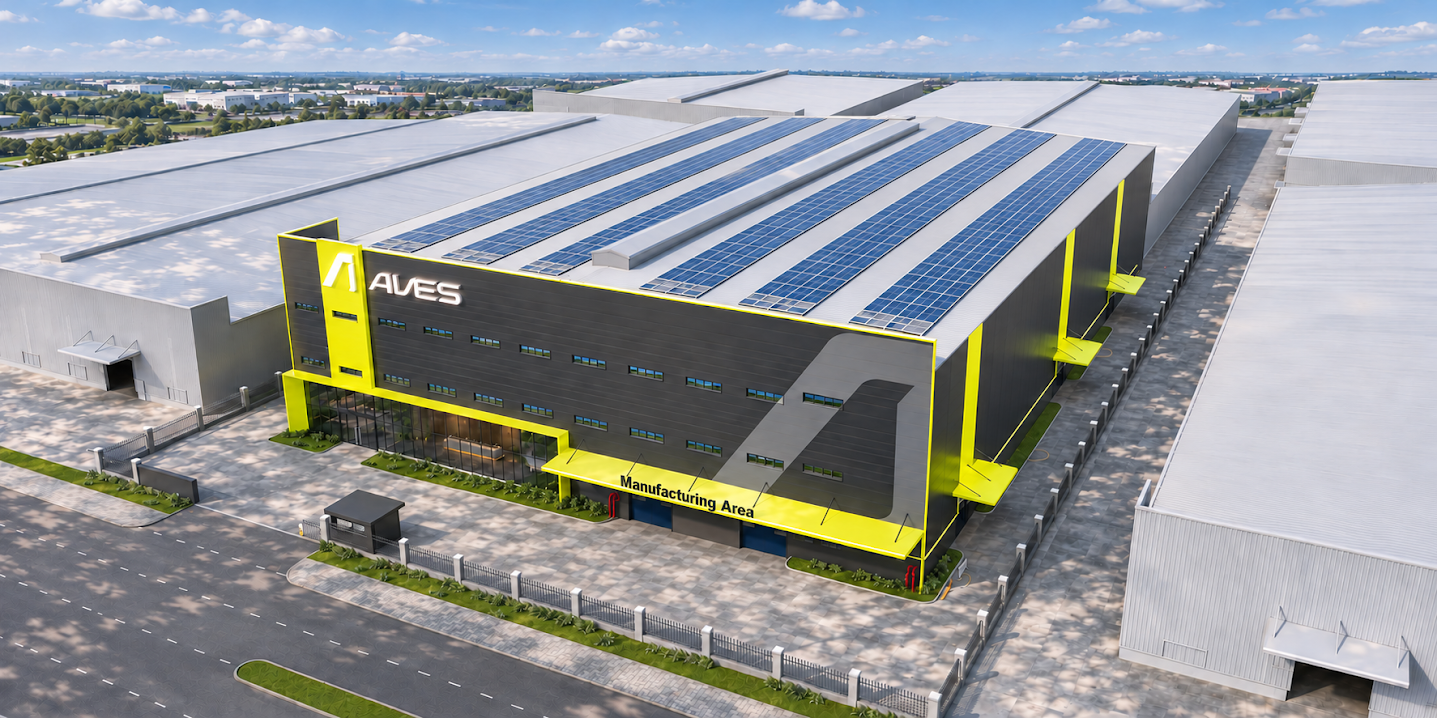
According to the company's plans, the complex will be developed using existing factory infrastructure in Hung Yen. It will include production lines, product research areas, engineering offices and supporting facilities.
AVES said it is preparing its supply chain, expanding its partner network and recruiting technical personnel ahead of the planned launch.
The factory's designed capacity of 300,000 vehicles a year represents a significant commitment for a newly established company, particularly as Vietnam's electric motorcycle market attracts growing interest from manufacturers.
However, the figure represents planned capacity rather than actual production. The facility's eventual output will depend on the completion of production lines, component availability and consumer demand once its vehicles reach the market.
A notable feature of the project is the integration of an R&D center within the manufacturing complex, rather than focusing solely on vehicle assembly.
The center is expected to employ more than 50 engineers and specialists in mechanical engineering, electrical and electronic systems, software development and control technologies.
Research activities will cover vehicle structural design, electric powertrains, controllers, software and smart connectivity features.
The company also plans to invest in laboratories, measurement equipment, precision mechanical testing systems, electrical and electronic testing facilities, and dedicated vehicle testing areas.
Locating research and manufacturing operations within the same complex is expected to shorten product development cycles. Testing results could be transferred directly to engineering and production teams, allowing designs and manufacturing processes to be refined before vehicles enter the market.
This approach reflects a broader strategy pursued by some electric vehicle manufacturers seeking greater control over product design and technology rather than relying entirely on existing platforms and externally sourced components.
For a newly established company, however, building substantial research capabilities, mastering core technologies and turning those capabilities into commercially competitive products will take time to demonstrate.
First Vietnamese-branded electric vehicles expected in 2027
Nguyen Van Thanh, founder and CEO of AVES, said the company intends to invest in research, development and manufacturing simultaneously from the outset.
"The planned investment of more than VND250 billion is an important step in AVES' long-term strategy. We want to build a Vietnamese electric vehicle brand offering quality products, proprietary technology and the ability to compete in both domestic and international markets," Thanh said.
Under its announced strategy, AVES will develop smart mobility products combining electrical and electronic technologies, software and connectivity capabilities.
The company aims to introduce its first electric vehicle models to the market in 2027, following the factory's planned opening in the second quarter.
Vietnam's electric motorcycle market already features numerous domestic and international manufacturers.
Among Vietnamese brands, VinFast currently leads the market, alongside companies such as Dat Bike, Pega, Selex Motors and Before All.
Chinese manufacturers including Yadea, TAILG and Dibao have also expanded their presence, with some investing in large-scale manufacturing facilities in Vietnam.
Meanwhile, Japanese motorcycle manufacturers Honda and Yamaha are accelerating their transition toward electric mobility with models such as the ICON e:, CUV e: and Neo's.
According to Motorcycles Data, Vietnam recorded sales of more than 970,000 electric motorcycles and scooters during the first nine months of 2026, accounting for over 30% of the overall motorcycle market.
Electric two-wheeler sales rose approximately 90.5% year on year, while gasoline-powered motorcycles, despite retaining nearly 70% of the market, recorded growth of around 7%.
These figures highlight a substantial shift in Vietnam's two-wheeler market as consumers increasingly turn toward electric alternatives.
The decision by a newly established company to invest in a factory capable of producing hundreds of thousands of electric vehicles annually further illustrates the market's growing appeal.
Nevertheless, AVES faces challenges beyond completing its manufacturing facility on schedule.
Its long-term prospects will also depend on whether it can introduce competitively priced vehicles, maintain consistent product quality and establish an after-sales service network capable of competing with established manufacturers.
Hoang Hiep

