 Vietnamnet.vn

 Podcast



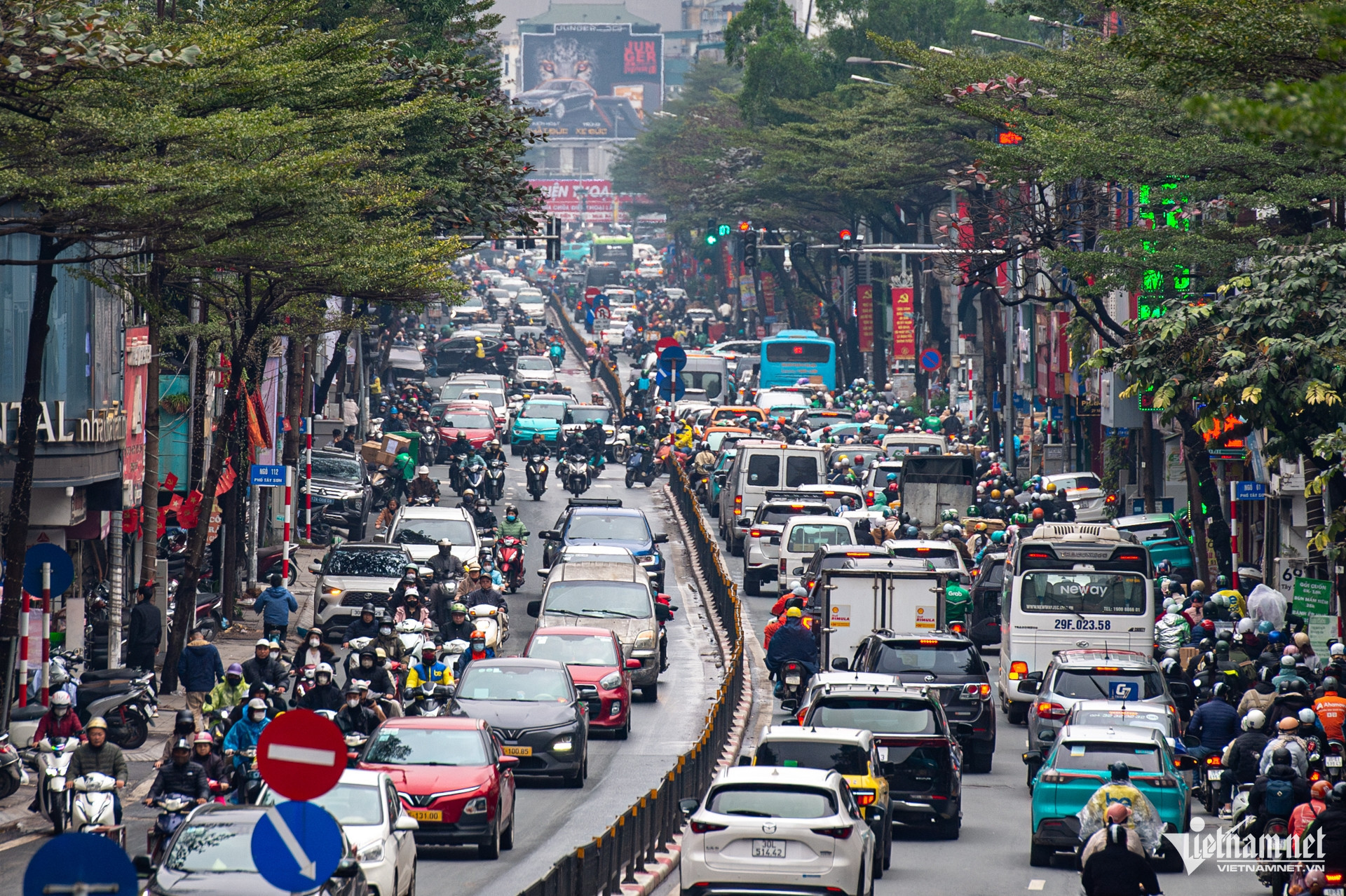
The worker's monthly income is equivalent to only about 100 bowls of pho.
This simple comparison reveals a pressing question: with that income, how much is left for rent, children's tuition, utilities, fuel, and various other living expenses?
According to statistics, the average monthly income of workers in 2025 was approximately VND8.4 million. In urban areas, this figure was slightly higher, at around VND10 million. In other words, the majority of Vietnamese workers earn between VND8 million and VND10 million per month, an amount sufficient to maintain a basic life but far from affluent when burdened by the high costs of urban living.
At an NA session, one estimate suggested that for a household with two working adults raising two children to maintain a normal standard of living, total monthly income should reach about VND21 million, or roughly VND10.5 million per person.
If we place these three figures side-by-side: the minimum wage of VND5 million, the average income of VND8.4 million, and the "living wage" of VND10.5 million, the gap between actual income and the cost of a stable life remains significant.
When viewed in the broader context of the economy, a paradox emerges: Many essential costs, from housing and education to urban services and even administrative fines, are priced at levels more typical of far wealthier economies.
30 years, or a lifetime
The gap becomes most visible when looking at housing prices.
In many international studies, housing affordability is measured by the number of years required to purchase a home. A Vietnamese household today needs about 30 years of income to afford an apartment, roughly double the global average.
What is more concerning is that housing prices continue to rise. Between 2019 and 2024, real estate prices increased by nearly 60 percent. In 2025 alone, many areas recorded further gains of 10 to 30 percent, according to the Ministry of Construction.
In major cities, a typical apartment now costs between VND3 billion and VND6 billion. Given average incomes, homeownership has become an increasingly distant dream for many young families.
Even renting is not easy. In Hanoi and HCMC, monthly rent for a small apartment can range from VND5 million to VND10 million, equivalent to half or even the entirety of many urban workers’ incomes.
This shows a clear paradox: people's income belongs to a middle-income economy, but housing costs mirror those of much wealthier nations.
This pressure is amplified by a larger trend in the economy: urbanization. By the end of 2025, Vietnam's urbanization rate was estimated at about 45 percent. This means millions of people from rural areas continue to move to cities seeking jobs and better opportunities. Each of them needs a place to live, a school for their children, and an urban service system. When urban demand outpaces the supply of affordable housing, price levels are easily pushed higher.
Education is becoming one of the largest expenditures for urban households. Many private schools currently set tuition fees ranging from VND8 million to VND20 million per month. For international schools, the cost can reach several hundred million VND per year. This leads to a common situation: a child's tuition can equal or even exceed the monthly income of an average worker.
Meanwhile, fuel prices have surged by around 40 percent, and cost pressures have spread to many areas of life, from transportation and food to daily services.
This means many goods carry an additional layer of transportation costs, contributing to Vietnam’s logistics expenses, which account for about 16 to 20 percent of GDP, nearly double that of many developed economies.
When all these factors - housing, education, energy, and services - are combined, many people feel a familiar reality: the cost of living appears to be rising faster than incomes.
Still, Vietnam retains an advantage not all countries have. Thanks to its tropical climate and decades of economic reforms, the country remains largely self-sufficient in food production. This foundation ensures that daily meals remain within reach for many families.
In a rapidly transforming economy like Vietnam, growth can be measured by many different figures. But for many families, the simplest measure of development remains a very familiar thing: The quality of their daily meals.
Tu Giang
.svg)
