 Vietnamnet.vn

 Podcast



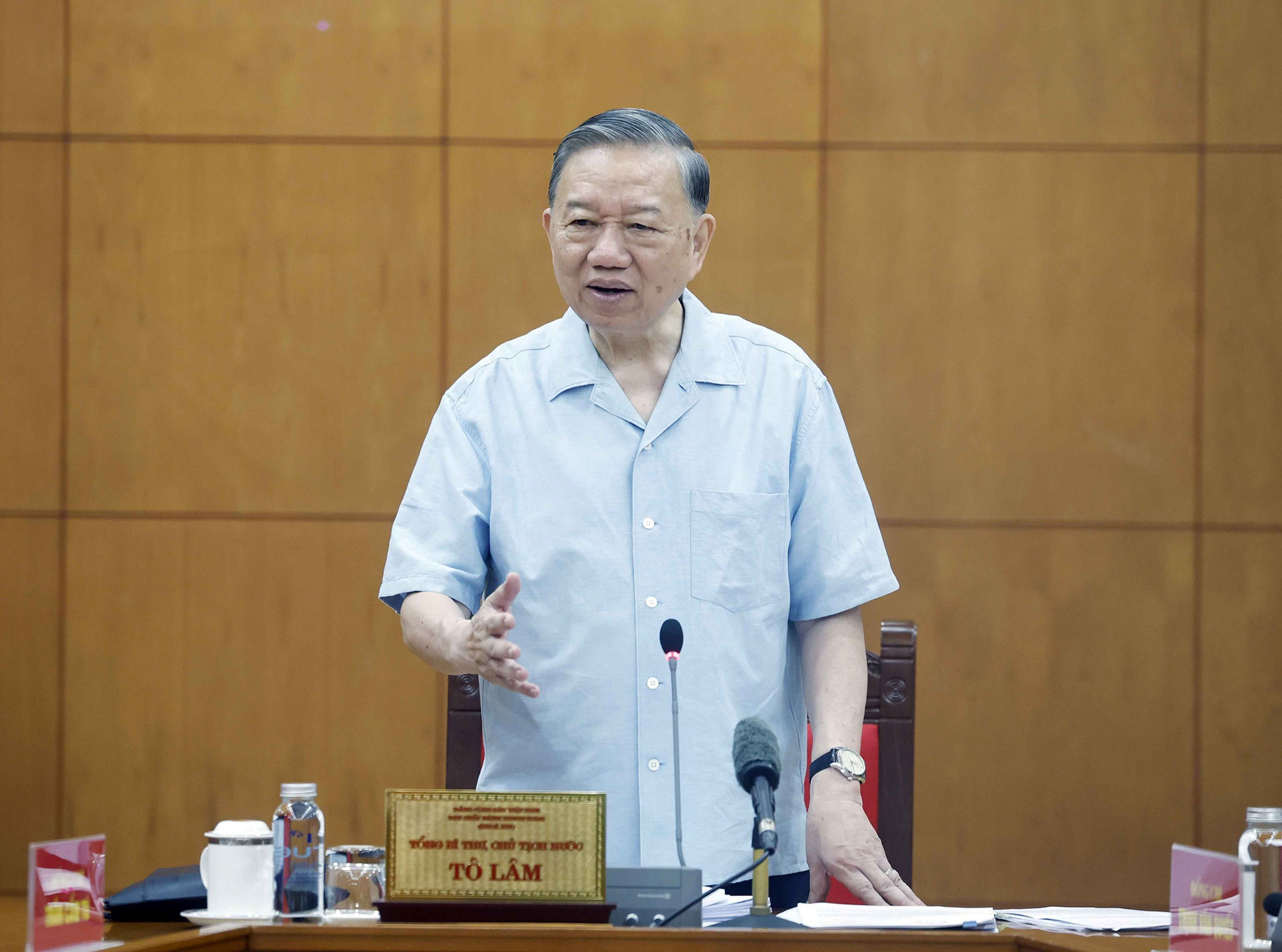
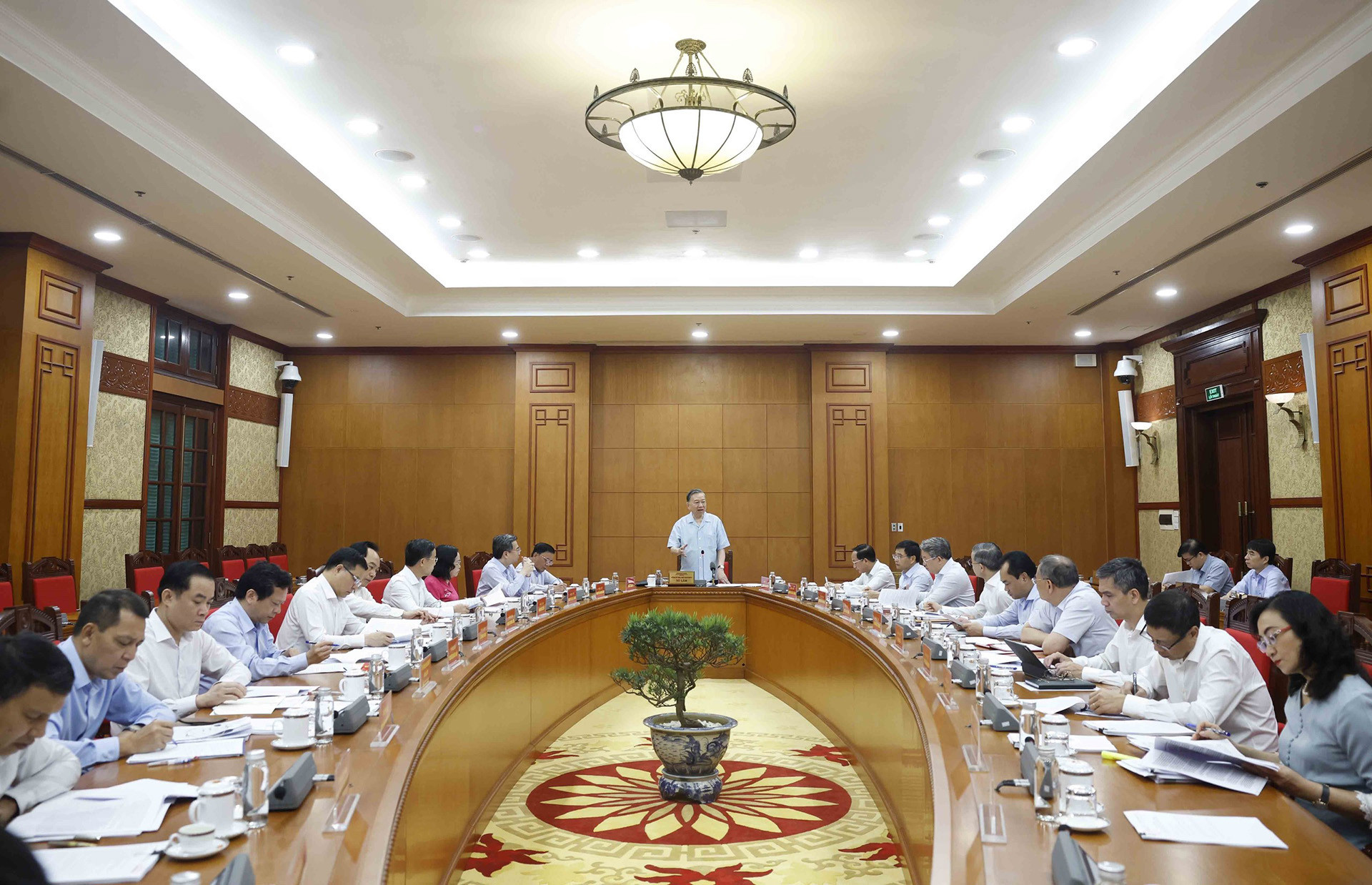
Mr. To Lam emphasized that mechanisms for mobilizing, allocating, utilizing, and transforming resources must become the central focus of policy making.
“The question is not only what resources we have, but what mechanisms allow those resources to contribute to development and growth,” he said.
According to the Party chief, many resources are currently stuck due to institutional bottlenecks.
Without resolving these obstacles, Vietnam risks having resources that cannot be utilized, untapped potential that cannot be transformed into growth, sound policies that produce slow results, and ambitious goals without sufficiently strong implementation tools.
Mr. To Lam specifically called for a review and full resolution of resources delayed from entering use, warning against allowing national resources to remain immobilized by administrative procedures, disputes, fear of responsibility, or weak interagency coordination.
Regarding resource allocation, he said Vietnam must move away from fragmented, equal distribution based on administrative boundaries or political terms.
Instead, resources should be allocated based on efficiency, productivity, spillover effects, and measurable outcomes.
Public resources, he said, must lead private investment.
Public investment should stimulate social investment.
Foreign direct investment should help develop domestic enterprises.
Infrastructure must create new development spaces.
Science and technology must generate products, revenue, productivity, quality, and competitiveness.
To Lam also stressed the need to clearly define the conditions required for achieving double digit growth and to establish a new growth model alongside implementation mechanisms.
The new model, he said, must rely more heavily on productivity, science and technology, innovation, digital transformation, and data.
“These must become real growth drivers, not slogans,” he said.
The model must also strengthen the role of Vietnamese enterprises.
The private sector, he noted, is among the country’s most important growth engines.
State owned enterprises should focus on key sectors, strategic infrastructure, and leading large scale investments.
Foreign direct investment, meanwhile, should shift from quantity driven attraction toward quality, technology transfer, and stronger domestic linkages.
Regarding key tasks and solutions, To Lam called for the development of an institutional reform package aimed at unlocking resources.
He urged policymakers to abandon the mindset of “if it cannot be controlled, then ban it.”
“One issue, one content area should be regulated by only one law,” he said, while also calling for maximum administrative reform, a stronger shift from pre inspection to controlled post inspection mechanisms, and transparent, consistent, stable laws with long term vision.
He also ordered authorities to inventory, digitize, and free up trapped resources, while concentrating investment in growth poles, major projects, and industries with strong spillover effects rather than distributing resources evenly.
He concluded by emphasizing productivity, science and technology, data, and high quality human resources as the country’s primary development drivers.
Science and technology, he said, must focus on solving major national and sectoral challenges while preparing strategic human resources in fields including artificial intelligence, semiconductors, data science, cybersecurity, logistics, new energy, green hydrogen, nuclear power, biotechnology, new materials, high speed rail, and modern finance.
Tran Thuong
.svg)
