 Vietnamnet.vn

 Podcast



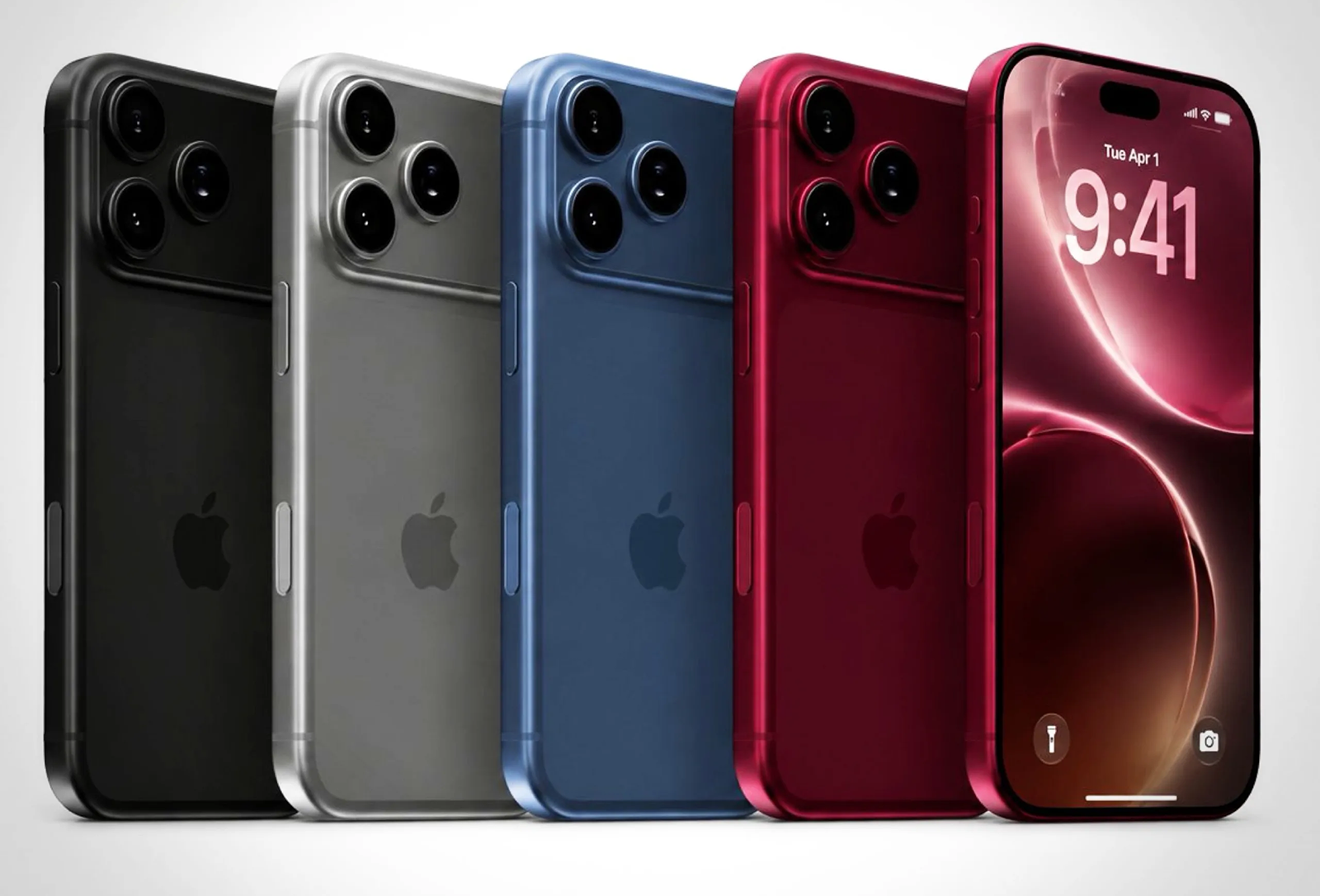
The potential iPhone 18 Pro Max shortage has little to do with processor manufacturing capacity or assembly lines. Instead, the problem reportedly lies with DRAM, a critical component whose limited supply is slowing the completion of Apple’s new A20 Pro chip.
According to Culpium analyst Tim Culpan, Apple is facing one of its biggest supply-chain challenges of the year.
While production of the A20 Pro itself is reportedly progressing smoothly, a shortage of DRAM means millions of chips cannot yet be completed and moved to the next stage of production.
A20 Pro production is on track, but DRAM is holding things up
This year’s iPhone 18 Pro and iPhone 18 Pro Max will use the A20 Pro, Apple’s first chip manufactured using TSMC’s advanced N2, or 2-nanometer, process.
The next-generation semiconductor technology entered mass production in early 2026 and is expected to deliver higher performance while consuming less power.
Once fabricated, however, the A20 Pro cannot immediately be installed in an iPhone. It must first be packaged together with DRAM using TSMC’s new Wafer-Level Multi-Chip Module, or WMCM, technology. That is where the supply chain is reportedly running into serious trouble.
According to Culpan’s sources, both production volume and yields for the A20 Pro are strong.
Large numbers of wafers containing A20 Pro chips, however, are reportedly sitting idle because there is not enough DRAM available to complete the packaging process.
In other words, chipmaking capacity itself is no longer the bottleneck. The shortage of DRAM is instead holding up the entire process.
About US$1 billion in Apple chips reportedly sitting at TSMC
The report claims TSMC is currently holding around US$1 billion worth of Apple chips that cannot move to the next stage because of the DRAM shortage.
The figure is particularly striking because it illustrates the enormous scale at which Apple is ramping up production ahead of its next major product launch.
If the memory shortage persists, the backlog of unfinished chips could continue to grow, directly affecting the assembly schedule for the iPhone 18 Pro and iPhone 18 Pro Max.
For Apple, any delay in shipping completed chips to assembly plants could mean fewer finished iPhones are available when the devices officially go on sale.
According to Culpan, Apple and its assembly partners remain confident that they will have enough devices to meet demand during the initial launch.
The bigger concern is what happens immediately afterward.
Inventories could be depleted rapidly following the first few days of sales. If that happens, customers ordering online could face significantly longer delivery times than in previous years, while stocks at physical retail stores could also disappear shortly after the phones go on sale.
In recent years, new iPhone Pro models have regularly seen delivery estimates stretch from several weeks to more than a month during the early sales period.
The latest DRAM supply crunch could see that pattern repeated, potentially on an even larger scale.
Demand for iPhone 18 Pro models could surge
Adding further pressure to supply is Apple’s reported change in its iPhone launch strategy.
Previous reports have suggested that this could be the first year Apple does not release the standard iPhone 18 in the fall.
Rather than launching alongside the Pro lineup as usual, the standard model is reportedly being pushed back to early 2027.
The iPhone Air 2 is also reportedly absent from Apple’s fall product launch plans.
That would leave Apple’s new iPhone lineup centered around the iPhone 18 Pro and iPhone 18 Pro Max, alongside the much more expensive iPhone Ultra.
With the iPhone Ultra positioned at the very top end of the market, many consumers could gravitate toward the two Pro models instead, potentially driving demand higher than usual.
If DRAM supplies do not improve quickly enough, initial production volumes may struggle to keep pace with that demand.
Consumers hoping to get an iPhone 18 Pro or iPhone 18 Pro Max soon after launch may therefore need to place their orders early or prepare for longer waits, particularly in markets where demand for new iPhones is strongest.
Hai Phong
.svg)
