 Vietnamnet.vn

 Podcast



Hundreds of young people have come face to face with memories of war through historic artifacts and firsthand accounts from those who lived through it, gaining a deeper understanding of the past and a greater appreciation for the value of peace.
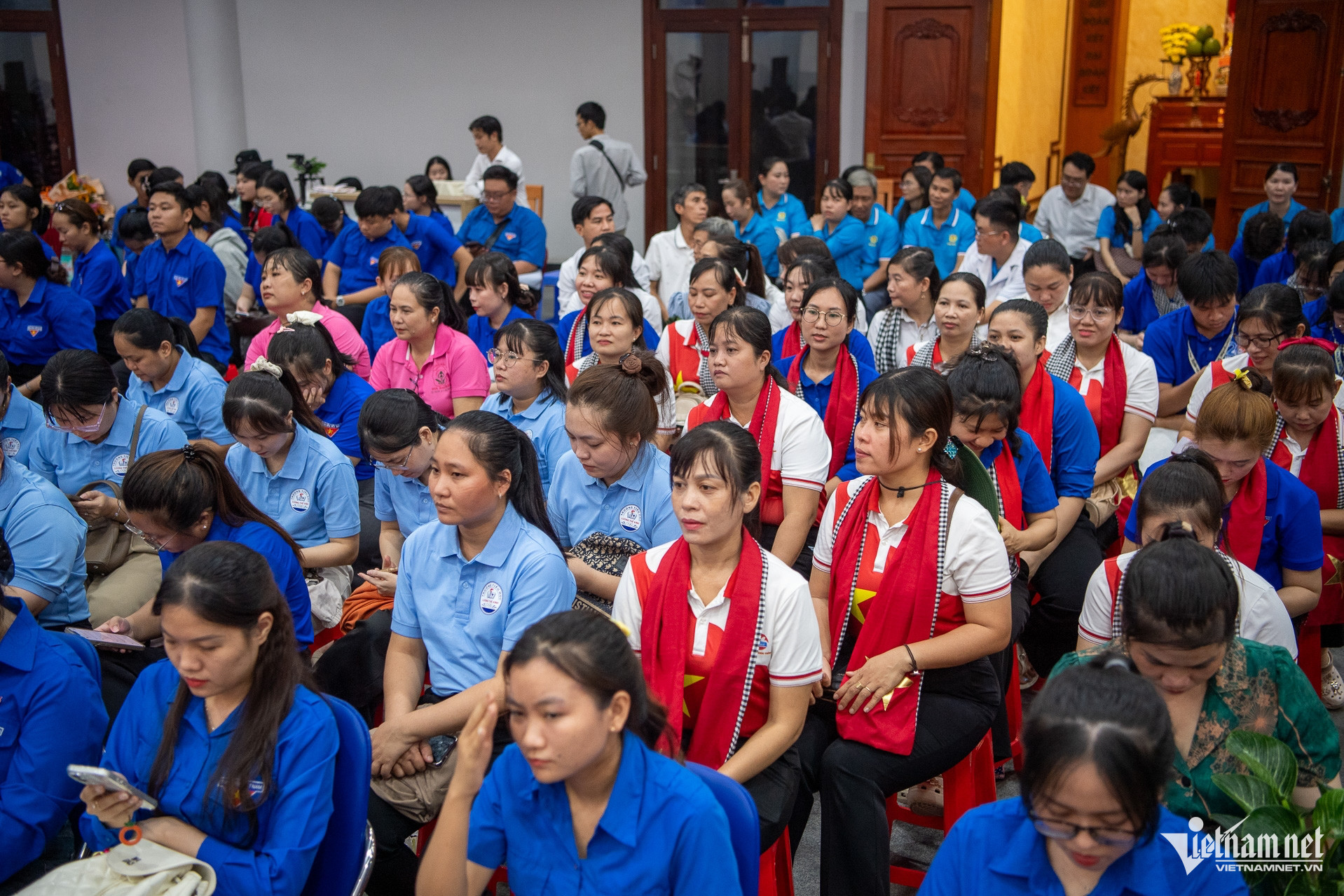
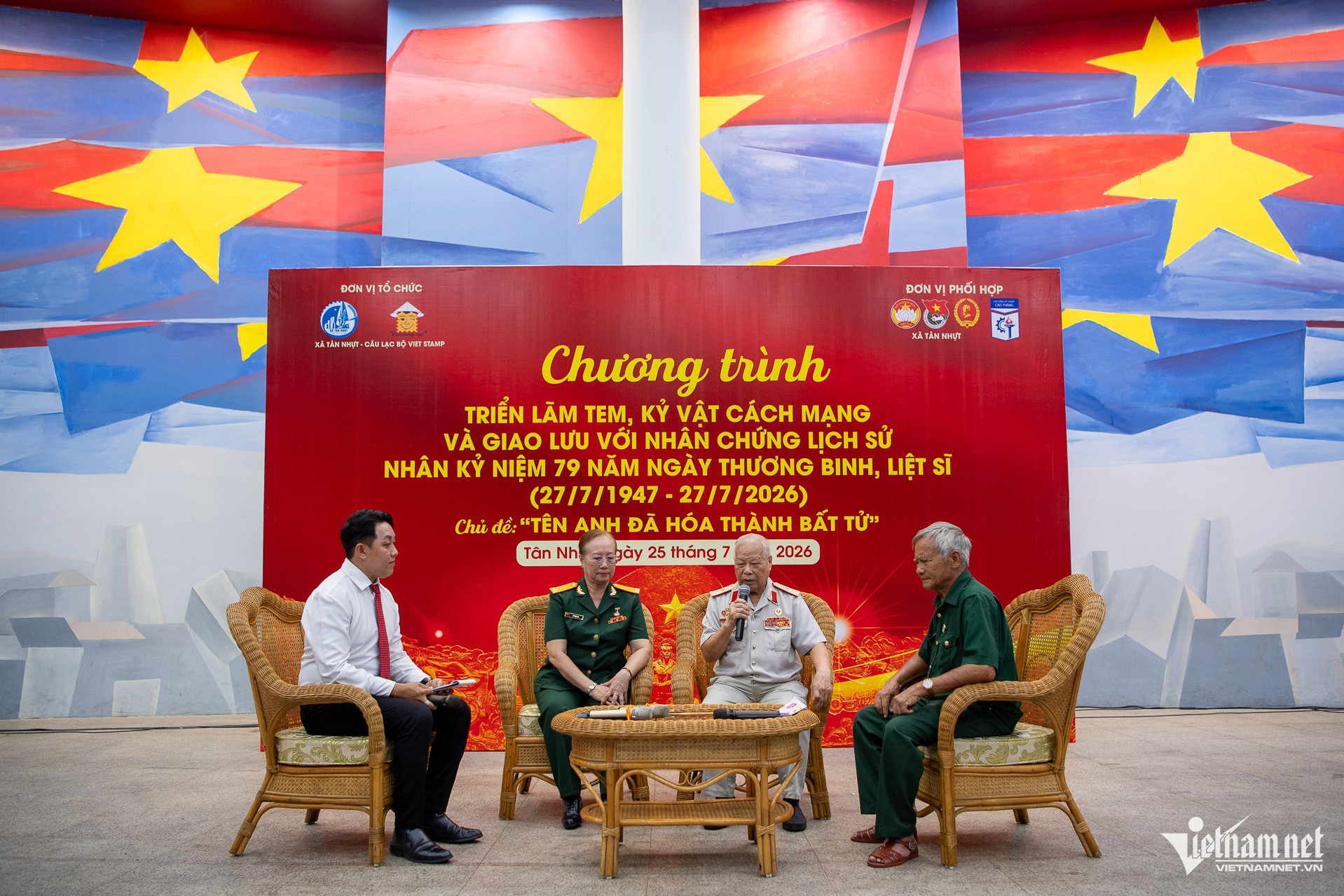
On the afternoon of July 25, hundreds of students gathered in the basement of the Revolutionary Tradition Site of the 1968 Tet General Offensive and Uprising in Tan Nhut Commune, Ho Chi Minh City, to hear historical witnesses recount their memories of wartime.
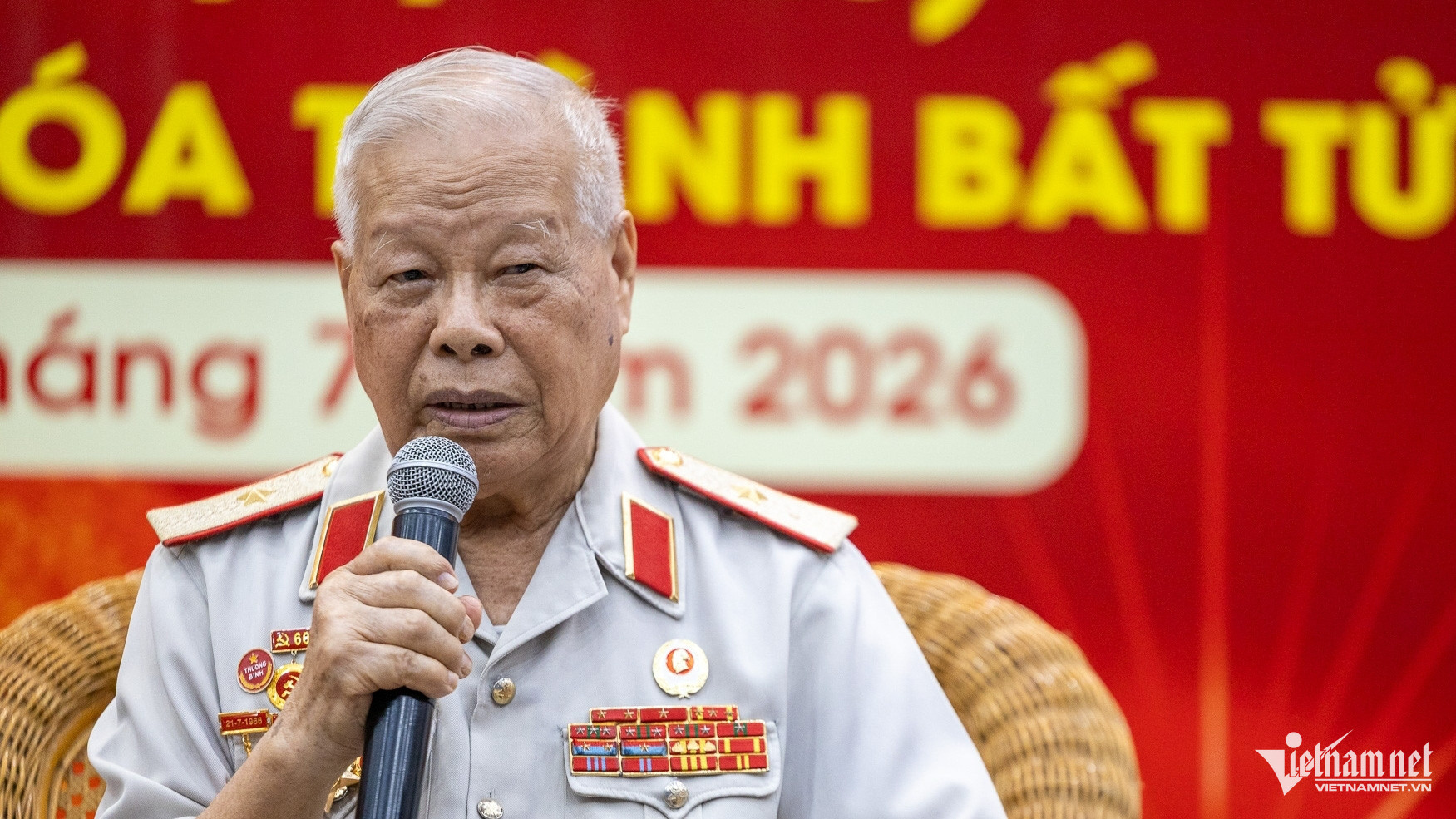
Among those taking part in the exchange were Maj. Gen. Nguyen Ngoc Danh, former Party Committee Secretary and Deputy Commander for Political Affairs of the 4th Army Corps, who directly participated in the historic Ho Chi Minh Campaign; Col. Vu Viet Ha, former Head of Planning and Chief of Office at the Center for Environmental Protection under the Institute of Tropical Technology and Environmental Protection, part of the Military Science and Technology Center; and Senior Lt. Nguyen The Hung, a former platoon commander and political officer of a company in Region 2.
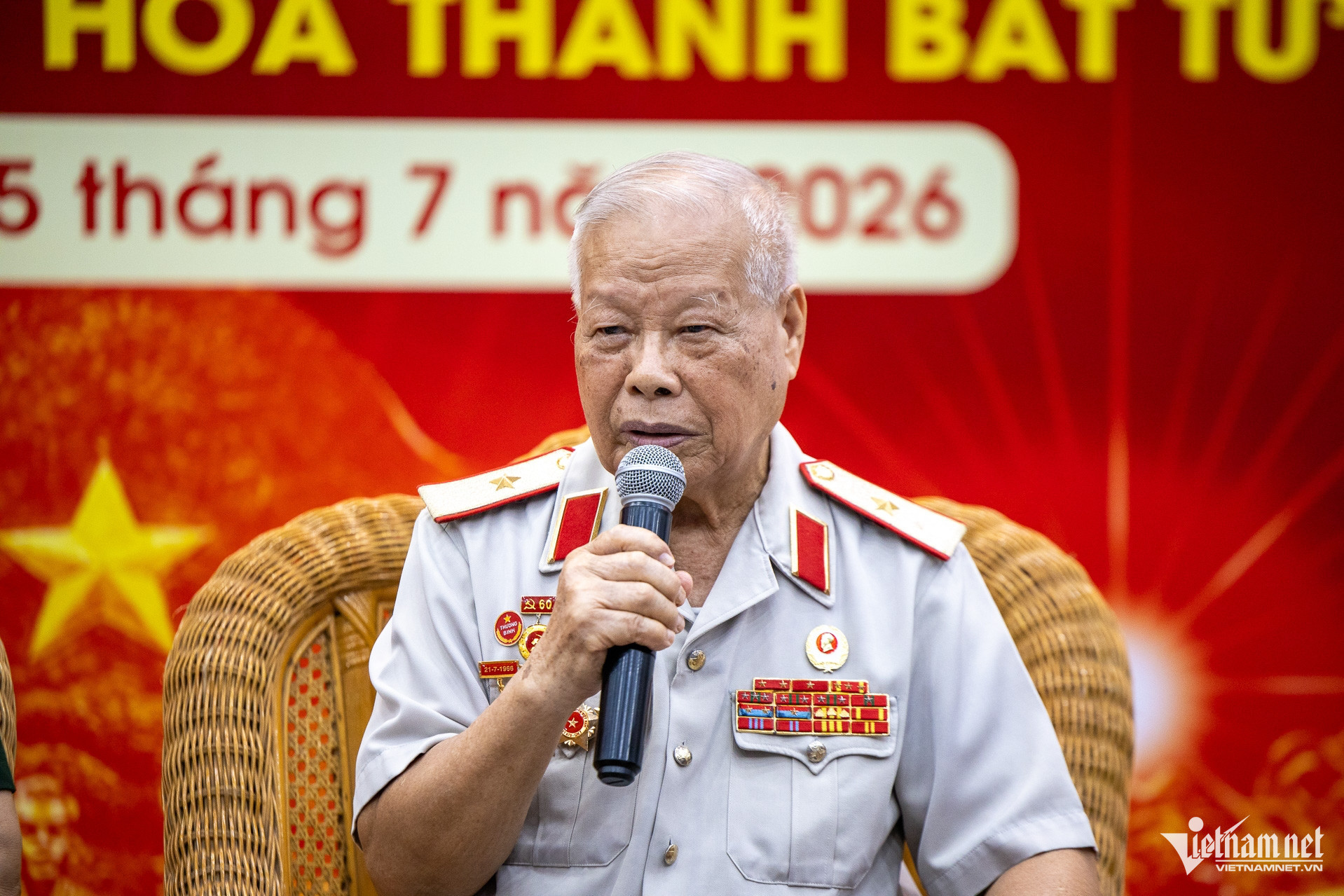
During the event, Maj. Gen. Nguyen Ngoc Danh took the young audience back through memories of fierce battles, from the Route 14-Phuoc Long Campaign and the Battle of Xuan Loc to the historic Ho Chi Minh Campaign. He stressed that the victory at Phuoc Long in early 1975 provided the basis for the Politburo to resolve to fully liberate the South, while the victory at Xuan Loc broke open the “steel door” on the advance toward Saigon.
He also emotionally recalled entering Saigon with the 4th Army Corps at noon on April 30, 1975, and witnessing the outpouring of joy among local people on the day the country was reunified. After liberation, his unit continued to carry out military administration duties, helping stabilize daily life and establish local authorities.
One story in particular deeply moved many students. Maj. Gen. Danh recounted being severely wounded and nearly buried by his comrades, who believed he had died, before they discovered that he was still alive. He said it was the bonds between comrades and their shared ideal of national independence that helped soldiers endure profound loss and sacrifice.
Concluding his remarks, Maj. Gen. Nguyen Ngoc Danh urged the younger generation to cherish peace, continue learning and developing themselves, and live responsibly so they can carry forward the achievements for which earlier generations paid with their blood and lives.
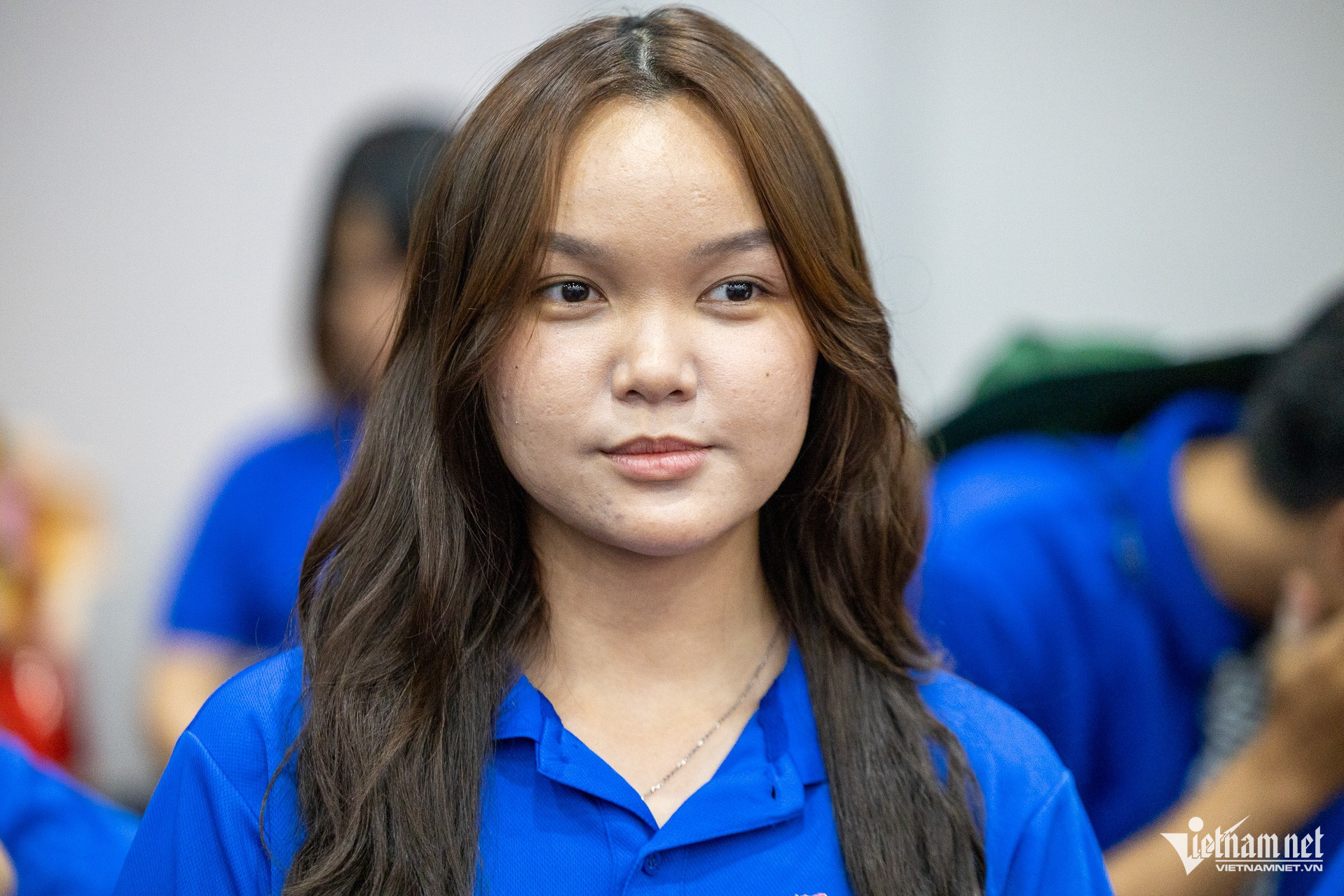
Nguyen Ngoc Tram Anh, a fourth-year student at Pham Ngoc Thach University of Medicine, said she was deeply moved by the stories of Maj. Gen. Nguyen Ngoc Danh, who was left with a 76% disability after the war. Tram Anh said firsthand accounts help younger generations better understand the sacrifices made by those who came before them, encouraging them to value peace and recognize their responsibility to study, contribute and serve the country.
She also said seeing revolutionary artifacts firsthand at the historical site made history far more vivid and accessible than learning solely from textbooks, creating an experience that was both emotional and difficult to forget.
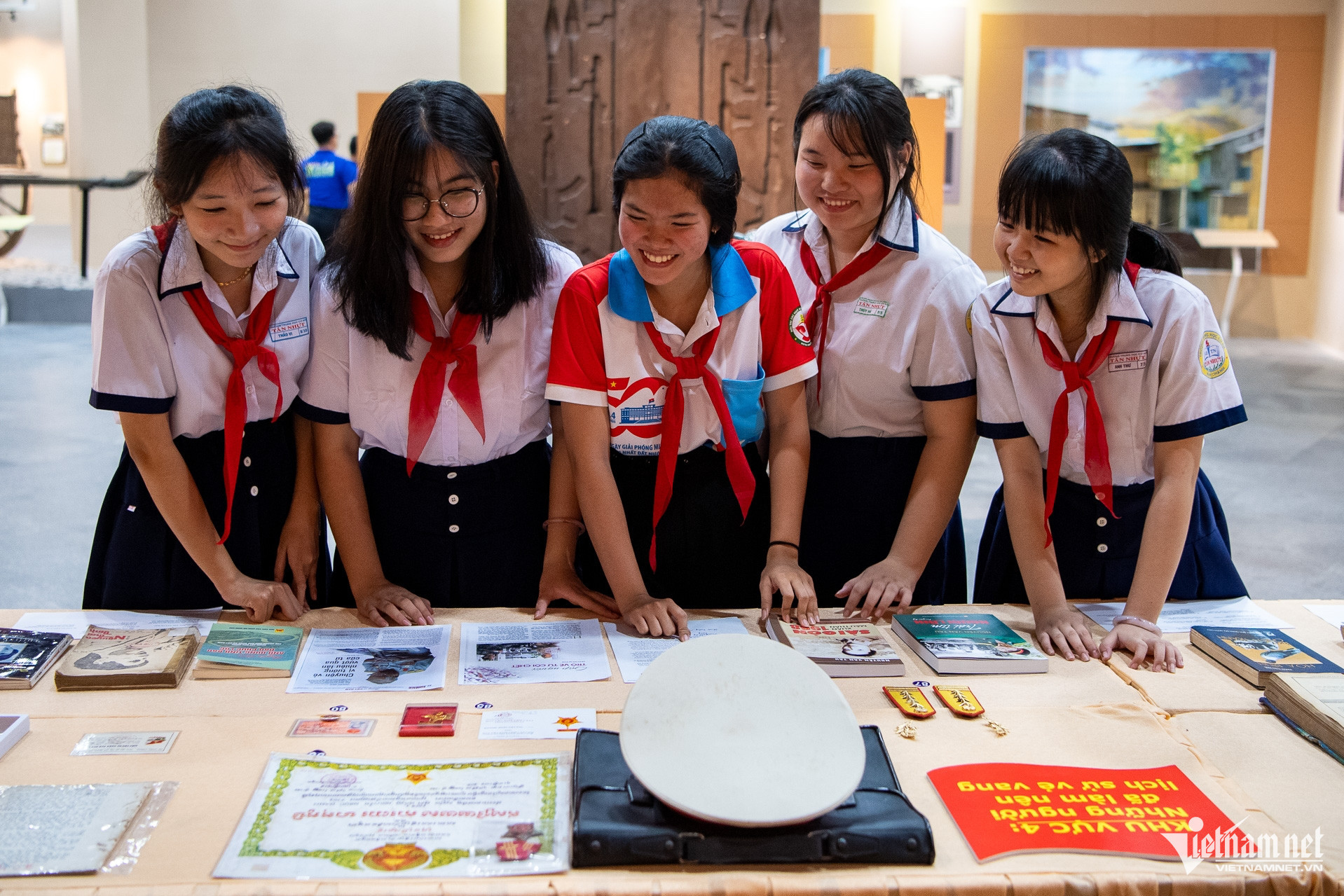
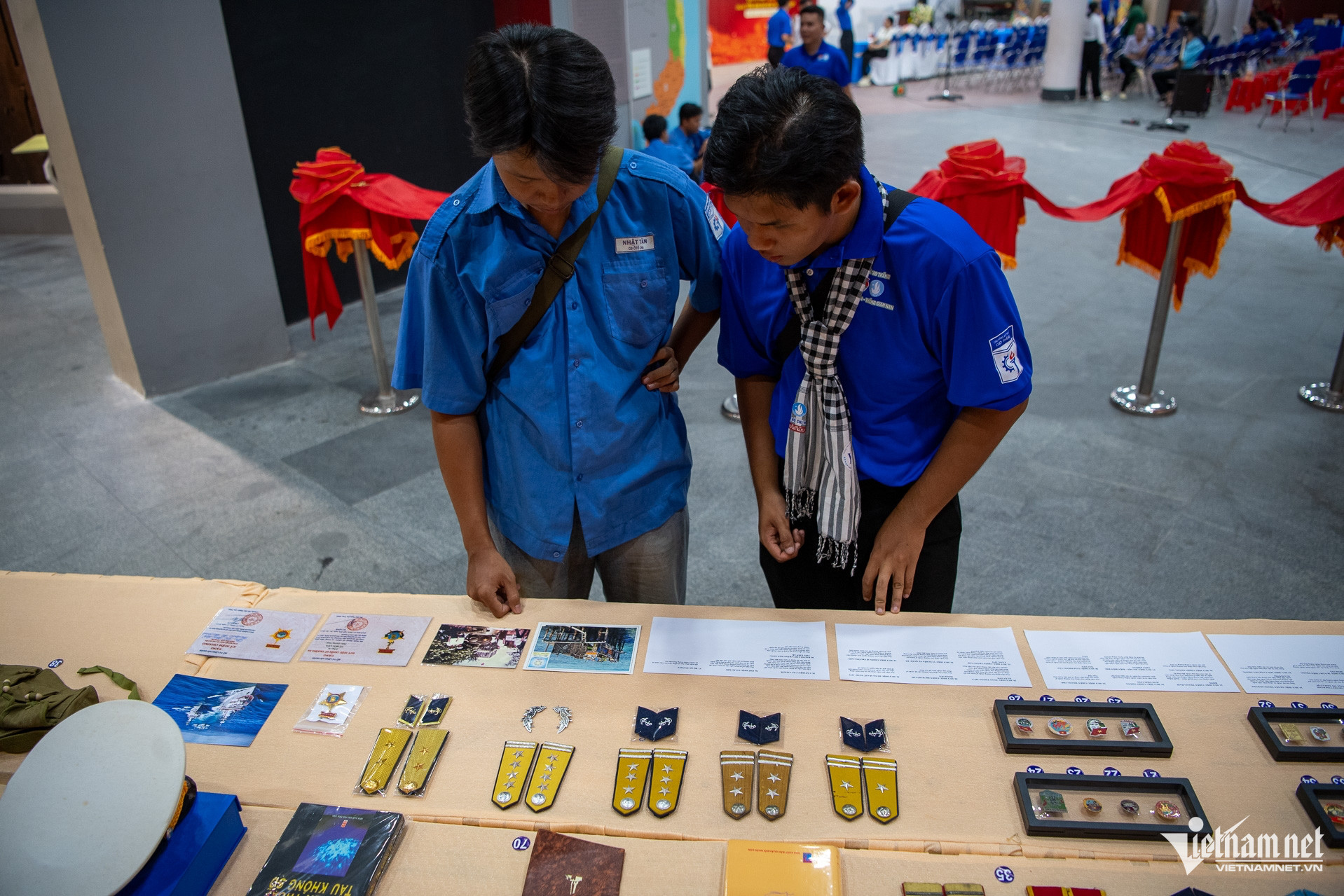
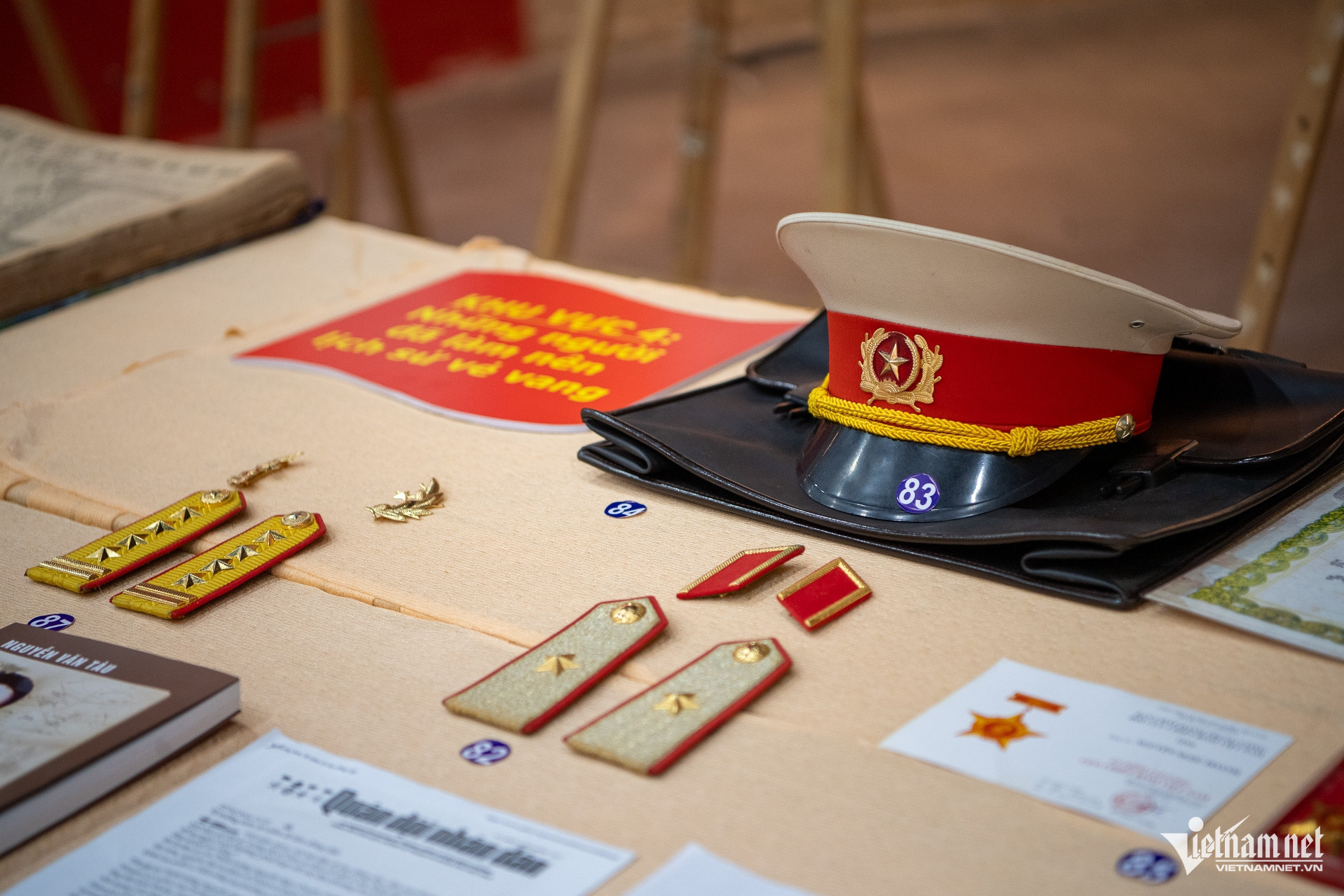
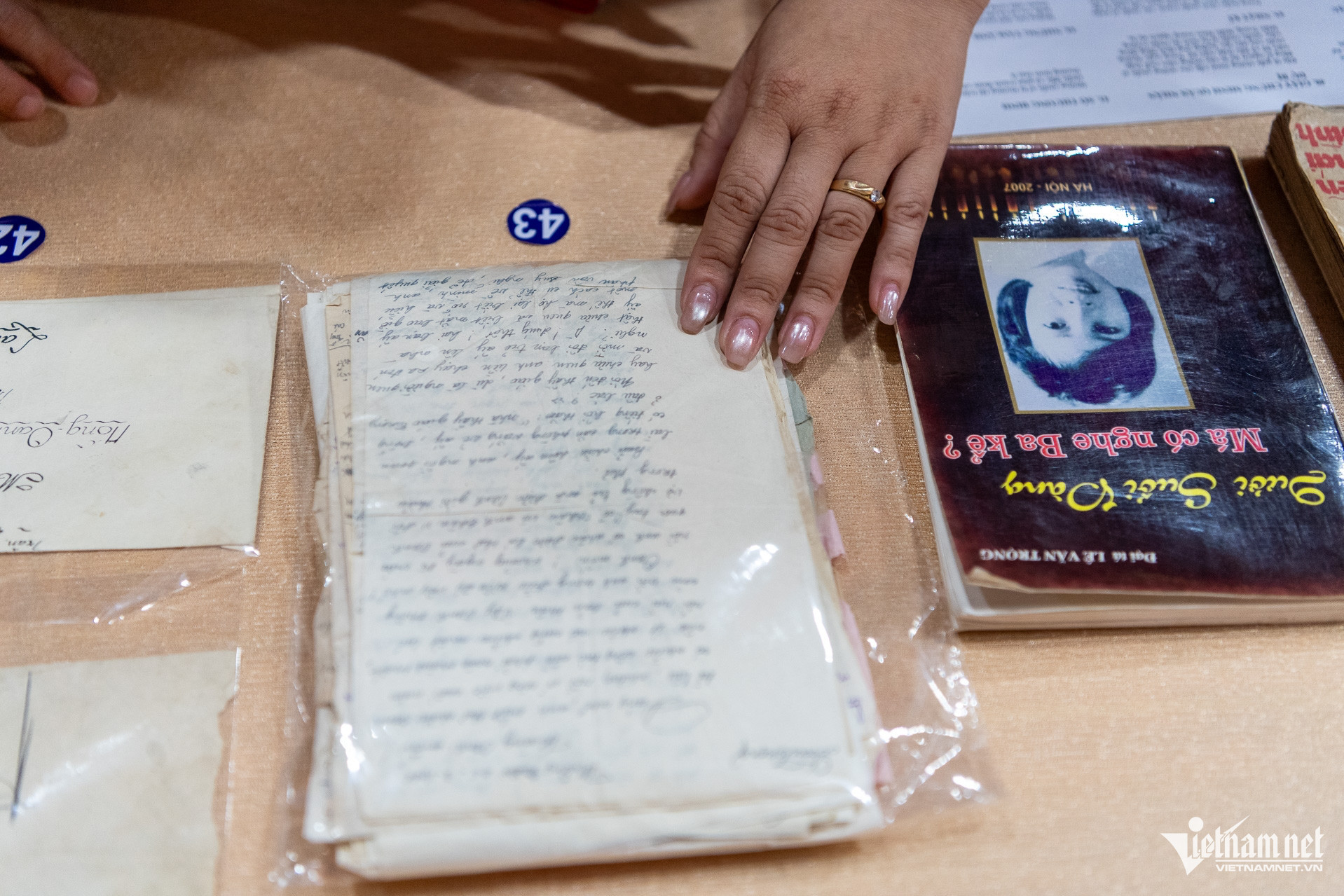
At an exhibition of stamps and revolutionary artifacts and an exchange with historical witnesses themed “Your name has become immortal,” hundreds of wartime objects - including military helmets and hats, insignia, handwritten letters and other treasured keepsakes - were carefully displayed and preserved, bringing part of the nation’s wartime memory to life.
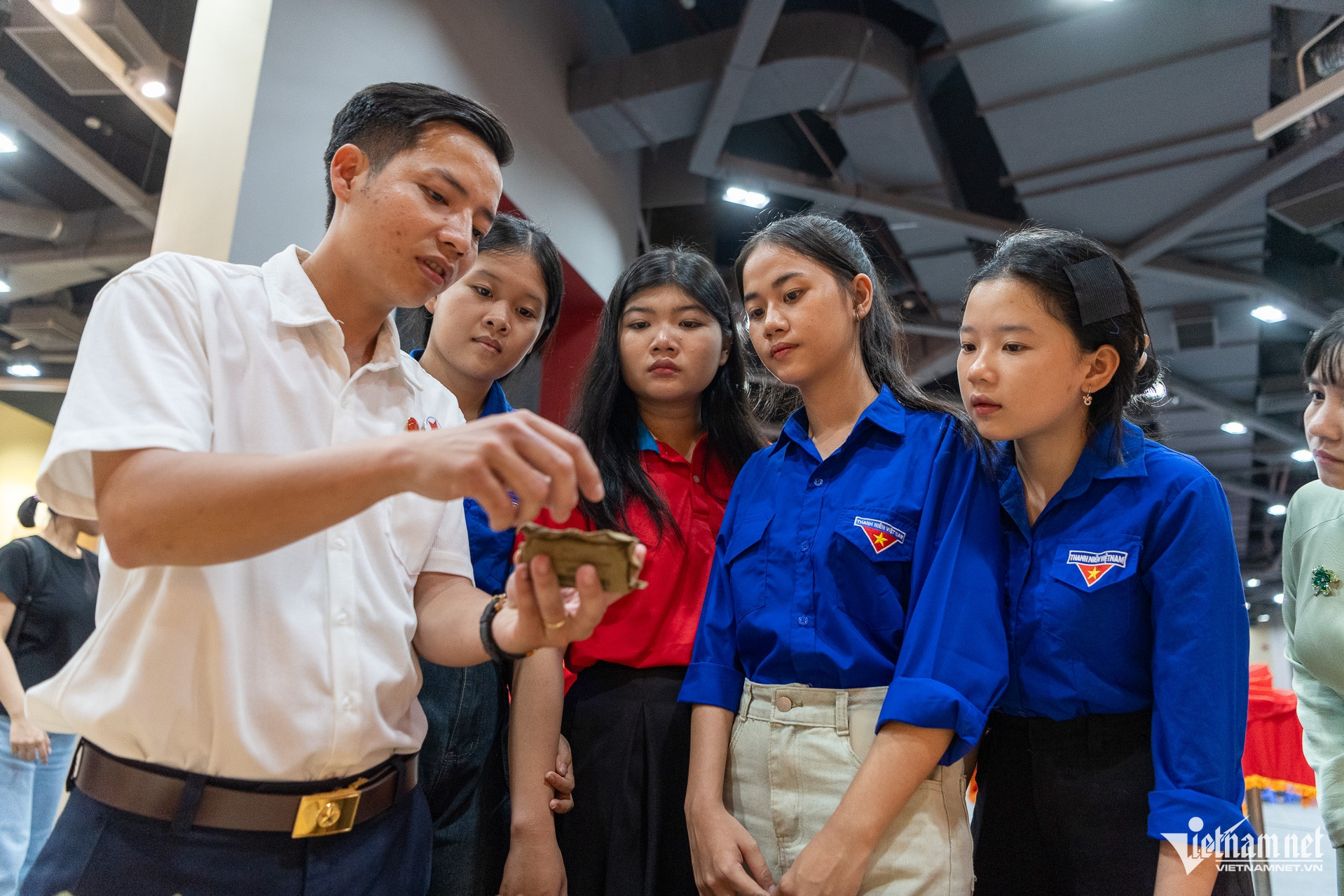
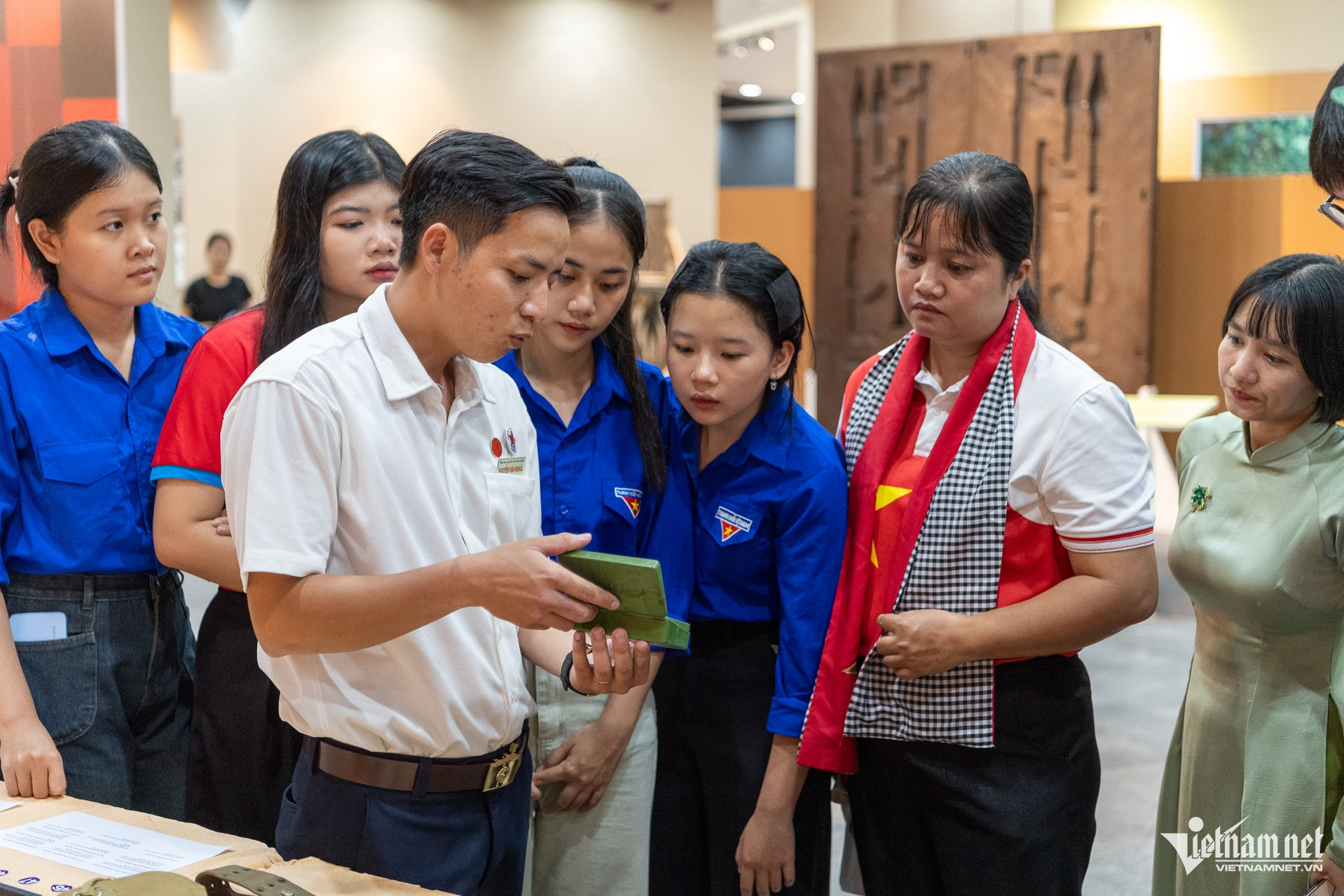
Nguyen Ngoc Quynh Nhu of Tan Nhut Commune expressed pride in living in a time of peace and being able to see firsthand wartime artifacts preserved by earlier generations. According to Quynh Nhu, learning history through objects such as boonie hats, water canteens and star-emblazoned armbands makes lessons from textbooks more visual, vivid and easier to connect with.
Collector Nguyen Van Nghia, who helped develop the exhibition space for revolutionary historical artifacts, currently has a collection of around 2,500 items. At this exhibition alone, about 60% of the objects on display came from his personal collection.
He said his passion for collecting grew out of his family history, with several relatives having participated in the revolutionary struggle. Through years of meeting veterans, he has continued to preserve valuable artifacts in the hope of safeguarding wartime memories and passing their historical significance on to younger generations.
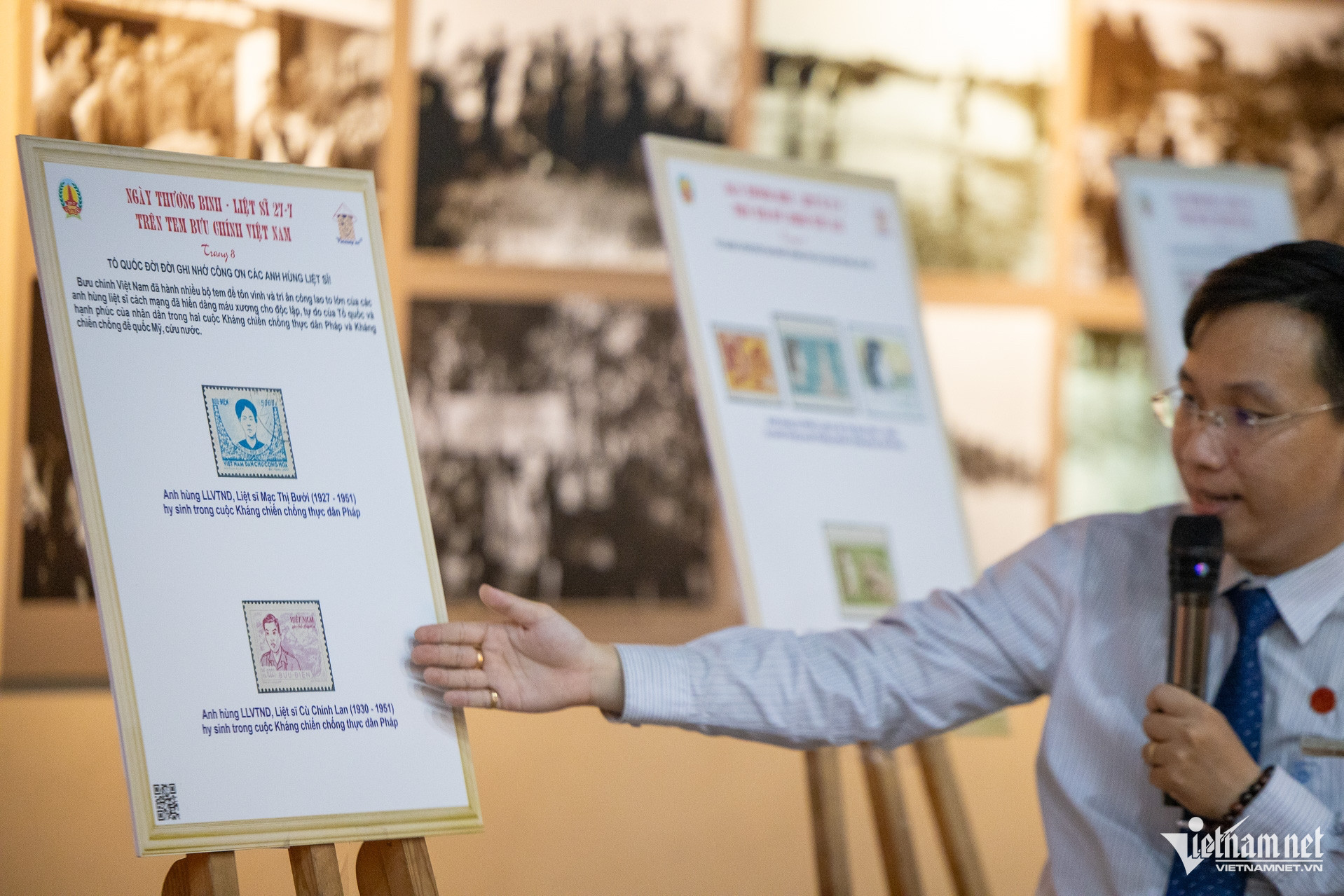
Alongside wartime artifacts, the exhibition also features collections of historical stamps that have been enlarged for display, depicting important milestones in the nation’s history. Marking the 79th anniversary of War Invalids and Martyrs Day, July 27, 1947-July 27, 2026, the program was organized to foster patriotism, strengthen national pride and encourage younger generations to preserve the country’s historical legacy.
Tuan Hung
.svg)
