 Vietnamnet.vn

 Podcast



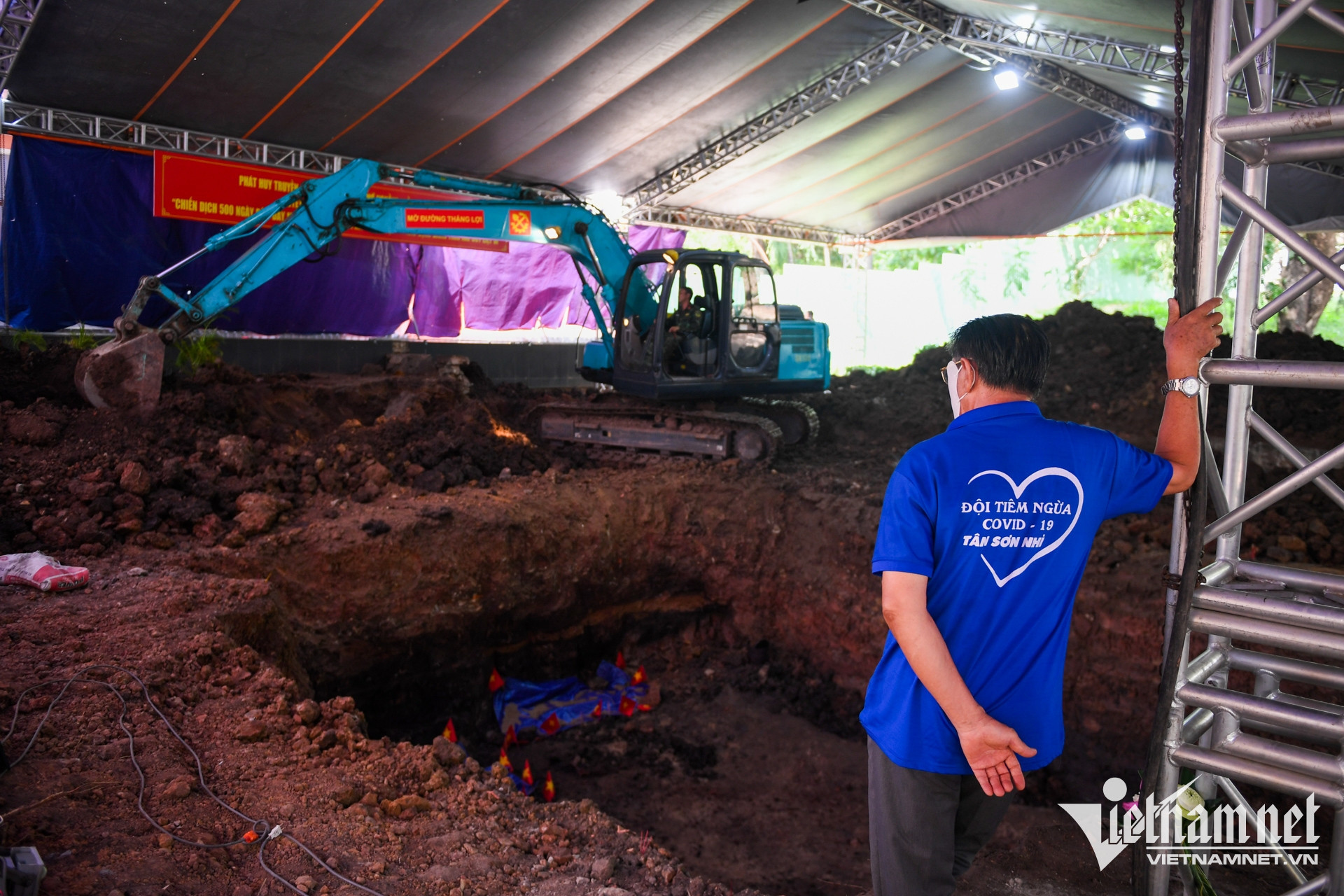
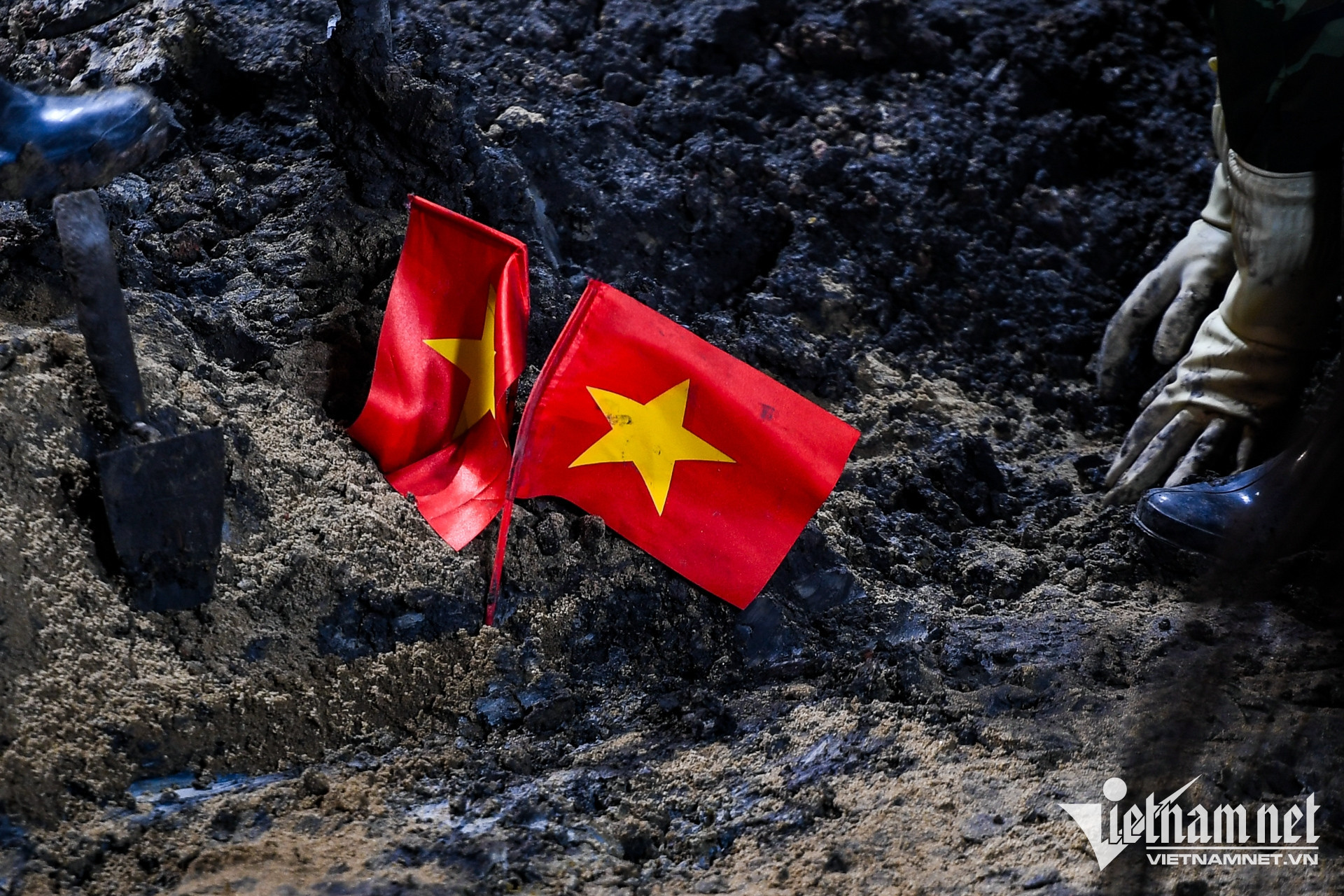
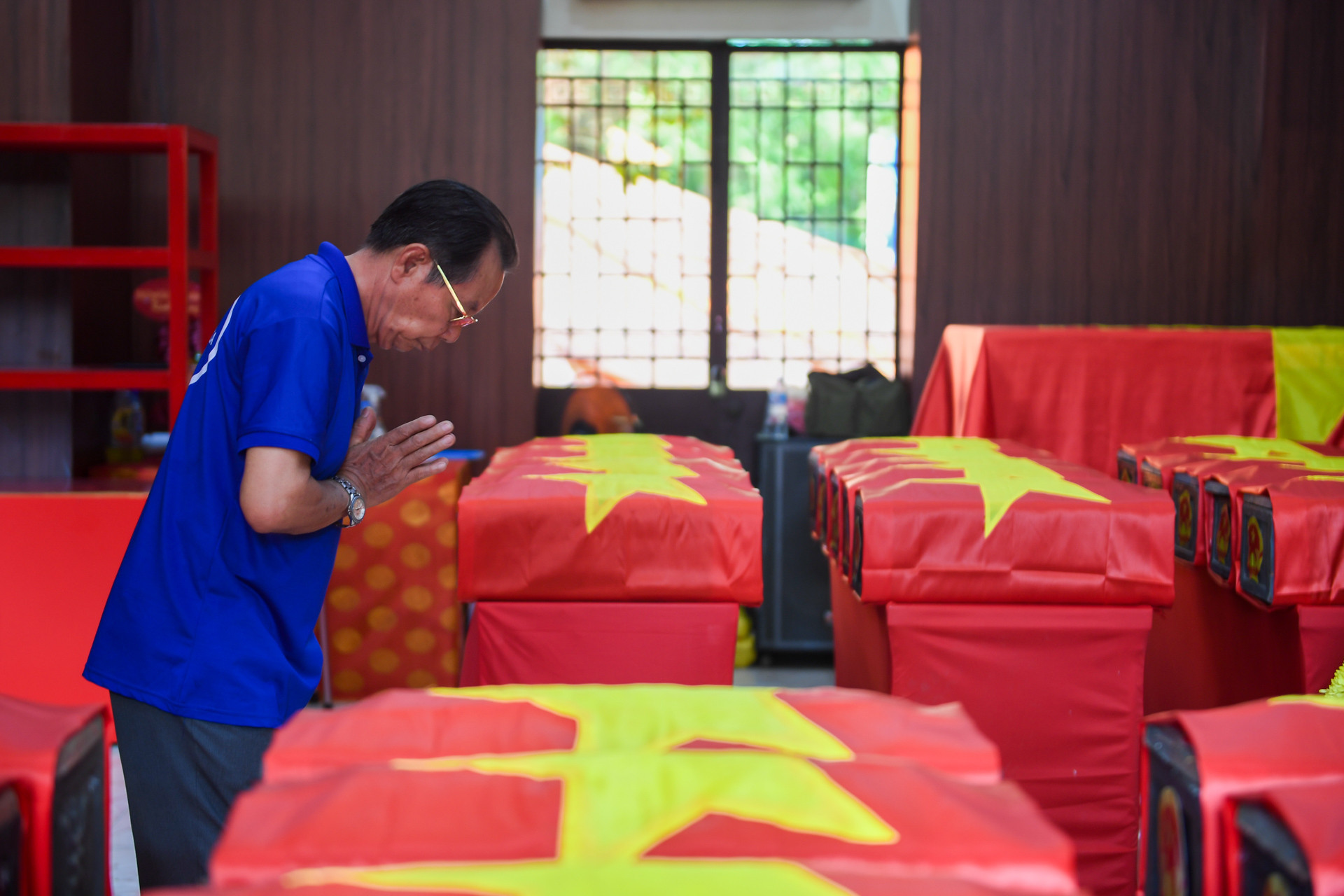
Early in the morning at Le Thi Rieng Park, the scent of freshly turned earth still hung in the air. Amid the roar of excavators, Tran Van Ban, from Tan Son Nhi Ward, Ho Chi Minh City, stood quietly watching as each layer of soil was carefully removed.
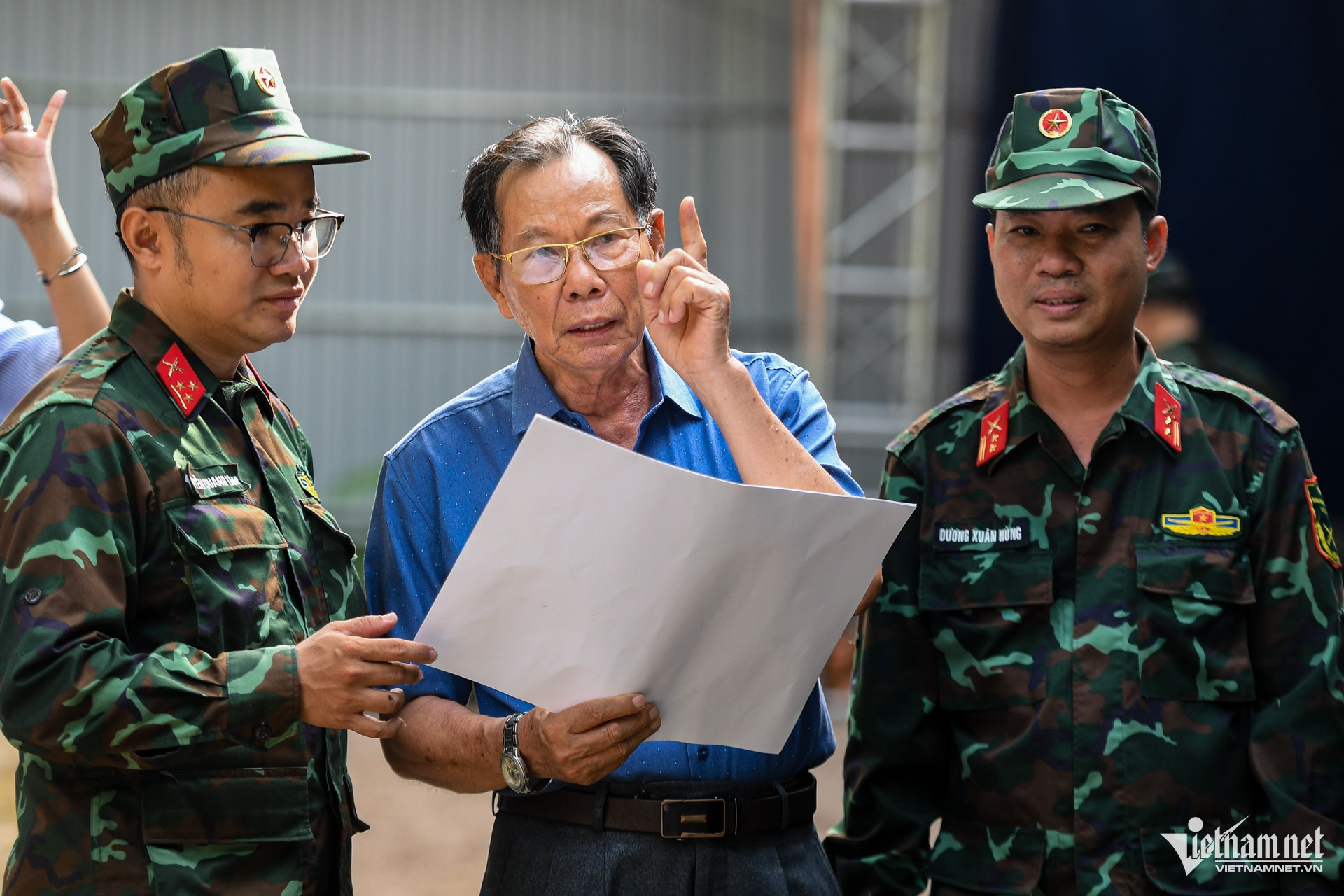
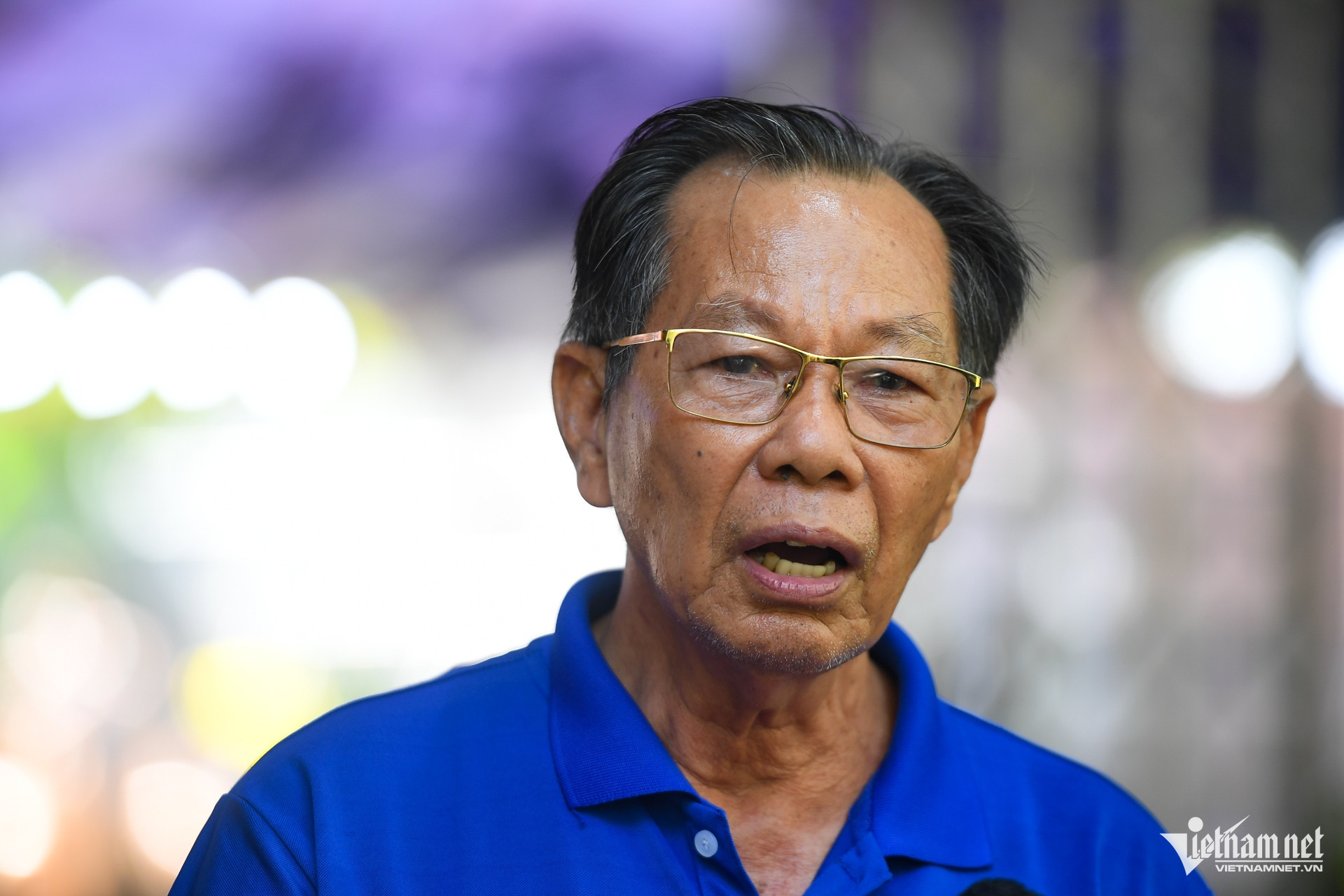
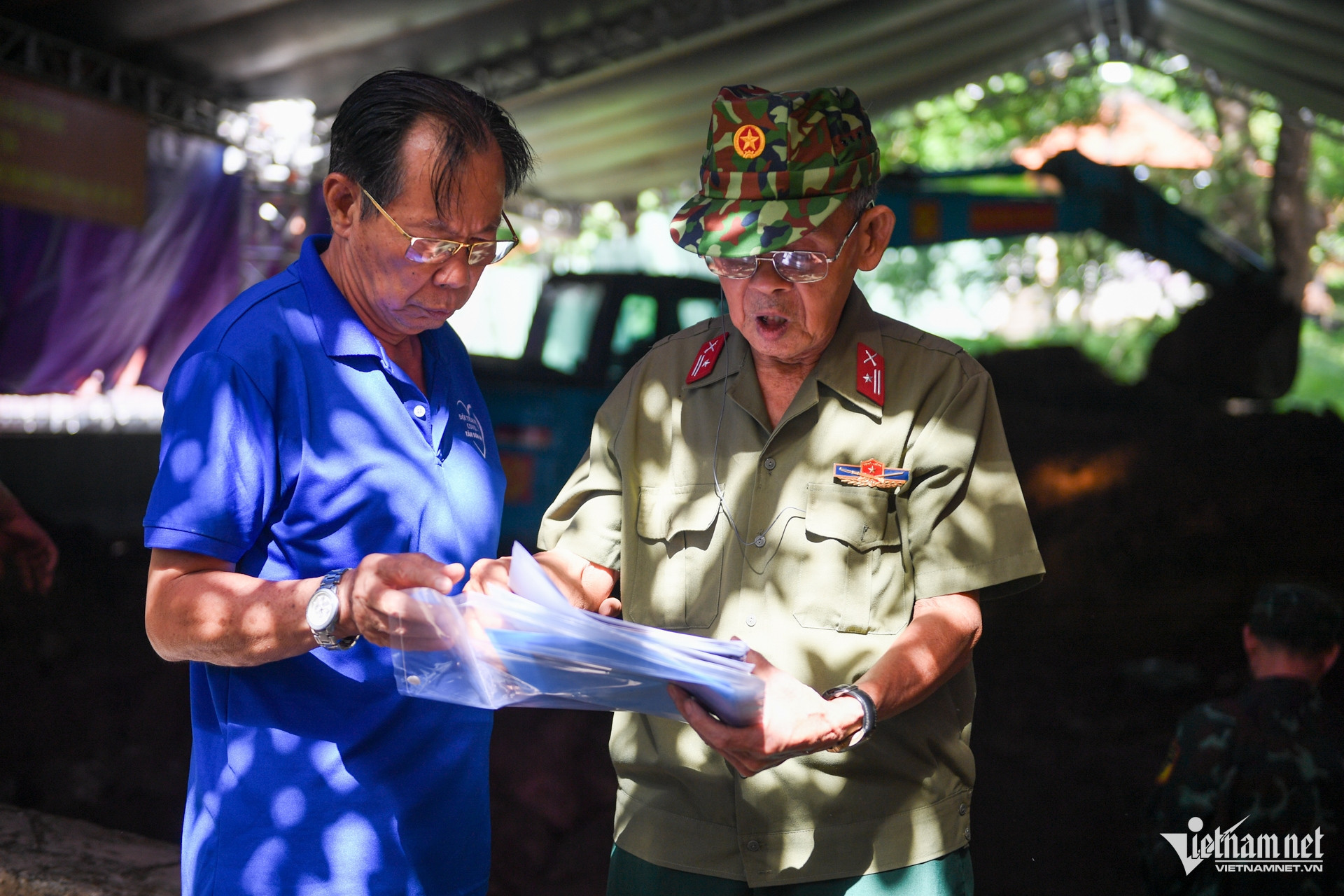
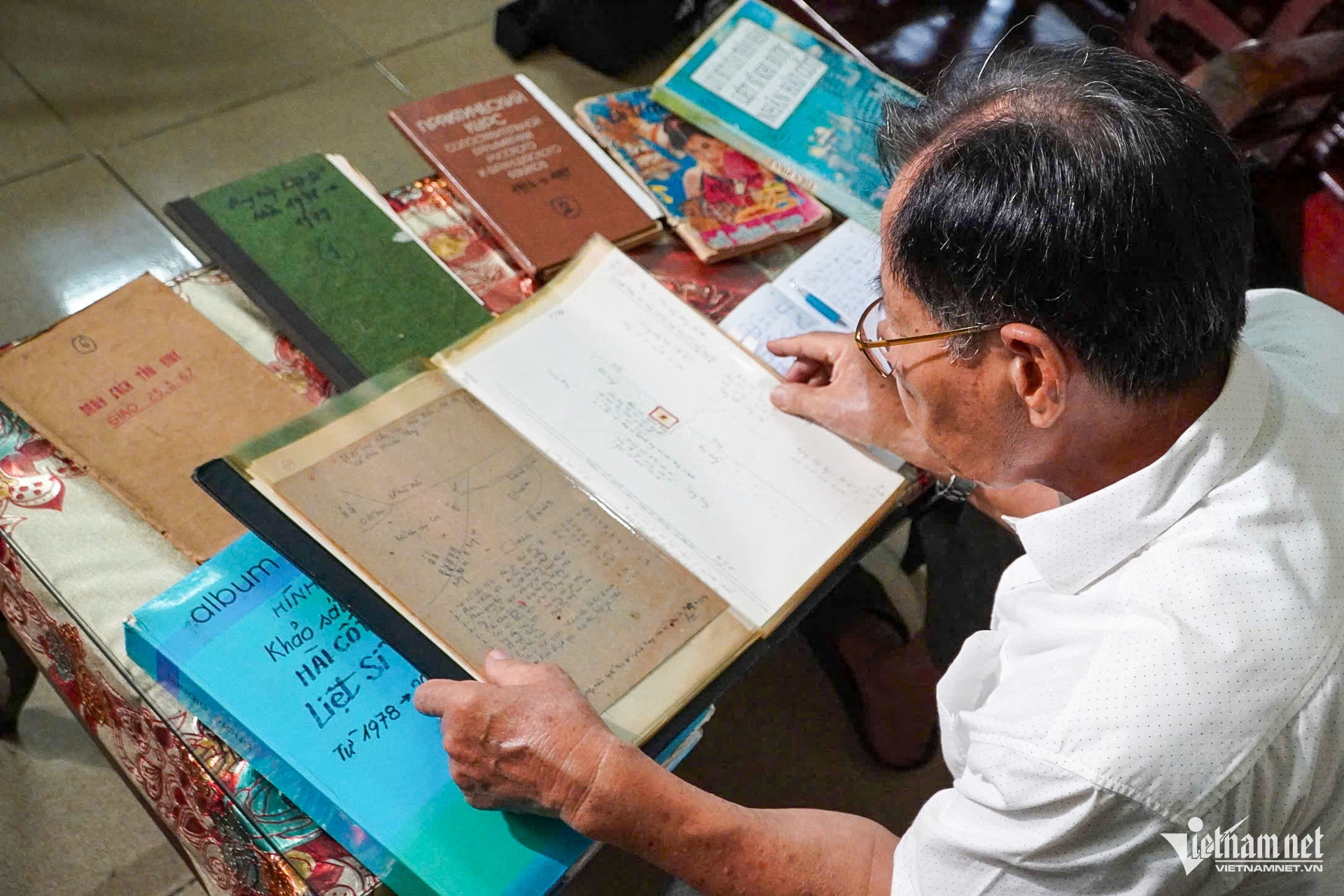
Throughout the 500-day campaign to search for, recover and identify the remains of fallen soldiers taking place at the park, Ban has rarely missed a day. Although he is not officially assigned to the operation, the 82-year-old former military doctor volunteers from morning until evening, offering both professional expertise and the experience he has gained from more than four decades of searching for his comrades.
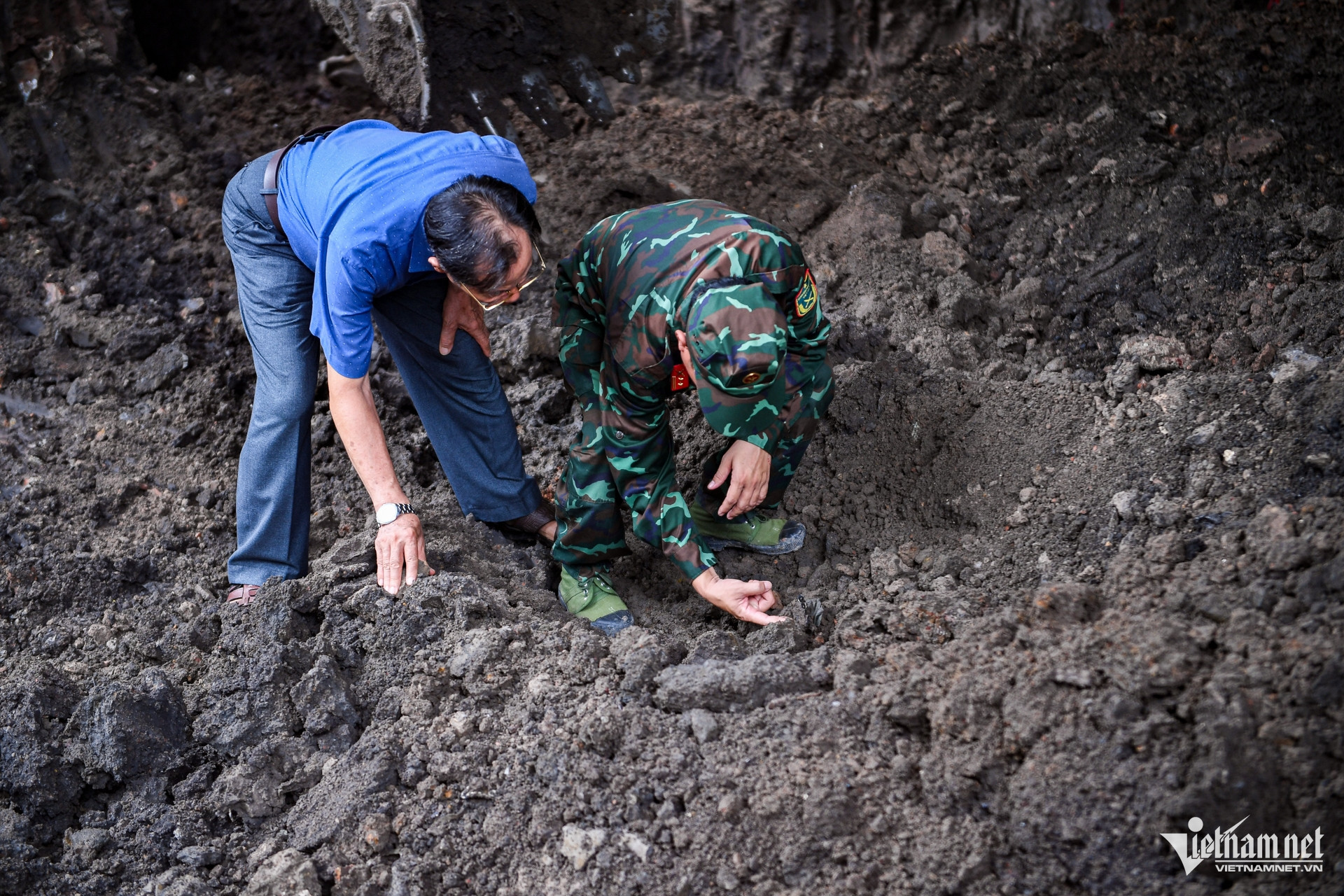
Whenever recovery teams uncover additional remains, Ban reminds everyone to proceed as slowly as possible.
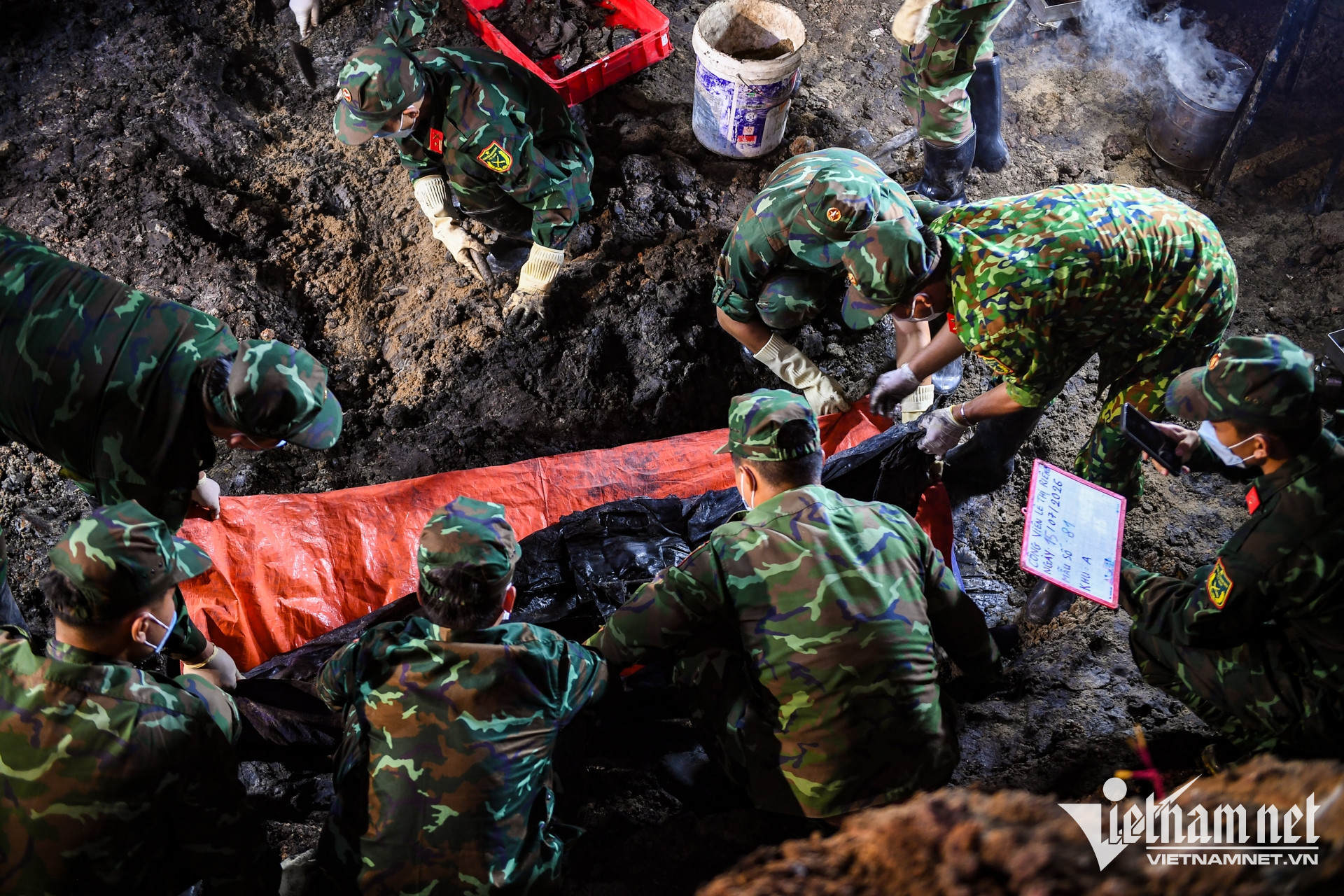
After nearly 60 years, many sets of remains consist of little more than a few bone fragments or a single tooth. To others, they may appear insignificant. To Ban, they represent the hope that an unknown soldier may one day recover his name.
"The hardest part is holding a pen and not knowing my comrade's name," he says, his eyes fixed on the young soldiers carefully brushing away the soil.
Ban pauses, overcome with emotion as memories from nearly six decades ago return.
In 1967, the young Tran Van Ban, then from the former Vinh Bao District, now Vinh Hoa Commune in Hai Phong City, enlisted in the military. A year later, he was deployed to the Iron Triangle - the fiercely contested region encompassing Cu Chi, Ben Cat and Trang Bang, where some of the most intense fighting in southern Vietnam took place.
The mission assigned to soldiers like Ban was simple in words but immense in sacrifice: hold the position at all costs, never retreat, never surrender.
When his unit was first formed, it had more than 600 officers and soldiers. After three rounds of reinforcements, its strength grew to nearly 1,000 personnel.
By the time the country was reunified, just over 100 were still alive.
After suffering serious injuries in 1970, Ban was evacuated to Military Medical Unit C10 for treatment.
Drawing on the basic first-aid training he had received before leaving northern Vietnam, he volunteered to remain behind, helping bandage wounds, administer injections and care for soldiers whose injuries were even more severe than his own.
That decision would change the course of his life.
Ban was later sent to Cambodia for two years of military medical training before returning to the battlefield as a combat medic. During those years, he carried both a scalpel and a rifle.
"A military doctor was also a soldier. Our field hospitals stood in the middle of bombs and artillery fire. There was none of the peace and safety of an operating room in peacetime," Ban recalls.
After the war, he completed his medical studies and became a physician. Yet one thought never left him - the comrades who had never returned from the battlefield.
Before every battle, young soldiers would often reassure one another with what sounded like an ordinary promise. "If you make it home after the war, take me back to my mother." Ban's voice trembles as he repeats those words.
No one imagined that a promise spoken on the edge of life and death would become a lifelong burden for those who survived.
After reunification, Ban returned home to celebrate the country's victory. Soon afterward, mothers began visiting him one after another, hoping he could tell them what had happened to sons who had gone south to fight alongside him but never came home.
"They never asked how fierce the battles were," Ban says quietly. "They only wanted to know one thing - where their sons were."
Among the comrades who have haunted him most are martyrs Nguyen Ba Hoa and Nguyen Trung Kien.
"We shared six things in common," he says. "We both lost our fathers at a young age. We came from the same hometown, attended the same school, enlisted on the same day, trained in the same unit and fought together in southern Vietnam. Yet Hoa and Kien sacrificed, while I survived."
Ban falls silent.
Ironically, of the three friends, he was the only one whose family received a death notice - even though he was still alive. Meanwhile, Hoa and Kien had died in battle, but for years their families received no official confirmation.
When Ban finally returned home, Hoa's mother and Kien's mother rushed to embrace him. Seeing Ban alive gave both women a fragile hope. If Ban had once been declared dead and still managed to return, perhaps their own sons might also still be alive somewhere.
Only a few days later, after authorities officially confirmed the deaths of Hoa and Kien, the two mothers came back. They held Ban tightly and wept. One clutched her son's death notification, its pages soaked with tears. The other asked him the same question again and again.
"Ban... where is my son now?" Ban says it was the first time after the war that he truly felt powerless. He had no answer. He did not know where his comrades lay beneath forests that had once been torn apart by bombs and artillery.
"That question has followed me ever since," he says. From that day on, whenever h heard reports of a mass grave or a location believed to contain the remains of fallen soldiers, he would go.
Some journeys lasted for weeks. Others ended with only the faintest clues before he returned empty-handed. He calls it "a debt without a receipt" - one that no one demanded he repay, yet one that would weigh on him for the rest of his life.
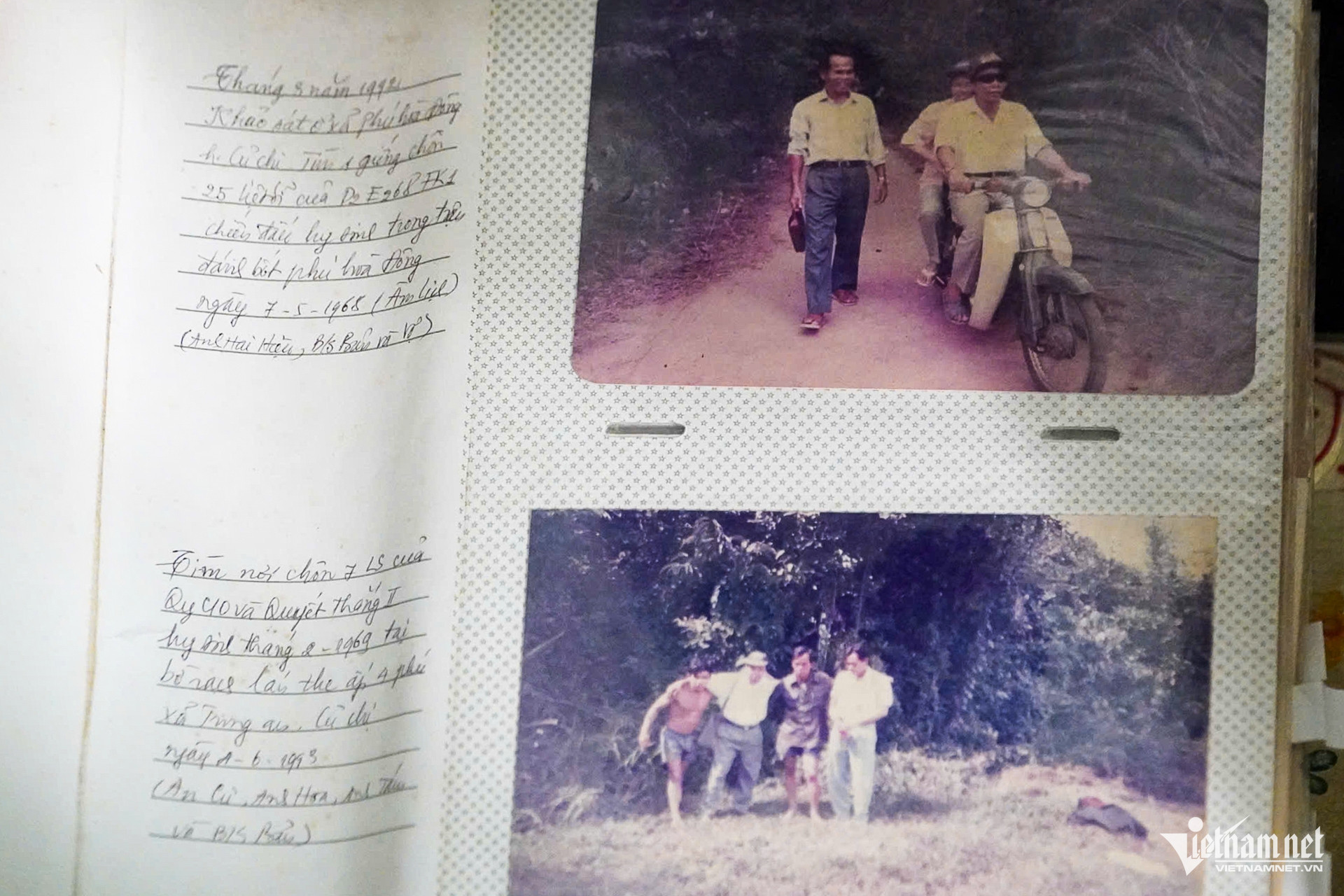
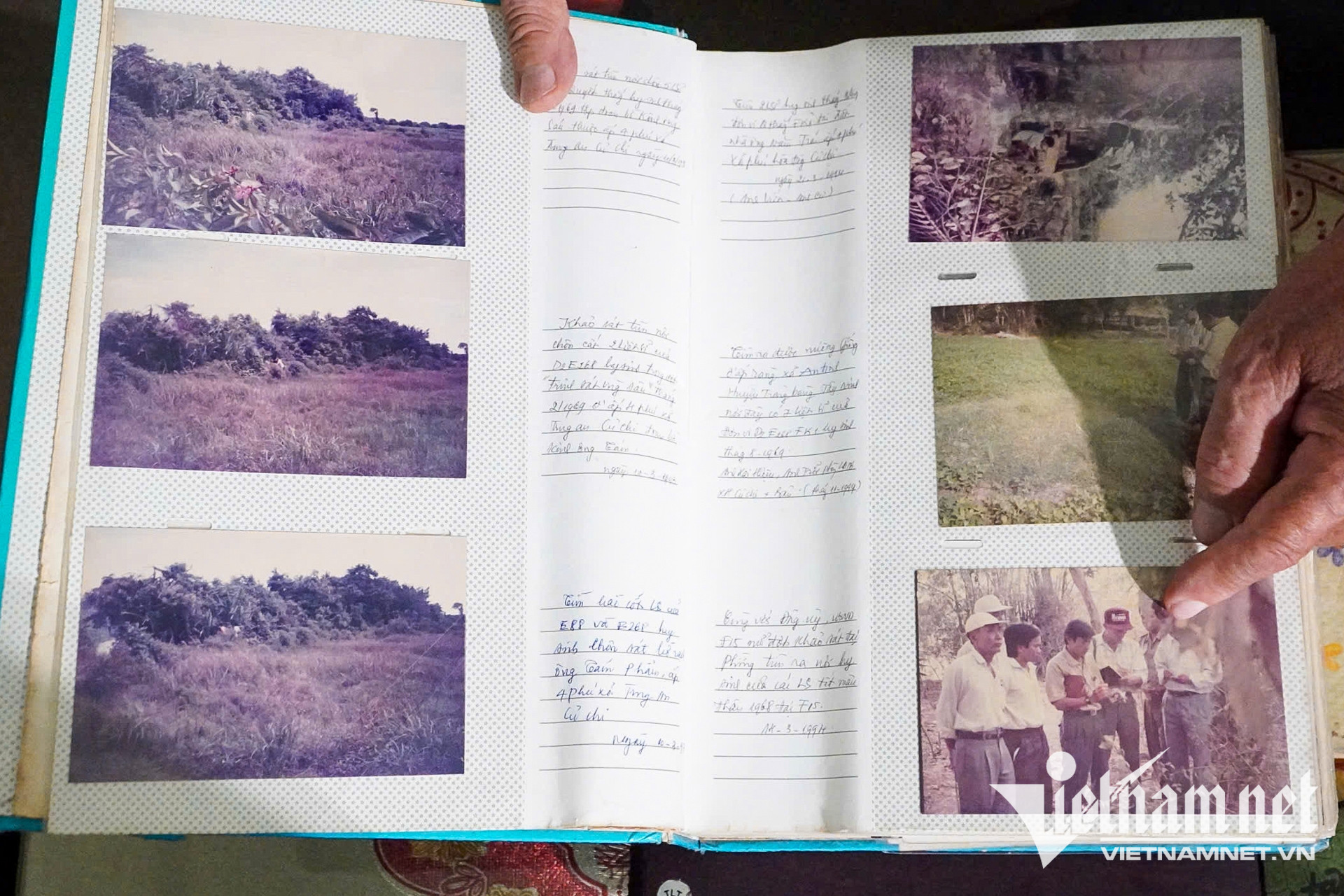
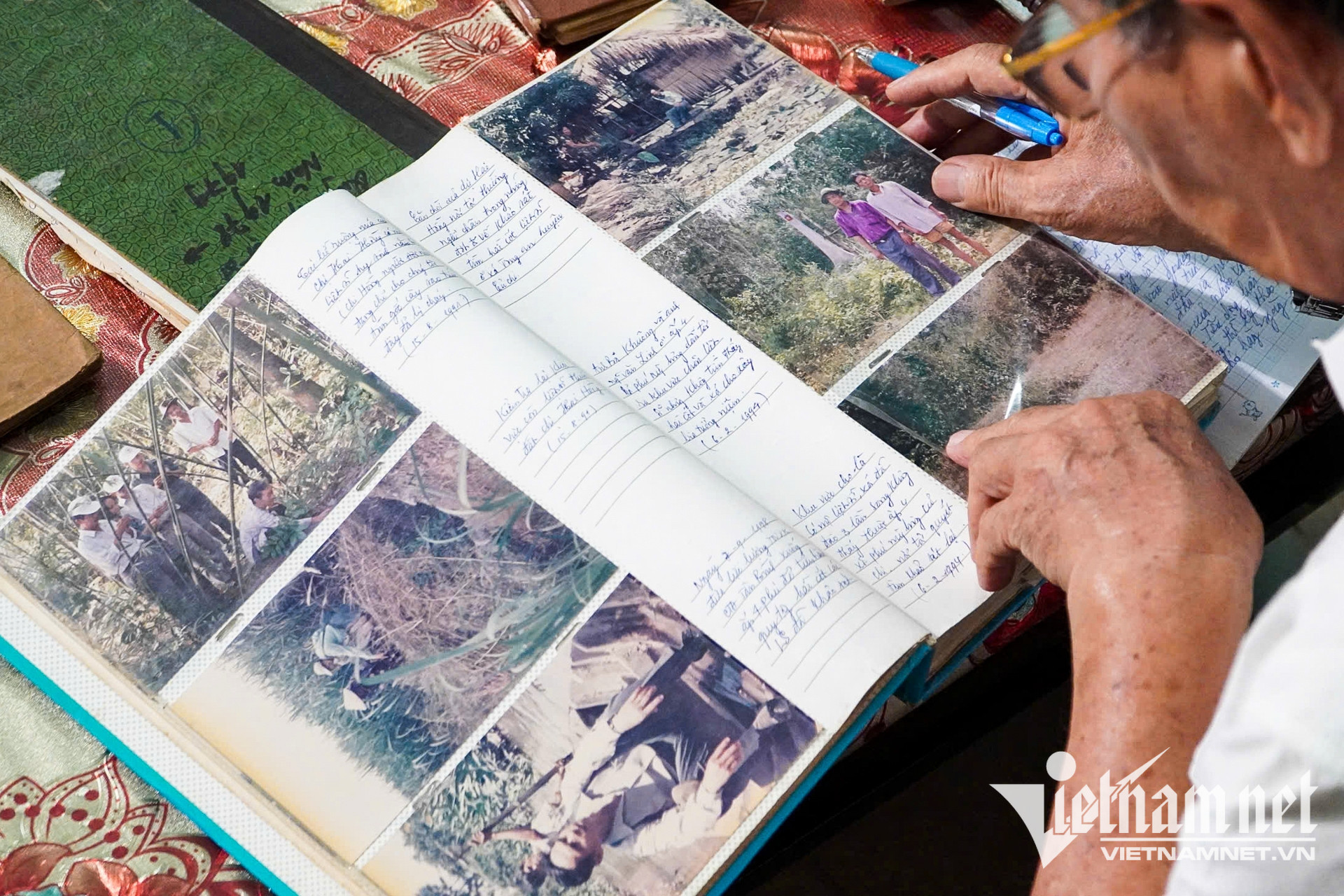
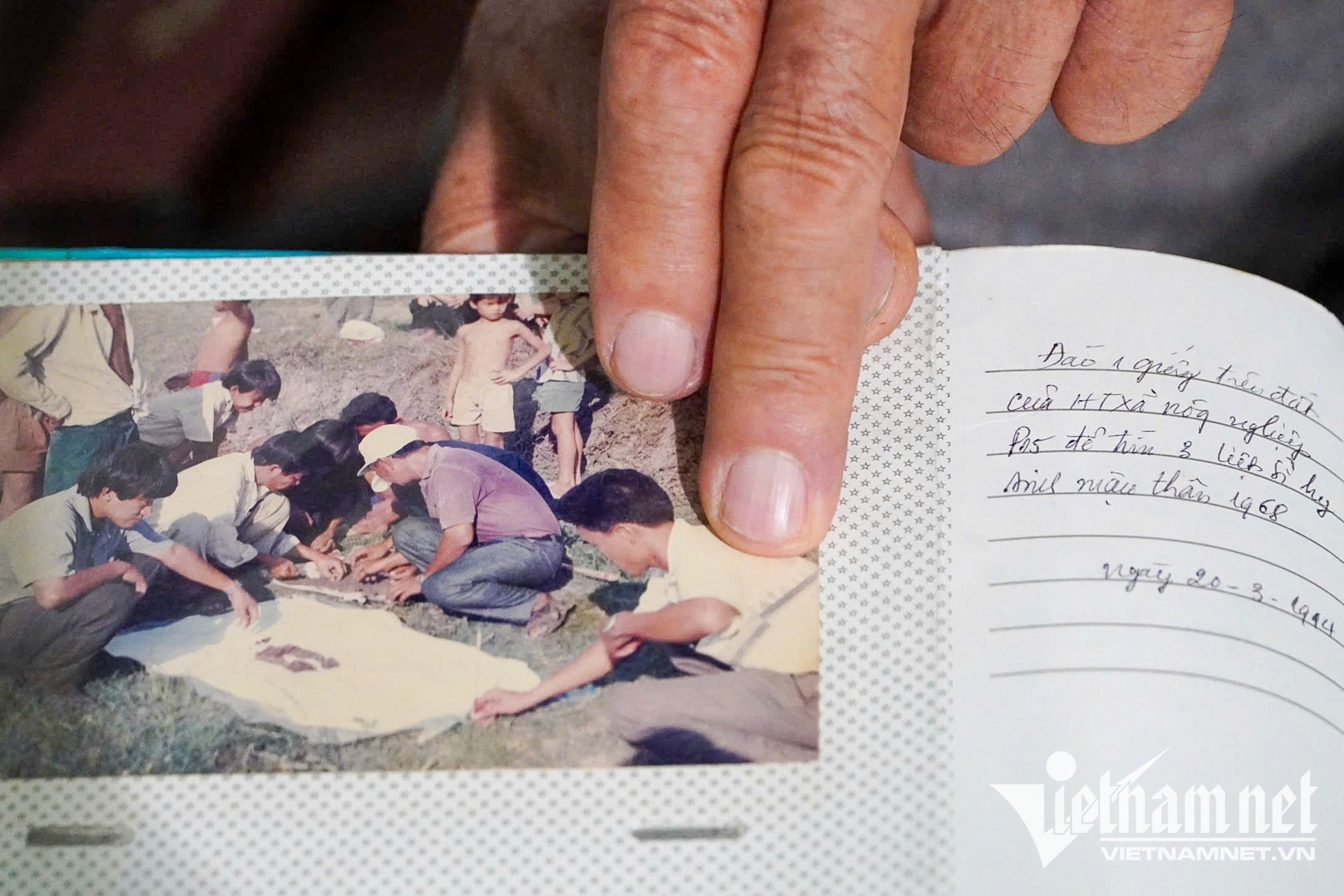
It took Ban many years of retracing old battlefields, piecing together the memories of former comrades and listening to the fragmented recollections of local residents before he finally found the remains of martyr Nguyen Ba Hoa.
Standing before the remains of the friend who had enlisted alongside him decades earlier, Ban found himself unable to speak. His first thought was not that the search had finally come to an end. It was that Hoa could finally go home to his mother.
Finding his comrade, however, was only half the journey. In those years, life was still extremely difficult. Even a train ticket required months of careful saving. Just before boarding, Ban looked down at the conditions printed on the back of his ticket.
"Weapons, explosives and human remains are prohibited." He knew he could face serious trouble if he was discovered. Even so, he embraced his friend's remains and boarded the northbound train.
For three days and three nights on the North–South railway, the remains of Nguyen Ba Hoa never left Ban's arms. During the day, he held the small bundle tightly against his chest. At night, he leaned against the hard seat, never loosening his grip, afraid that if he relaxed even for a moment, the friend he had finally found might somehow be lost once again.
Whenever the train stopped briefly at a station before continuing north, he would quietly whisper as though Hoa were still sitting beside him.
"Hoa, we're almost home. Please watch over us and help me bring you safely back to your mother." It was more than a journey to return a fallen soldier to his hometown.
It was the fulfillment of a promise made by the living to the dead - a promise that had taken years to keep.
When Ban finally arrived home, he told no one in advance. He placed Hoa's remains on the family altar and sat quietly waiting. Not long afterward, Hoa's mother came hurrying back from the rice fields, the legs of her trousers still stained with mud.
As she entered the yard, she called out, "Ban, is that you?"
He simply nodded before silently looking toward the altar. The elderly mother followed his gaze. She walked forward slowly. Her trembling hands reached out to touch the bundle wrapped in an old piece of cloth. Softly, she called her son's name. Then she called it again, as though afraid he might not hear if she spoke too quietly.
The house fell completely silent. Only the sound of a grieving mother's voice breaking in mid-sentence remained. Ban stood behind her and quietly turned toward the courtyard. It was the first time since the war that he cried aloud. Not because of loss. But because, after so many years, he had finally kept the promise he had made to the friend who never returned from the battlefield.
Even today, Ban remembers that moment with absolute clarity. The tears have never truly stopped. It is also what continues to drive him on every journey that followed.
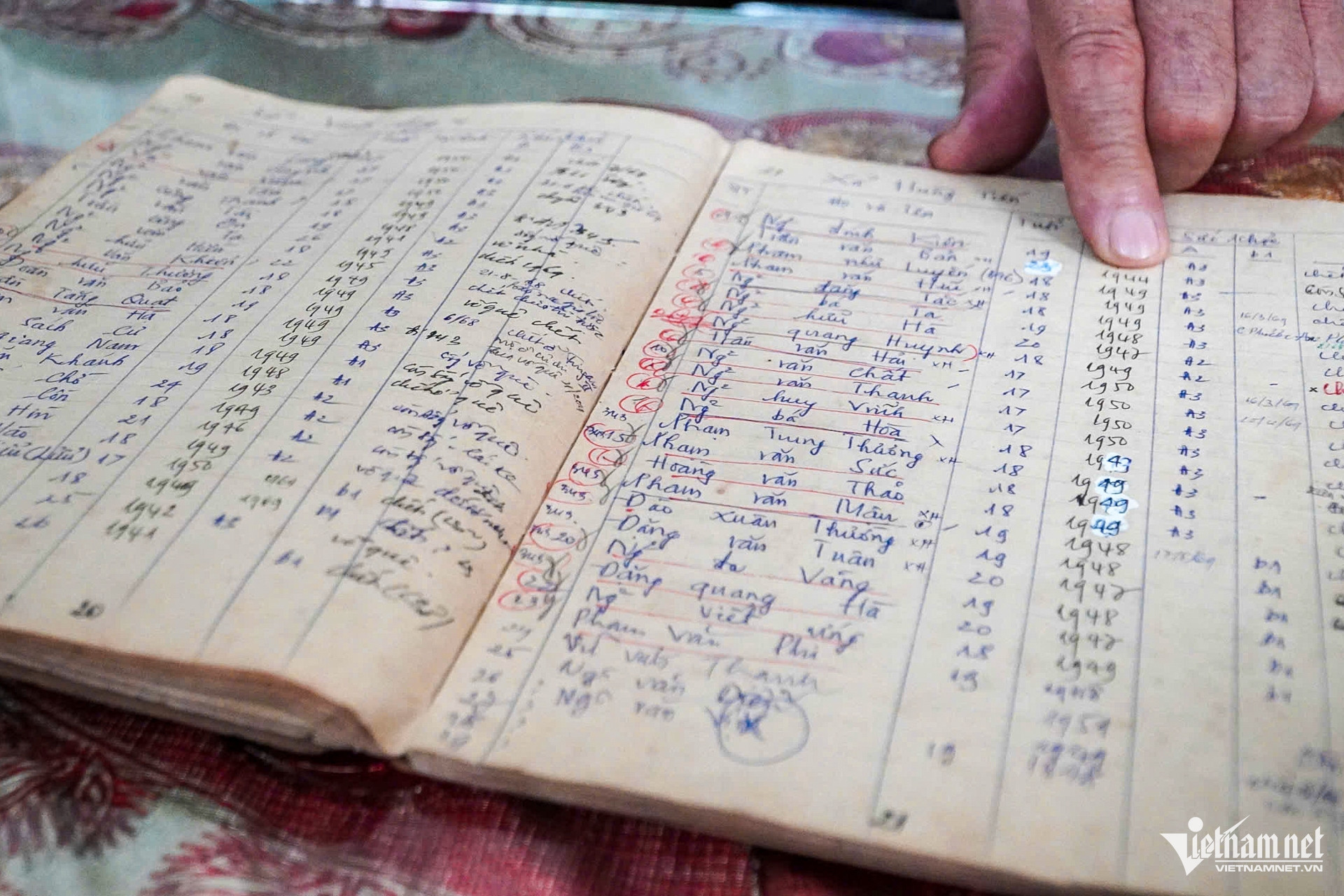
In his hometown alone, 29 young men enlisted together on March 25, 1967. After the war, only two returned alive. Over the past half-century, Ban and his surviving comrades have located and brought home the remains of 13 of them. For Ban, every successful search means far more than the end of a mission. It marks the end of decades of waiting for an entire family.
Today, he no longer relies solely on memory to search for those left behind.
Scientific advances - particularly DNA analysis - have opened new possibilities for identifying the remains of soldiers who have lain unidentified for nearly six decades.
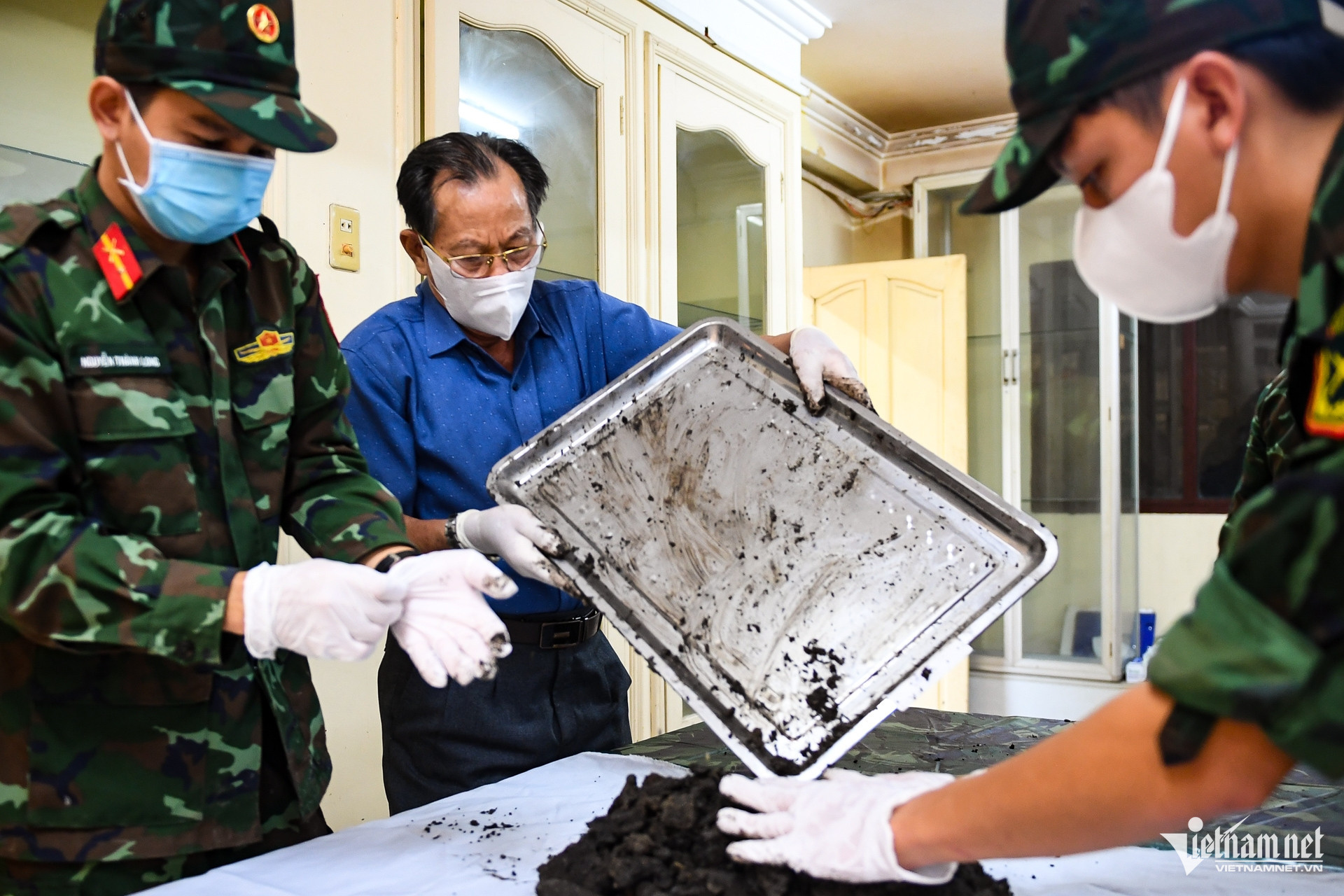
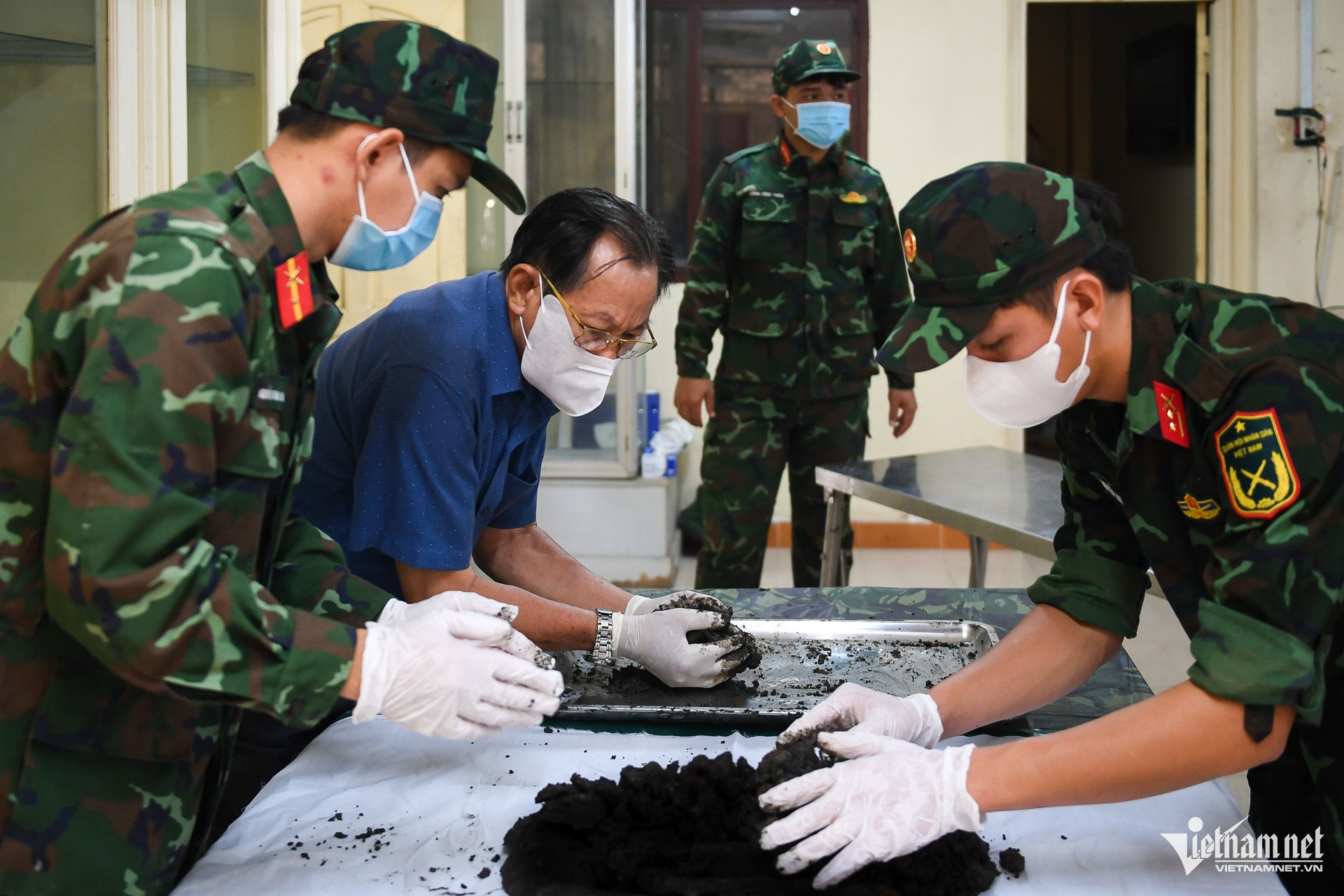
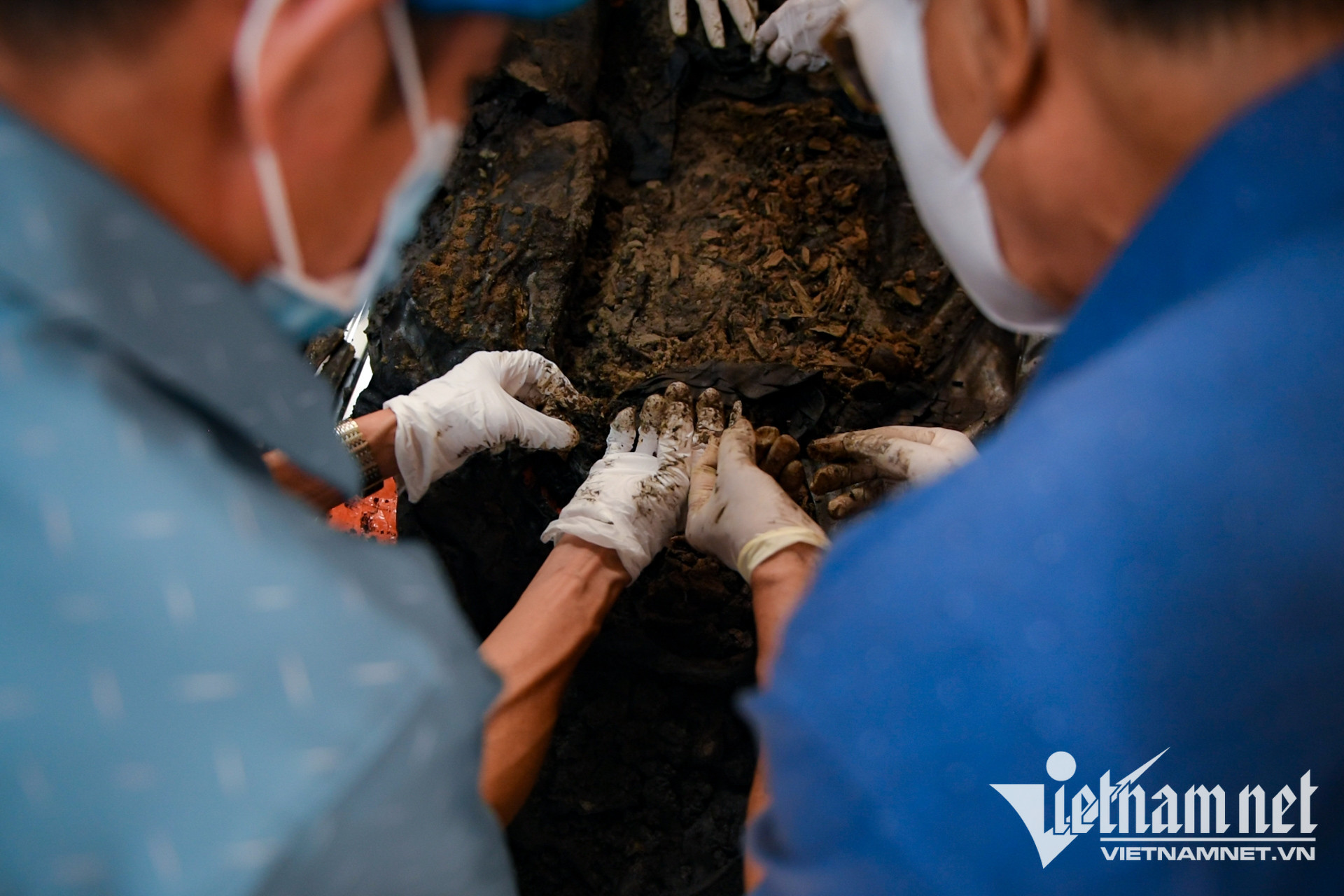
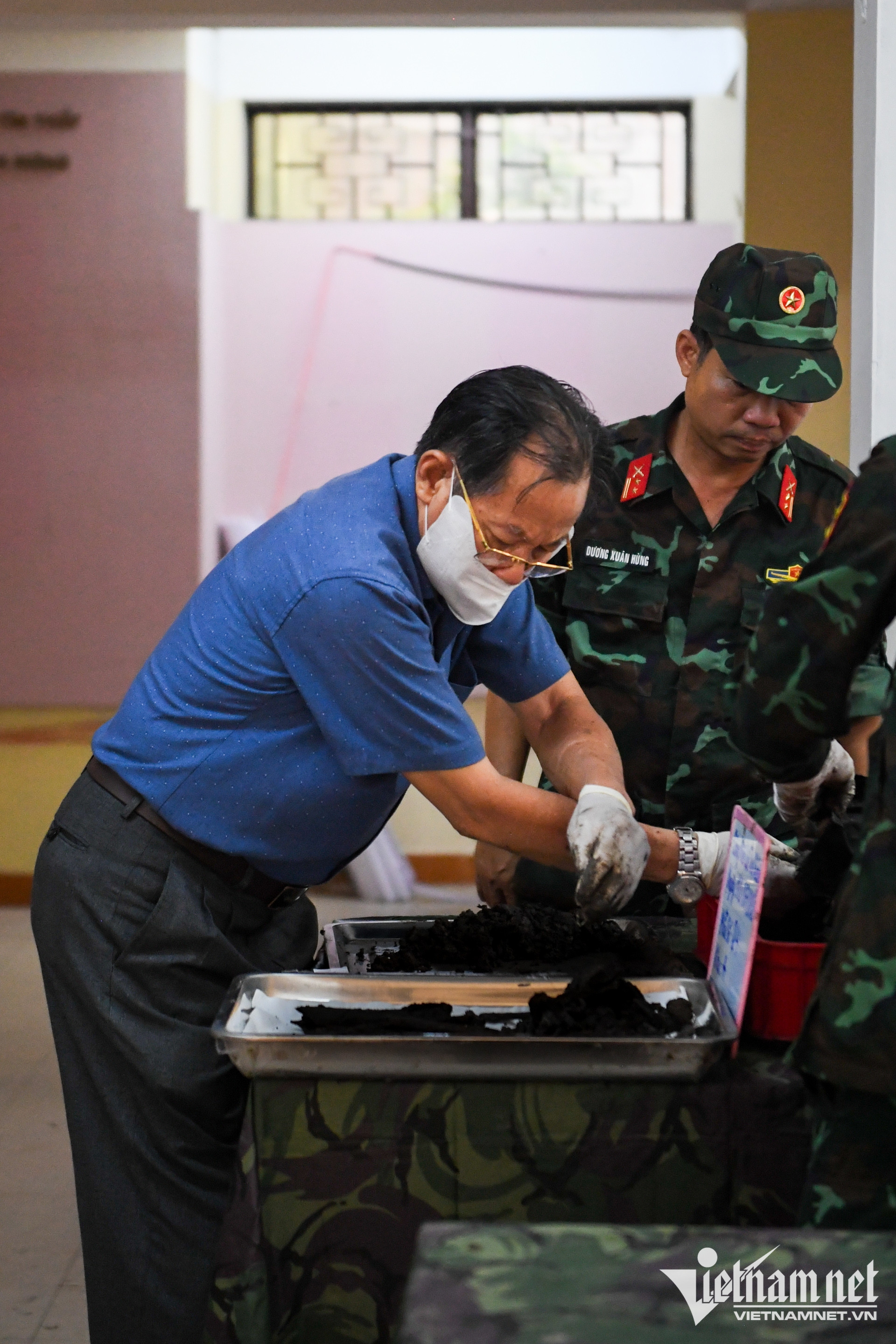
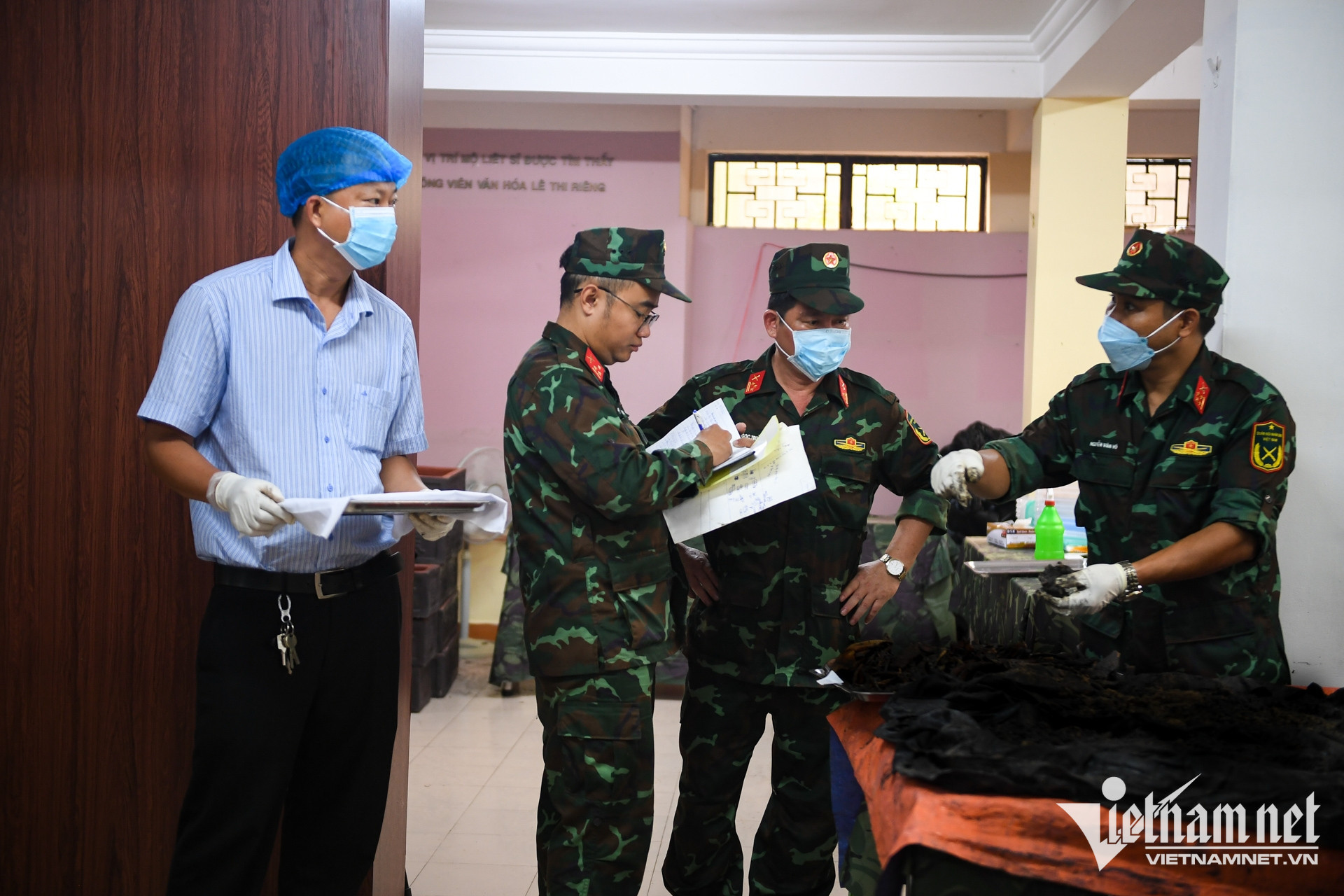
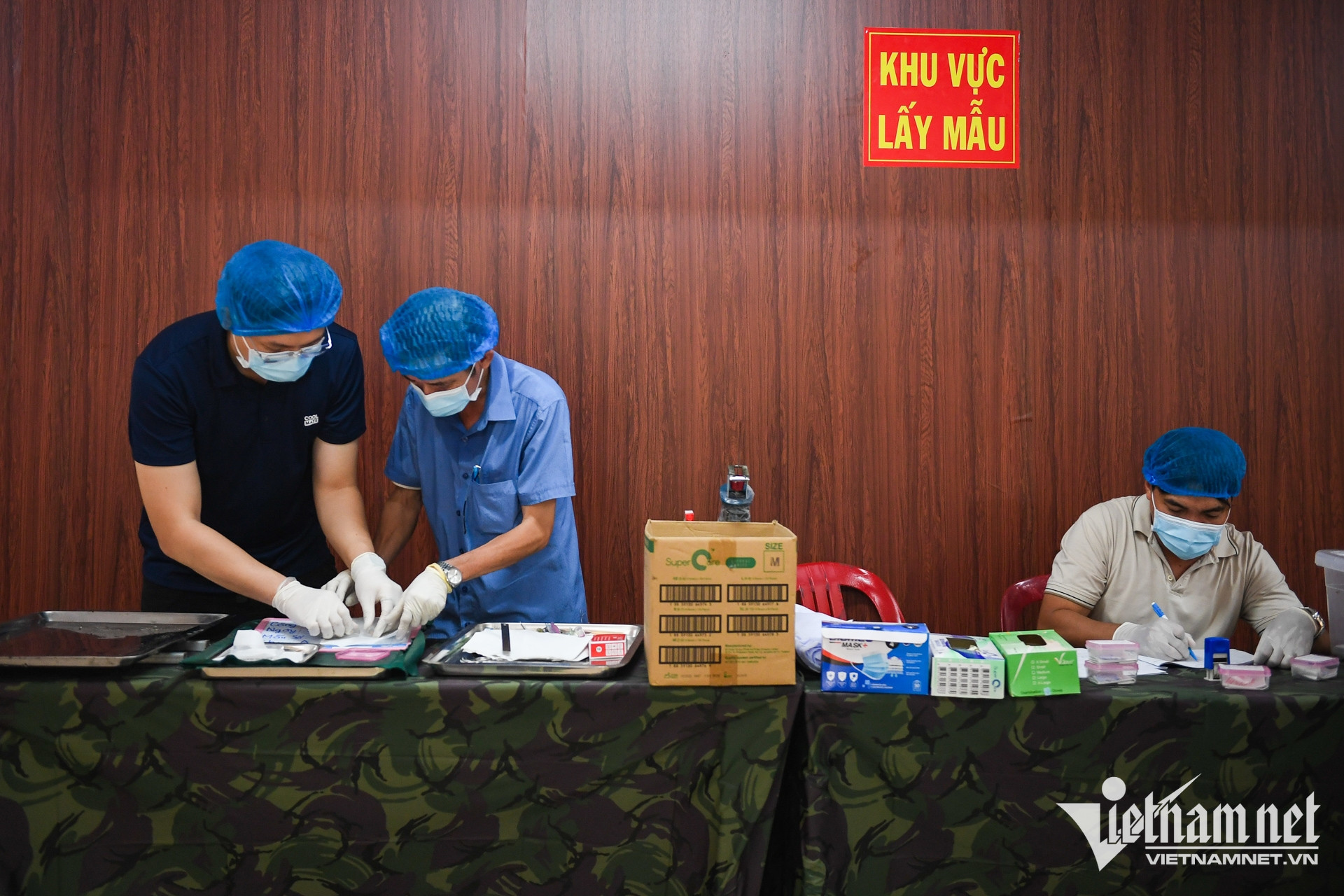
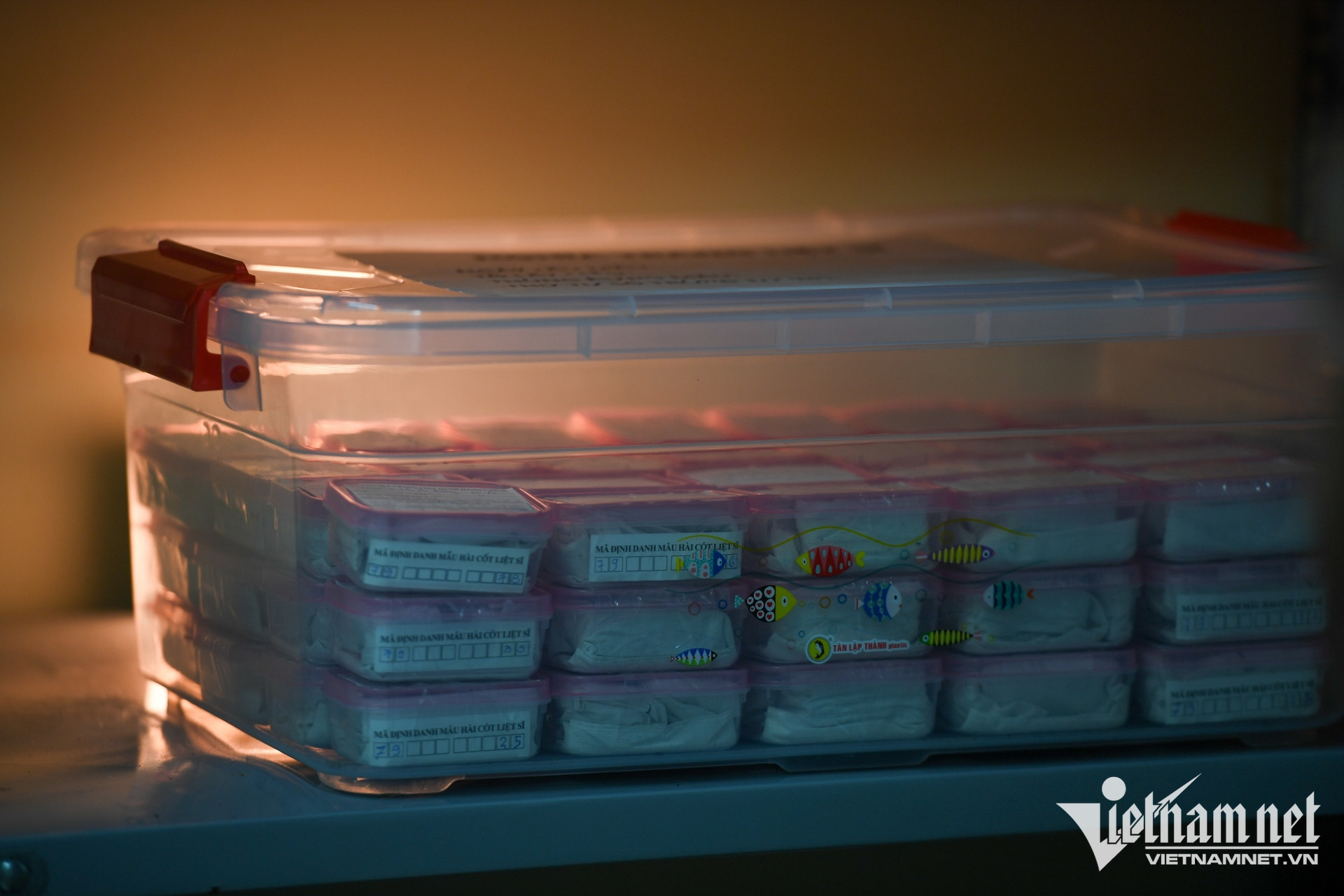
That is why, throughout the recovery operation at Le Thi Rieng Park, Ban has worked closely with the search teams, carefully selecting and preserving bone fragments and teeth that remain suitable for DNA testing.
"Doctor Ban, there's still a tooth!" Ban says those are the words he hopes to hear most each day at the excavation site.
To him, even a single tooth - or one small fragment of bone that can still yield a DNA sample -be enough to restore the identity of a fallen soldier after almost 60 years.
For more than four decades, Ban searched for his comrades through memory, repeated returns to former battlefields and the often vague recollections of those who survived.
Today, he places his faith in science, hoping that one day every unknown soldier will once again be called by his rightful name.
Nguyen Hue - Phuoc Sang
.svg)
