 Vietnamnet.vn

 Podcast



Tran Nghi
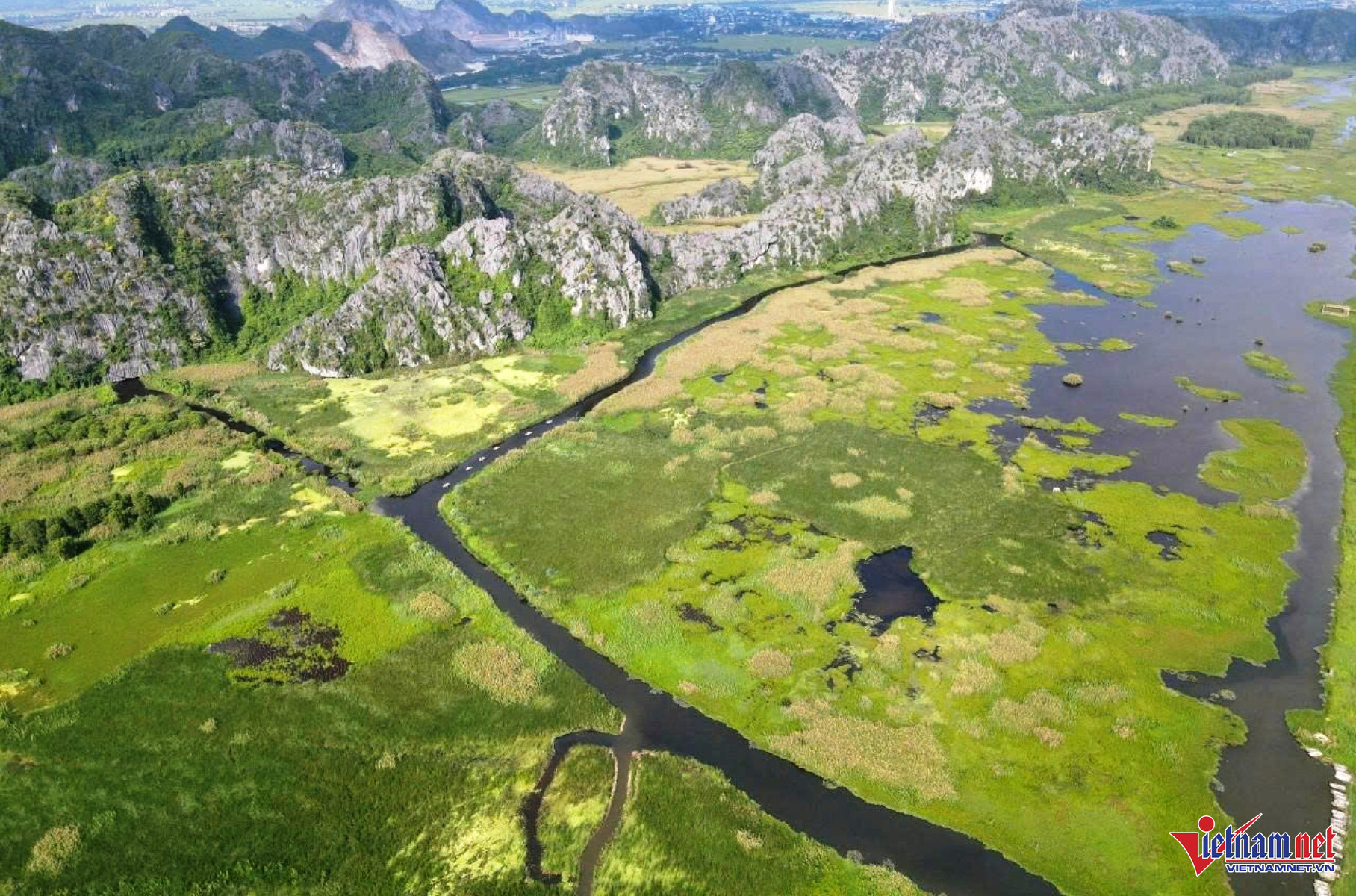
Van Long is the largest wetland nature reserve in the northern Red River Delta, stretching across the communes of Gia Van, Gia Vien, and Gia Hung. Covering approximately 3,000 hectares, the area is composed of three-quarters limestone karsts and one-quarter wetland ecosystem. Since opening for tourism in 1998, it has become one of the most sought-after destinations for ecological and cultural exploration in northern Vietnam.
Where mountains meet water
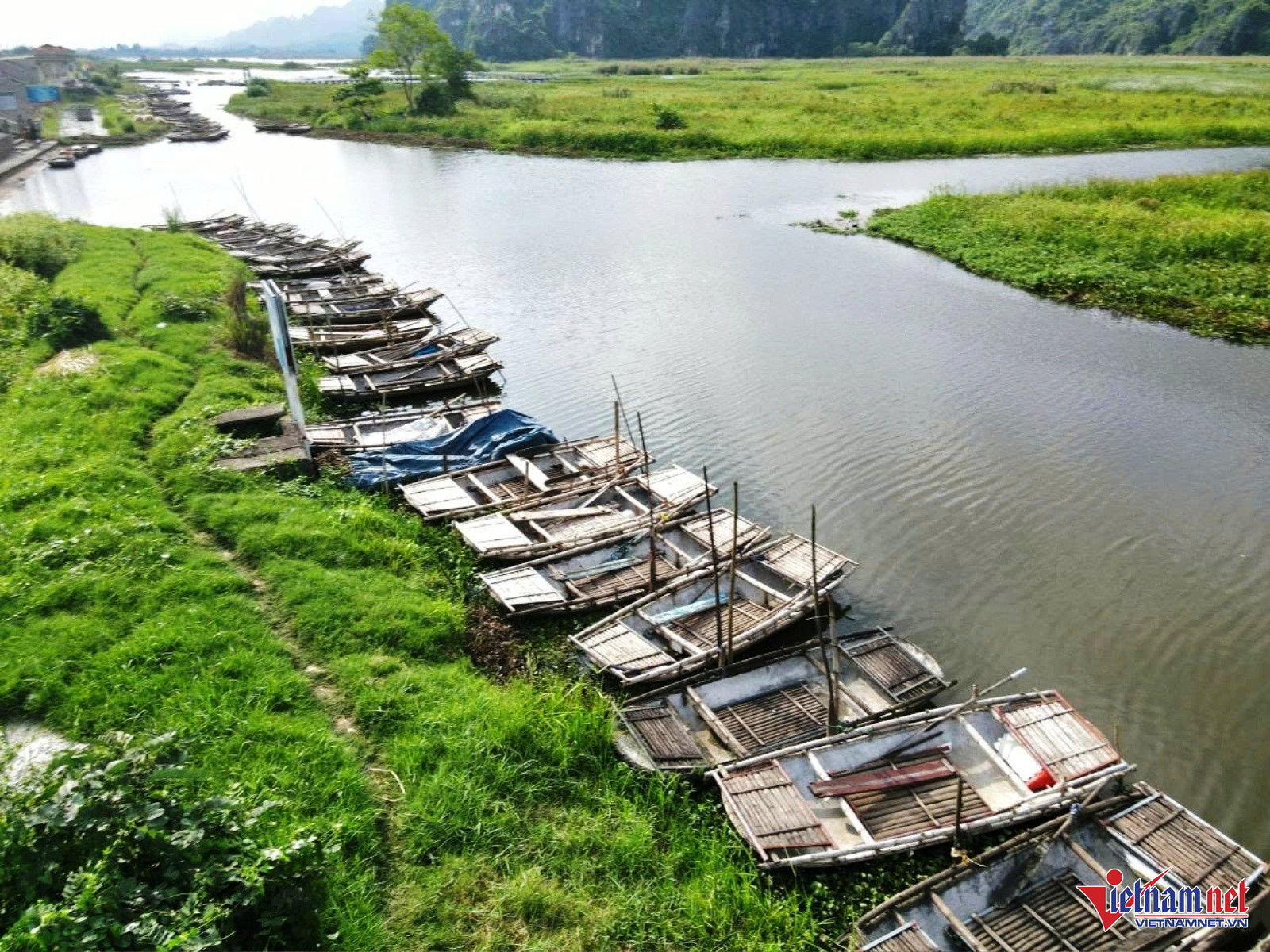
According to locals in Thap Ninh village, Van Long Lagoon was created after a 30km-long dyke was built on the left bank of the Day River in 1960 to control flooding. The dyke enclosed a large expanse of water, isolating the limestone peaks and turning them into dramatic islands scattered across the wetlands.
Recognizing the area’s ecological uniqueness and scenic beauty, the community joined hands to protect it - forbidding deforestation and quarrying, preserving both plant and animal life. Through years of grassroots commitment, Van Long has evolved into a thriving ecotourism site.
Walking along the dyke’s trail, visitors can soak in the vast, open landscape. Jagged limestone peaks surround the lagoon, casting dramatic reflections onto its motionless surface - a perfect mirror for the sky.
The 'wave-free bay'
To explore the lagoon, visitors board small wooden boats paddled by locals. What makes Van Long magical is its stillness - so calm that it’s nicknamed the “wave-free bay.” As the boat gently glides, the water is so clear that algae and aquatic plants are visible in intricate layers beneath the surface.
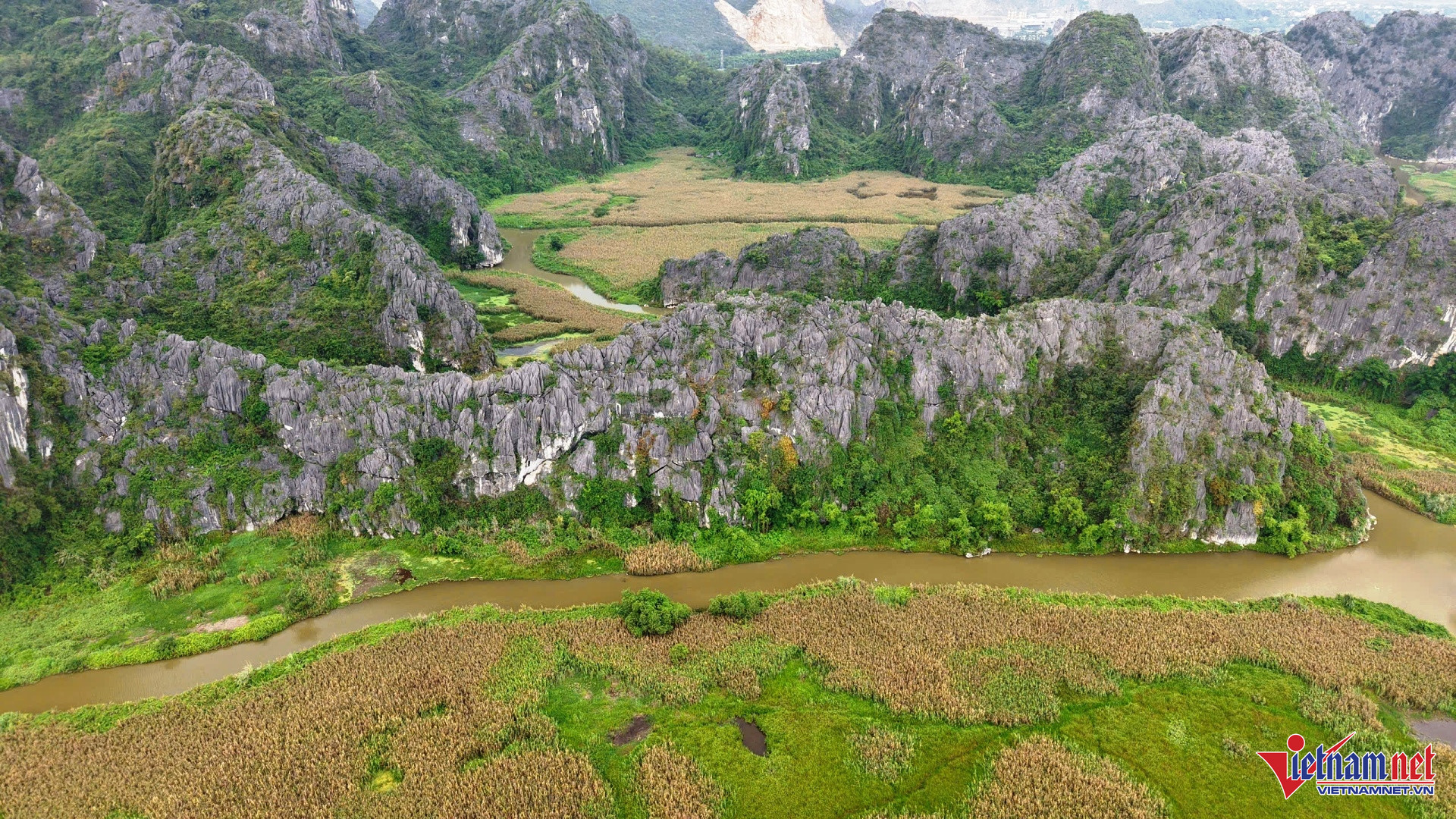
From the boat, the space feels like a living ink painting. Limestone formations - with names like Meo Cao (Scratched Cat), Mam Xoi (Sticky Rice Tray), Hom Sach (Book Box), Da Ban (Flat Rock), Nghien (Inkstone), Mo Coi (Orphan), and Co Tien (Fairy Maiden) - rise on all sides, their reflections merging with the clouds to create a mesmerizing, tranquil vista.
A world of caves and myths
Beyond the surface beauty, Van Long also boasts an extensive cave system, including Ca Cave, Bong Cave, Rua Cave, and Chanh Cave. Among them, Ca Cave stands out as a 250-meter-long tunnel, 10 meters wide and 8 meters high, praised as one of the area’s most scenic and mysterious caves.
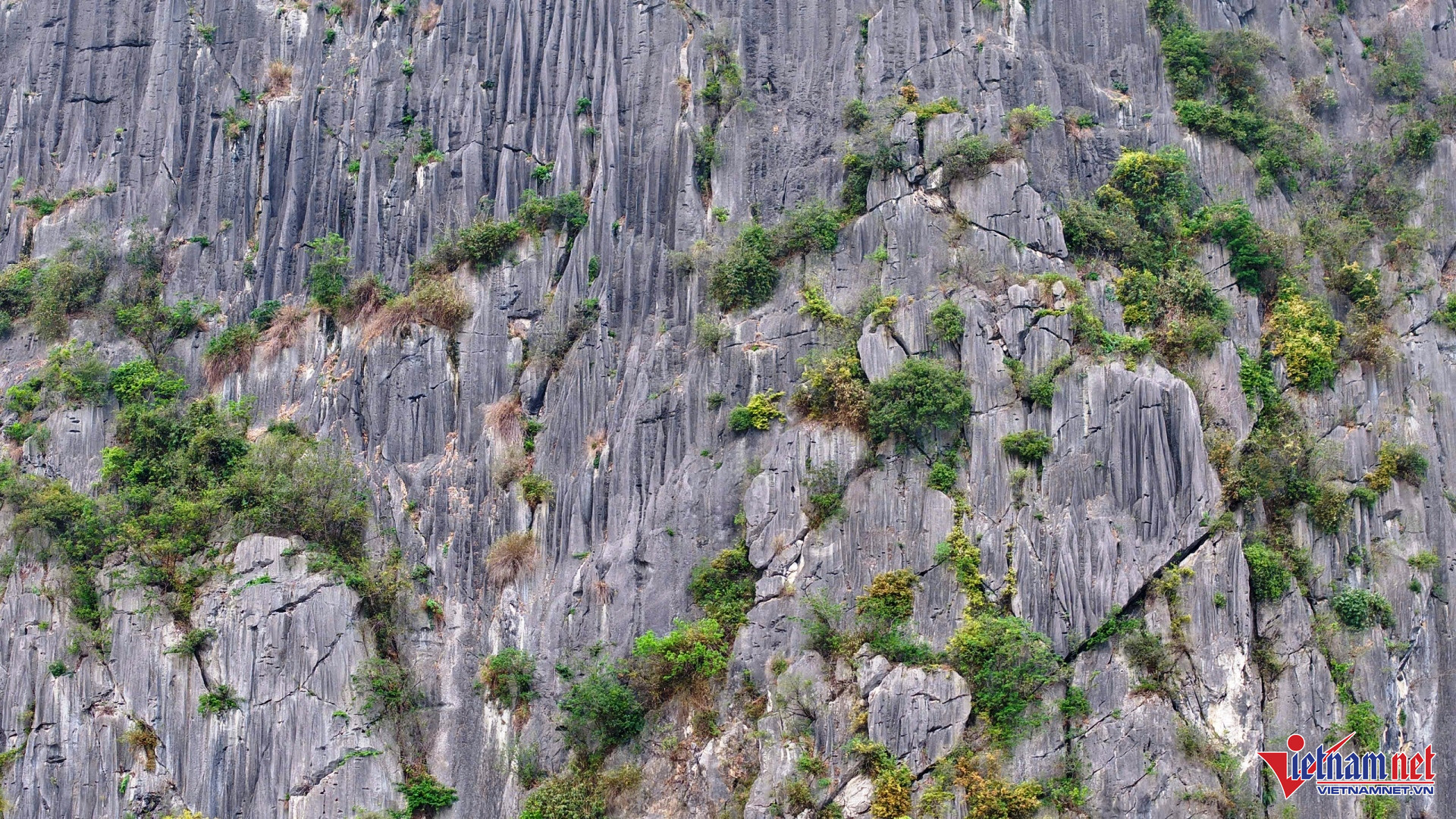
Meo Cao Mountain, towering between 150–200 meters, is one of the most prominent features. It stands alone like an island surrounded by flooded plains. Its vertical cliffs display natural scratches resembling cat claw marks, which inspired its name. The mountain is also believed to house ancient rock carvings that continue to intrigue researchers and adventurers alike.
A haven for rare wildlife
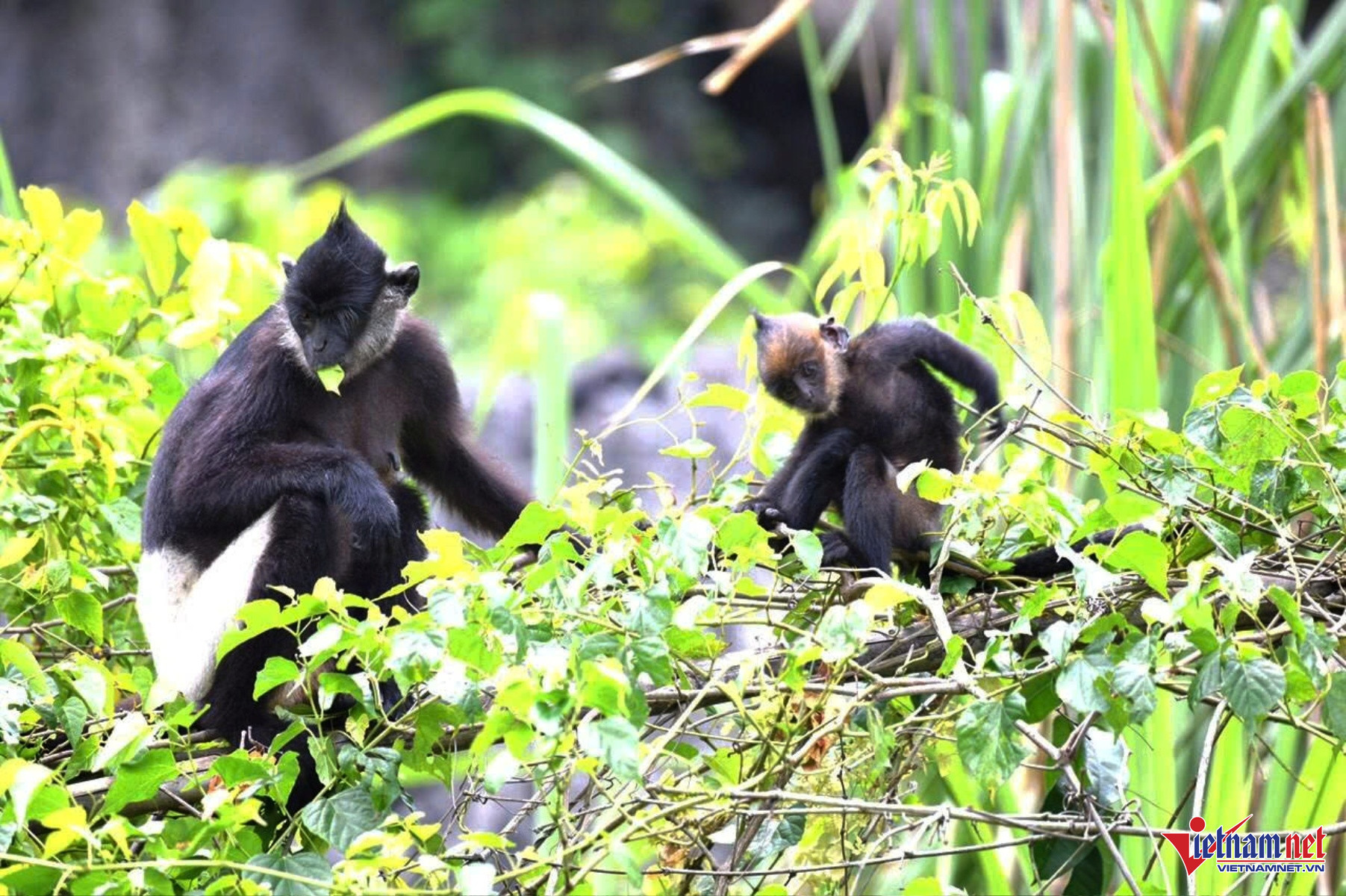
In 2010, Van Long was recognized by the Vietnam Record Book Center for two national records: “The largest natural painting in Vietnam” and “The habitat with the most white-buttocked langurs.”
It has also been designated as a Ramsar site, a title reserved for wetlands of international importance.
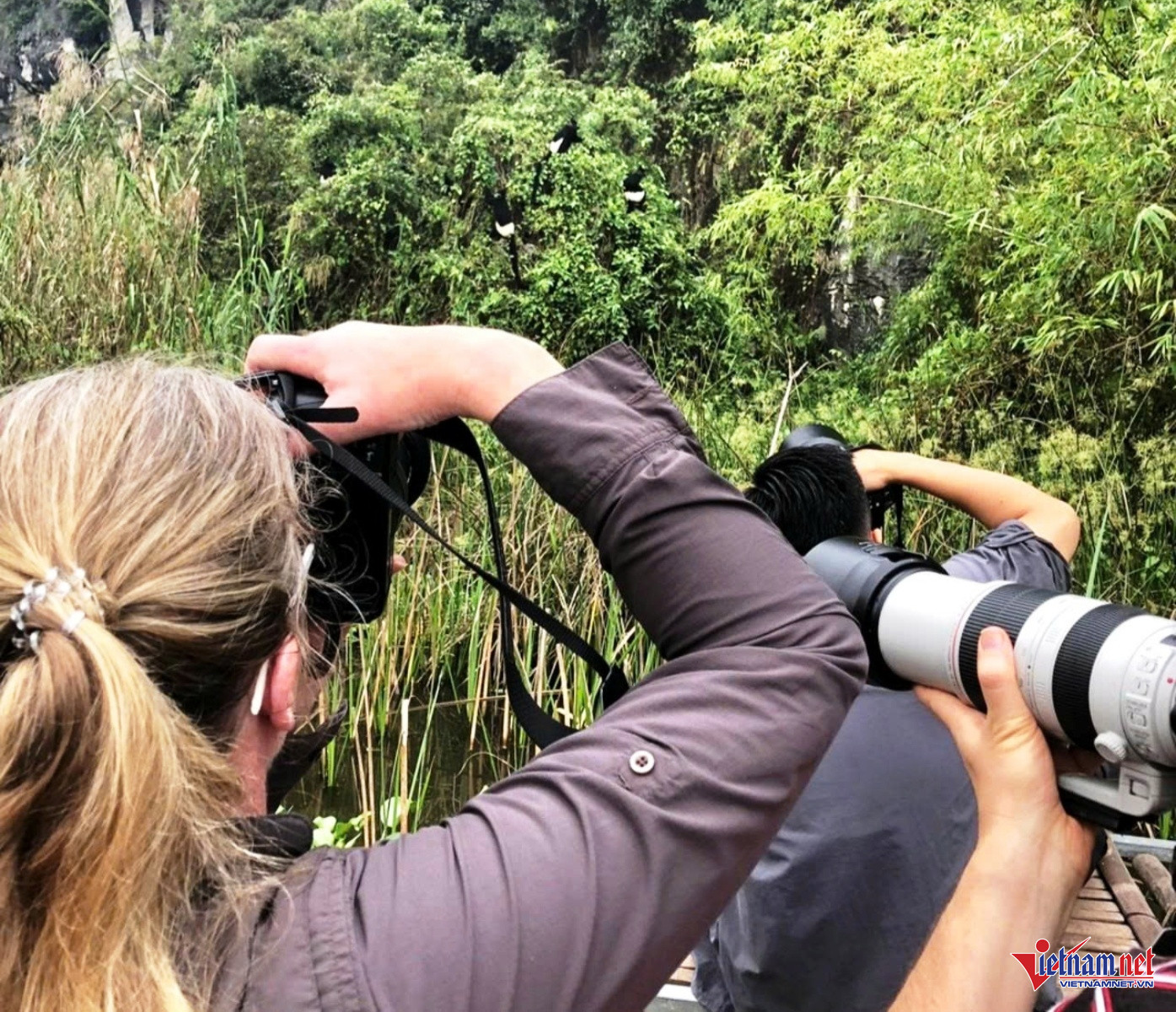
Today, the reserve is home to over 100 white-buttocked langurs, more than 700 plant species, 39 animal species, and around 100 bird species.
Whether you’re a nature lover, photographer, or simply someone seeking serenity, Van Long Lagoon offers a breathtaking escape - one where water, rock, and sky harmonize to form a timeless, untouched sanctuary.



.svg)
