 Vietnamnet.vn

 Podcast



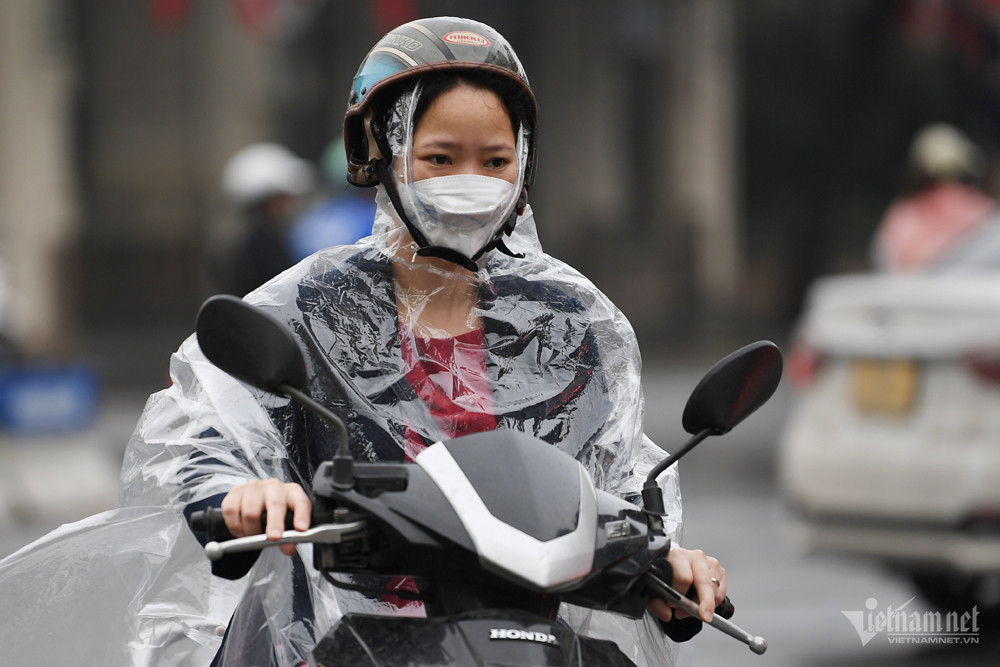
From March 12 to 16, weather across northern Vietnam will generally remain dry with light fog in the early morning. During the day, conditions are expected to be relatively clear, while nights and early mornings will be chilly.
In the northwestern region, scattered showers and thunderstorms may occur on March 12. From the night of March 14 to March 16, mountainous areas may see scattered showers and isolated thunderstorms.
Meanwhile, the eastern plains and coastal areas of northern Vietnam may experience light rain, drizzle and fog on March 15.
In Hanoi, weather from March 12 to 13 is expected to remain mostly dry with light fog early in the morning. Sunshine may appear around midday and in the afternoon, while nights and early mornings remain cold.
On March 14, the capital will see cloudy skies with fog or light mist in the early morning and evening, along with occasional light rain.
From March 15 to 16, drizzle and fog are likely to occur in Hanoi during the early morning and night.
Central and southern weather outlook
During the same period, central Vietnam will generally see limited rainfall, with light fog in the early morning and sunshine later in the day.
However, areas from Quang Tri to eastern Gia Lai may experience scattered showers. From the night of March 12 to March 14, some locations could see moderate to heavy rain accompanied by thunderstorms.
The eastern areas of Dak Lak and Lam Dong are expected to remain mostly dry with sunny conditions.
Across the Central Highlands and southern Vietnam, daytime sunshine will continue, while some parts of southeastern Vietnam may experience hot weather.
Cold air and drizzle expected to continue
Looking further ahead, meteorologists say that from now until early April, average temperatures across the country will generally remain close to the seasonal average.
In northern Vietnam and the north-central region, however, temperatures may be about 0.5 to 1.5 degrees Celsius higher than the long-term average.
Total rainfall nationwide during this period is expected to remain close to the multi-year average. Rainfall in northeastern Vietnam and the Central Highlands may be 10-25mm lower than average, while central coastal areas could see rainfall 5-15mm higher than usual.
During this time, tropical storms or depressions are unlikely to form in the East Sea. Historically, the average number of storms during this period is around 0.2 systems and typically none make landfall in Vietnam.
Cold air will continue to influence weather patterns but is expected to shift gradually eastward. This movement will bring drizzle, light rain and fog to parts of northeastern Vietnam and the north-central region.
Widespread rainfall may also occur in northern Vietnam, from Thanh Hoa to Quang Ngai, and in eastern areas of Gia Lai and Dak Lak.
Notably, hot weather is expected to continue in southeastern Vietnam through the end of March. By April, heat intensity may increase and expand to parts of the Mekong Delta and the Central Highlands.
Hot conditions could also appear in the northwestern region and mountainous areas of the north-central region from around late March.
Meteorologists also warn that dangerous weather phenomena such as thunderstorms, whirlwinds, lightning, hail and strong winds may occur across different parts of the country.
Earlier forecasts indicated that northern Vietnam could experience around three to four additional cold air waves in March. However, these cold fronts are not expected to be strong enough to cause severe cold spells.
Since the beginning of March, two cold air surges have already affected the region.
The meteorological agency also noted that climate change is making weather patterns increasingly complex, with more frequent extreme conditions. Authorities and residents are therefore advised to regularly monitor short-term weather forecasts covering one to three days in order to take appropriate measures for production and daily activities.
Bao Anh
.svg)
