 Vietnamnet.vn

 Podcast



Outside the corridor of K Tan Trieu Hospital in Hanoi, a 20-year-old man from Ninh Binh sat curled up on a plastic chair, clutching his stomach. His face was pale from severe anemia. From time to time, he bent over with dry heaves before looking toward the closed consultation room door.
He didn’t not yet know he had late-stage stomach cancer.
Inside the consultation room, his parents were nearly devastated after hearing the doctor explain the imaging and biopsy results. Surgery was no longer an option. The only remaining treatment was chemotherapy to prolong his life.
His father burst into tears and repeatedly begged the doctor not to tell his son the truth.
"Doctor, please don't tell him he has cancer. He's still so young... he won't be able to handle it."
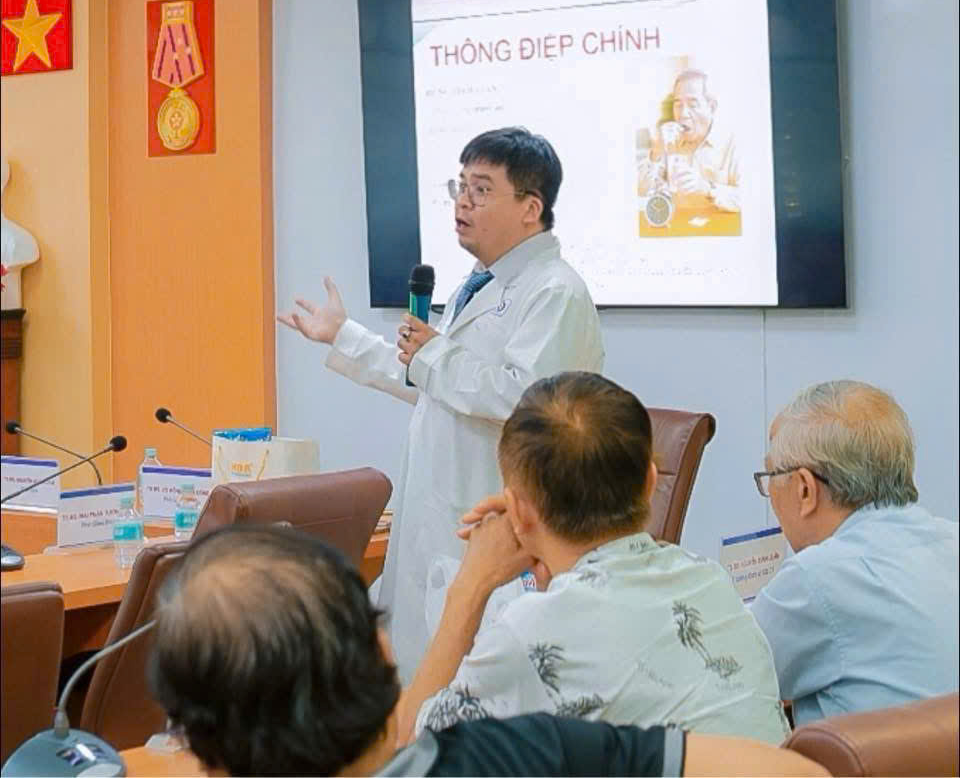
It was a situation that Dr. Ha Hai Nam, deputy head of the Abdominal Surgery Department No. 1 at K Tan Trieu Hospital, had encountered many times throughout his career.
"Professional ethics do not allow us to hide a diagnosis from patients. But as doctors, we cannot be indifferent when delivering bad news," he said.
To this day, Dr. Nam remains haunted by the case because the patient was so young while the prognosis was extremely poor. At that age, patients are fully capable of recognizing that something is wrong with their bodies. Simply entering a cancer hospital, observing their relatives' expressions, and undergoing repeated tests often allows them to sense what is happening.
"The more you hide it, the more anxious patients become. They may lose trust or even abandon treatment. That is even more dangerous. But finding a way to tell them without causing them to collapse emotionally is the hardest part," Dr. Nam said.
When he entered the room to speak with the young man, Dr. Nam did not directly mention the word "cancer." Instead, he chose gentler language, explaining that the patient had a bleeding stomach ulcer, was suffering from severe anemia, and required prompt treatment.
He spoke slowly and avoided overly harsh terms. More importantly, he spent most of the conversation discussing treatment options and opportunities to extend the patient's life rather than focusing solely on the disease itself.
The conversation lasted only a few minutes, but Dr. Nam spent days thinking carefully before speaking those words. In the end, the young man agreed to undergo chemotherapy, and his mental state gradually became more stable.
When doctors cannot tell the whole truth
In oncology, delivering bad news is rarely as sudden as in emergency medicine. Yet these conversations are often longer, more emotionally draining, and filled with greater inner conflict.
Unlike sudden deaths or unexpected medical emergencies, cancer patients often face a long journey of confronting illness, pain, and the fear of death drawing closer each day.
Specialist Level II Dr Tran Trong Le, an oncologist and urological surgeon at Gia Dinh People's Hospital in HCMC, said that informing patients of bad news is something almost every doctor must face daily. But behind each conversation lies not only medical knowledge but also a deeply human conflict between truth, compassion, and Vietnamese family culture.
In Vietnam, it is not uncommon for family members to ask doctors to withhold information from patients. Relatives often approach doctors first and earnestly request that they avoid mentioning the word "cancer," fearing that their parents, spouses, or children will suffer emotional collapse.
"Doctor, please don't tell my husband the truth. He won't be able to bear it."
Such requests are a routine part of life for oncology doctors.
In many Western countries, patients have the right to know the full details of their medical condition. Modern medicine places a high value on patient autonomy because only by understanding their health situation can patients make informed treatment decisions and prepare for their future.
In Vietnam, however, the issue is not simply a matter of right or wrong. East Asian culture places family at the center of life. Vietnamese people are accustomed to the belief that children rely on parents when young and parents rely on children when old. Family members spend their lives caring for one another.
It is this love that leads many families to conceal a loved one's diagnosis, hoping to preserve their peace of mind for as long as possible.
Phuong Thuy
.svg)
