 Vietnamnet.vn

 Podcast



Hac Hai Lagoon, located at the lower reaches of the Kien Giang River in Quang Tri Province, spans about 12 square kilometres. It is a brackish wetland rich in aquatic resources such as shrimp, crab and fish.
Decades ago, the lagoon was considered a haven for wild birds. But since the early 2000s, widespread hunting has led to a sharp decline in bird populations, severely damaging the ecosystem.
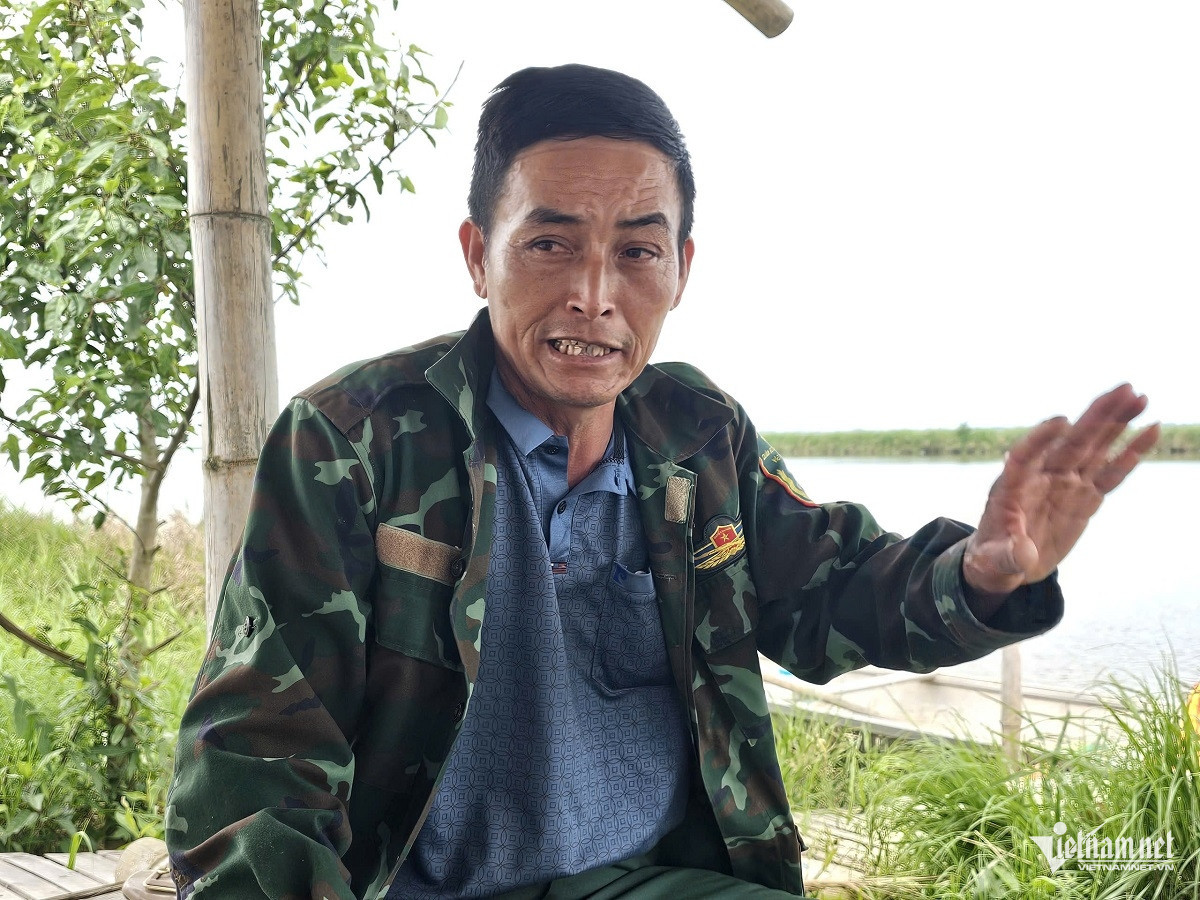
Having lived and worked in Hac Hai for more than 20 years, Nguyen Cong Xuan from Xuan Bac 2 village, Le Ninh commune, admitted that he once made a living by buying birds from hunters and selling them to traders. As bird numbers dwindled, he began to recognise the consequences of overexploitation and decided to change course, shifting towards protecting and restoring habitats.
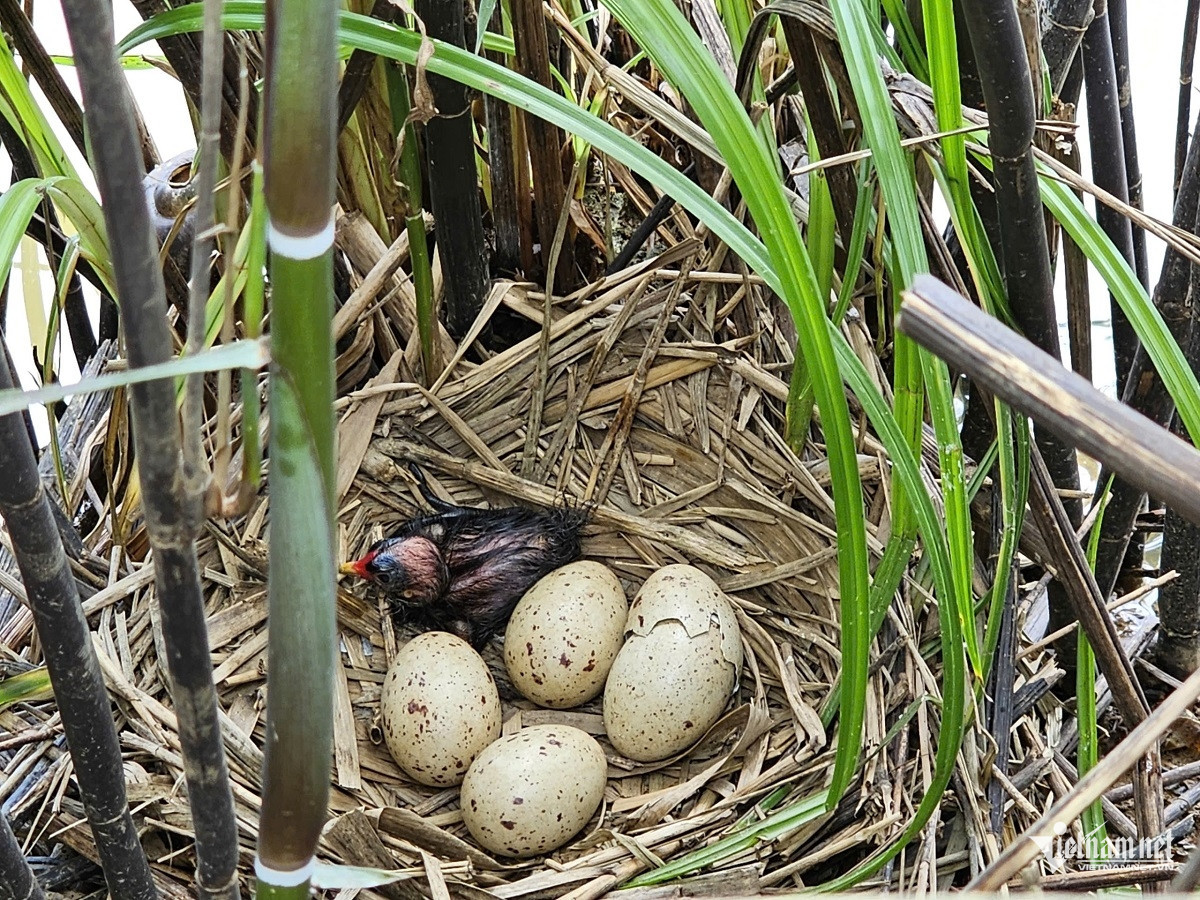
“When we gave up bird trading, my wife and I invested in planting thousands of trees such as Terminalia, nipa palm and mangroves, along with native species to create shelter for birds. Floods later swept many away, so only a small number remain today.
“At the same time, we released shrimp and fish into the fields to create a natural food source, gradually attracting hundreds of bird species - cranes, egrets, herons, coots, waterfowl and more - to return and nest,” Xuan said.
Beyond creating a refuge, he has actively worked to prevent illegal hunting. What was once met with scepticism has gradually gained support, as local residents begin to change their perceptions and join efforts to protect the lagoon’s ecosystem.
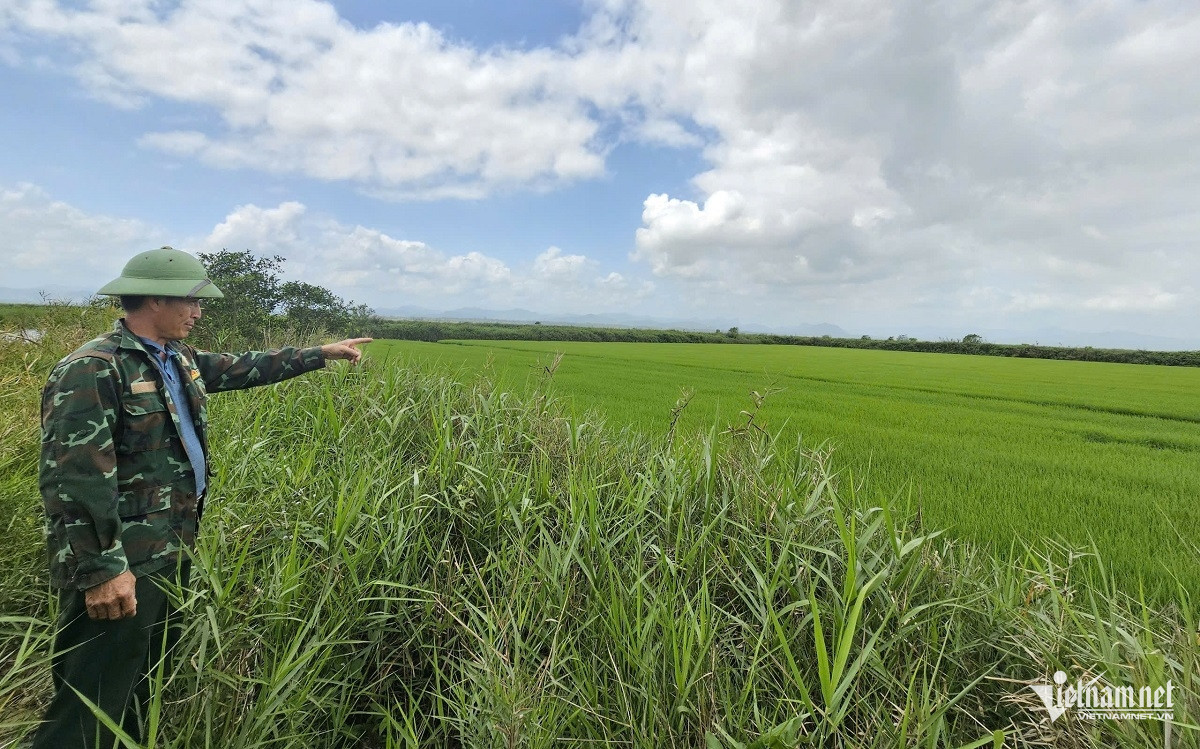
Alongside conservation, Xuan understood early on the need to build a sustainable economic model. Since 2003, he has reclaimed land, built embankments and developed a combined system of rice cultivation and aquaculture.
Starting small with just a few plots and ponds, he faced repeated failures due to lack of experience. But he persisted, attending training sessions and learning from successful models to refine his approach.
Today, his family manages around 6.5 hectares of rice fields, raises more than 1,000 wild ducks and cultivates various aquatic species.
Wild ducks, he noted, are easy to raise, resistant to disease and well suited to local conditions. After about six months, they can be sold at around VND160,000 each (US$6.50), with stable demand in the market.
In aquaculture, he previously experimented with giant freshwater prawns, but the long farming cycle and harsh summer heat reduced efficiency. He later shifted to mud shrimp combined with fish such as climbing perch and snakehead, better adapted to local conditions. Annual yields now exceed one tonne.
Combined income from rice, ducks and aquaculture reaches more than VND700 million per year (US$28,000).
Notably, the introduction of the ST25 rice variety has yielded promising results. Well suited to the soil, it offers high productivity and quality, with reliable market demand. The family has expanded cultivation to 3 hectares under clean production standards.
Recognising the area’s natural beauty and ecological value, Xuan has also developed eco-tourism. Leveraging his deep knowledge of the terrain, he personally guides visitors through the lagoon, offering insights into local life and traditional cuisine.
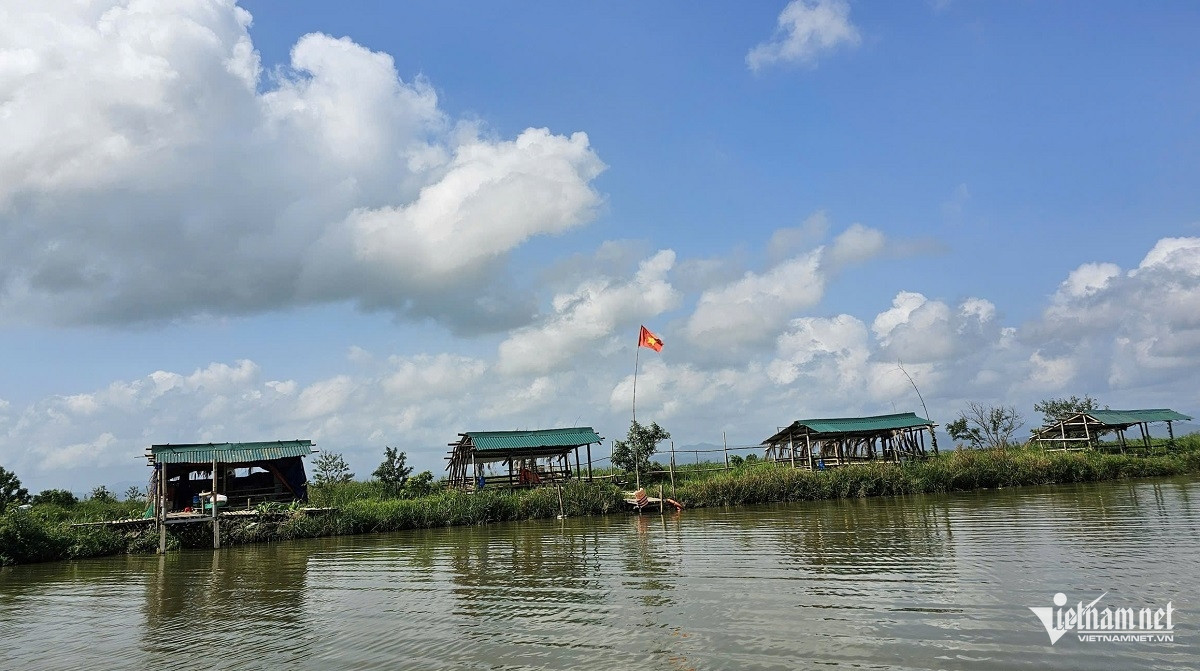
On average, the model attracts more than 100 visitor groups each year, ranging from small groups of three to five people to larger groups of up to 20.
According to the Farmers’ Association of Le Ninh commune, the model is both effective and replicable. In the coming time, local authorities plan to support residents with access to capital, technical training and market connections, helping expand sustainable, eco-based agricultural development.
From what was once a “dead zone” for wild birds, Hac Hai is gradually recovering, emerging as a model that harmonises conservation with economic growth. Xuan’s journey is not only a story of personal transformation but also a testament to the power of changing mindsets and using natural resources responsibly for lasting value.
Hai Sam
.svg)
