 Vietnamnet.vn

 Podcast



Then Pa village, Tuyen Quang
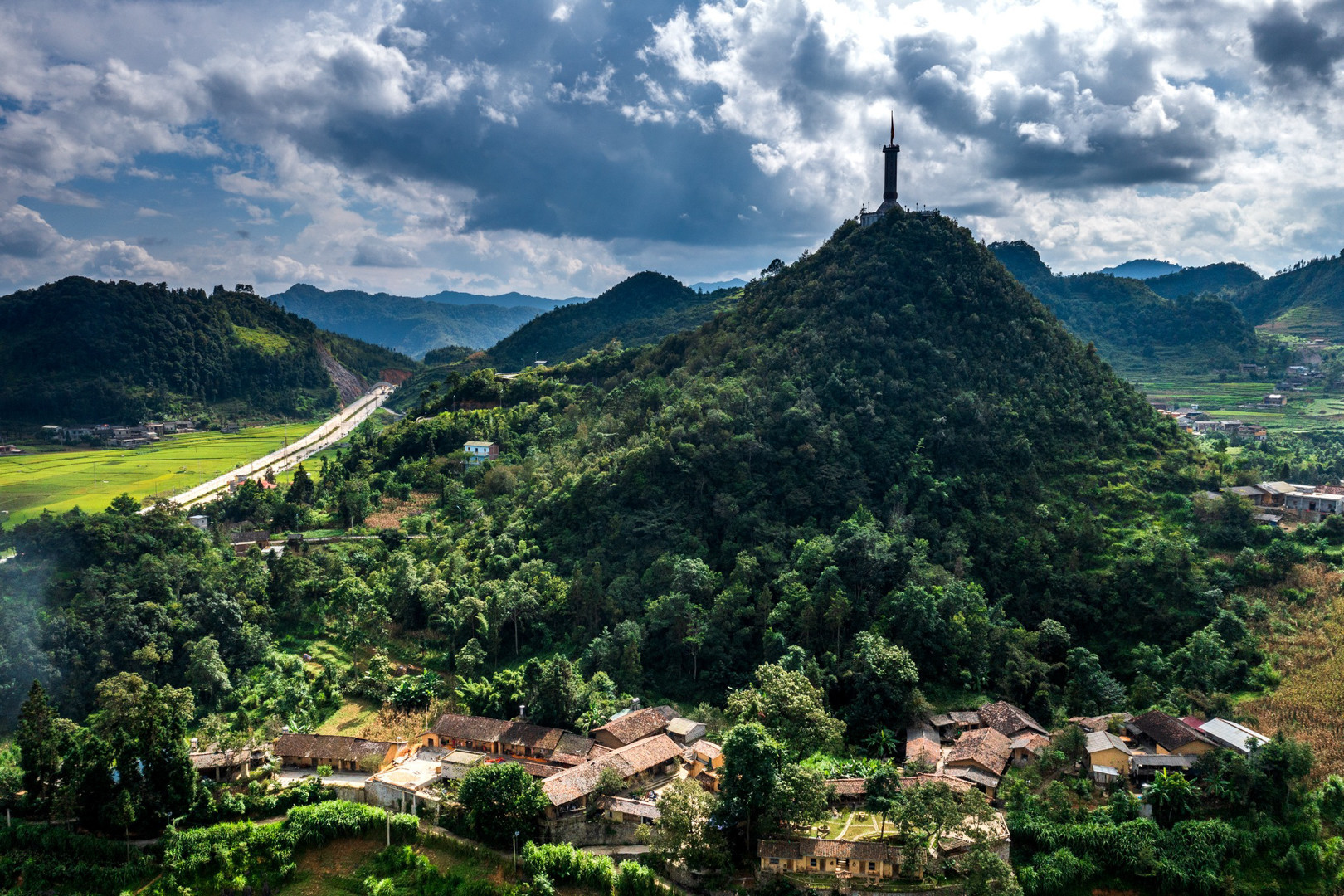
Nestled at the foot of the Lung Cu flag tower in Tuyen Quang, Then Pa village sits quietly not far from the well-known Lo Lo Chai. Though only a few hundred meters apart, the two villages offer contrasting atmospheres.
With its earthen houses, yin-yang tiled roofs and stone fences, Then Pa retains the same architectural identity but feels more tranquil and untouched.
In the local language, “Then Pa” means “large field,” reflecting the village’s flat valley setting. Home to just 12 households, all belonging to the Vang family lineage, the village’s close-knit structure has helped preserve its original way of life.
Visitors often come here to step away from the rush of daily life. Early mornings bring a soft mist that blankets the village and embraces the nearby Dragon Eye Lake, creating a dreamlike landscape.
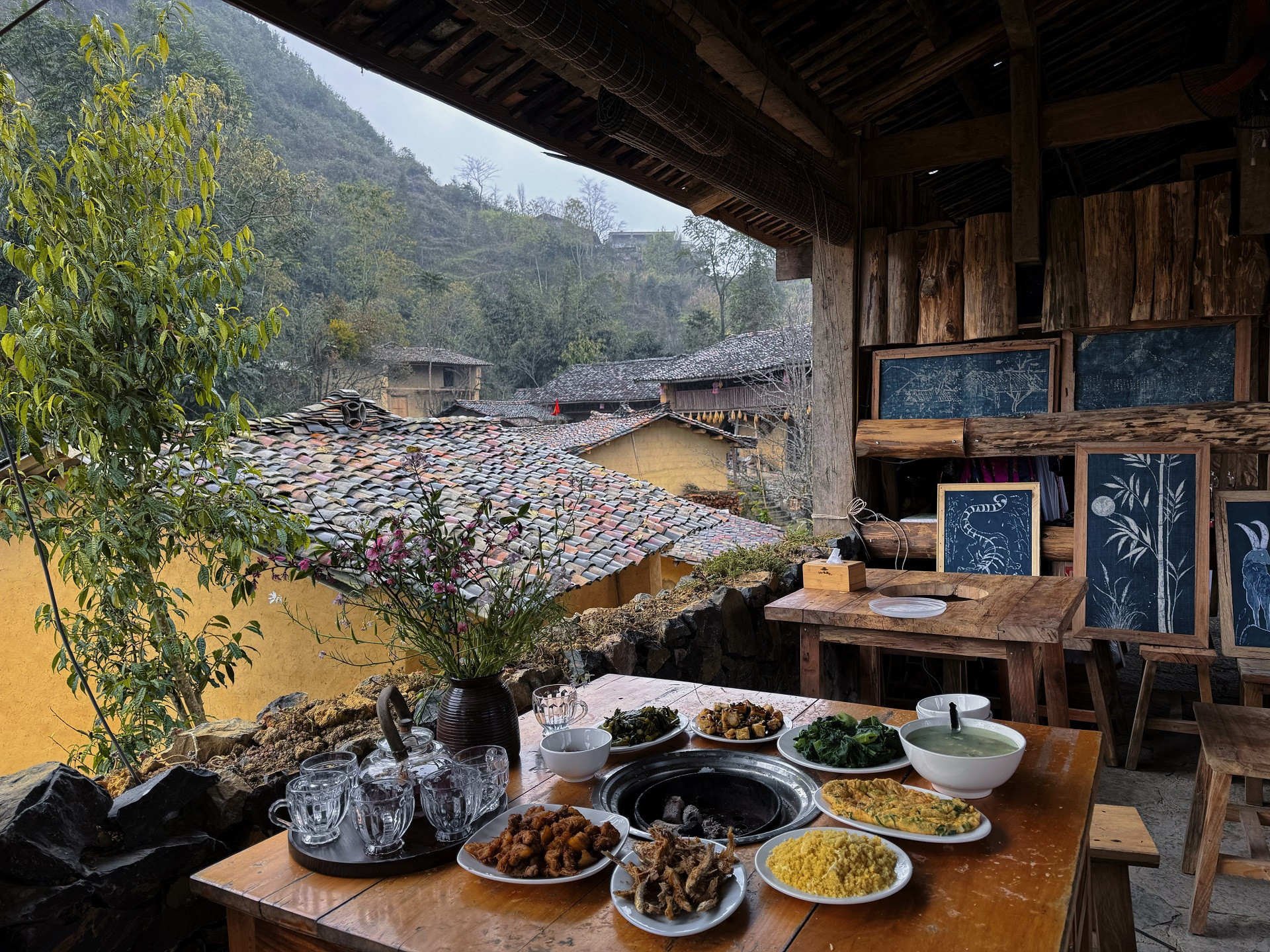
Tourism has only developed over the past five years. Currently, six households offer accommodation, while others provide food and cultural experiences.
Beyond sightseeing, visitors can try traditional activities such as beeswax painting on linen, indigo dyeing, making corn cakes or men men, horse riding, and sampling local dishes like corn wine, thang co and black chicken hotpot.
Lam Thuong valley, Lao Cai
Located more than 250km from Hanoi, Lam Thuong remains a peaceful highland destination, largely untouched by mass tourism.
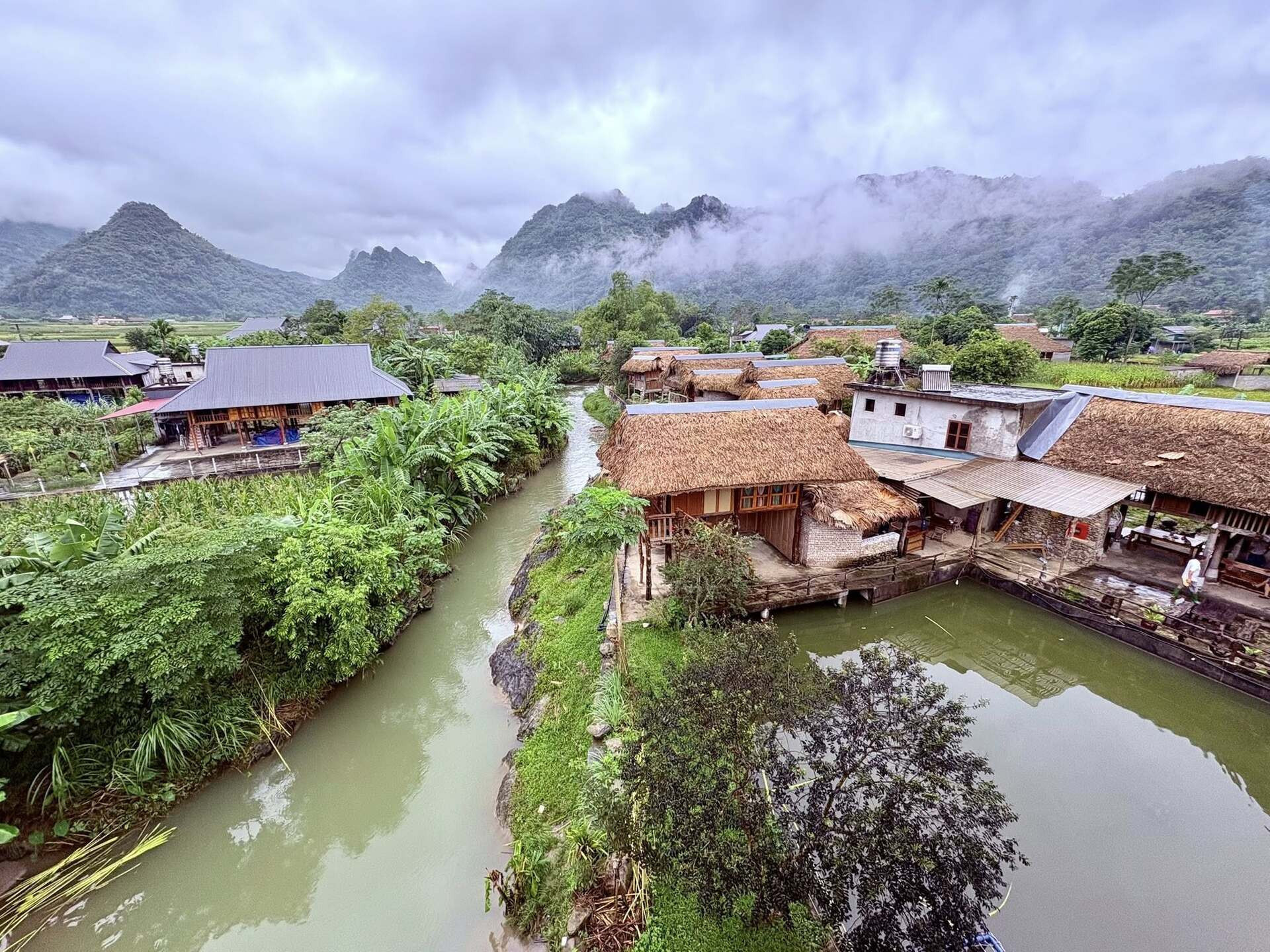
Situated between the former travel routes of Sa Pa and Ha Giang (now part of Tuyen Quang), the valley features rolling hills, pristine streams, fertile fields and traditional stilt houses of the Tay people.
During the day, visitors can cycle or walk through open fields, breathing in fresh mountain air. Activities range from trekking through forests and climbing hills to farming alongside locals, learning folk songs such as Then singing, or playing the Tinh lute.
From Tong Pang or Tong Pinh Cai villages, a short ride or trek leads to the banks of Khuoi Luong stream or Nam Chan waterfall, where visitors can swim in cool, clear water or relax with a natural fish massage.
For trekking enthusiasts, destinations such as Khai Trung Cave, Tham Duong Cave, Lung Trang peak and Khau Chau mountain offer rewarding challenges.
Luot Village, Son La
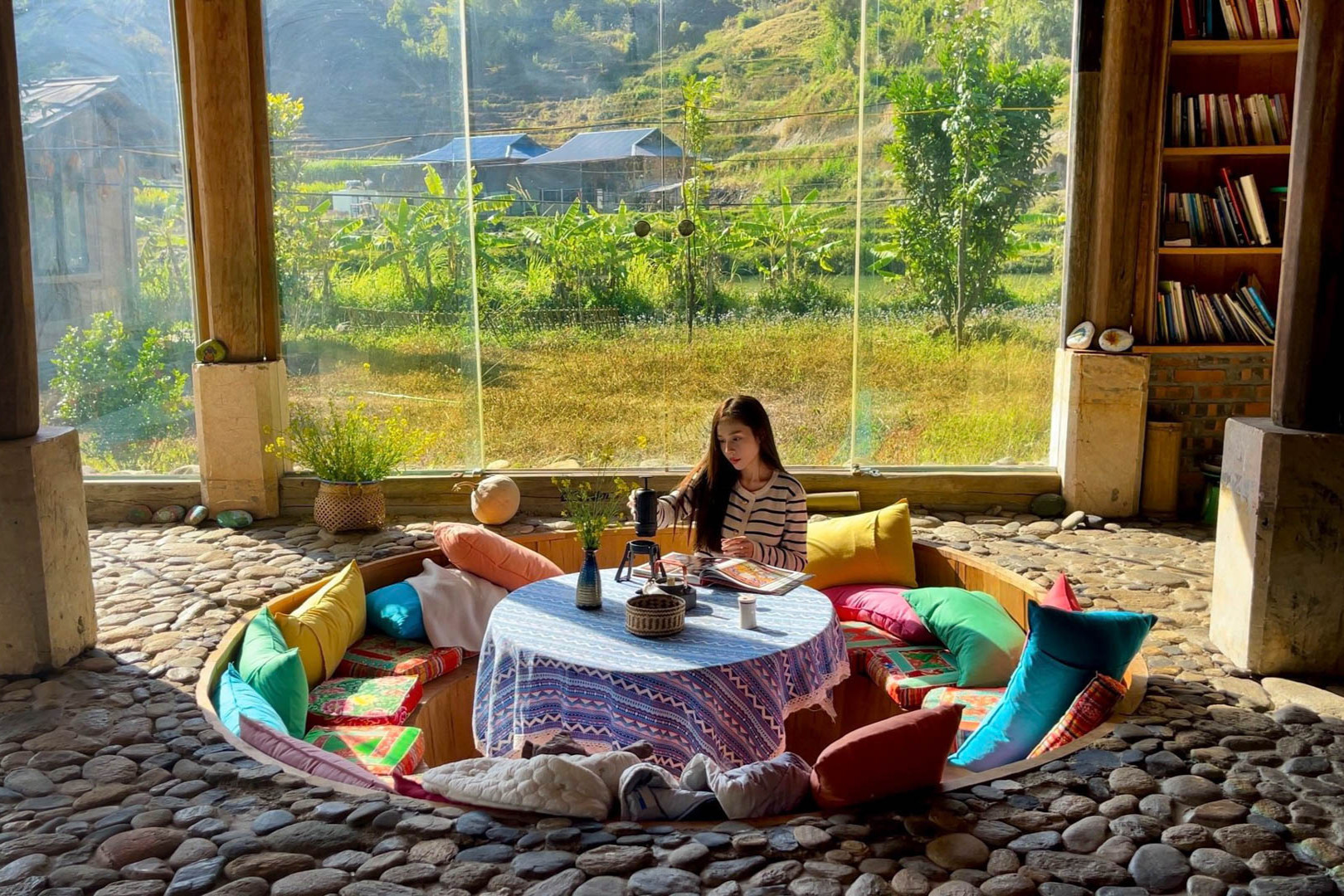
Perched at over 1,600m above sea level in Ngoc Chien commune, Son La, Ban Luot (Luot Village) lies quietly among rolling mountains and terraced rice fields.
The village is known for its traditional Thai stilt houses, many built with po mu wood and preserved for hundreds of years.
Natural hot springs are an integral part of daily life here. Locals have long maintained the custom of bathing in open-air communal pools.
Water temperatures range from 35 to 50 degrees Celsius, with some spots reaching up to 70 degrees. As visitors walk through the village, steam rising from the pools creates a distinctive and almost surreal atmosphere.
Luot Village is an ideal destination for those seeking a slower pace, where time seems to move gently with the rhythm of mountain life.
Ngoc Vung island, Quang Ninh
Covering about 45 square kilometers and comprising eight main land islands along with hundreds of rocky islets, Ngoc Vung Island remains relatively unknown compared to Co To or Quan Lan.
This lack of popularity makes it a perfect escape during peak holiday periods.
The island offers pristine beaches with soft white sand, clear blue water and gentle waves. The air is fresh, and the local community is known for its warmth and hospitality.
One of the highlights is Truong Chinh Beach, a nearly 3km stretch of smooth white sand curving like a crescent. It is an ideal spot to watch both sunrise and sunset.
Visitors can also explore historical and cultural sites such as the old Ngoc Vung citadel, the national flagpole and Phao Dai islet.
From Hanoi, travelers can drive to Cai Rong port in Van Don or Vung Duc pier in Cam Pha, then take a wooden boat or speedboat to the island. The journey takes about three hours by road, followed by 1.5 hours by boat or just 20 minutes by speedboat.
Accommodation on the island is mostly in guesthouses and local homestays, with only one resort currently in operation. Camping by the beach is also a popular option for those seeking a closer connection with nature.
Linh Trang
.svg)
