 Vietnamnet.vn

 Podcast



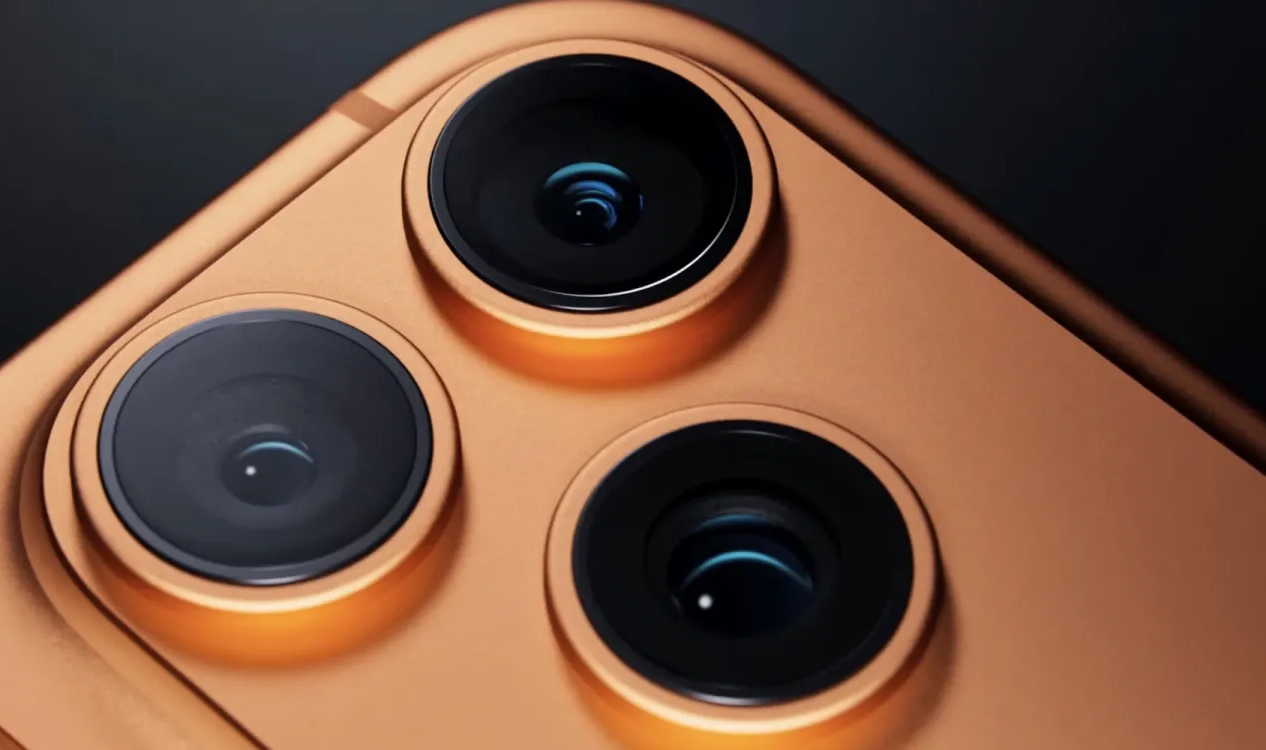
Google’s new Pixel 11 gives users more control over how a photo looks from the moment they press the shutter, introducing a camera feature that Apple would do well to consider for the upcoming iPhone 18 Pro.
Google unveiled the new Pixel 11 lineup earlier this month. Compared with the previous Pixel 10 generation, the new smartphones bring relatively few major changes to their design and hardware. The camera, however, has received some worthwhile upgrades.
Most notable is a new set of image-processing options that gives users much greater control over the look of their photos at the point of capture. With the iPhone 18 Pro approaching, it is the kind of feature Apple may want to take a closer look at.
The Pixel 11 introduces a feature called Camera Looks. At its core, it bears some resemblance to Photographic Styles on the iPhone, allowing users to influence how the camera processes and renders an image. Crucially, however, these changes are applied as the photo is captured rather than simply adding a filter afterward.
Google provides a range of presets, much like Apple, while also allowing users to fine-tune how each one behaves. Camera Looks goes further, though, with a collection of distinctive styles including Editorial, Velvet, Classic, Digi, Black Tie and Minimal.
Bringing smartphone photography back to a more natural look
What makes these new styles particularly interesting is that they push against a trend that has come to define modern smartphone photography: increasingly aggressive image processing.
Rather than always trying to make a picture as sharp, bright and rich in dynamic range as possible, Google is attempting to recreate some of the character associated with older cameras.
Digi, for example, favors lower dynamic range, stronger contrast and more visible noise. The result is reminiscent of the compact digital cameras that were ubiquitous in the 2010s, before smartphones came to dominate everyday photography.
Minimal is arguably even more interesting. The style is designed to produce an image with as little processing as possible. Much of the HDR processing commonly used by smartphones is disabled, allowing users to get a photograph closer to what the camera sensor actually captured.
It is a strikingly different approach at a time when smartphone makers are relying ever more heavily on computational photography and artificial intelligence to produce instantly eye-catching images. Sample photos taken with the new modes make those differences particularly clear.
On the iPhone, users who want greater control over image processing can already shoot in ProRAW. In theory, this makes it possible to pull a photograph back toward a more natural appearance and reduce the heavily processed look that some smartphone images can have.
But that approach somewhat defeats one of the fundamental advantages of smartphone photography. A phone is supposed to let users take a good-looking photo quickly, with little or no editing afterward. Requiring people to shoot in ProRAW and process their images simply to achieve a more natural look is hardly an ideal solution.
One lesson the iPhone 18 Pro could learn from Pixel 11
If Apple wants the iPhone to be the best camera people can carry in their pocket, it also needs to recognize that not everyone wants their photographs to look the same.
Photographic Styles is a good start, but Apple could give users much more control over the amount of processing applied to their images. Photography, after all, is not simply a race for maximum sharpness, richer colors or greater dynamic range. It is also a form of personal expression.
With the iPhone 18 Pro on the horizon, Apple could take a cue from Google and introduce something similar to Pixel 11’s Minimal mode. Giving users an easy way to dramatically reduce computational processing would make the iPhone camera more versatile while appealing to those who miss the natural, sometimes imperfect character of traditional digital photography.
Sometimes the best camera upgrade is not another layer of technology. It is simply giving people the choice to turn some of it off.
Hai Phong
.svg)
