 Vietnamnet.vn

 Podcast



Speaking about the significance of the visit, Japanese Ambassador to Vietnam Ito Naoki emphasized that Japan aims to further strengthen its Comprehensive Strategic Partnership with Vietnam.
The visit comes less than a month after Vietnam completed key leadership appointments, underscoring Japan’s recognition of Vietnam’s role and its expectations for the country’s contribution to the international community.
A series of high-level meetings is expected to take place, covering areas such as energy, economic security, rare earths, and people-to-people and academic exchanges.
Prime Minister Takaichi is also expected to deliver a policy speech addressing the evolution of FOIP. Previously, former Prime Minister Suga Yoshihide gave a policy speech at the Vietnam Japan University in October 2020.
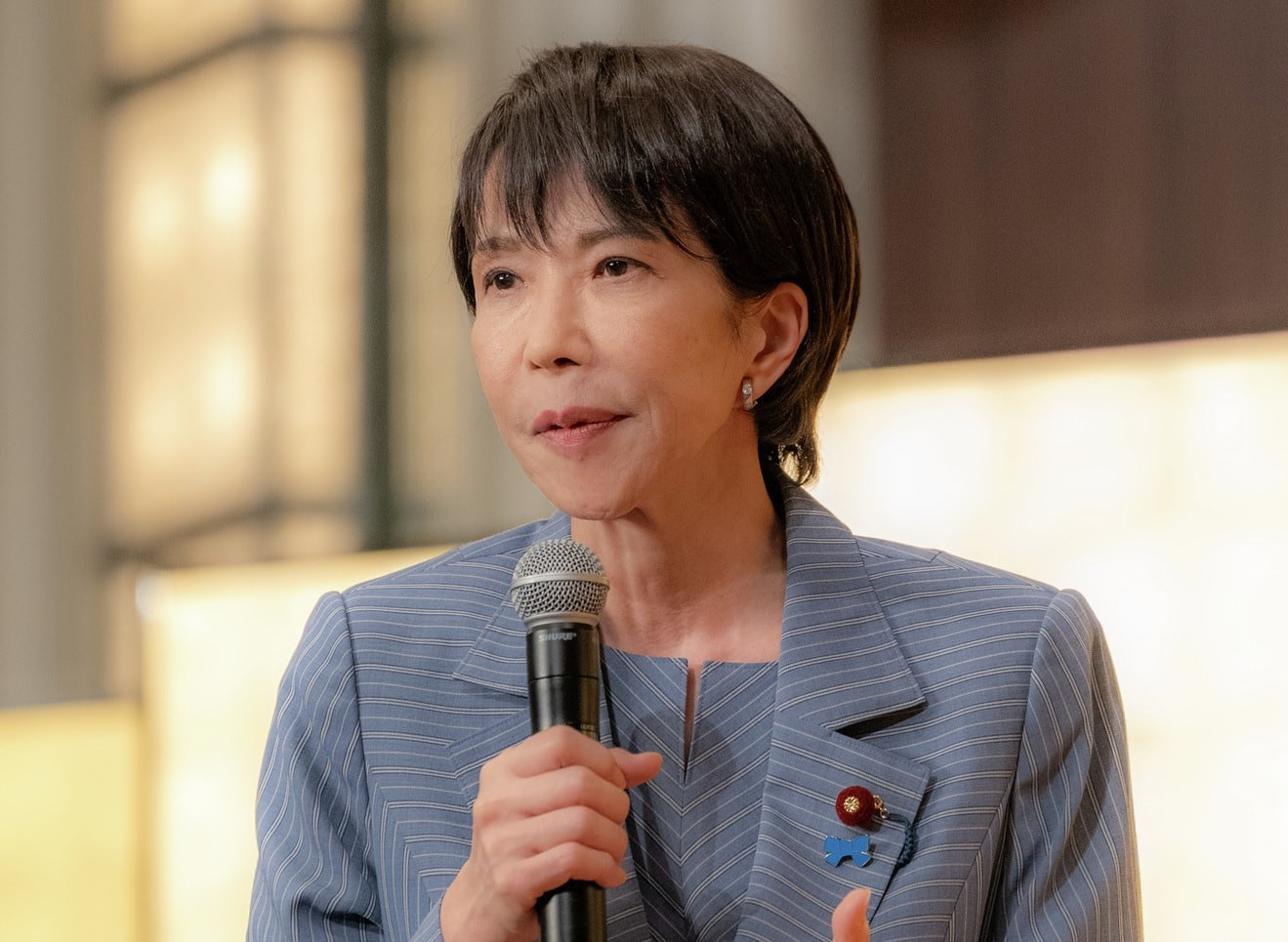
Japan’s Prime Minister Sanae Takaichi. Photo: X/Sanae Takaichi
“Ten years ago, former Prime Minister Shinzo Abe introduced the FOIP initiative, recognizing that the Indo-Pacific would become the center of global growth,” Ambassador Ito noted.
“With that vision, he emphasized that building a free and open region, including strengthening connectivity, would contribute to global development.”
Since then, economic security has become an increasingly critical issue for many countries, with resilient supply chains now a top priority. In response to these changes, Japan continues to develop FOIP as a strategic framework.
Strengthening cooperation with Vietnam is particularly important, the ambassador said, given the country’s strong economic growth in Southeast Asia and its rising international standing.
Against this backdrop, Japan’s decision to choose Vietnam as the venue for this policy speech carries deep significance. As nations sharing aspirations for peace, Japan seeks to work closely with Vietnam to proactively shape a stable and peaceful international environment.
Ambassador Ito also referred to a phone call on April 13 between Prime Minister Takaichi and Party General Secretary and President To Lam, during which both sides reaffirmed their commitment to strengthening ties amid an increasingly complex regional strategic environment.
“Japan welcomes the accelerated reforms in Vietnam and supports the country’s long-term development goals,” he said. “With joint efforts from both public and private sectors, Japan will leverage its strengths to contribute to Vietnam’s new growth model.”
Expanding cooperation across key pillars
The visit is expected to further advance bilateral relations through four main pillars.
First, cooperation in areas such as semiconductors, digital transformation, green transition, artificial intelligence, innovation, and science and technology will be promoted, including through new-generation official development assistance (ODA).
On March 20, Japan provided Vietnam with a program loan worth approximately US$330 million to support climate change response and green transition efforts.
According to the ambassador, this represents a new form of ODA that contributes to Vietnam’s evolving growth model.
In the semiconductor sector, Japan plans to support Vietnam’s goal of training 500 doctoral researchers by 2030 by accepting and training around 250 candidates.
Second, cooperation in energy security and strategic infrastructure will be strengthened. On April 15, following Prime Minister Takaichi’s proposal, an expanded AZEC+ online summit was held to enhance regional energy security, with participation from Prime Minister Le Minh Hung and leaders from eight Asian countries.
At the event, Japan introduced a new initiative called “Power Asia” aimed at improving supply chain resilience. In response to rising crude oil prices affecting Southeast Asia, Japan also committed up to US$10 billion in loans.
As Vietnam accelerates the development of strategic infrastructure, Japan seeks to support these efforts through next-generation ODA projects and private sector investment.
Since the beginning of the year, the two countries have reached agreements on ODA totaling around US$590 million for green transition programs and infrastructure development in mountainous regions. Japanese private investment has become the third-largest source of foreign investment in Vietnam and is expected to reach US$800 million this year.
Bilateral trade exceeded US$50 billion in 2025, with a year-on-year increase of 12.7% in the first quarter of this year. The total trade value is projected to reach US$60 billion by 2027.
Toward a new height in bilateral relations
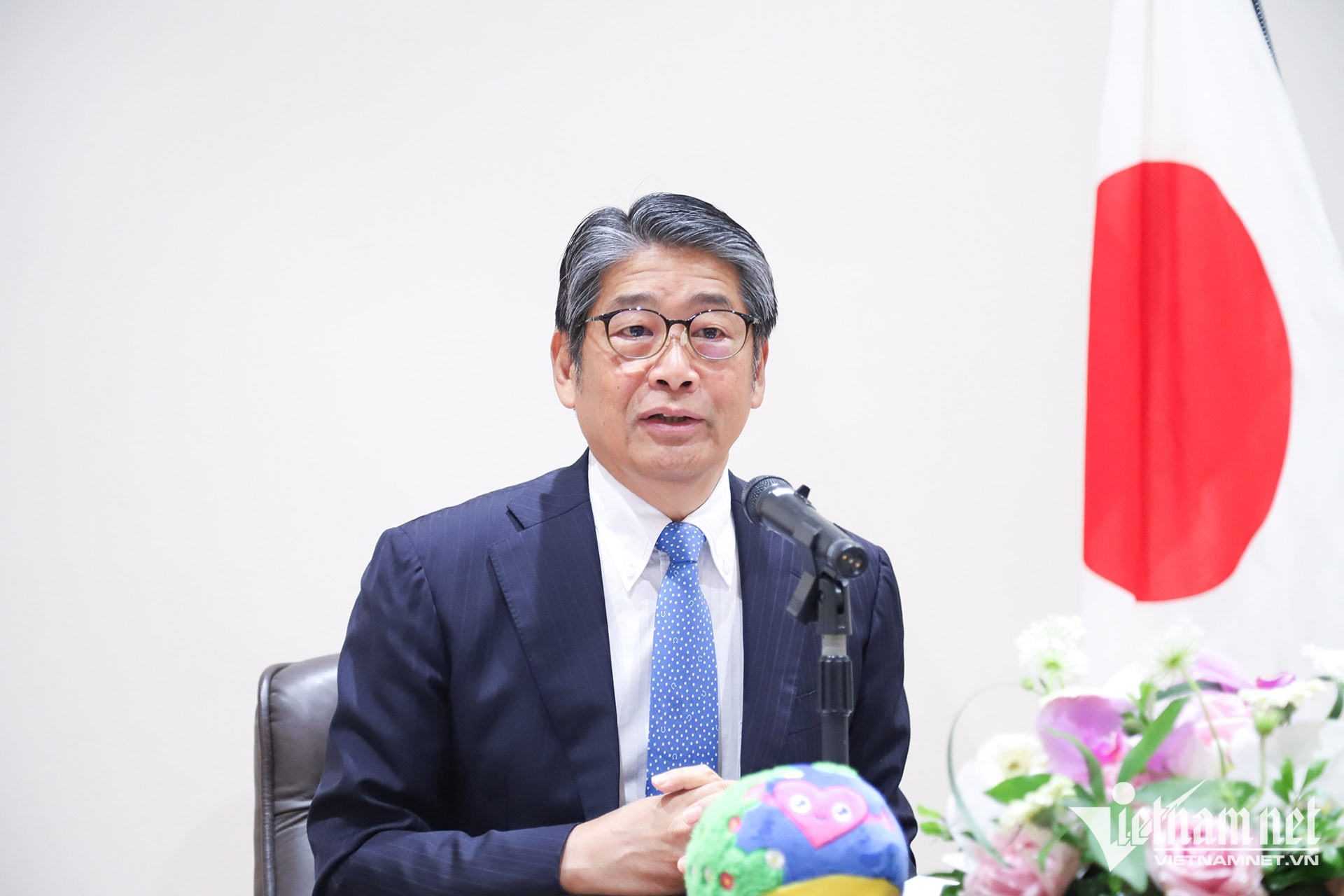
Japanese Ambassador to Vietnam Ito Naoki.
The third pillar focuses on diplomatic and security cooperation to maintain peace and stability in the region. Japan welcomes Vietnam’s emphasis on strategic autonomy and international integration.
This year, Vietnam holds the chairmanship of the Comprehensive and Progressive Agreement for Trans-Pacific Partnership (CPTPP) and the Review Conference of the Treaty on the Non-Proliferation of Nuclear Weapons (NPT), and is set to host APEC next year in Phu Quoc.
Japan hopes the visit will further advance cooperation in these areas, including the implementation of official security assistance and the transfer of defense equipment.
The fourth pillar highlights people-to-people and cultural exchanges. The timing of the visit coincides with public holidays in both countries, a period marked by increased travel.
From January to March, more than 200,000 Vietnamese visited Japan, up 9% year-on-year. In March alone, around 92,000 Vietnamese tourists traveled to Japan, many to view cherry blossoms.
Ambassador Ito stressed that people-to-people exchange and friendship form the foundation of bilateral relations. Both countries aim to surpass 2 million mutual visits annually by 2030.
He also noted that decades of educational exchange have played a significant role in strengthening ties, expressing hope that more Vietnamese students will study in Japan and serve as bridges between the two nations.
On the occasion of Vietnam’s 51st anniversary of national reunification, the ambassador extended congratulations to the government and people of Vietnam.
“After half a century, I express my deep respect for Vietnam’s remarkable economic achievements and its peaceful development path,” he said.
Prime Minister Takaichi is scheduled to begin her visit on May 1, a trip expected to elevate Vietnam-Japan relations to a new level.
Tran Thuong
.svg)
