 Vietnamnet.vn

 Podcast



In July 2026, taking advantage of some free time, Tran Ha Ly and her large family from Hanoi once again set off for Phu Quy, also known as Cu Lao Thu or Cu Lao Khoai Xu.
The island was formerly part of Binh Thuan Province and is now the Phu Quy special zone under Lam Dong Province.
Covering just over 18 square kilometers, Phu Quy is relatively small, yet it offers enough scenery, landmarks and experiences to keep visitors exploring for days.
Beyond the main island, the Phu Quy archipelago also includes Hon Da Cao, Hon Do, Hon Tranh and Hon Hai.
Untouched scenery and plenty to explore
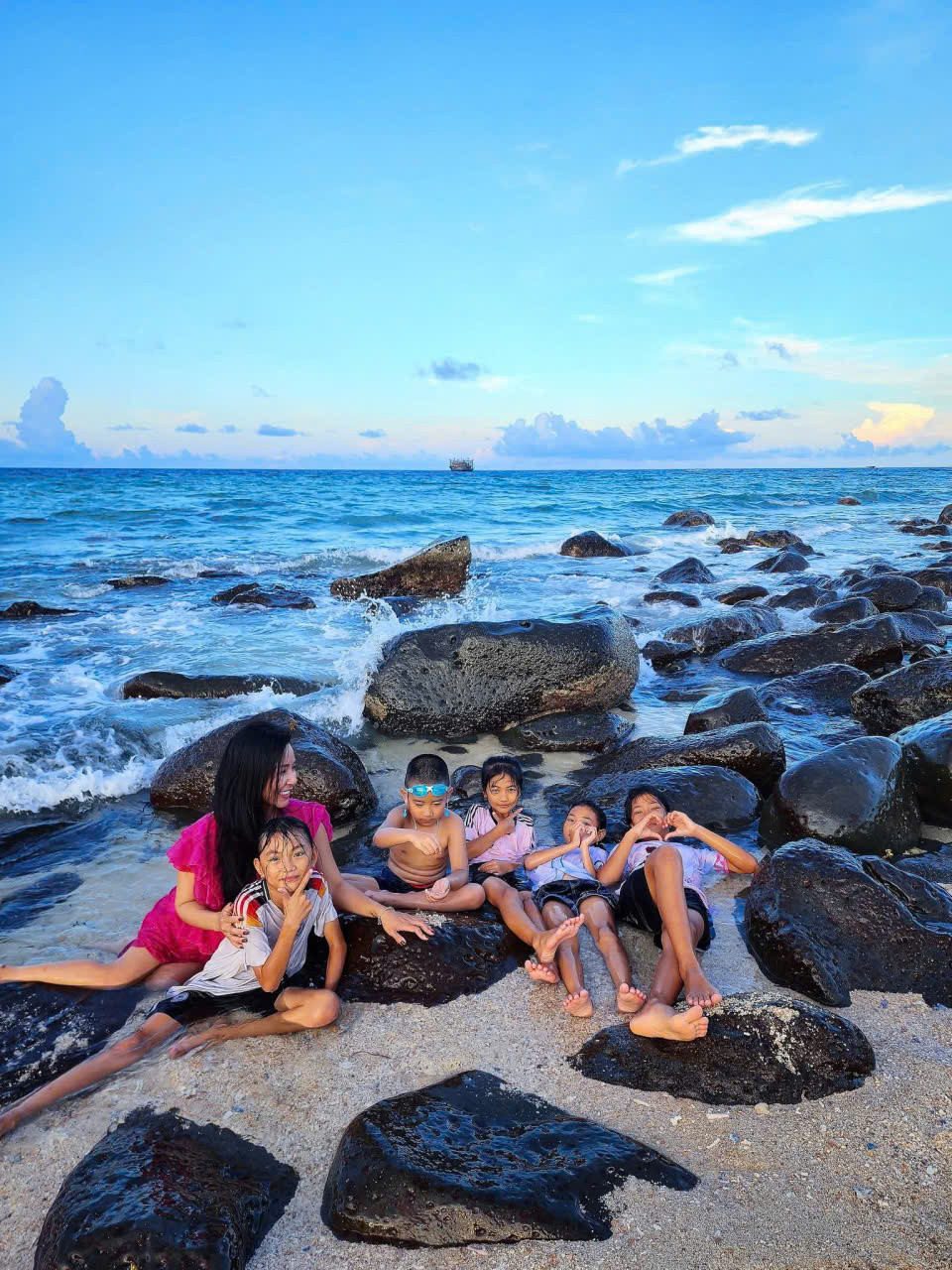
For Ly and her family, Phu Quy has become a favorite summer destination. Having visited several other islands around Vietnam, she finds that Phu Quy has a character all its own.
One of its most distinctive features is the absence of cars. Both visitors and local residents get around mainly by motorbike, helping the island retain a notably quiet atmosphere.
Ly said that while tourism services on the island are now fairly well developed, much of its natural landscape remains unspoiled. She has also been won over by the warmth and down-to-earth nature of local people.
Then there is the sea.
Marine life is so abundant, she said, that “you can see fish just by swimming close to shore.”
“This was our family’s fifth trip to Phu Quy,” Ly said. “Our previous visits were also usually during the summer and lasted around one or two weeks.”
For accommodation, the family prefers locally run homestays, particularly those right by the sea.
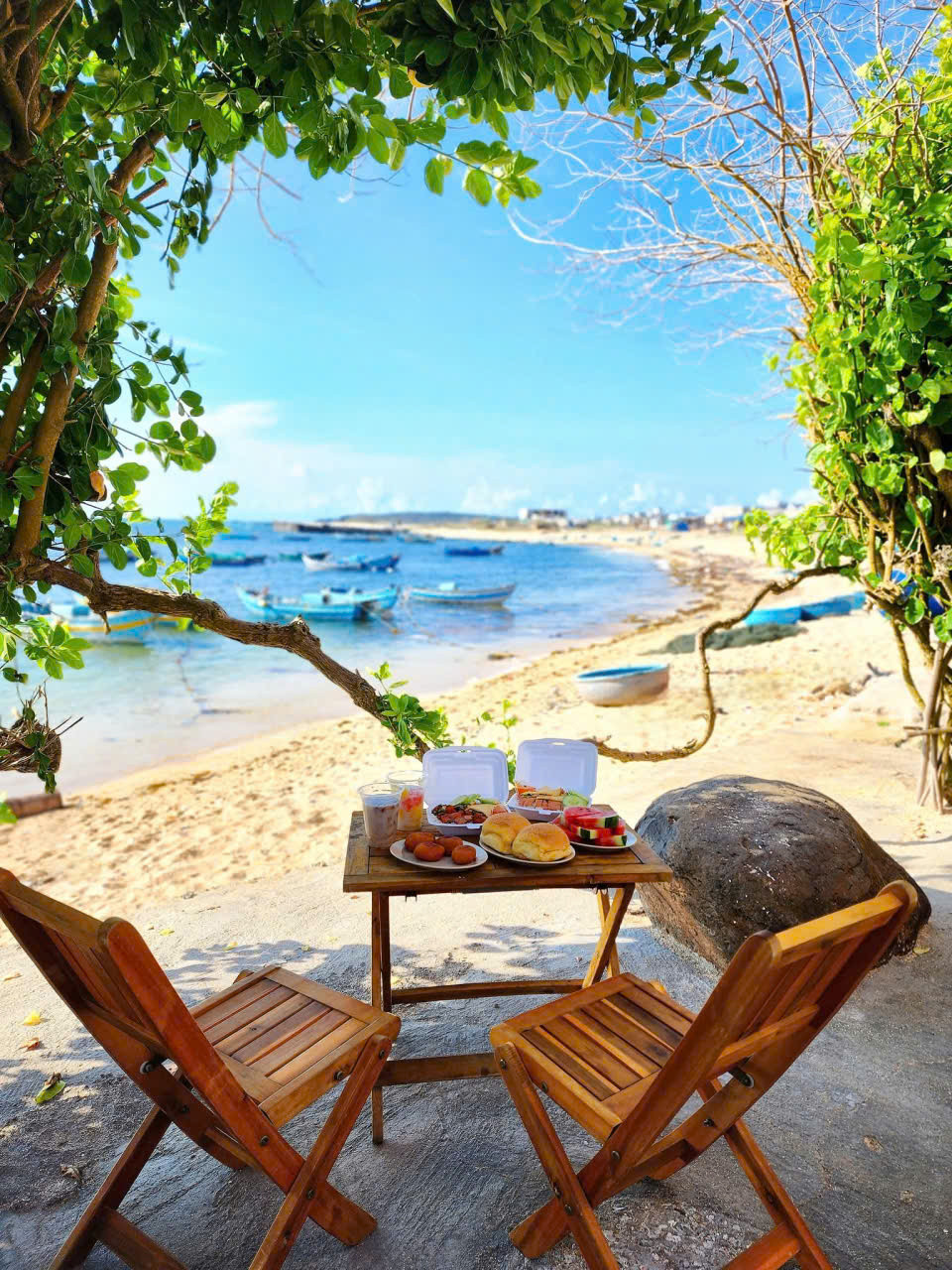
Their homestay had a simple, relaxed design, with a sandy courtyard and large trees providing shade, creating the feeling of staying in a private beach home rather than conventional tourist accommodation.
There was also a kitchen where guests could prepare their own meals.
“Most importantly, the hosts were incredibly friendly and always ready to help their guests, while the price was also quite affordable,” Ly said.
The family embraces slow travel, taking time to enjoy each experience rather than rushing from one attraction to another simply to take photographs and check places off a list.
During their stay, Ly, her husband and their children tried a range of activities, including freediving, joining a tour to explore Hon Tranh and diving for sea urchins.
They also visited scenic spots and photogenic locations around the island. Rather than sticking only to familiar tourist attractions, the family enjoyed seeking out lesser-known places that relatively few visitors explore, including the lighthouse, Van An Thanh Temple, where whale skeletons are preserved, and the temple dedicated to Princess Ban Tranh.

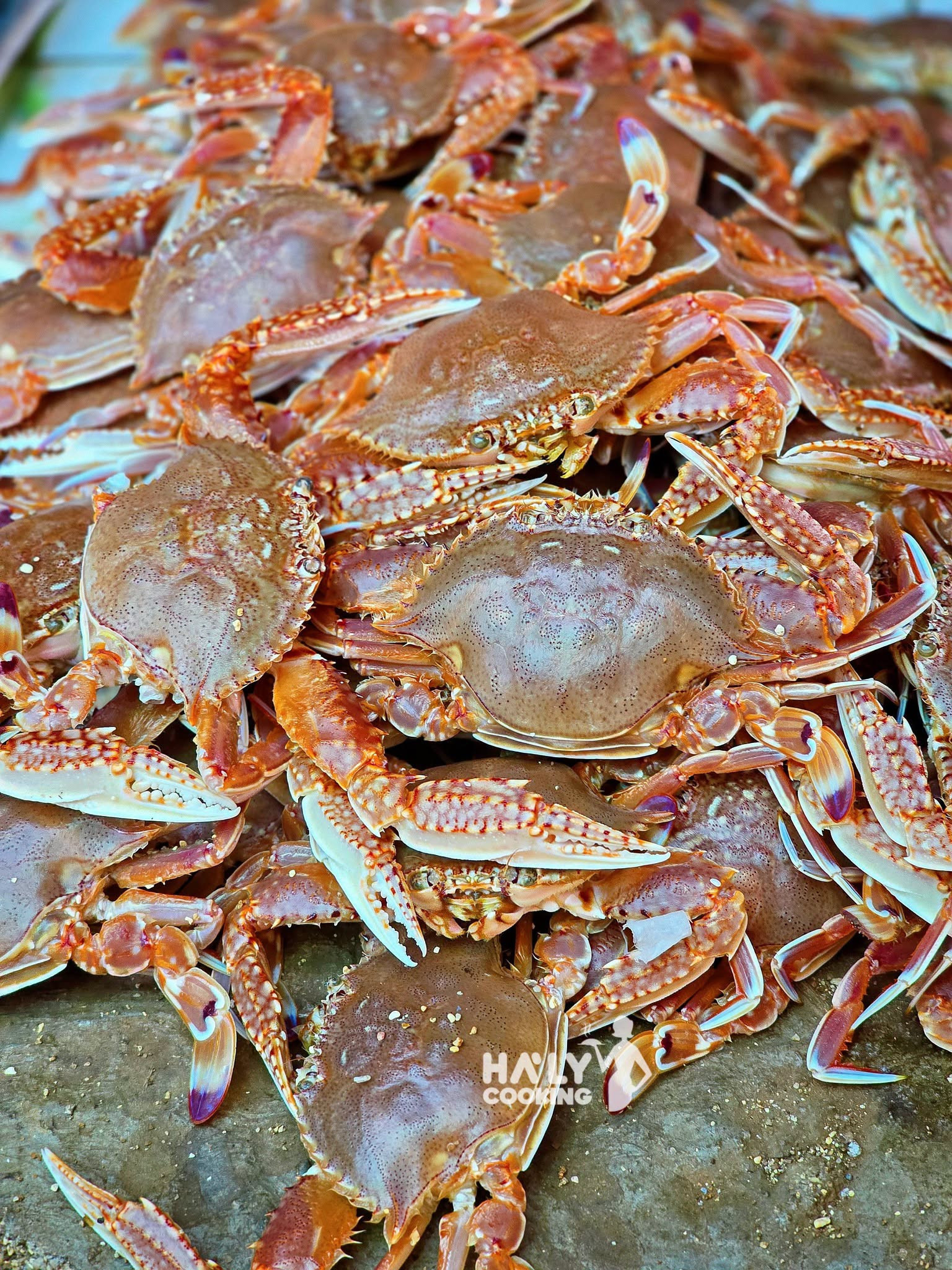
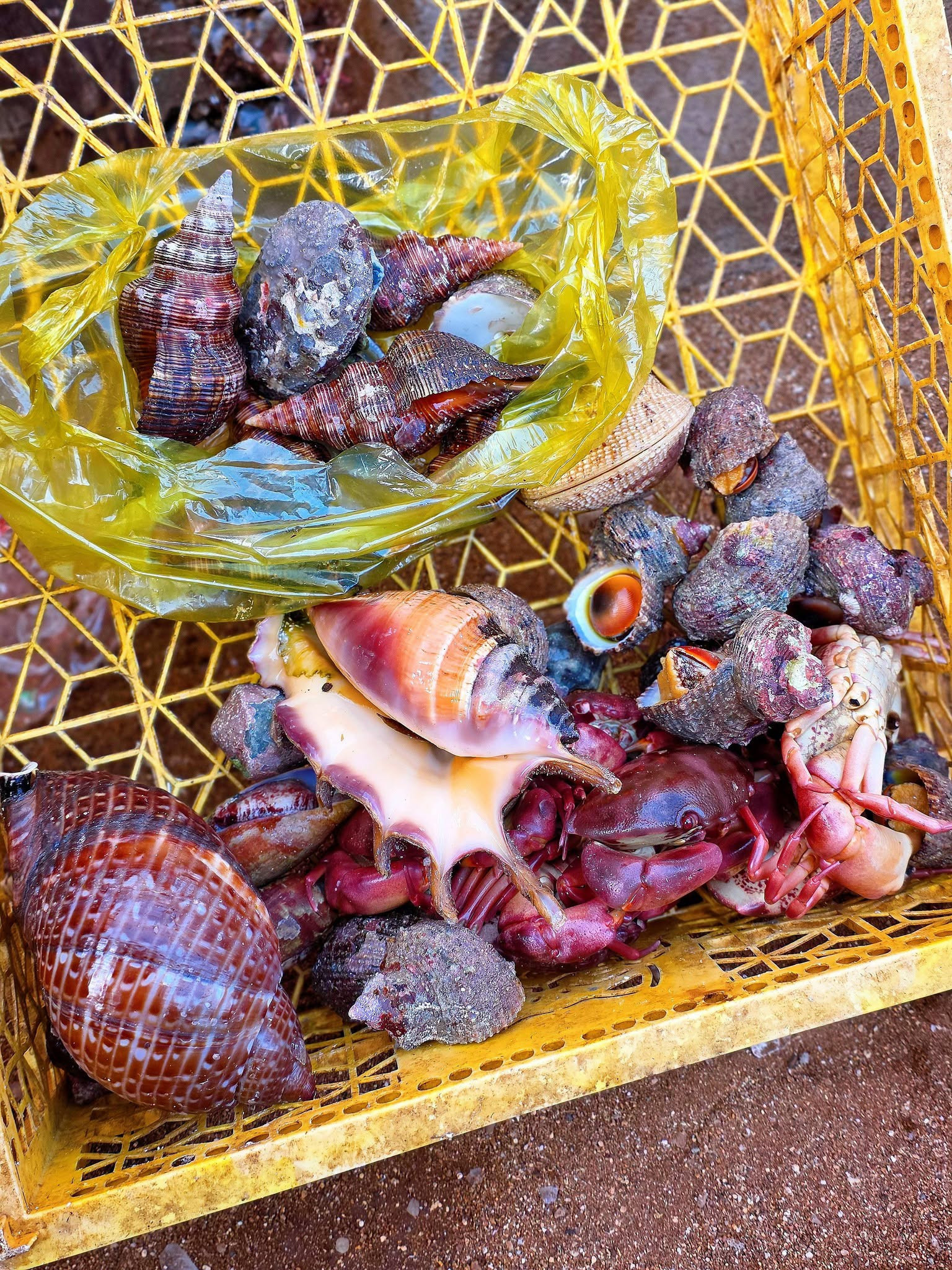
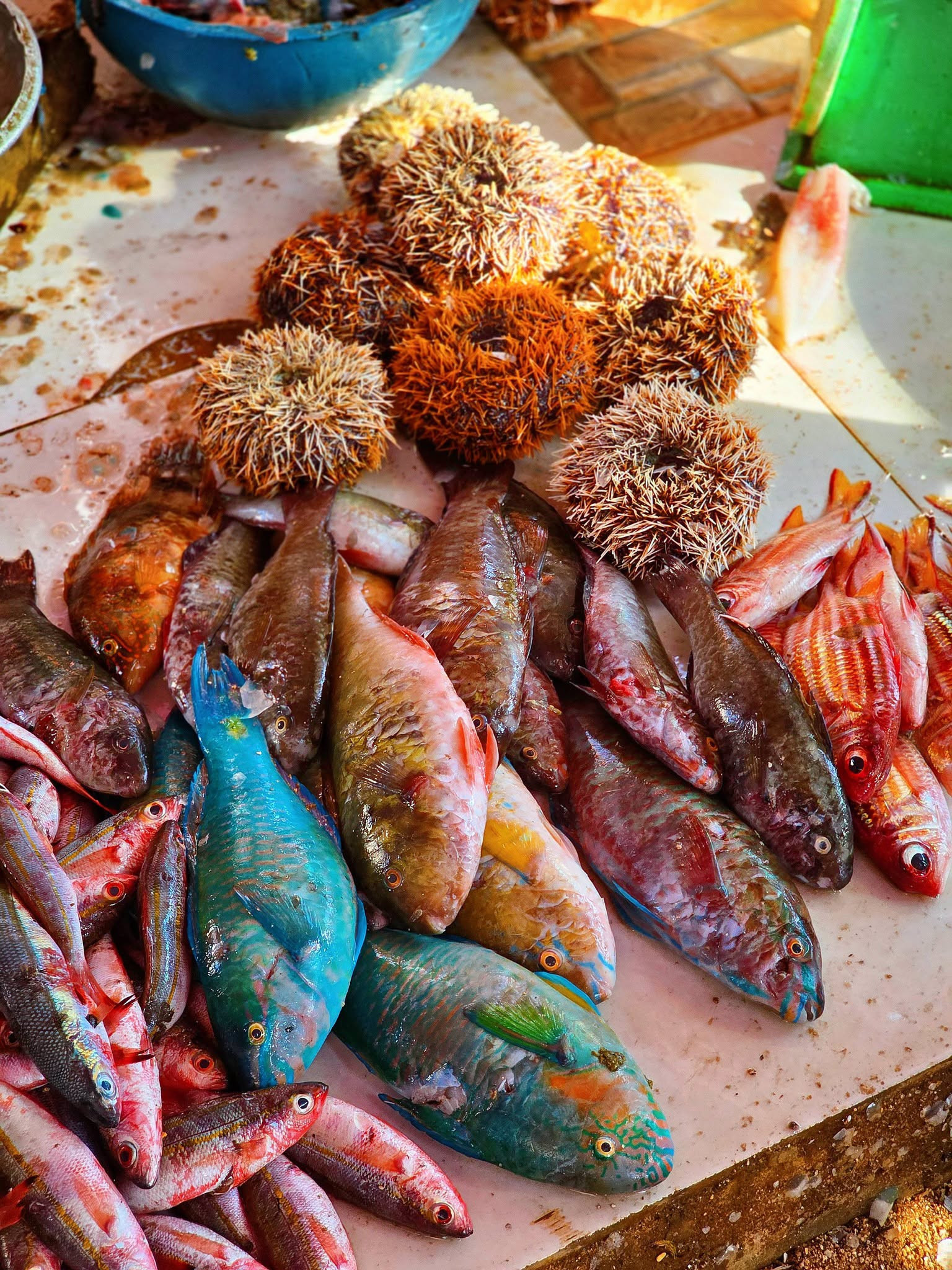
One of Ly’s favorite experiences on Phu Quy is getting up early and heading to the fish market, where an extraordinary variety of freshly caught seafood is available at affordable prices.
“Sunrise comes very early on the island. Every time I go to the fish market, it feels like walking into a budget supermarket because there is such a huge variety of seafood, everything is incredibly fresh, and the prices are very reasonable,” she said. “For example, a batch of fresh abalone mixed with clams and snails costs only around US$2, live blue swimming crabs are about US$2.30 per kilogram, and fresh octopus is around US$3.60 per kilogram.”
It is not only seafood that she finds affordable. Vegetables and fruit are also relatively inexpensive.
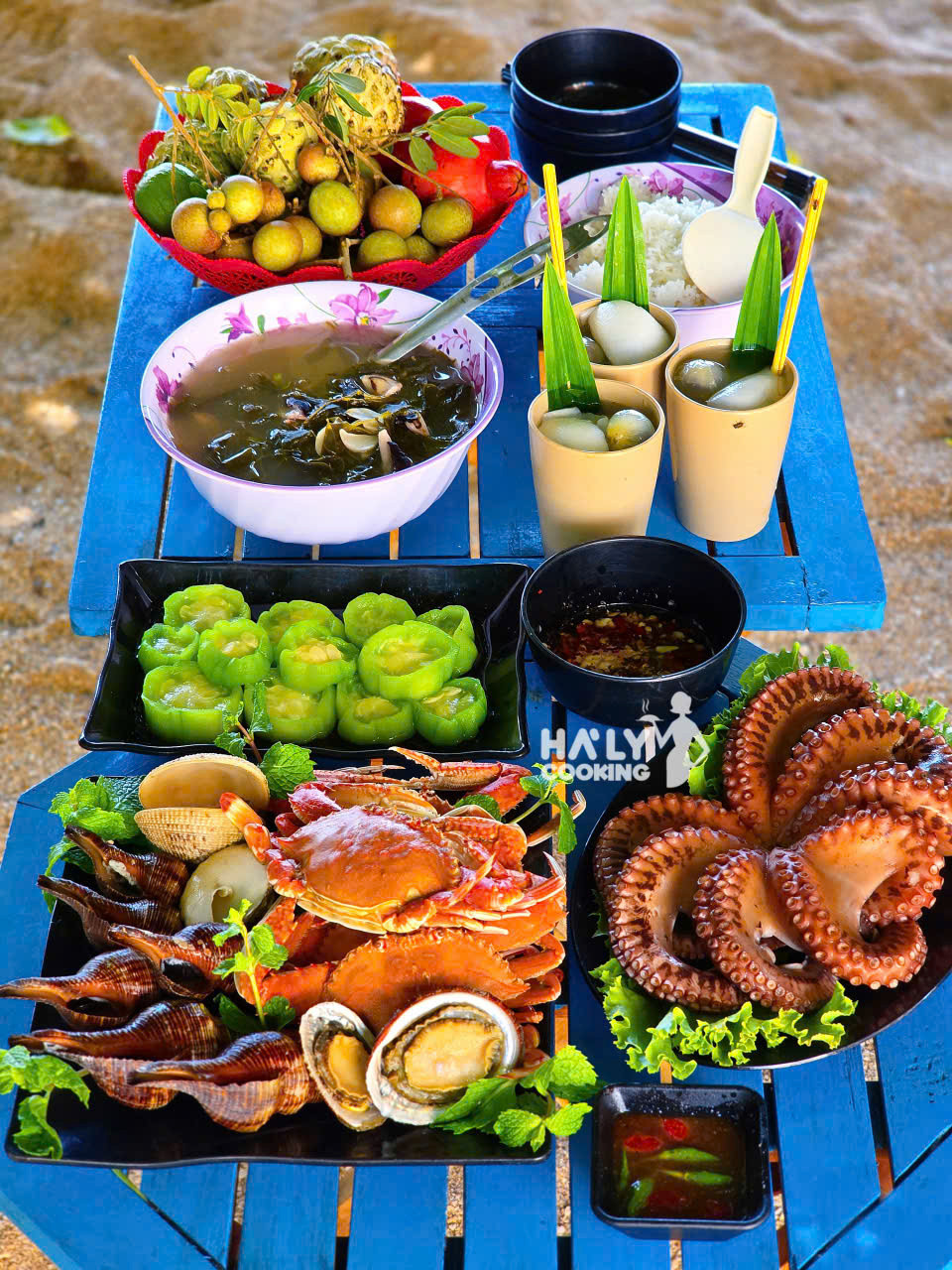
“I usually buy plenty of ingredients and bring them back to the homestay to cook meals for the whole family,” Ly said. “It saves money, and at the same time we get to enjoy wonderfully fresh seafood right where it comes from.”
Diverse food at affordable prices
For Ly, food is one of the highlights that makes the family’s trips to Phu Quy particularly memorable.
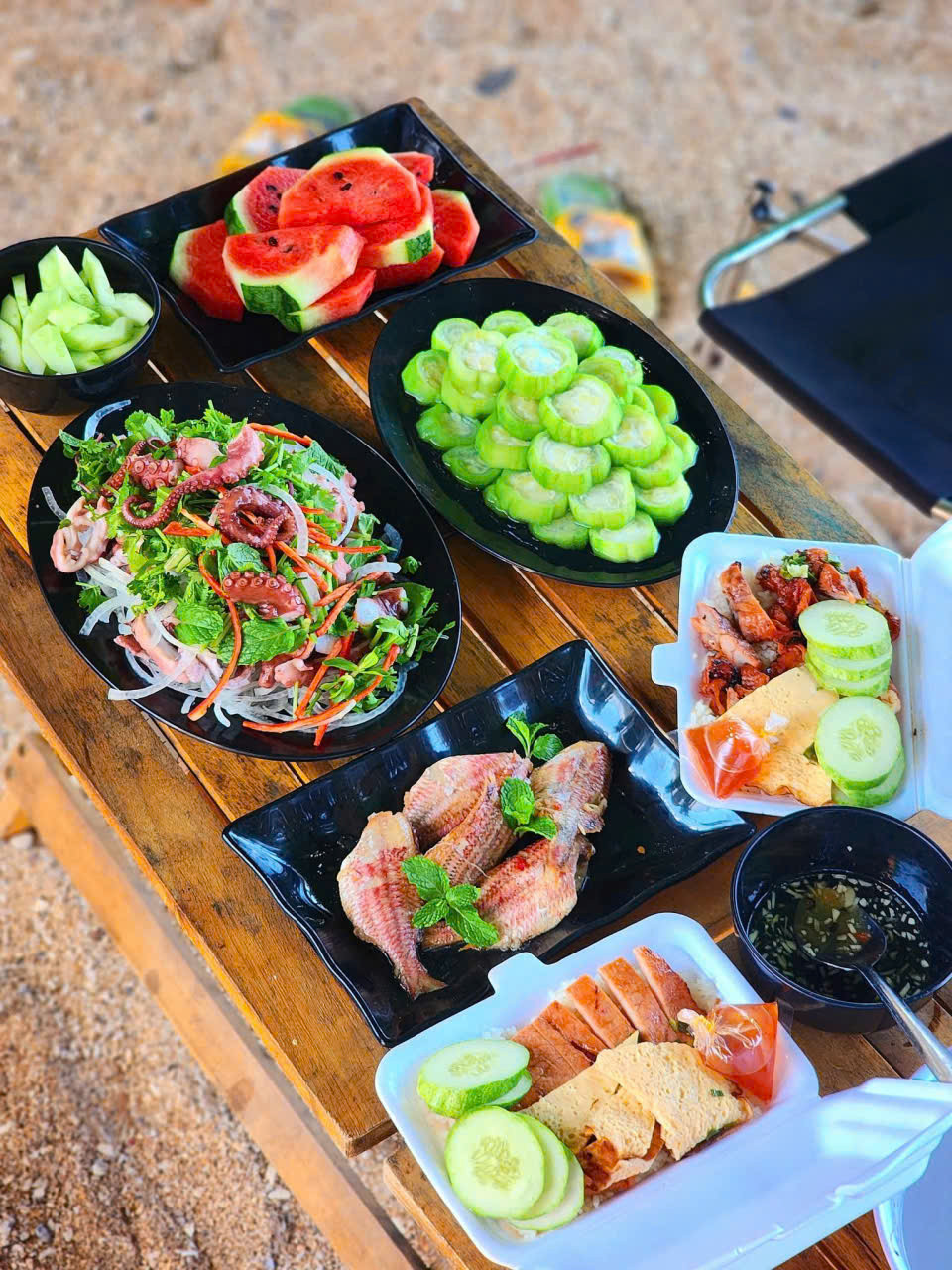
During their stays, family members have sampled a wide variety of dishes made with fresh local seafood, including partially sun-dried mackerel, squid and luffa soup, barracuda, and pufferfish stir-fried with lemongrass and chili.
They have also explored the island’s simple snacks and local specialties, from grilled rice paper, coconut rice crackers and Phu Quy coconut ice cream to fresh beef, grilled chicken, squid noodles, dried shark and shark wrapped in sesame rice paper.
“In my experience, almost everything on the island tastes good, and prices are considerably lower than on the mainland,” Ly said. “Traditional snacks such as coconut rice crackers, banh hon and banh tet cost just a few thousand dong each,” she added, equivalent to only a few US cents.
Another dish that made a strong impression on her was the island’s fresh beef.
Photos: Ha Ly Tran
Diners are served freshly cut beef, which they season themselves and grill at the table according to their own preferences, making the meal both delicious and entertaining.
Ly also discovered a locally grown variety of longan unlike those she was accustomed to seeing elsewhere. The fruit has an unusual appearance, with glossy skin tinged pink.
Although there is not much flesh around the seed, she said the fruit has an intense sweetness and a subtle aroma reminiscent of pandan leaves.
“I liked it so much that I bought some back to the homestay and combined it with coconut water to make a refreshing drink for the whole family,” she said.
After five visits, Phu Quy has lost none of its appeal for Ly and her family. Its quiet, car-free setting, largely untouched scenery, warm local hospitality and abundance of affordable seafood have turned the small island into a place they are happy to return to again and again.
Thao Trinh
.svg)
