 Vietnamnet.vn

 Podcast



According to data from the National Power System and Market Operation Company (NSMO), electricity generation from thermal power plants (coal, gas, and oil) reached 6,598.9 GWh, accounting for 43.33% of total system output. With an installed capacity of 39,746 MW, the average dispatch rate was 38.43%.
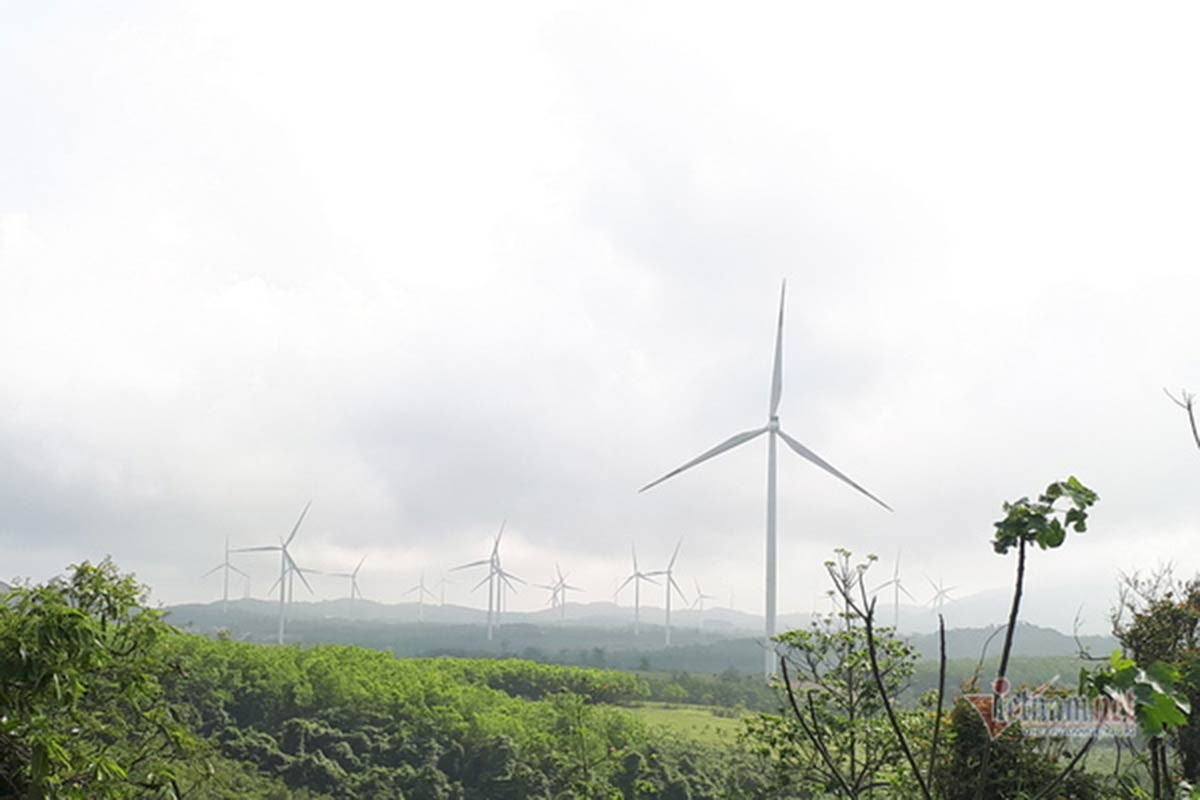
In stark contrast, wind power contributed only 582.9 GWh to the grid, equivalent to 3.83% of the total. Despite having a total installed capacity of 7,102 MW, the average capacity utilization rate for wind power was just 19% - less than half that of thermal power - even during what is considered the most stable wind season of the year.
This discrepancy has raised concerns among renewable energy investors, who question the fairness and transparency in the national power dispatching process. They also express concern about the waste of natural resources and social capital.
According to several companies, prioritizing thermal power under surplus conditions contradicts the spirit of Circular 21/2024/TT-BCT, which governs the operation of Vietnam’s competitive wholesale electricity market.
Unlike thermal plants, which can stockpile fuel, wind and solar power cannot be stored. Therefore, curbing their capacity is effectively “burning” natural resources without generating value.
In response to the current situation, several wind power enterprises in Quang Tri province have submitted official petitions to the Ministry of Industry and Trade, the Quang Tri People's Committee, the Vietnam Electricity Group (EVN), and NSMO. They are calling for a review of the excessive curtailment of dispatchable wind power.
Since late September 2025, wind power plants in Quang Tri have faced continuous curtailment, at times up to 99%. On average, their capacity has been reduced by 20% to 90%, resulting in a 5% revenue drop in October alone compared to their annual financial plan.
If this trend continues through the end of the year, 2025 revenues could drop by 10% to 20%. This is especially alarming considering target profit margins range only from 5% to 10% after deducting operational, maintenance, and debt servicing costs. For projects with average efficiency, real profits may not even reach 5%.
“With the current level of curtailment, lost revenue exceeds expected profits. If this persists, companies will be unable to repay bank loans, maintain operations, or support worker welfare. The risk of bankruptcy is real,” a wind energy firm representative warned.
In Quang Tri, the period from October through February is considered the "golden season" for wind energy, accounting for 70% to 80% of annual production. However, due to climate change impacts this year, only the period between October 20 and 30 experienced strong winds. During the remaining time, winds were weak or production was curtailed, leaving companies to “watch their turbines spin without generating electricity.”
What are investors proposing?
Investors are calling on the Ministry of Industry and Trade, EVN, and NSMO to implement transparent dispatching mechanisms. They specifically request the public disclosure of curtailment schedules and capacity reductions across all electricity sources, including hydro, thermal, solar, and wind power.
Companies argue that data transparency would ensure fair dispatching and allow businesses to plan their operations and finances more effectively.
Additionally, investors propose maintaining curtailment ratios similar to those of previous years - no more than 2% to 5% during peak wind seasons - and suggest scheduling curtailments during periods of minimal production impact.
To reduce curtailment, they emphasize the need for investment in transmission infrastructure, better demand-supply balancing, and policies that promote renewable energy consumption in both industrial and residential sectors. Accelerating the development of battery storage systems is also a key recommendation.
Bui Duy Linh, Deputy Head of the Renewable Energy Department at NSMO, stated that pilot deployment of Battery Energy Storage Systems (BESS) with a 2- to 4-hour capacity should be prioritized in areas with high renewable penetration. He also urged the development of a two-tier electricity pricing mechanism and new payment structures for BESS.
Linh called for government incentives such as tax breaks and green credit policies to attract private investment in battery charging and swapping stations, as well as battery manufacturing. Additionally, he highlighted the need to establish a comprehensive charging and battery swapping network to support the power sector and ensure market functionality.
In the long term, investors hope the government will continue to promote renewable energy development - especially wind power, a sector with immense potential that requires substantial investment and long payback periods.
“A single wind project can cost billions of Vietnamese dong and take nearly a decade to break even. If regular curtailment continues, project efficiency will suffer significantly, and investor confidence in green energy will be shaken. This isn’t just a loss for individual firms, but a setback for local green growth as well,” emphasized the Quang Tri wind energy investor group.
Nguyen Anh Tuan, Vice President of the Vietnam Energy Association, noted that the private sector cannot actively participate in the market without clear policies. Even state-owned enterprises, despite having supportive frameworks, remain cautious. Without regulatory clarity and transparency, it is difficult to expect private investors to commit capital. Easing regulatory constraints and establishing a well-defined legal framework are essential for attracting private sector involvement.
Hanh Nguyen
.svg)
