 Vietnamnet.vn

 Podcast



The Xiaomi 17 Pro Max didn’t just tweak a camera or boost its processor. It introduced a rear display that’s more than a gimmick or a marketing checkbox. It's the most intriguing smartphone feature of the year - a second screen that actually matters.
A secondary screen that doesn’t play second fiddle
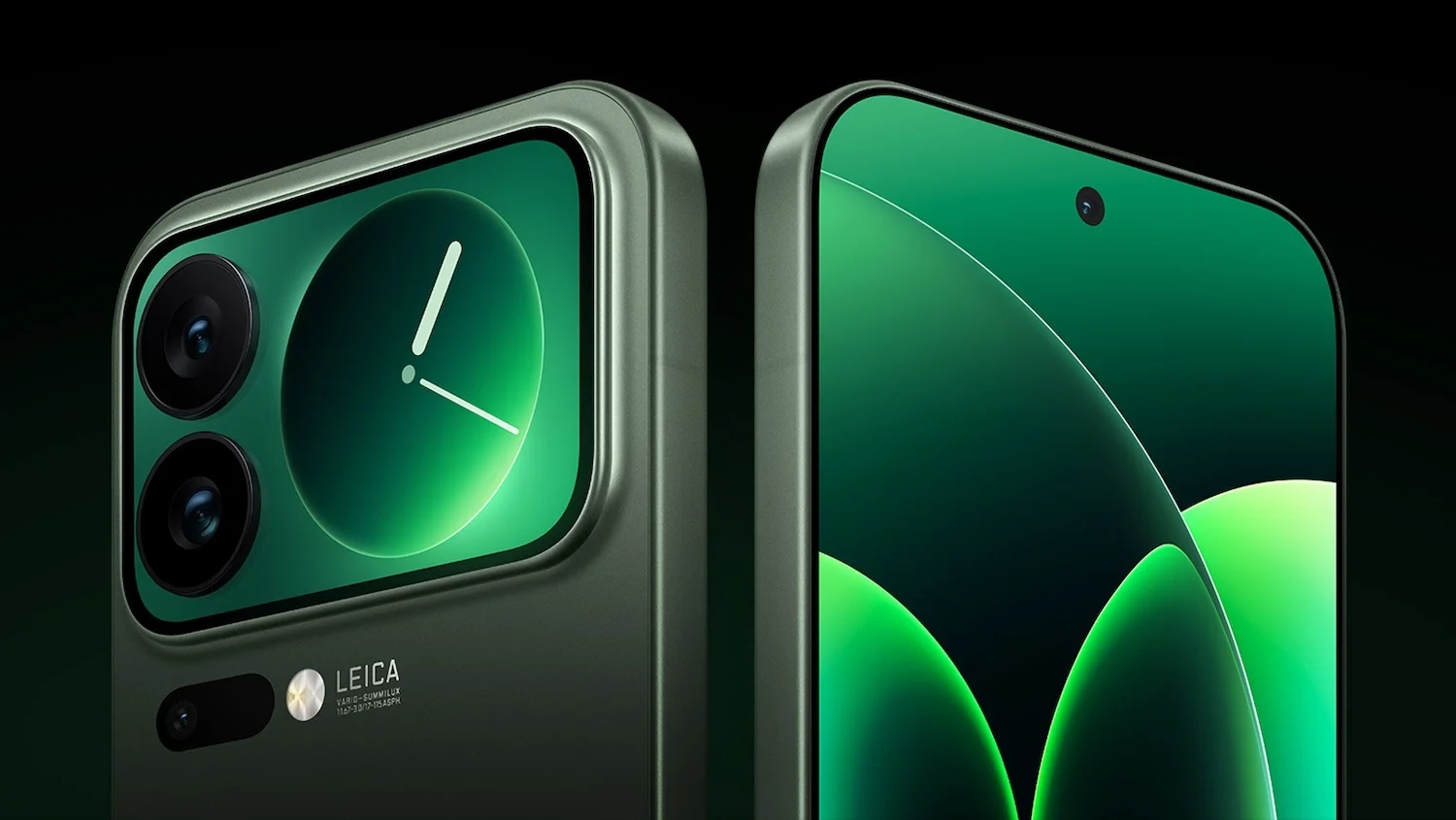
What makes the rear display of the Xiaomi 17 Pro Max truly stand out is how seriously the company treated it. This isn’t a low-power ticker tape for notifications. It’s a full-fledged display with flagship specs: high brightness, a 120Hz refresh rate, smooth touch response, and high-quality glass.
More than just a novelty, it’s deeply integrated into the user experience. You won’t feel like it was slapped on just to impress spec sheets. It has purpose, clarity, and smart software to match.
While Apple continues to refine its clever but constrained Dynamic Island and Samsung plays with the Now Bar, Xiaomi has taken things to another level entirely. Even Nothing’s playful LED aesthetic doesn’t go this far. Foldables technically have outer displays, but their compromises are well known.
The beauty of Xiaomi’s rear screen is that it introduces new interaction without asking users to fundamentally change how they use their phones.
Next-level personalization
Xiaomi doesn’t stop at just adding a second screen - it turns it into a canvas for deep personalization. You’re not limited to a few widgets. Users can choose analog watch faces, step counters, minimal designs, animated characters, and more - all in high resolution.
More impressively, users can build their own interface from scratch, customizing fonts, colors, layouts, and even text.
Taking it a step further, Xiaomi allows AI-generated live wallpapers designed specifically for the rear screen. No third-party case or accessory comes close to this level of customization, proving that Xiaomi’s software ambition matches its hardware.
This is a rare example of design that’s both imaginative and functional.
Less screen addiction, more useful interaction
(Photo: CNET)
Xiaomi envisions the rear display as a physical counterpart to Apple’s Dynamic Island or Samsung’s Now Bar. It allows users to check key info - like music controls, pinned notes, QR codes, or reminders - without diving into the main screen and getting lost in distractions.
In social settings, a quick glance at the back of the phone keeps you informed without pulling you into the dopamine loop of your home screen.
Granted, notifications and timers still lack robust third-party app support. While the basics work fine, integration needs refining. Still, it’s a promising start with a solid foundation for future updates.
A game-changing camera experience
Where the rear display truly shines is in camera use. Here, it transforms from novelty to game-changer.
It acts as a full viewfinder, allowing users to take selfies and shoot video using the superior rear cameras. Everything - from portrait mode to ultra-wide shots and even 8K video recording - can be controlled right from this compact second screen.
The image quality is noticeably better than front cameras, and Xiaomi has fine-tuned gesture controls to minimize accidental touches.
Even if the rear screen had only served this one function, it would still be worth the hardware investment.
A playground of innovation
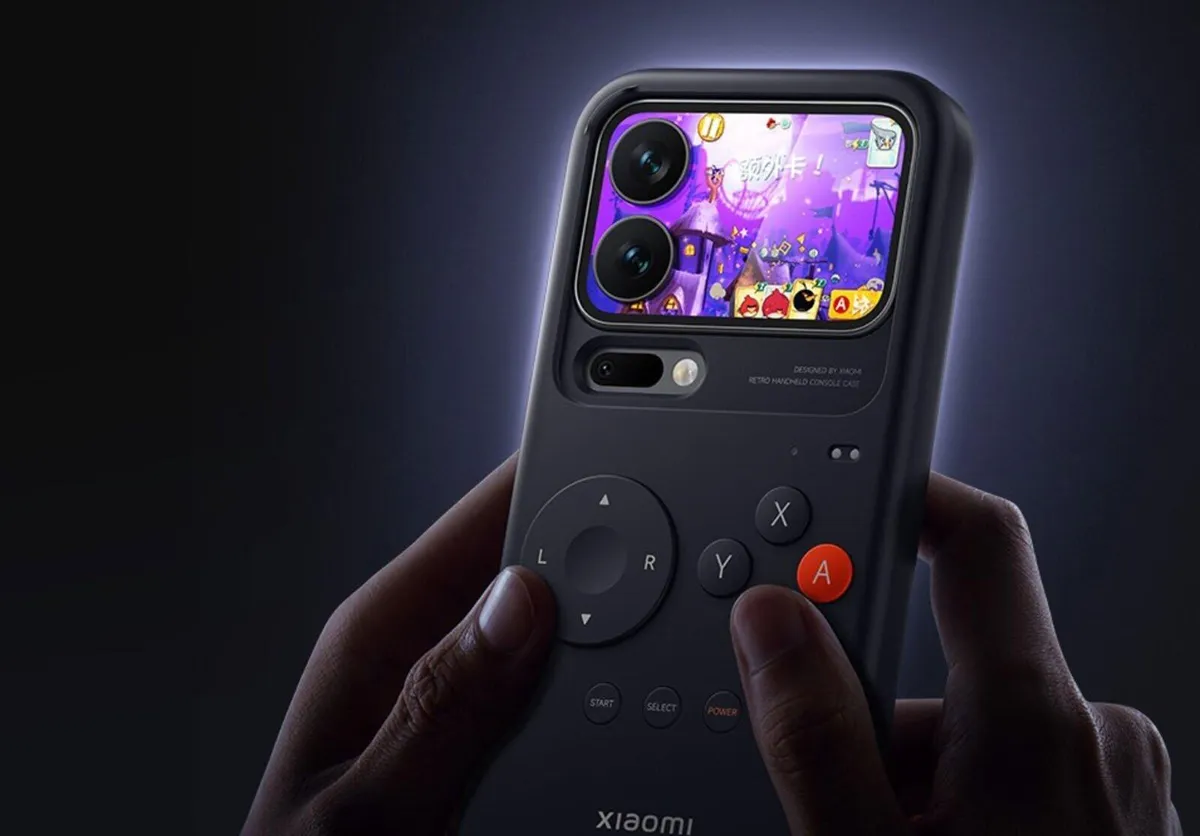
Not every use case is equally practical. Xiaomi, for example, created a gamepad-style case that turns the rear screen into a mini gaming monitor. It’s technically impressive but likely more a demo of potential than an everyday feature.
Yet experiments like these reveal a bigger truth: Xiaomi is willing to try bold ideas - not just because the market demands them, but because it believes in pushing boundaries.
Back when Mi 11 Ultra debuted a tiny rear screen, it felt like a prototype. Now, the 17 Pro Max elevates that experiment into a confident statement.
It’s no longer about bragging rights or benchmark scores. It’s about rethinking how we use phones - especially in photography, quick interactions, and deep personalization.
In a risk-averse market, Xiaomi’s boldness is exactly what the smartphone world needs.
Hai Phong
.svg)
