 Vietnamnet.vn

 Podcast



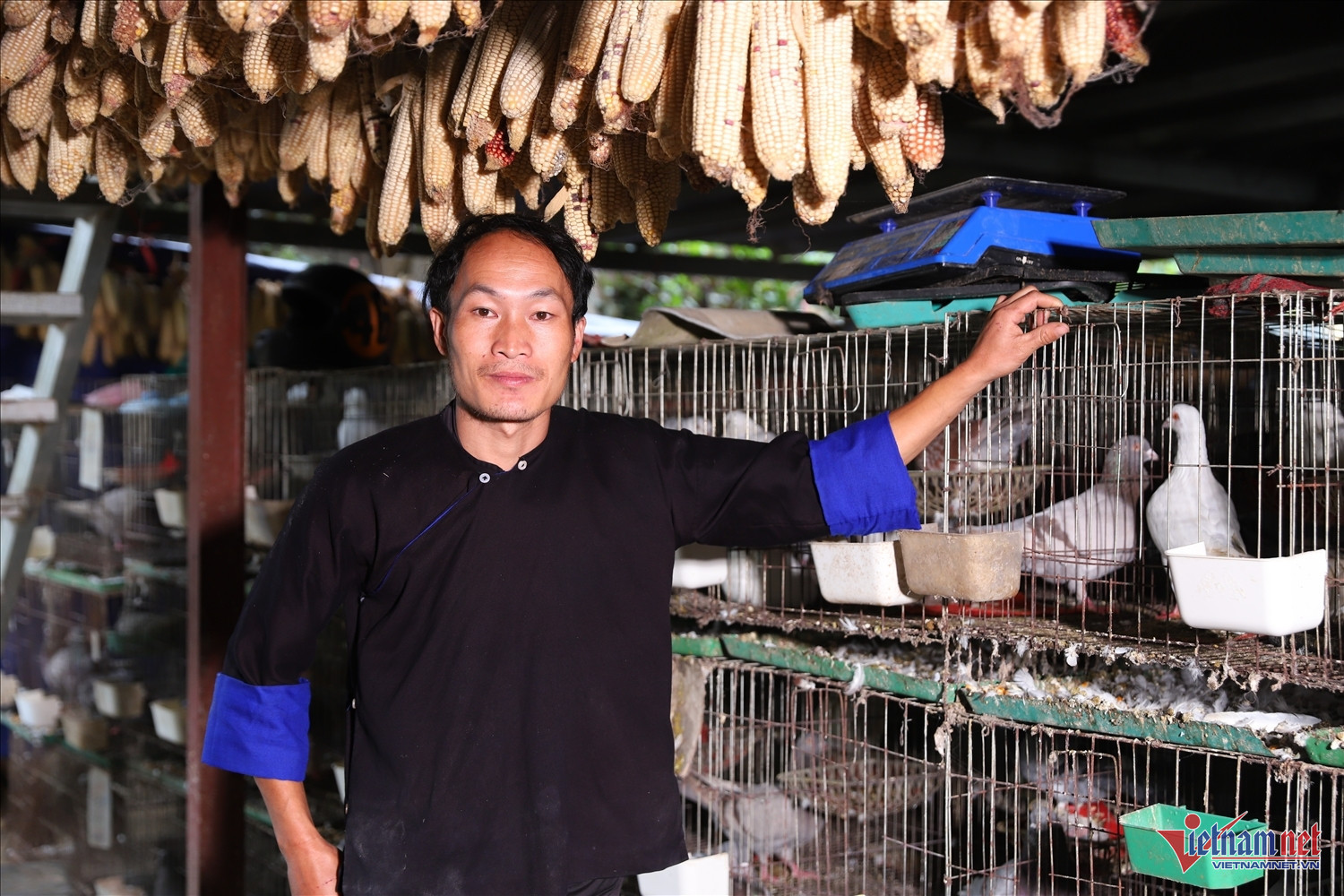
Mu Cang Chai is a region still marked by hardship. With 90% of its population belonging to the Hmong ethnic group, daily life revolves around steep hillsides and limited farmland. Outdated cultivation methods, dependence on the weather, and lingering customs have long kept families in poverty.
In Den Thang village, like many others in the area, generations have relied solely on growing corn and rice on nutrient-poor soil.
But Sung saw a different path. He realized that following the same methods as his ancestors would only lead to continued struggle. Determined to escape poverty, he knew he had to think differently - use not just his hands, but also his head.
A startup born from 10 million VND and digital savvy
What set Ho A Sung apart from other youth in his village was his keen grasp of technology. While many saw smartphones as just entertainment devices, he recognized them as a gateway to knowledge and opportunity.
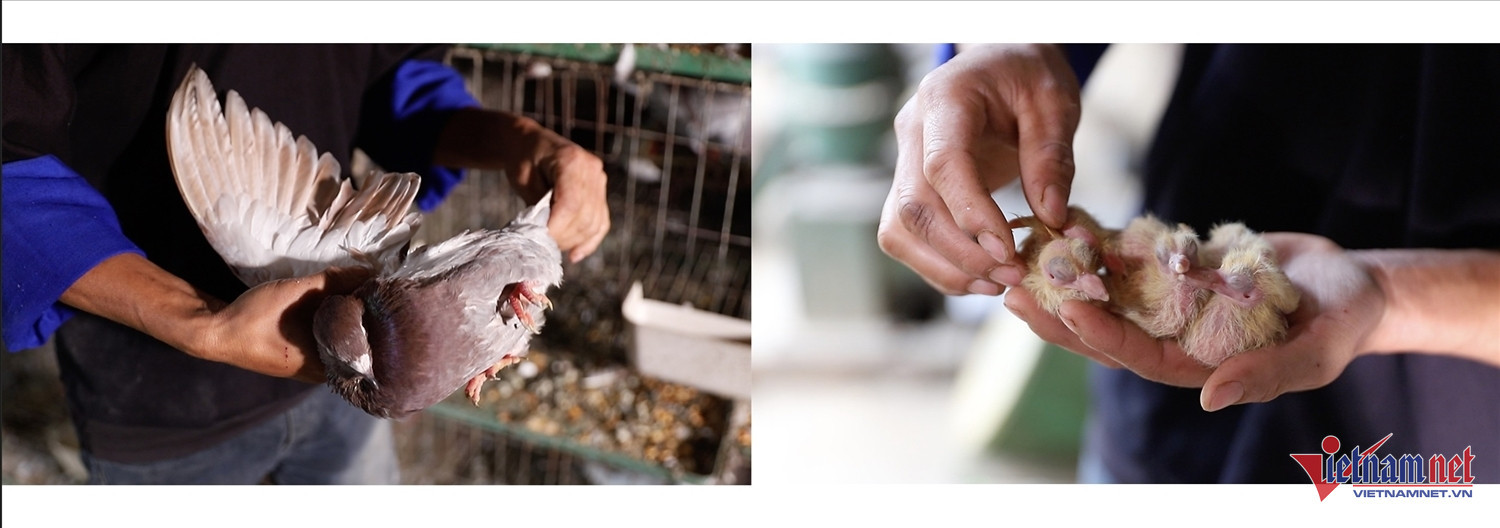
Through social media and online platforms, Sung researched various economic models. Eventually, he landed on pigeon farming - a venture he saw as suitable for the local climate, with high reproduction rates and good disease resistance.
Four years ago, he began by testing a few breeding pairs. Carefully observing their growth, he documented each stage. When the birds thrived despite the mountain cold, he invested all his savings - about 10 million VND (roughly 400 USD) - to expand.
Challenges came quickly. He had little capital, no farming experience, and no local role models to learn from. He had to learn everything by doing, making mistakes, and adapting.
The biggest challenge was market access. When the pigeons were ready for sale, few people in the area even knew about the product. There were no traders, no buyers. At times, it felt hopeless - but Sung refused to give up.
Instead of waiting for customers to come, he went online.
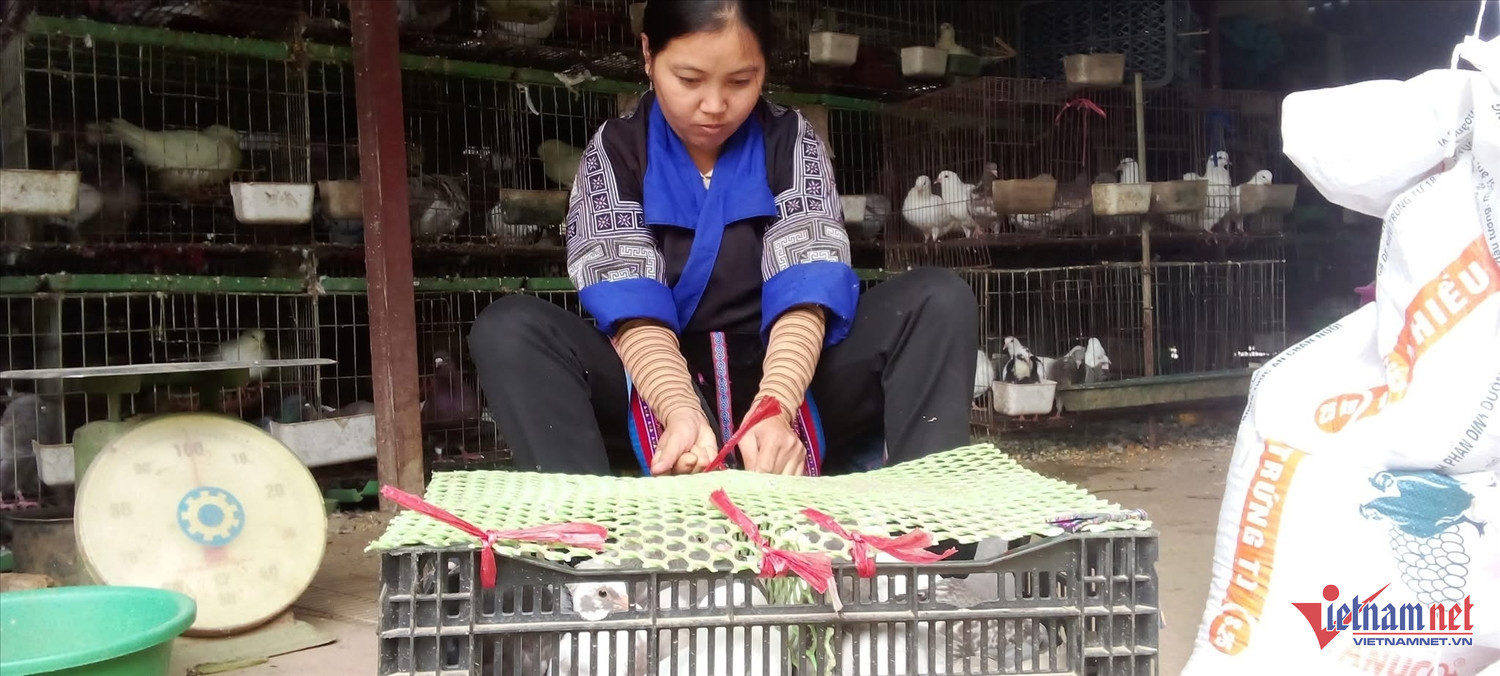
He began taking photos and videos of his clean, healthy birds and posting them on social media groups and his personal page. Order by order, rain or shine, he delivered each batch himself. Slowly, he built trust and found steady demand.
Thanks to his smartphone, he connected his highland farm to neighboring towns and restaurants - turning what once seemed like an impossible idea into a growing business.
Reaping the rewards in a land of hardship
With a stable customer base, Sung took the next step. He borrowed 90 million VND (around 3,700 USD) from the Vietnam Bank for Social Policies through a youth startup support program.
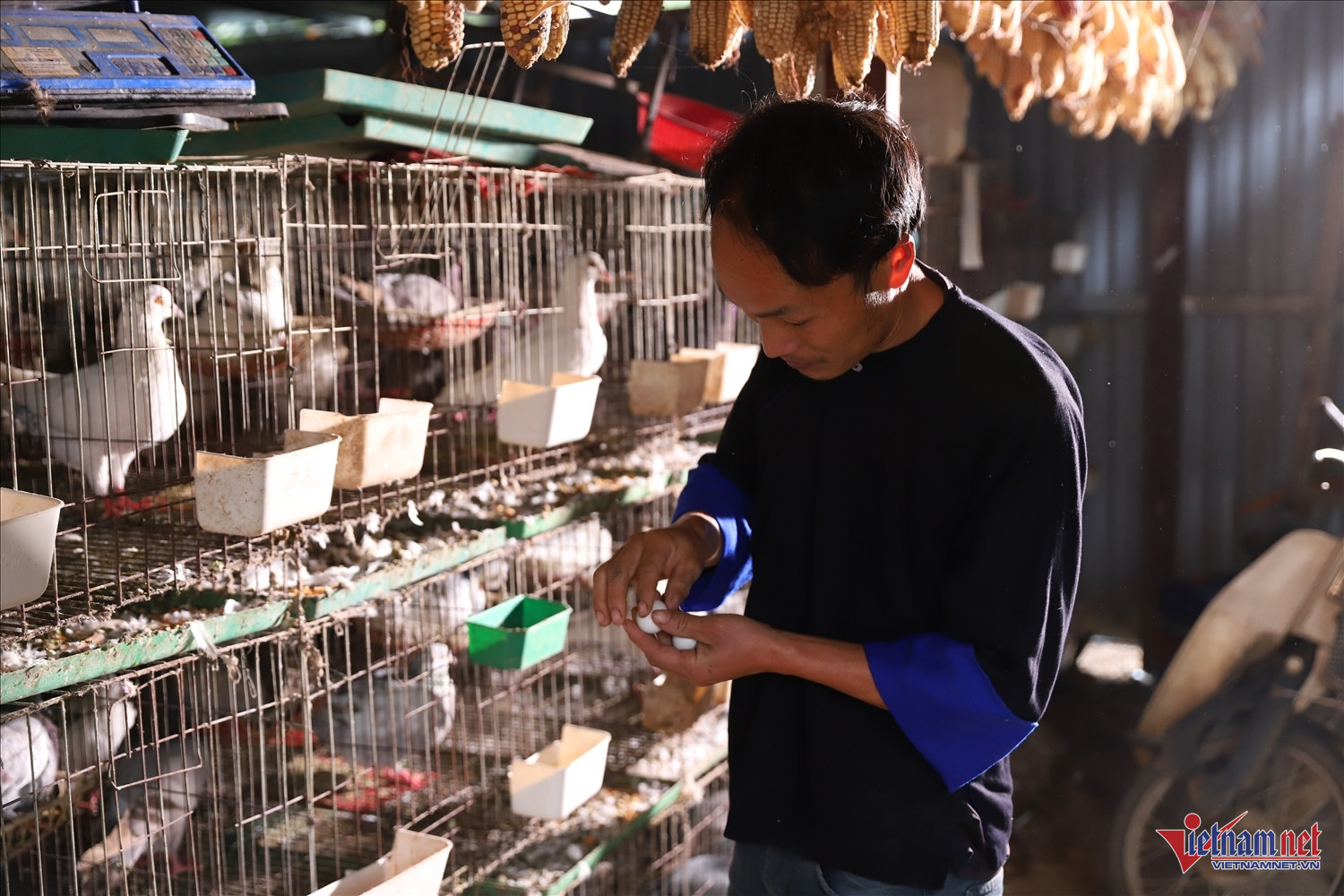
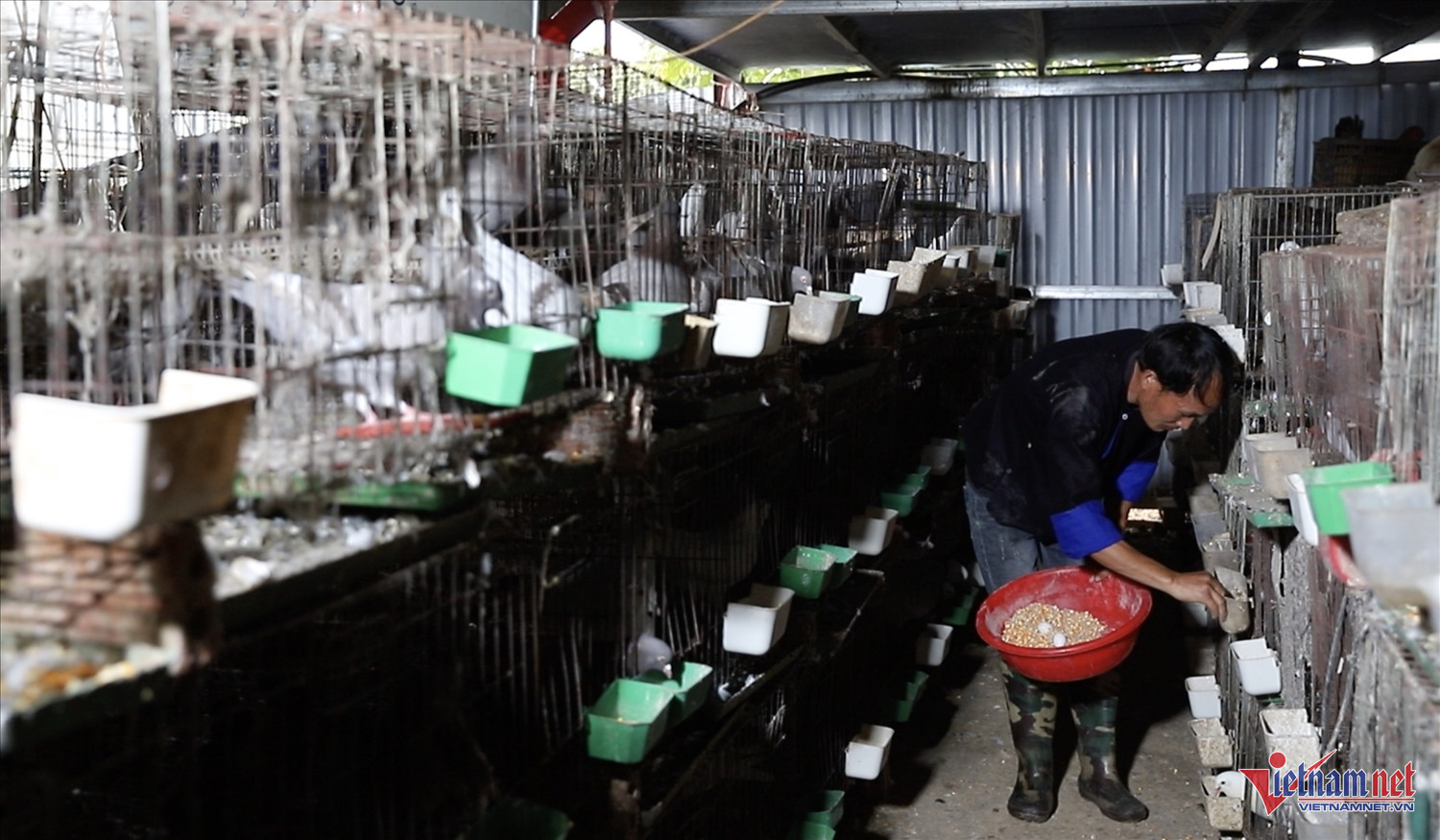
With the funds, he built solid, structured cages and expanded his breeding flock to 100 pigeons.
Today, his farm supplies around 300–400 pigeons to the market every month. After expenses, he earns about 15 million VND (over 600 USD) in net profit each month.
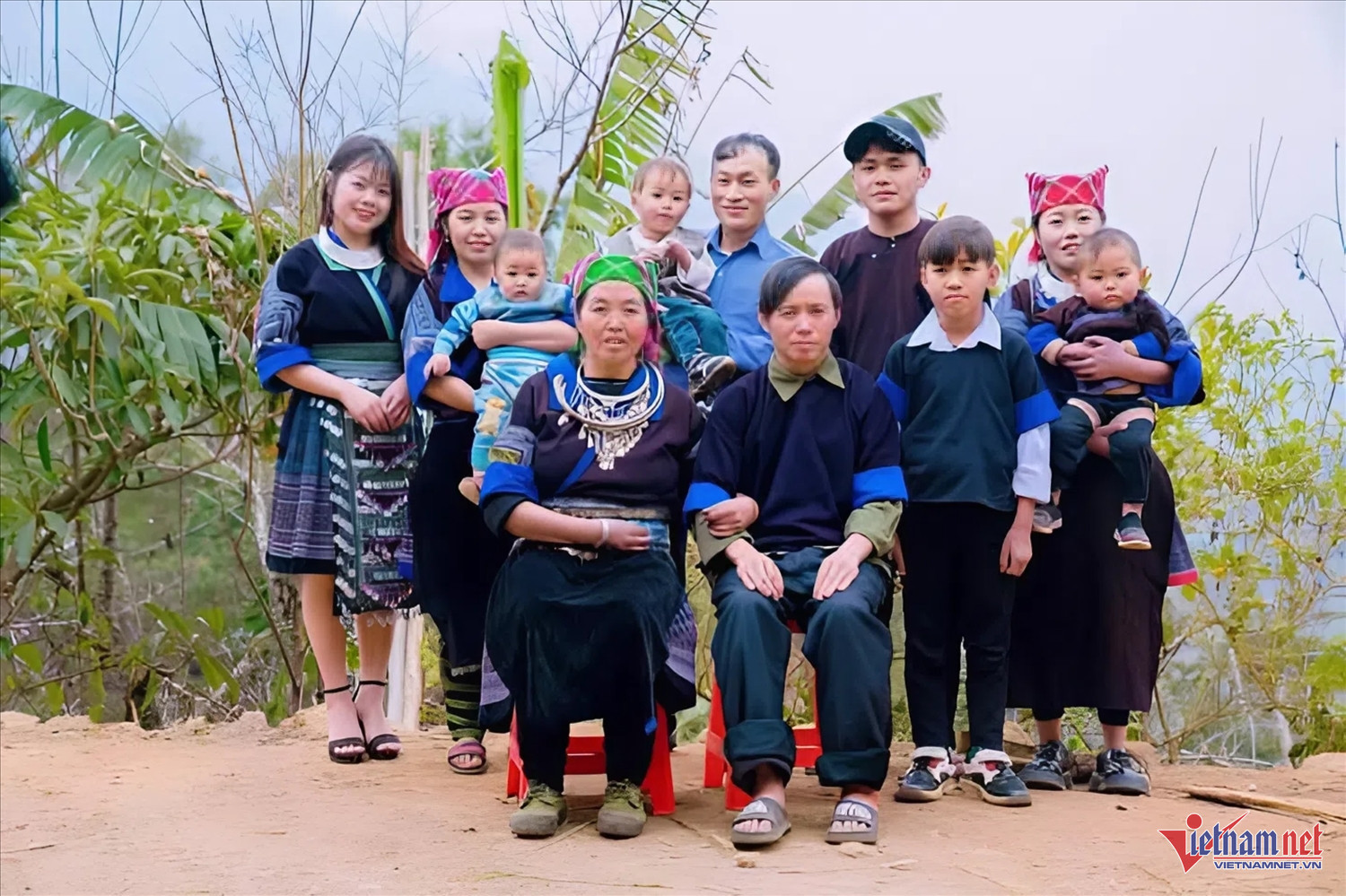
This income has brought stability to his family - his children go to school, and their quality of life has improved significantly. More importantly, it proves that building wealth at home is not only possible, but achievable with effort and innovation.
Sung doesn’t keep success to himself. He actively supports other local households by sharing his knowledge - from how to select and care for breeding stock, to checking eggs and mixing affordable feed from ground corn and breeder pellets.
He also helps secure buyers for those who join his model, giving farmers the confidence to invest in their own flocks.
Looking ahead, he hopes local authorities will assist him in expanding his land area so he can grow his business and create jobs for more households.
To other young people in the highlands, his message is simple but powerful: “Youth must be brave enough to change their thinking. Embrace technology and the digital era. You can’t rely on farming alone if you want to take control of your life.”
Today, Ho A Sung’s pigeon farm is not just a business - it is a beacon of hope in Mu Cang Chai. It lights the way for many ethnic minority families seeking to rise above poverty and build a better future.
Tuan Ninh
.svg)
