Vietnamnet.vn

 Podcast


Tran Nghi
Perched on a massive rock halfway up Tuong Mountain in Tay Hoa Lu Ward, Ninh Binh Province, an ancient persimmon tree believed to be more than 1,000 years old continues to flourish.
Locals call it the Hoa Lu persimmon tree or the "pearl-holding" tree because of its extraordinary appearance.
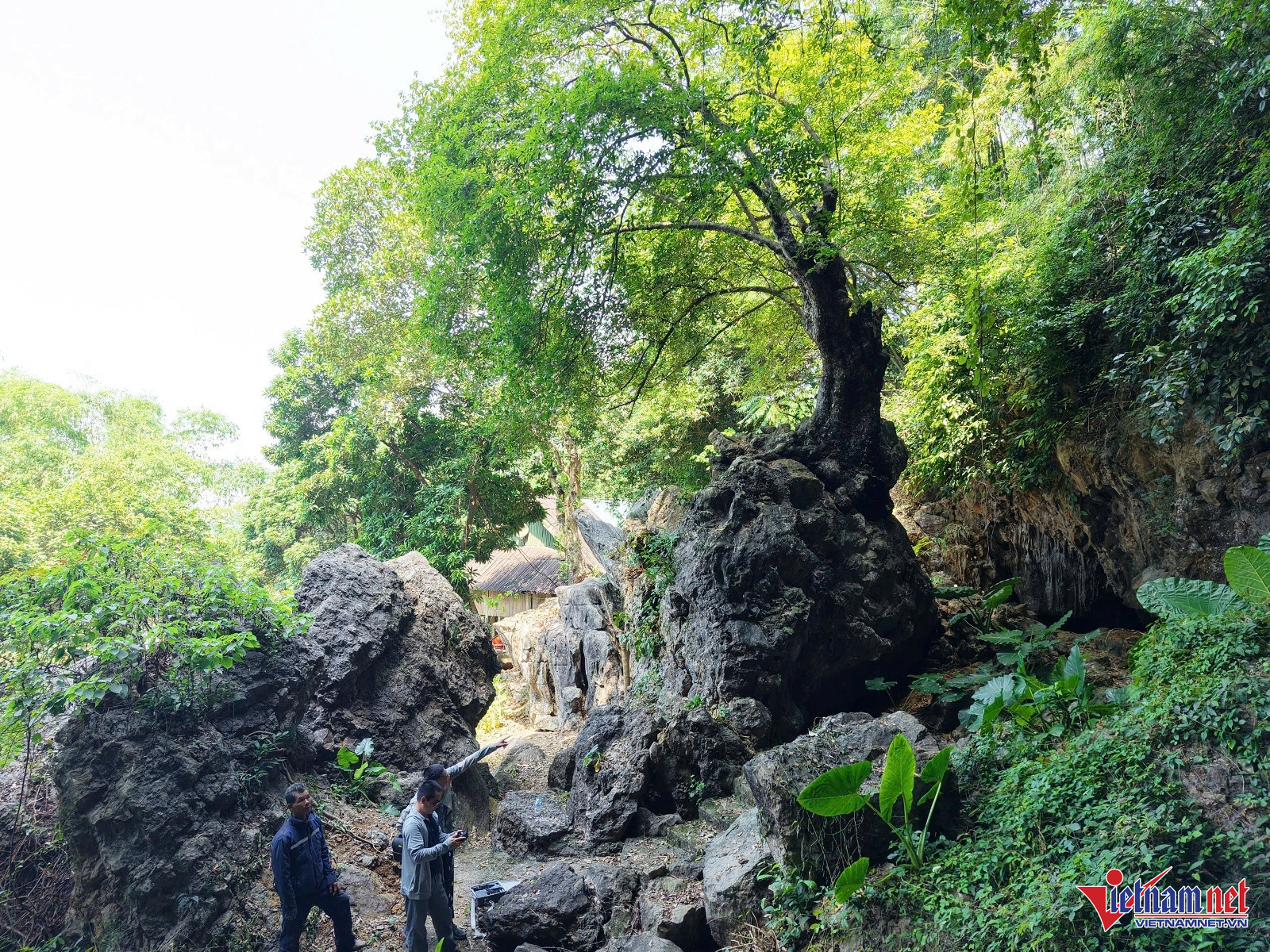
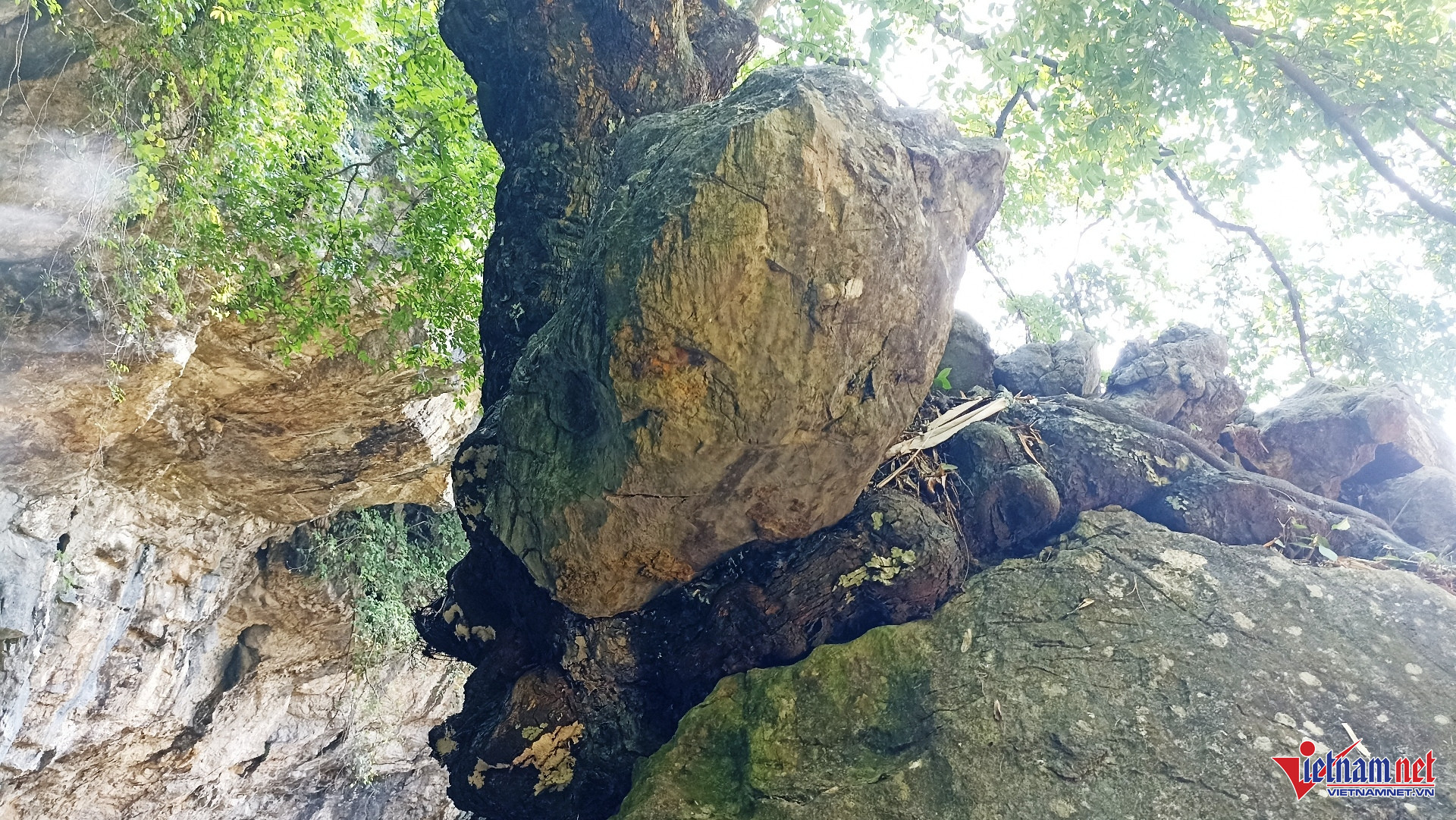
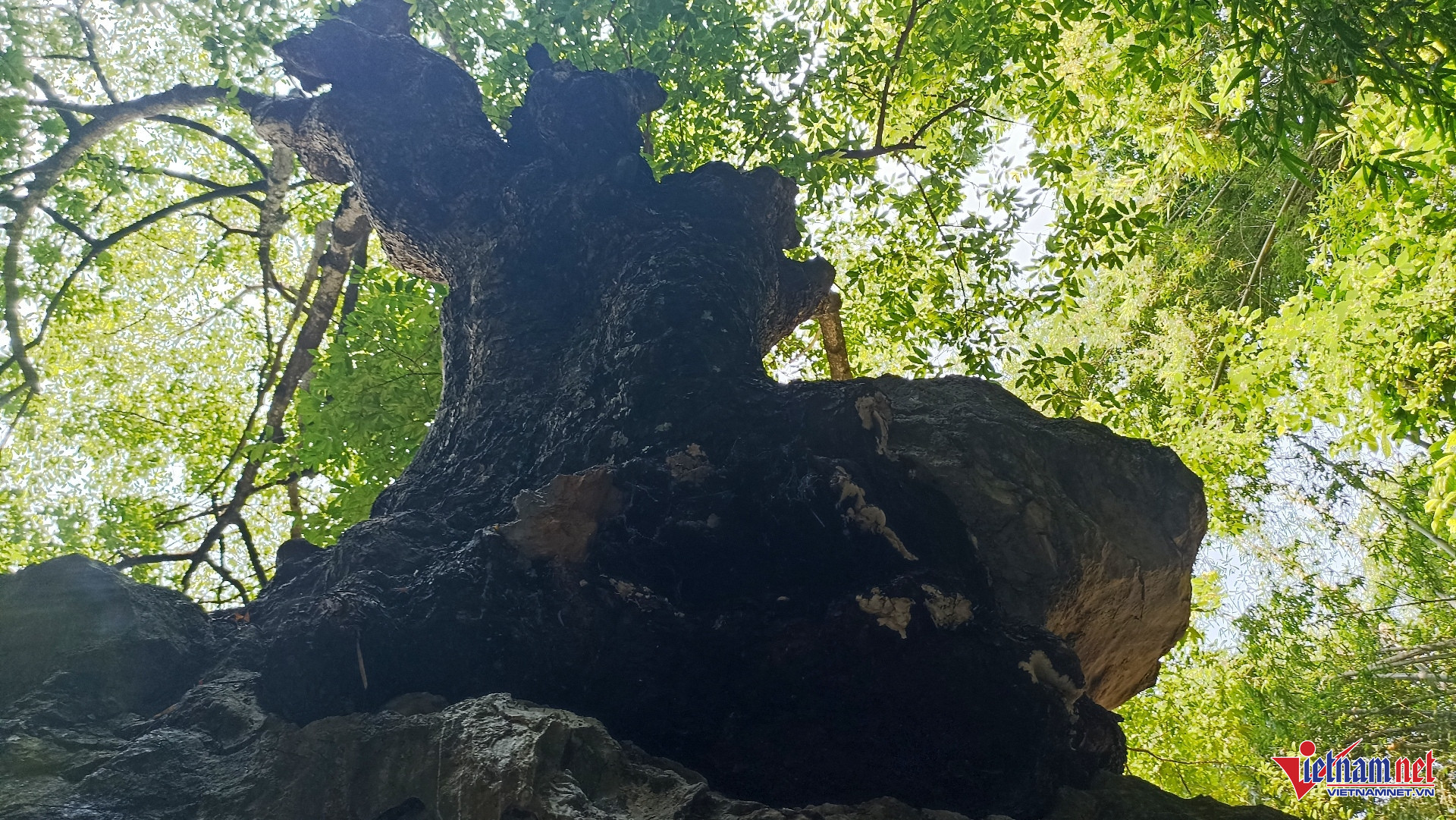
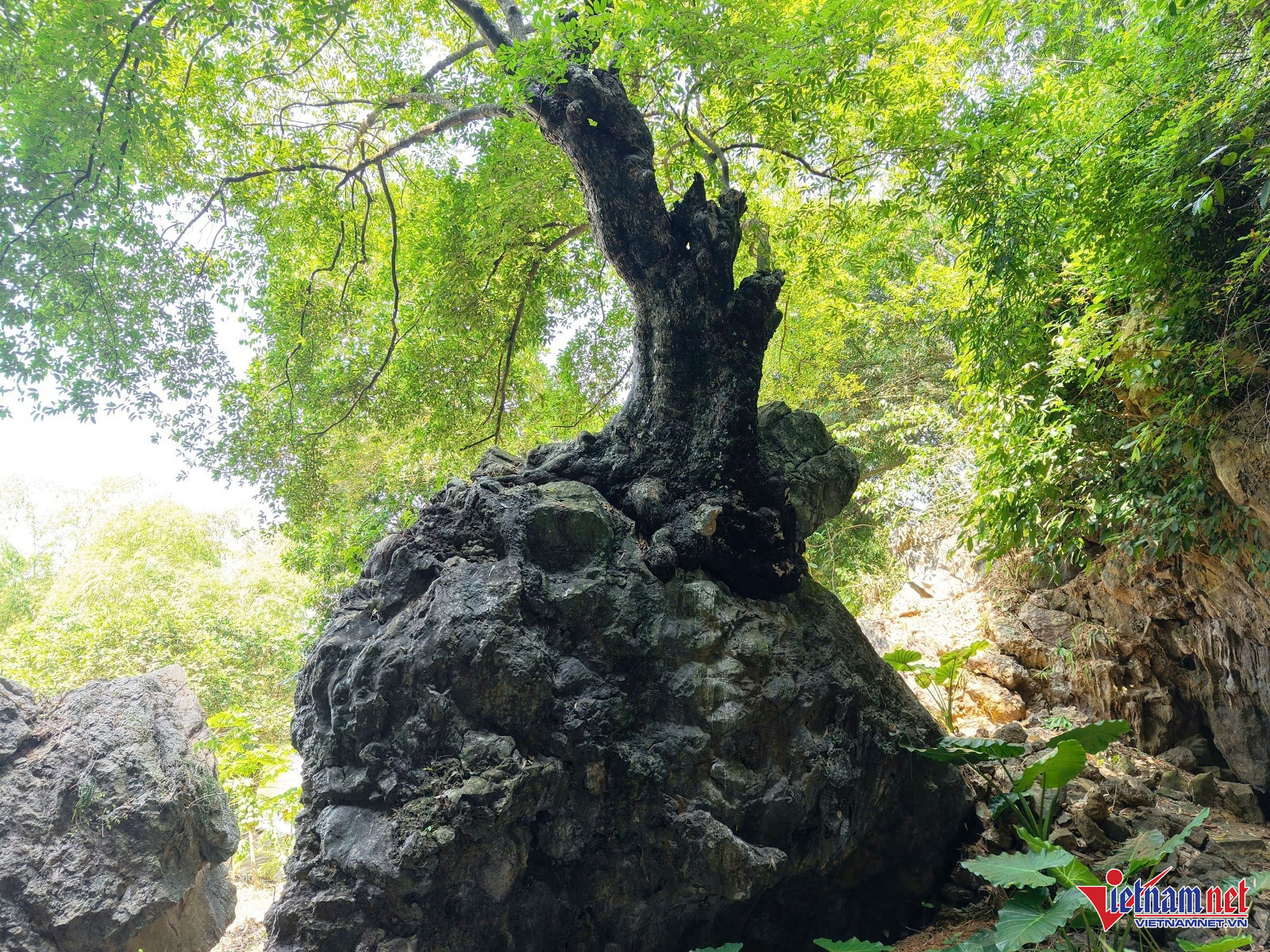
Growing on a rock weighing dozens of tons, the tree stands approximately 10 meters tall.
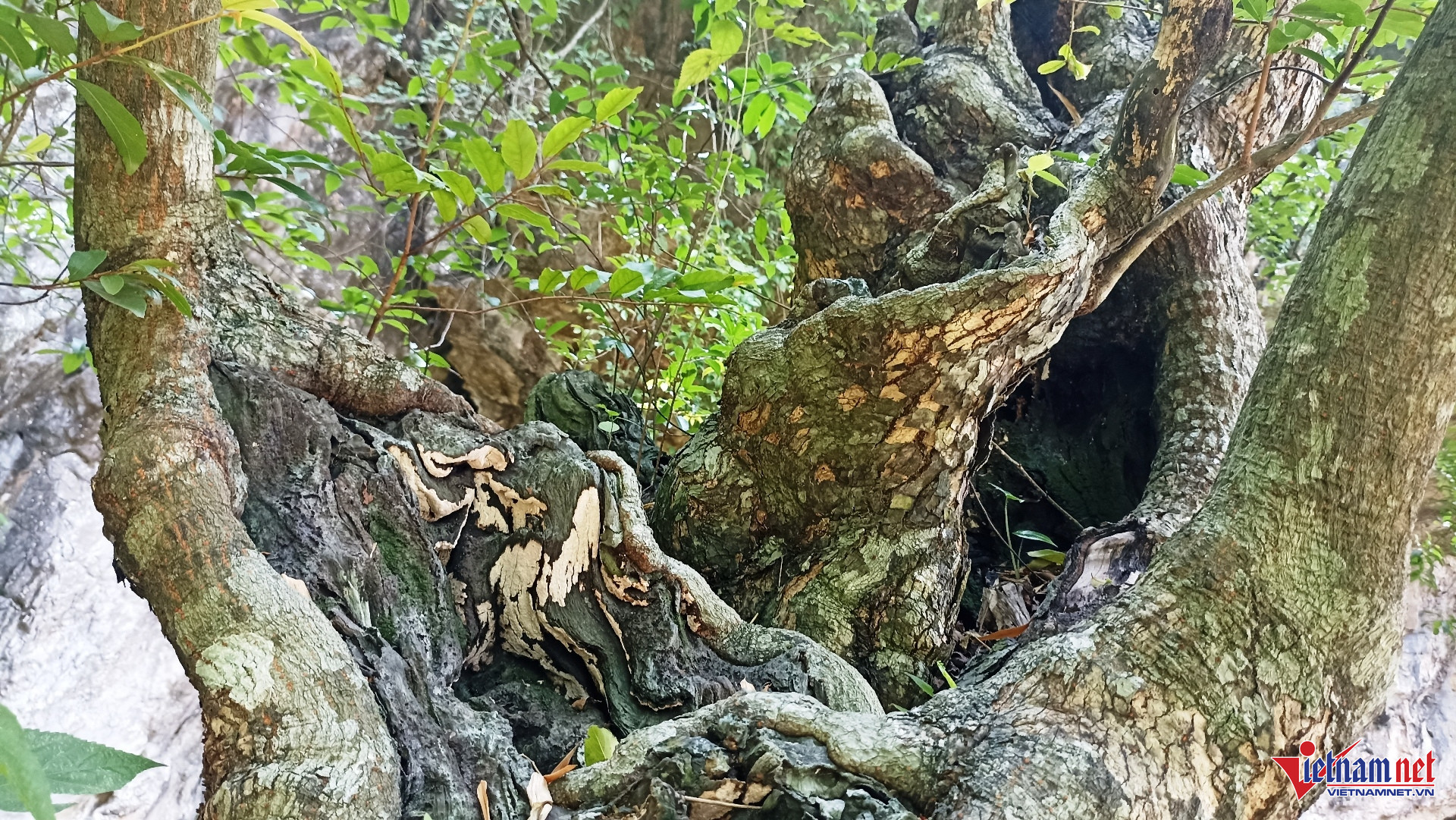
Its gnarled roots and rugged trunk feature unusual curves, hollows and twisted formations, giving it an appearance reminiscent of a mythical dragon.
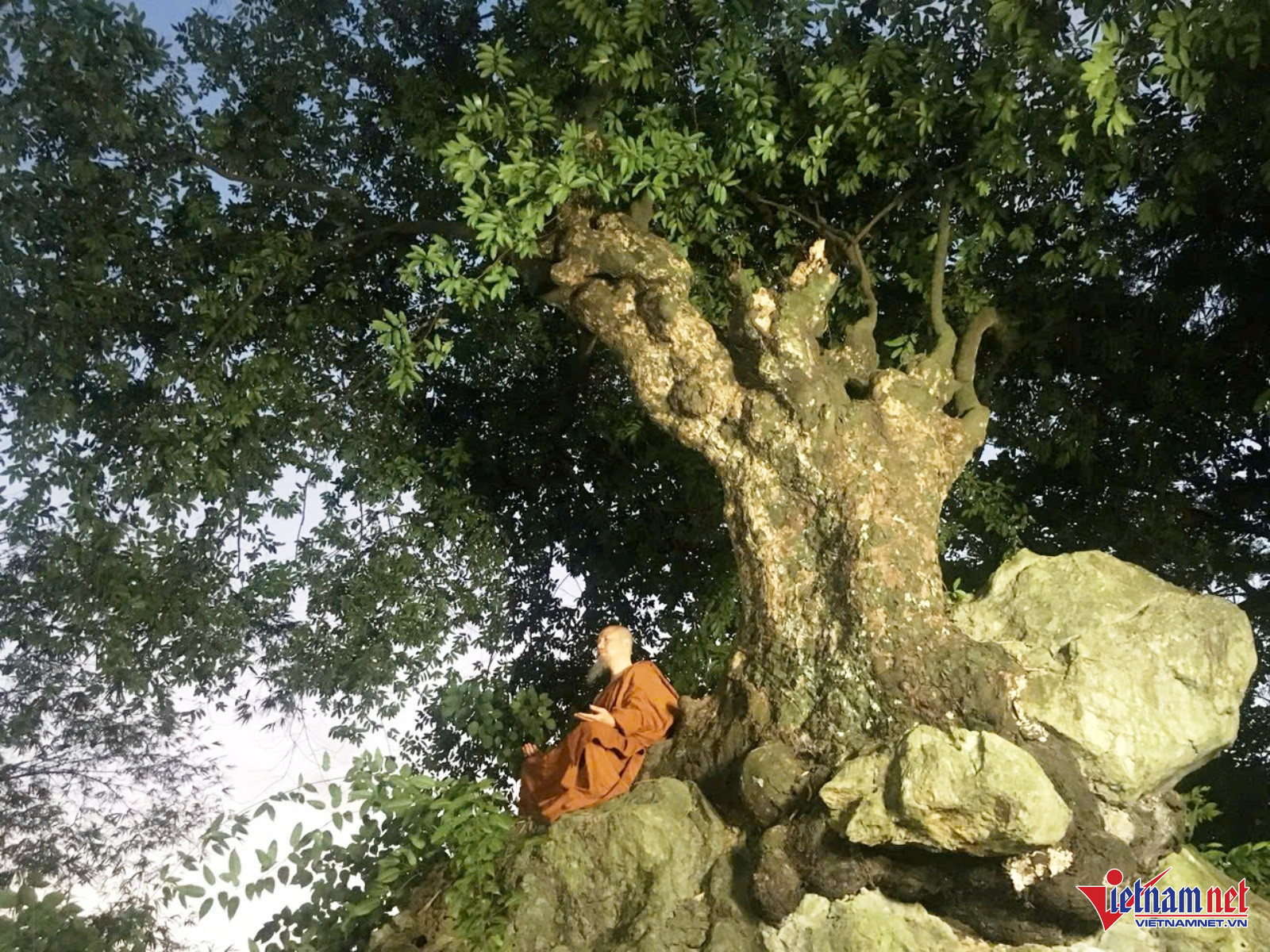
Numerous branches extend from the trunk, forming a broad, lush canopy that shades the surrounding area.
The trunk is so large that it takes three adults joining hands to encircle it.
Most remarkably, the tree's roots wrap around a large stone at its base, creating the impression of a dragon holding a precious pearl in its mouth.
Bui Cong Chu, 60, a resident of Son Ha in Tay Hoa Lu Ward, said nobody knows exactly when the tree first appeared.
Despite its remarkable age, the tree remains green throughout the year and continues to flower and bear fruit.
According to Chu, the tree has another unusual characteristic: its fruit is said to change shape from year to year.
A branch that produces round fruit one year will reportedly bear flattened fruit the following year, and vice versa.
Ancient tree discovered during tourism development
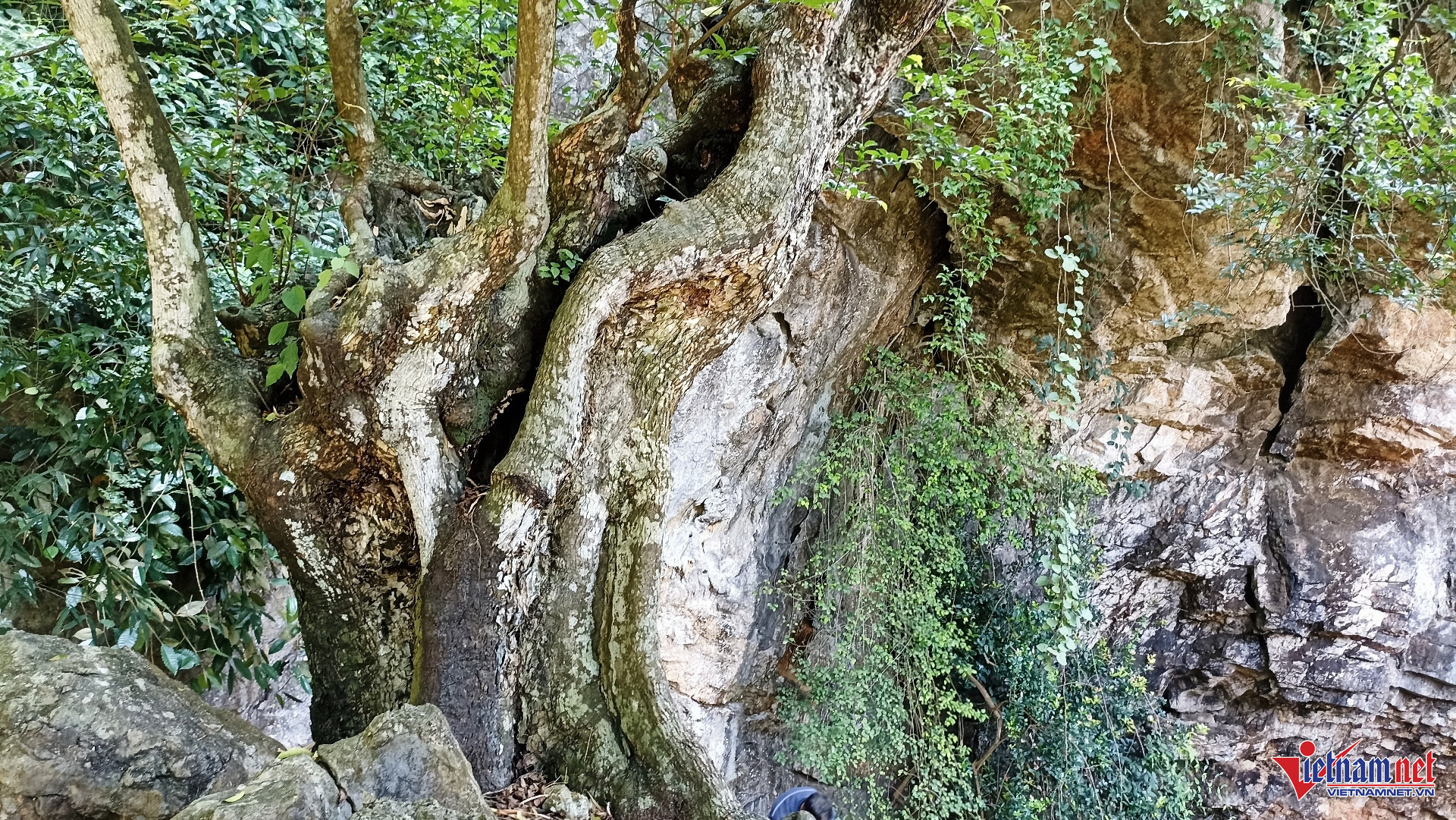
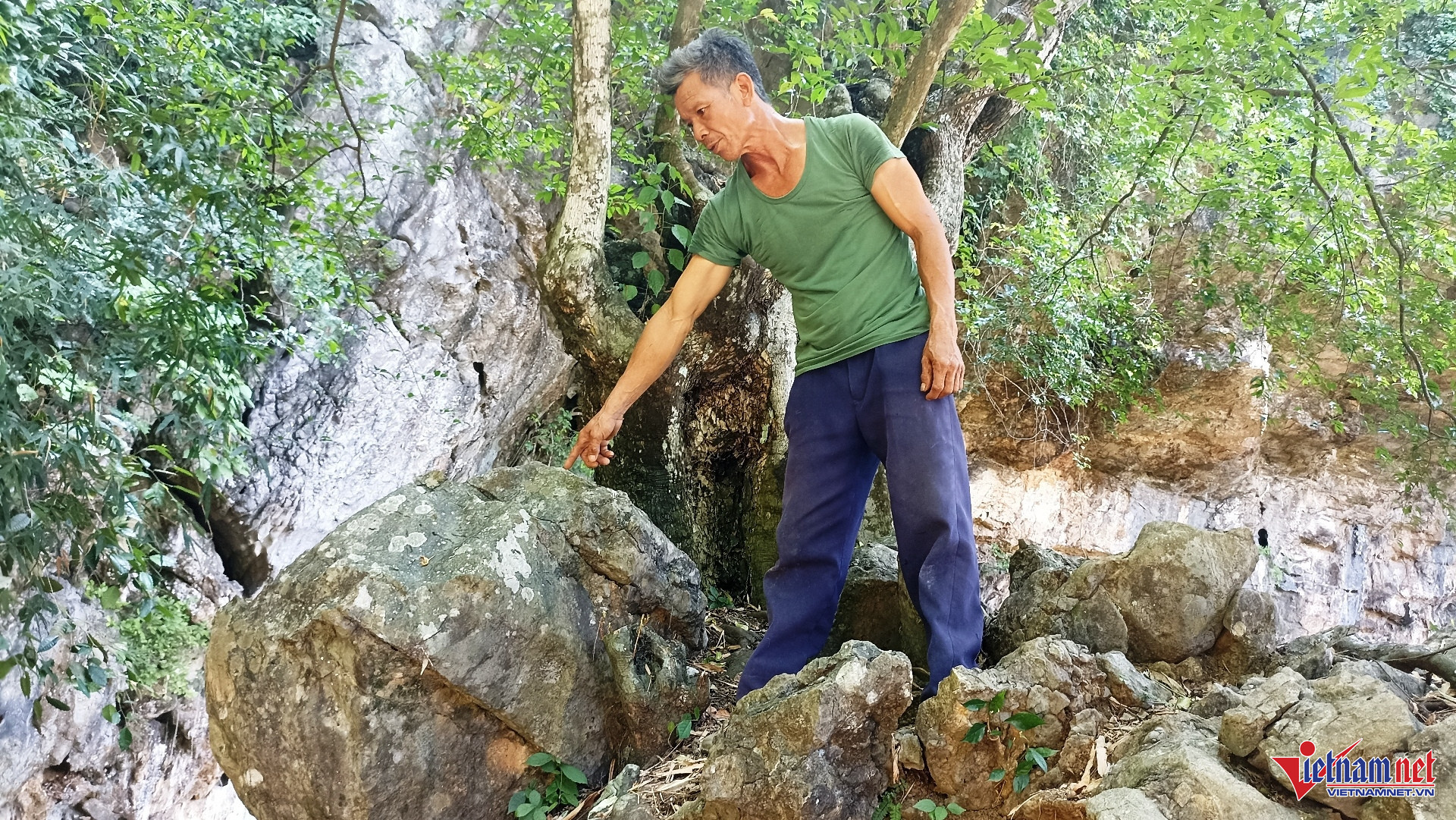
Ha Huy Loi, a representative of the Thien Ha Cave Tourist Area, said he discovered the ancient tree in 2000 while developing a tourism project.
The tree was growing on a massive rock approximately 30 meters above the water, with no visible soil surrounding it.
Recognizing its potential historical and botanical significance, Loi invited plant researchers from Cuc Phuong National Park to examine the tree and assess its age and species.
According to the research findings cited by Loi, the tree belongs to the species Diospyros decandra and is estimated to be more than 1,000 years old.
Because it grows in the limestone mountains of the former Hoa Lu imperial capital, Loi named it the Hoa Lu persimmon tree.
Over the centuries, numerous legends and cultural and spiritual stories have become associated with the ancient tree.
One of the most notable traditions links it to King Tran Nhan Tong, a revered Vietnamese monarch who later became a Buddhist monk and founded the Truc Lam Zen Buddhist school.
Legends connect ancient tree to Buddhist king Tran Nhan Tong
According to Loi, the tree's appearance and surroundings resemble a tree depicted in the historical painting Truc Lam Dai Si Xuat Son Do, which is preserved at a museum in Beijing, China.
The painting portrays a period in the life of King Tran Nhan Tong before he traveled to Yen Tu Mountain and established the Truc Lam Zen Buddhist tradition.
Before that, the king is believed to have spent time practicing Buddhism, seeking alms and meditating in the Vu Lam royal retreat area in present-day Ninh Binh.
"This persimmon tree has a shape and setting corresponding to the tree depicted in the painting," Loi said.
He added that the ancient tree was selected as a filming location for the 2019 documentary Vua But (The Buddha King), which depicts the life of King Tran Nhan Tong.
One scene shows the Buddhist king meditating beneath the tree, with his back against the mountain and his face turned toward the historic Than Phu sea passage, while awaiting his daughter's return.
The tree's distinctive location has also inspired interpretations rooted in local spiritual beliefs.
It faces the entrance to But Cave in the Thung Nham Tourist Area.
Inside the cave is a naturally formed stone formation resembling a Buddha statue, which faces toward the ancient tree.
According to local tradition, the cave represents a dragon's mouth, while the large stone embraced by the tree's roots symbolizes a pearl.
Together, the tree, rock and surrounding landscape create what locals describe as the "dragon holding a pearl" formation, facing toward the open sea.
The unusual natural setting, combined with its reported age and connections to local history, has made the Hoa Lu persimmon tree a distinctive cultural and natural landmark in Ninh Binh.