 Vietnamnet.vn

 Podcast



Pham Cong
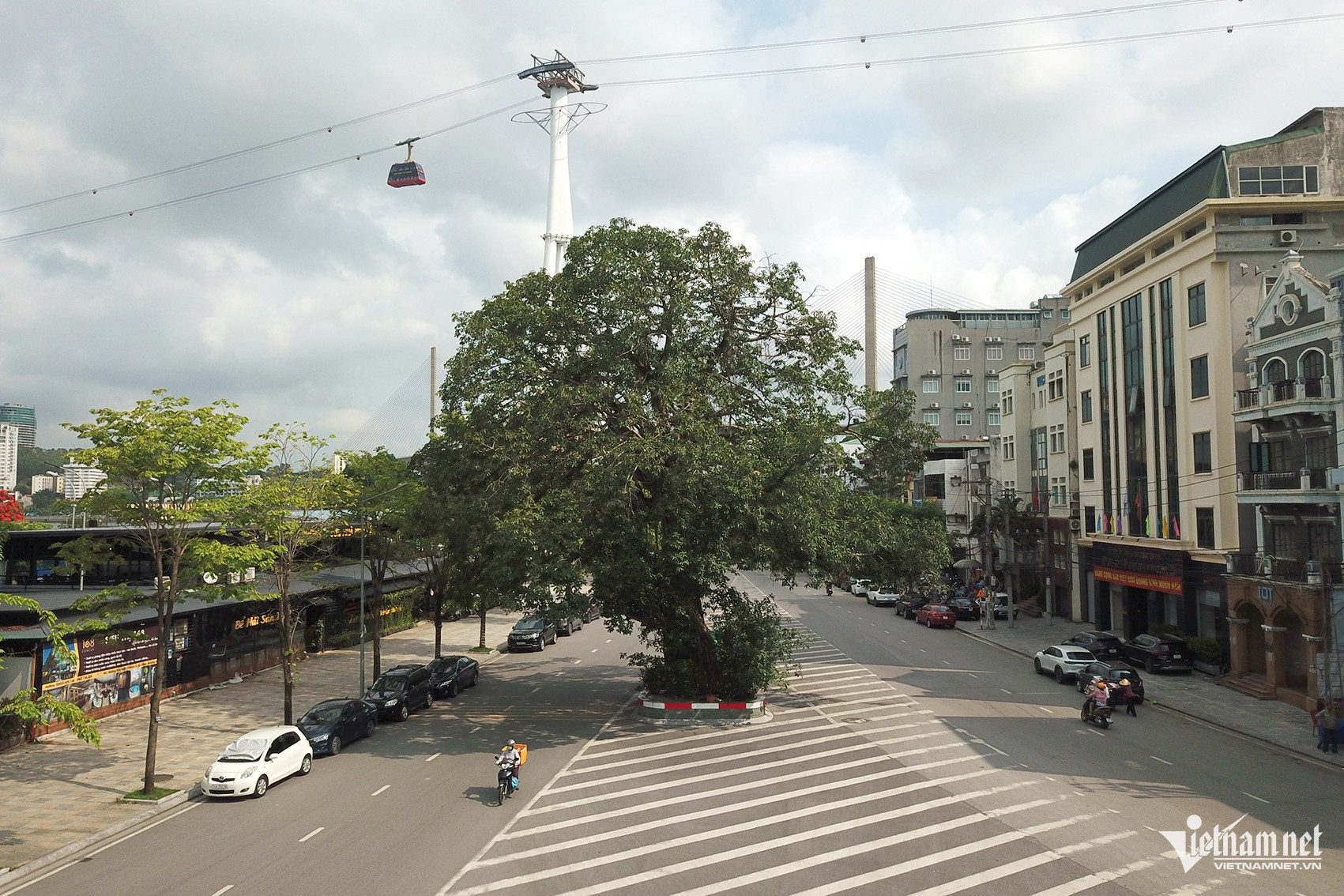
Anyone traveling along Le Thanh Tong Street in Hong Gai Ward, Quang Ninh Province, is likely to notice an unusual “roundabout” in the middle of the road: a banyan tree more than 100 years old.
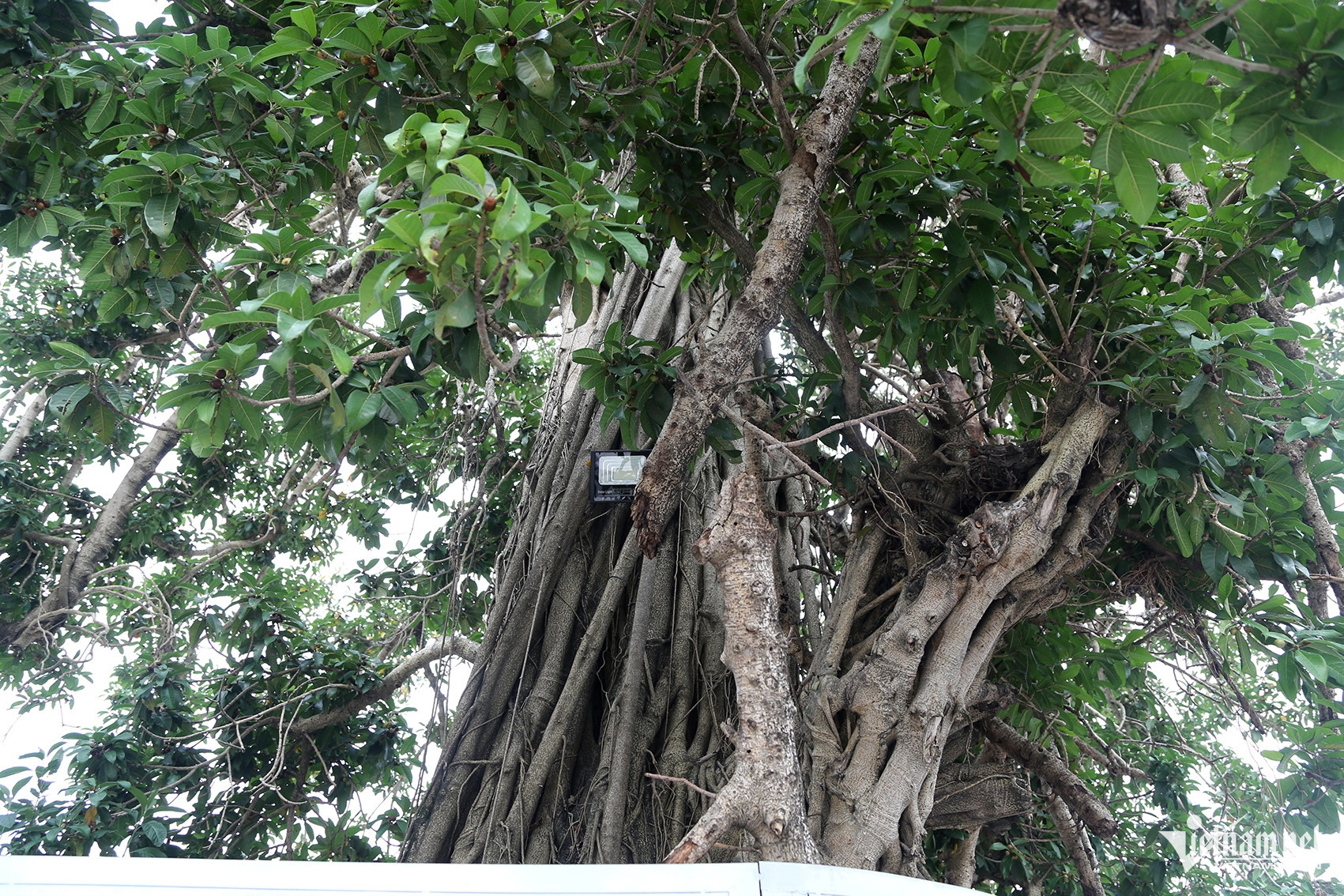
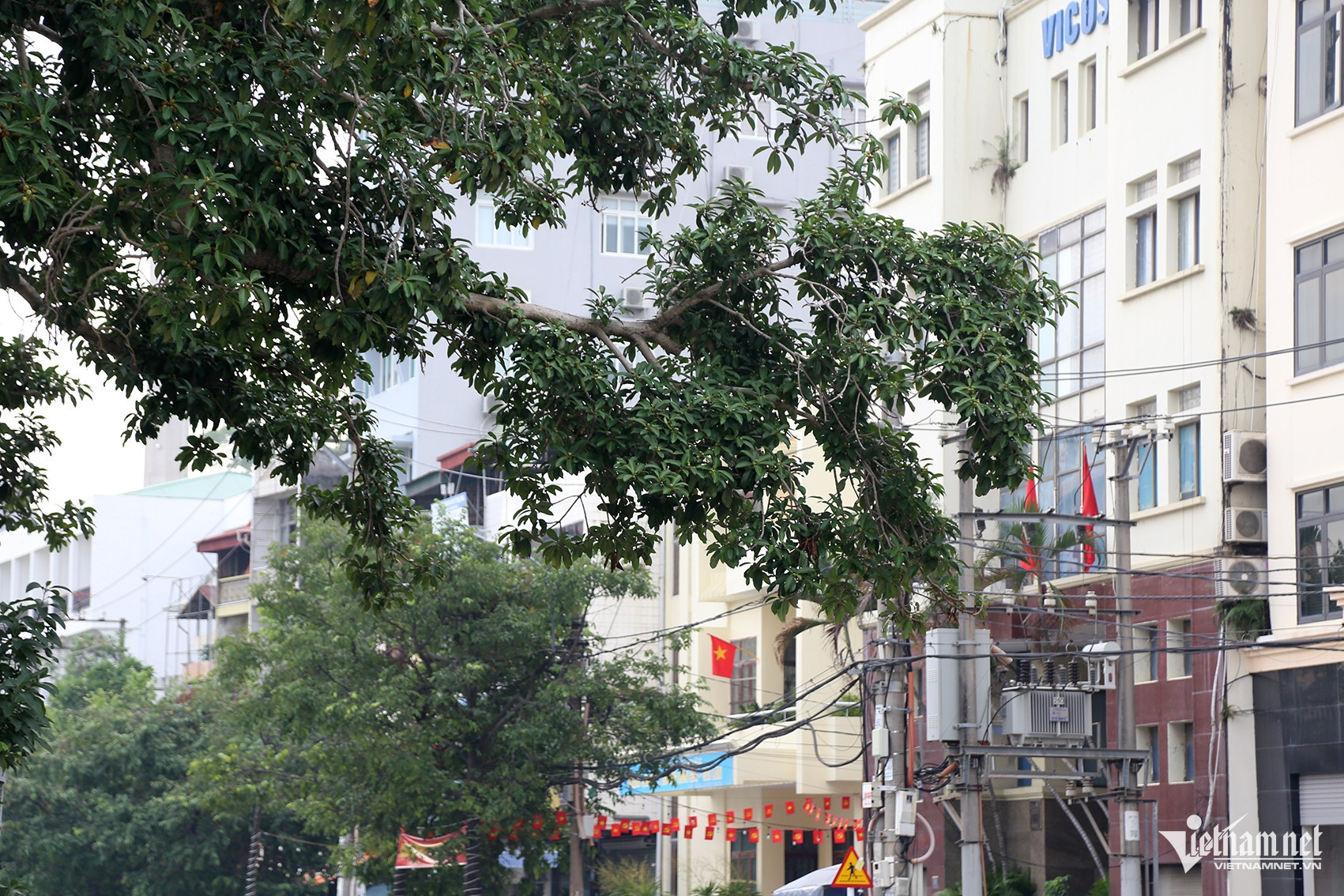
Standing along the coastal road through Hong Gai Ward, the ancient tree rises nearly 30 meters, its broad canopy stretching over the sidewalk and roadway below. Its massive trunk is intertwined with aerial roots, many extending deep into the ground. The base is so large that it would take more than five adults with outstretched arms to encircle it.
Local residents who have lived in the area for decades say the banyan has been there since the site was still part of Hon Gai coal port.
Nguyen Van Phu, 70, a resident of Hong Gai Ward who was born and raised in the area, has watched the neighborhood transform around the tree.
“Even when I was a child, I remember the banyan standing tall inside Hon Gai coal port,” Phu recalled. “Back then, port workers would often sit beneath it to rest at lunchtime.”
According to Phu, the area was relatively isolated several decades ago. There were none of today’s broad roads, only a narrow route leading into the port.
At the time, the banyan stood in a corner of the coal port grounds and became a gathering place for children living nearby. Over the decades, it endured countless storms. Strong winds snapped off several large branches, yet the tree survived.
As urbanization and redevelopment transformed the former Ha Long City, the landscape surrounding the banyan changed dramatically. Hon Gai port was gradually reduced in size, leaving the tree close to the sidewalk along Le Thanh Tong Street.
Then, as the road was widened several times, the tree’s position shifted relative to its surroundings until it effectively stood in the middle of the roadway.
Local residents said workers once considered options for dealing with the tree during the road expansion. But because of its age and the spiritual significance it holds for many people, no one was willing to cut it down — or even remove a branch.
Over time, the banyan became a familiar landmark. On the first and 15th days of each lunar month, some residents still come to burn incense beneath its branches.
Hoang Anh, head of the Culture and Social Affairs Division of Hong Gai Ward, told VietNamNet that the banyan dates back to the French colonial period and is estimated to be more than a century old.
He said local authorities had considered relocating or removing the tree while widening Le Thanh Tong Street. Ultimately, however, those plans were abandoned because the banyan had stood at the site for generations.
To protect both road users and the tree, local authorities built a brick planter around its base and enclosed it with a steel barrier.
The protective structure has effectively turned the banyan into an unusual traffic island - preserving a living piece of local history while making the century-old tree a distinctive landmark along Quang Ninh’s coastal road.
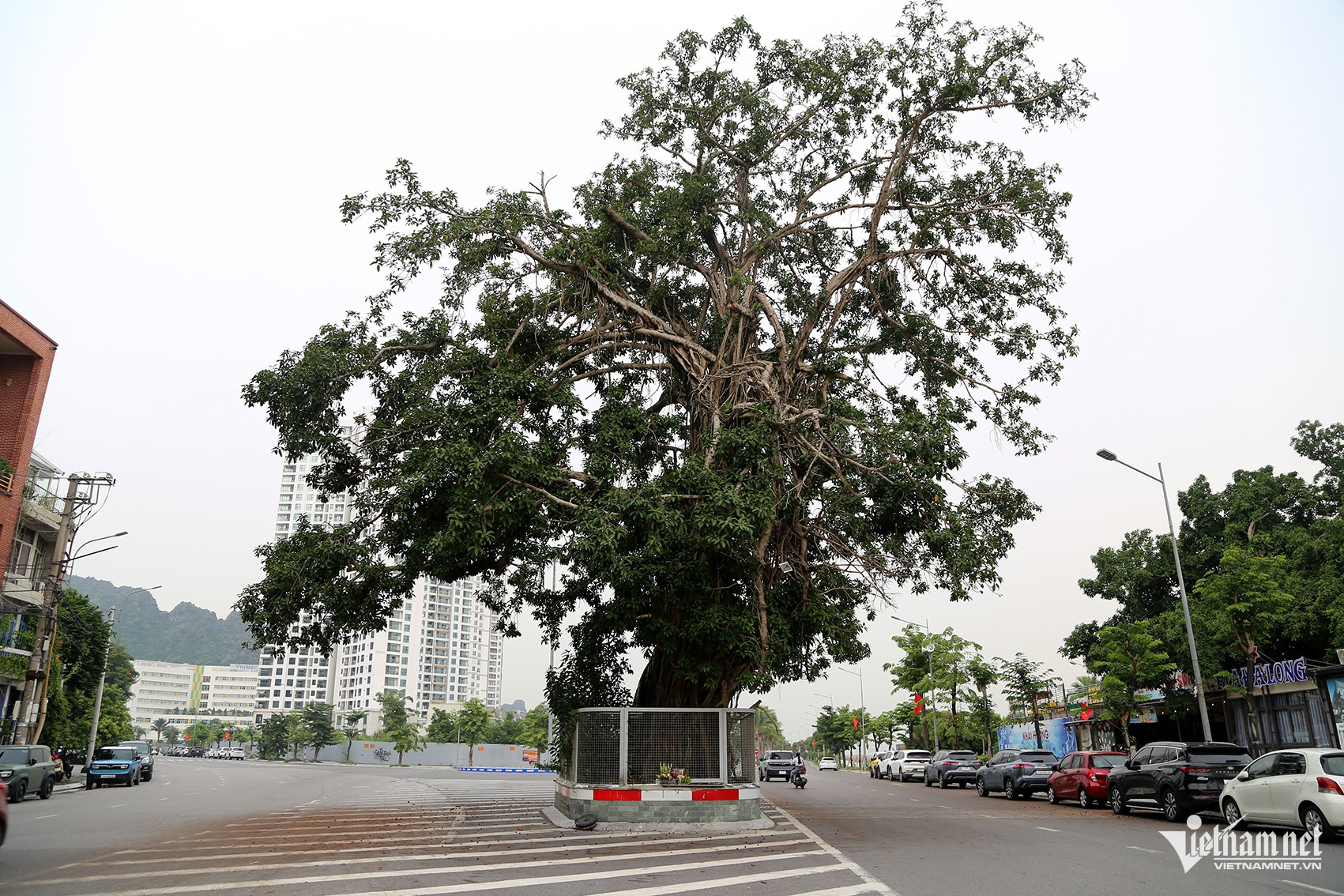
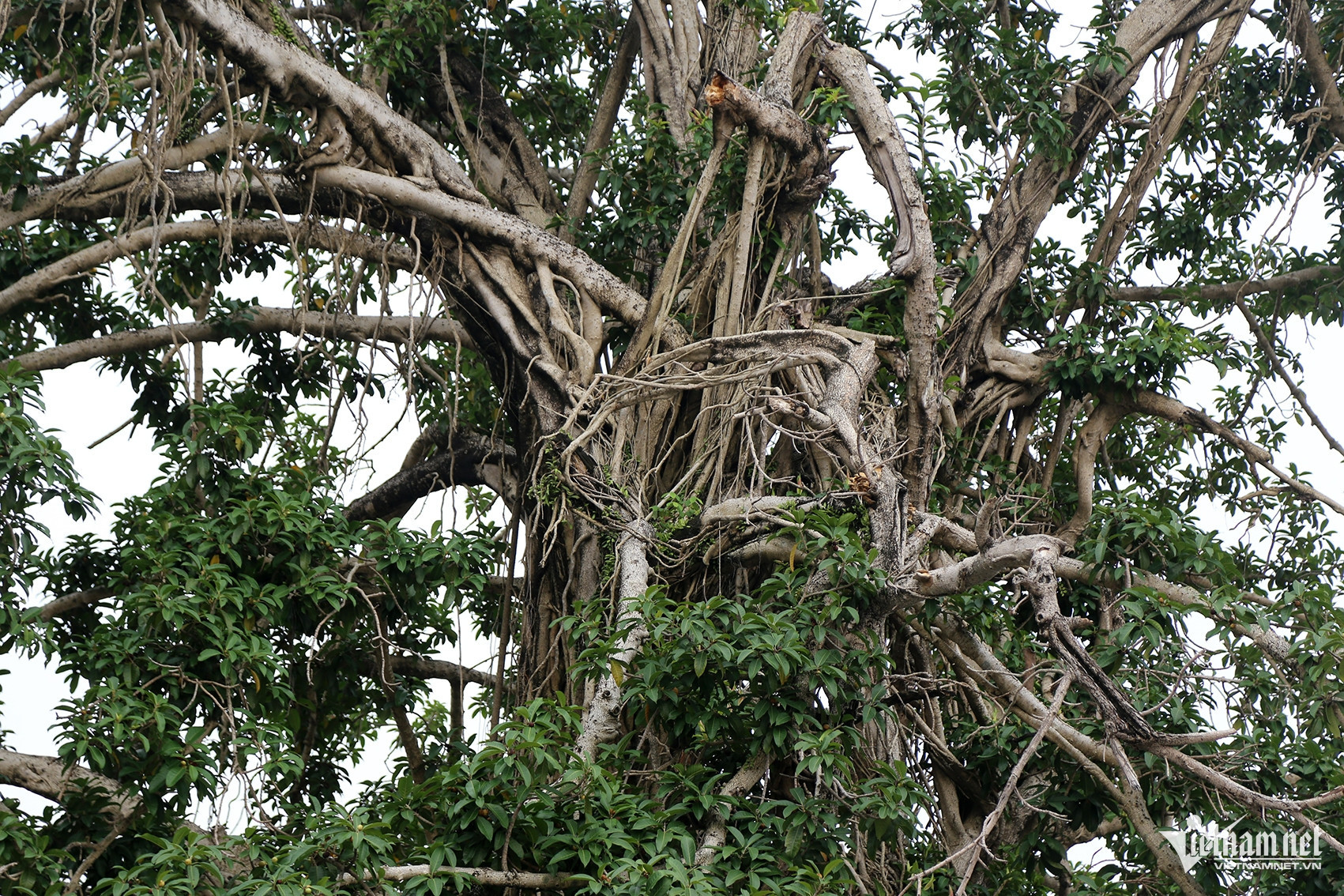
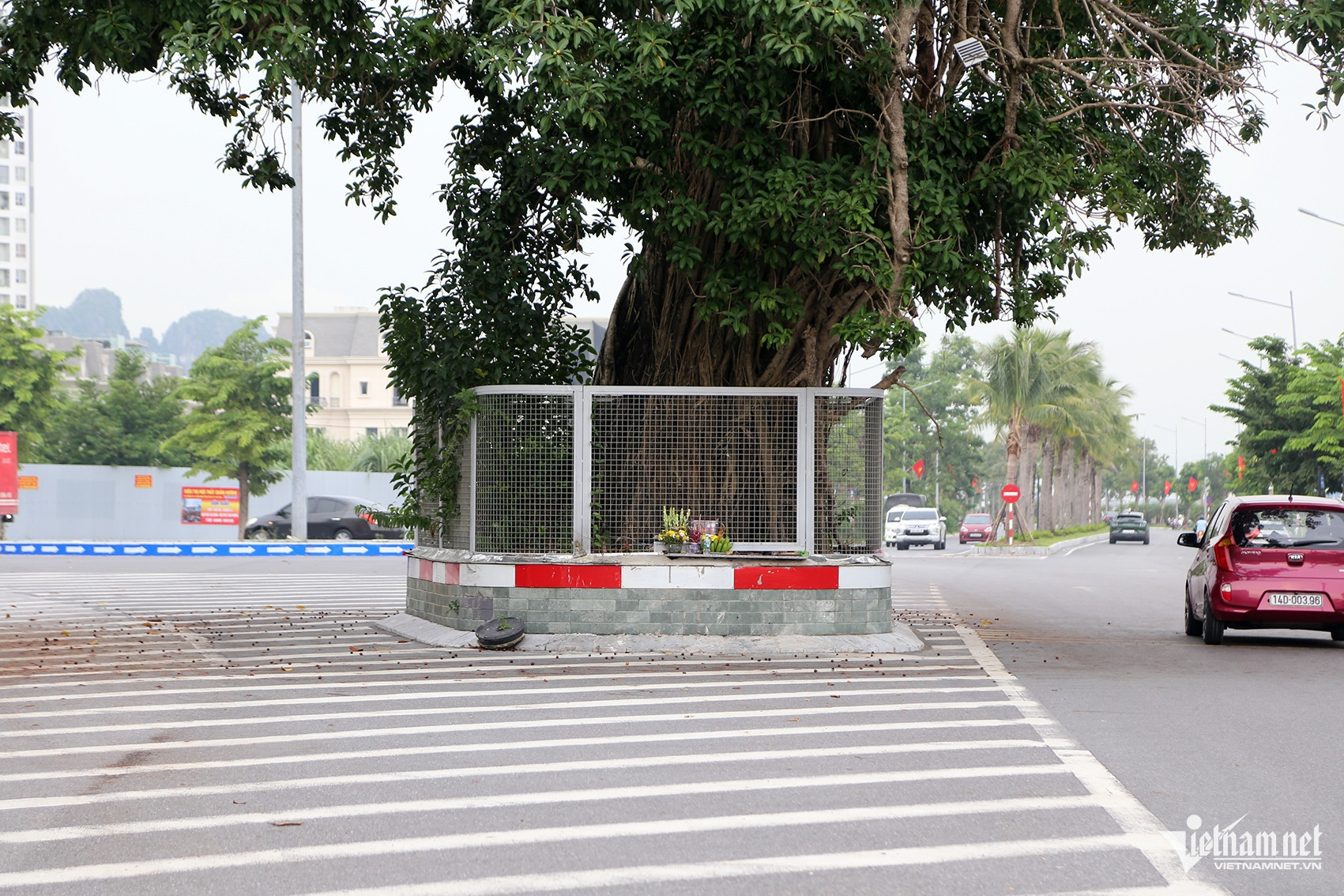
The base of the tree is so large that more than five adults would be needed to encircle it. A steel barrier surrounds the trunk, while local residents have set up an altar beneath the tree. Photo: Pham Cong
.svg)
