 Vietnamnet.vn

 Podcast



Here are three destinations in Vietnam’s Central Highlands offering beautiful scenery, fresh air and a wide range of experiences for travelers during the September 2 National Day holiday.
Da Lat, Lam Dong

Ngan Thong glass bridge draws large numbers of domestic and international visitors. Photo: Linh Trang
Data from Booking.com shows that during this year’s September 2 National Day holiday, 57% of Vietnamese travelers are planning a beach trip, while 46% are looking to reconnect with nature in mountainous and forested areas.
For those seeking a getaway in a cooler climate, Da Lat ranks highest among highland destinations in search interest, thanks to its mild weather and peaceful natural surroundings. The reopening of Lien Khuong Airport on August 19 has also made it more convenient for visitors to reach the highland city during the holiday.
August and September are considered ideal months for hunting the rolling seas of clouds that form around Da Lat, when the weather is not yet too cold. For the best chance of catching the spectacle, travelers should wake at around 4:30 a.m. and head to locations such as Da Phu Hill, Thien Phuc Duc Hill, Ngo Quyen or Cau Dat tea hills, where thick blankets of cloud often appear in the early morning sunlight.
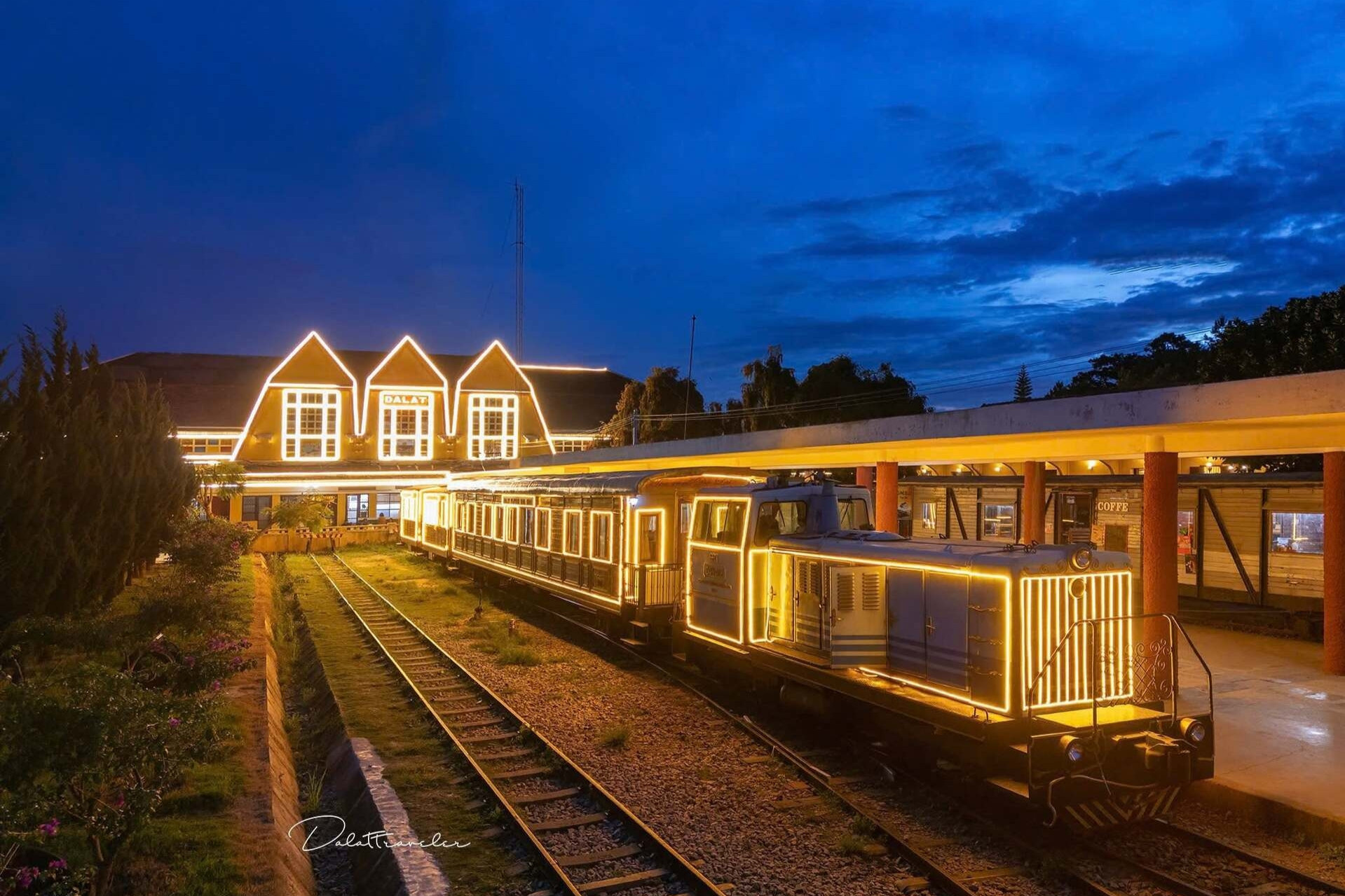
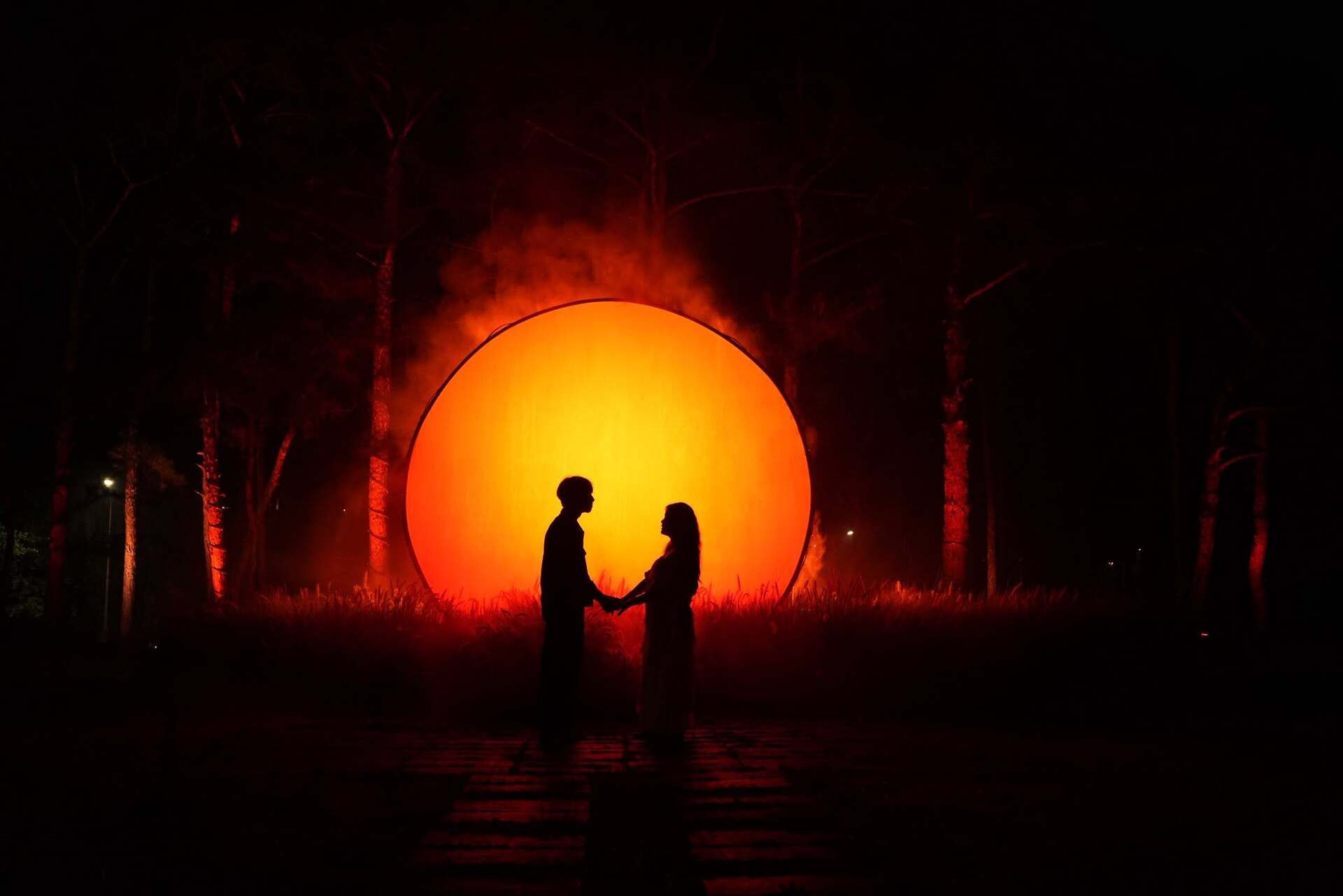
Alongside slower, restorative experiences such as cloud hunting, visiting flower gardens and cafés, or staying in forest homestays, Da Lat now offers more choices for travelers seeking a thrill. Visitors can ride an alpine coaster through pine forests and around Datanla Waterfall, take a cable car or try walking across the 325-meter-long glass-bottomed bridge at the Valley of Love, suspended nearly 100 meters above the ground.
Once the city lights come on, travelers can explore the night market or take an evening journey on the Da Lat-Trai Mat railway. The train’s carriages are designed in an imperial-inspired style, with services including tea, Wi-Fi, music and light refreshments.
Another option for exploring Da Lat after dark is Delight Park Dalat, which stages the “Fairyland Light” and “Au Lac Epic” shows. The performances combine light art, projection technology, 3D artistic spaces and Da Lat’s natural landscape, giving visitors another form of entertainment after daytime activities come to an end.
Mang Den, Quang Ngai
Mang Den is a highland commune surrounded by natural landscapes of pristine forests, lakes and waterfalls. Visitors can explore Pa Sy Waterfall Ecotourism Area, Dak Ke Lake, the wooden statue garden and Khanh Lam Pagoda, or spend time visiting local farms.
During this year’s National Day holiday, Mang Den will host a food festival and cultural and artistic programs at Mang Den Night Street and Mang Den Market, along with activities where visitors can learn to prepare and taste specialty coffee at Mang Den Art Garden.
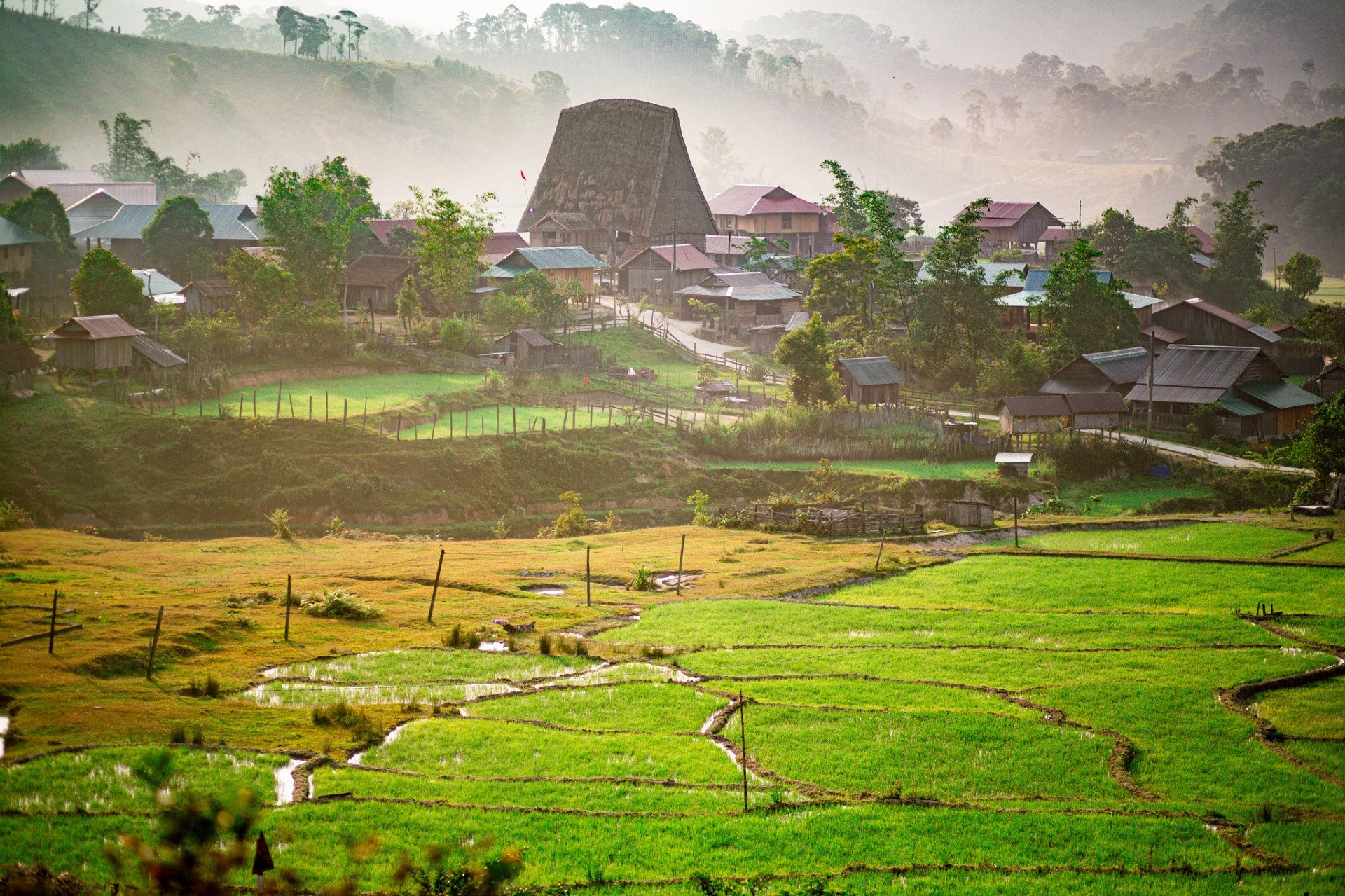
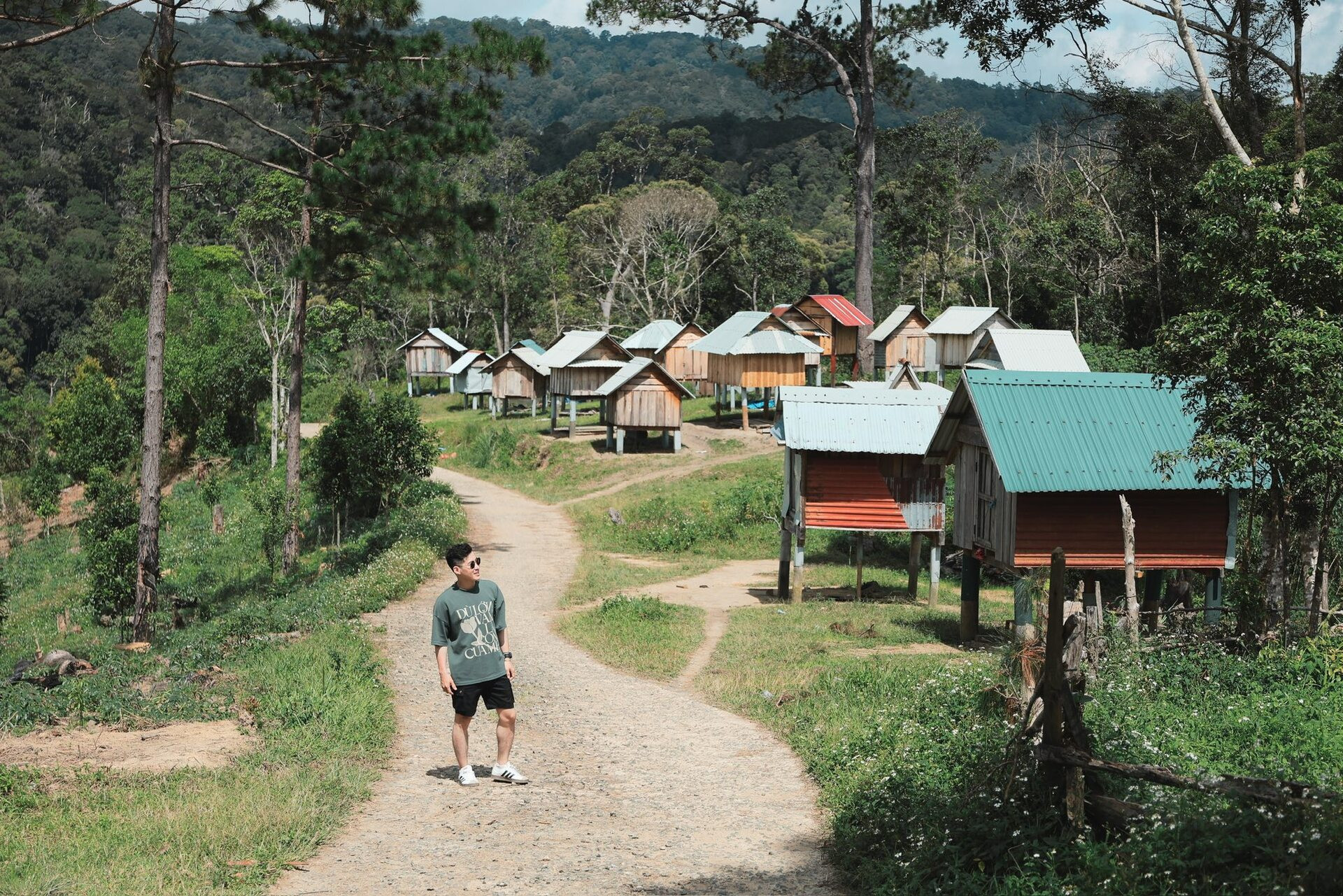
Beyond its natural scenery, local villages are another notable part of the Mang Den experience. Kon Tu Ma Village lies beside the Dak S’Nghe River, surrounded by green farmland and forests. Home to the Xo Dang ethnic community, the village retains many distinctive elements of Central Highlands culture.
One of Kon Tu Ma’s most intriguing features is the presence of dozens of tiny stilt houses made from bamboo and wood, scattered across fields, gardens and the edges of hills. The structures give the village its own character and have also become popular photo spots for visitors.
Meanwhile, Vi Ro Ngheo tourism village draws travelers looking for peaceful surroundings and landscapes that remain largely untouched. Known as an exceptionally clean village, it is filled throughout the year with flowers including rhododendrons, purple melastoma and cymbidium orchids, making it well suited to visitors seeking a slower holiday amid the mountains and forests.
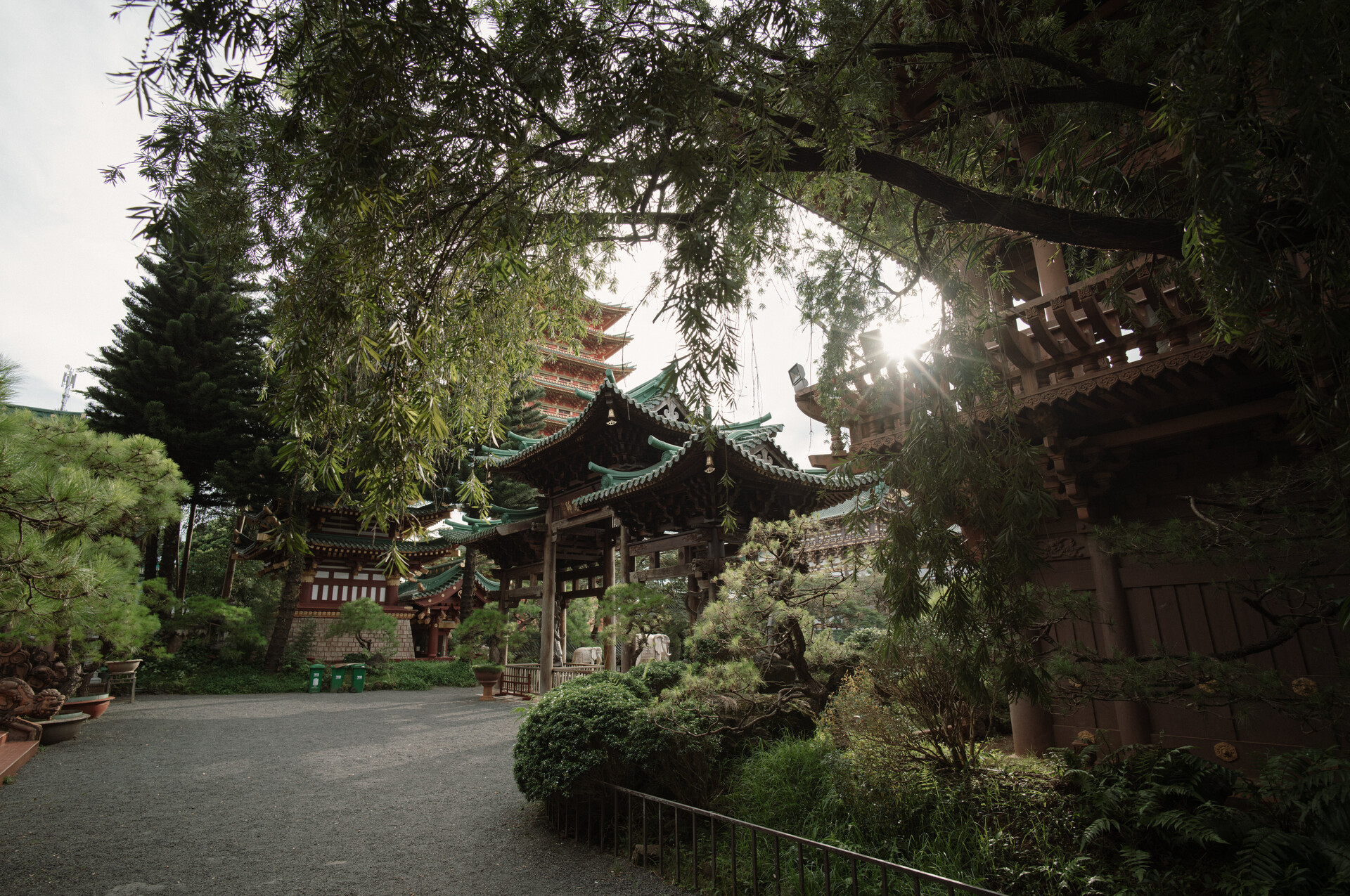
In the area of the former Pleiku City, the cluster of attractions comprising Bien Ho Lake, the tea hills, the century-old pine trees, Buu Minh Pagoda and Minh Thanh Pagoda remains among the best-known destinations. Travelers can combine these sites into a single itinerary, experiencing a changing landscape of lakes, tea plantations, pine-lined roads and religious architecture.
.svg)
